The Complete Guide to The Flash Series Cast: From Central City to Iconic Television History
The television series The Flash, which aired on The CW from 2014 to 2023, featured a sprawling ensemble cast centered on Grant Gustin as Barry Allen. Over its nine-season run, the series expanded from a focused police procedural with s...
The television series The Flash, which aired on The CW from 2014 to 2023, featured a sprawling ensemble cast centered on Grant Gustin as Barry Allen. Over its nine-season run, the series expanded from a focused police procedural with superhuman elements into a massive multiverse narrative, anchored by a revolving door of allies, villains, and speedsters.
Contents
The Foundation: Team Flash and Lead Portrayals
At the core of the series was the dynamic within S.T.A.R. Labs. Grant Gustin’s portrayal of Barry Allen defined the show’s tone, balancing scientific curiosity with emotional vulnerability. His relationship with the primary ensemble was the narrative engine that sustained the series for nearly a decade.
Candice Patton served as the show’s emotional anchor in the role of Iris West-Allen. Initially introduced as a journalist and Barry’s childhood friend, her character evolved into the leader of Team Flash and a pivotal figure in the timeline. Danielle Panabaker portrayed Dr. Caitlin Snow, whose character arc—transitioning from a grieving scientist to the meta-human Killer Frost and eventually Khione—provided some of the show’s most consistent character development.
Carlos Valdes, who played the fan-favorite Cisco Ramon (Vibe), served as the show’s mechanical and technical conscience. His departure in later seasons left a significant gap in the team’s banter and technical problem-solving capabilities, marking a shift in the series' overall atmosphere toward a more somber tone.
The Evolving Ensemble: Key Supporting Roles
The stability of the cast was often challenged by the show’s reliance on the "Harrison Wells" archetype. Tom Cavanagh’s ability to portray multiple versions of the same character—including Eobard Thawne (the Reverse-Flash), Harry Wells, H.R. Wells, and Sherloque Wells—became a hallmark of the series. This casting decision allowed the show to maintain a consistent presence for the intellectual antagonist or mentor figure while keeping the narrative fresh through different personality iterations.
Jesse L. Martin played Joe West, the moral compass of the series. As a detective and a father figure to both Barry and Iris, his grounded performance provided the necessary stakes to keep the show’s high-concept sci-fi plots tethered to human reality. Other recurring cast members who defined specific eras of the show included:
- Keiynan Lonsdale: Introduced as Wally West, who eventually took on the mantle of Kid Flash.
- Hartley Sawyer: Played Ralph Dibny (Elongated Man), bringing a distinct comedic energy to the middle seasons.
- Danielle Nicolet: Joined as Cecile Horton, a district attorney whose developing empathic meta-human abilities expanded her role to a core team member in later seasons.
The Villainous Legacy
The effectiveness of The Flash was often tied to the caliber of its primary antagonists. The show utilized a "Speedster of the Season" formula in its early years, followed by more diverse threats. Key villains who left a lasting impression on the cast and the narrative trajectory included:
- Tom Cavanagh (Eobard Thawne/Reverse-Flash): The singular force driving Barry Allen’s trauma and growth.
- Teddy Sears (Hunter Zolomon/Zoom): Represented a more visceral, terrifying physical threat that tested the limits of the team’s resolve.
- Neil Sandilands (Clifford DeVoe/The Thinker): Shifted the focus from raw speed to intellectual warfare, forcing the cast to adapt their defensive strategies.
- Jon Cryer (Lex Luthor): While primarily an Arrowverse crossover entity, his involvement in later seasons influenced the stakes for the entire ensemble.
Comparative Overview of Main Cast Roles
The structure of the series allowed for significant character turnover, which was often required due to the complex, time-travel-heavy nature of the script. The following table highlights the primary roles and their impact on the series.
| Character | Actor | Primary Role Type | Tenure/Status |
|---|---|---|---|
| Barry Allen | Grant Gustin | Protagonist | Seasons 1–9 |
| Iris West-Allen | Candice Patton | Lead/Journalist | Seasons 1–9 |
| Cisco Ramon | Carlos Valdes | Tech/Meta-human | Seasons 1–7 |
| Caitlin Snow | Danielle Panabaker | Scientist/Meta-human | Seasons 1–9 |
| Joe West | Jesse L. Martin | Mentor/Detective | Seasons 1–9 |
| Harrison Wells | Tom Cavanagh | Mentor/Antagonist | Seasons 1–8 |
| Cecile Horton | Danielle Nicolet | Legal/Empath | Seasons 4–9 |
Technical Challenges of Casting in a Multiverse
Producing a series that frequently involves alternate versions of existing characters requires a high degree of versatility from the acting ensemble. Tom Cavanagh’s performance as various incarnations of Harrison Wells remains one of the most significant technical achievements of the show. This required not only distinct costuming and makeup but also different dialects, postures, and acting methodologies to differentiate characters who shared the same facial features.
Furthermore, the integration of characters from other Arrowverse shows—such as Arrow, Supergirl, and Legends of Tomorrow—demanded that the core cast be capable of adjusting their performance style to suit crossovers. The logistics of coordinating these cross-show schedules meant that primary cast members often had to maintain high-intensity production schedules while filming secondary material for massive, season-spanning events like "Crisis on Infinite Earths."
Evolution and Departure Trends
As the series approached its final seasons, the cast underwent a transition phase. The departure of legacy characters like Carlos Valdes and the reduction of Tom Cavanagh’s role necessitated the introduction of new talent to keep the S.T.A.R. Labs dynamic functional. Actors such as Kayla Compton (Allegra Garcia) and Brandon McKnight (Chester P. Runk) were brought in to fill the technical and investigative void left by the departure of older, more established cast members.
This transition was often met with mixed responses from long-term viewers, illustrating the difficulty of replacing core cast members in a show that relies so heavily on established interpersonal chemistry. The successful integration of these new characters in the final seasons relied on their ability to mirror the mentor-mentee relationships that defined the earlier years of the show.
Frequently Asked Questions
Who was the longest-running cast member on The Flash? Grant Gustin, who played Barry Allen, remained the sole lead throughout all nine seasons. Other actors, such as Candice Patton and Danielle Panabaker, also remained part of the main cast from the pilot episode through the series finale in 2023.
Why did Tom Cavanagh play so many different versions of Harrison Wells? The show used the multiverse concept to explore different iterations of genius-level mentors. This allowed the writers to provide a fresh version of the character every season without necessarily retaining the same personality, keeping the relationship between Wells and Barry Allen dynamic and unpredictable.
What happened to the original cast members like Carlos Valdes? Carlos Valdes, who played Cisco Ramon, chose to depart the series at the end of the seventh season to pursue other professional interests. His character was written out as moving to Central City’s A.R.G.U.S. division, allowing for his occasional guest appearance in the final seasons.
Was the cast of The Flash considered part of the larger DC Universe? The show was part of the "Arrowverse," a shared television universe on The CW. While it occasionally incorporated elements from the wider DC Comics canon, it remained a distinct continuity separate from the theatrical DC Extended Universe (DCEU) films, which featured different actors in the role of The Flash.
How did the show manage cast crossovers? Crossovers were managed through careful scheduling between the various production teams of the Arrowverse shows. Episodes were often filmed in blocks to accommodate actors appearing in multiple shows simultaneously, which required intense coordination and high availability from the lead cast members during the filming seasons.
Next Steps for Fans
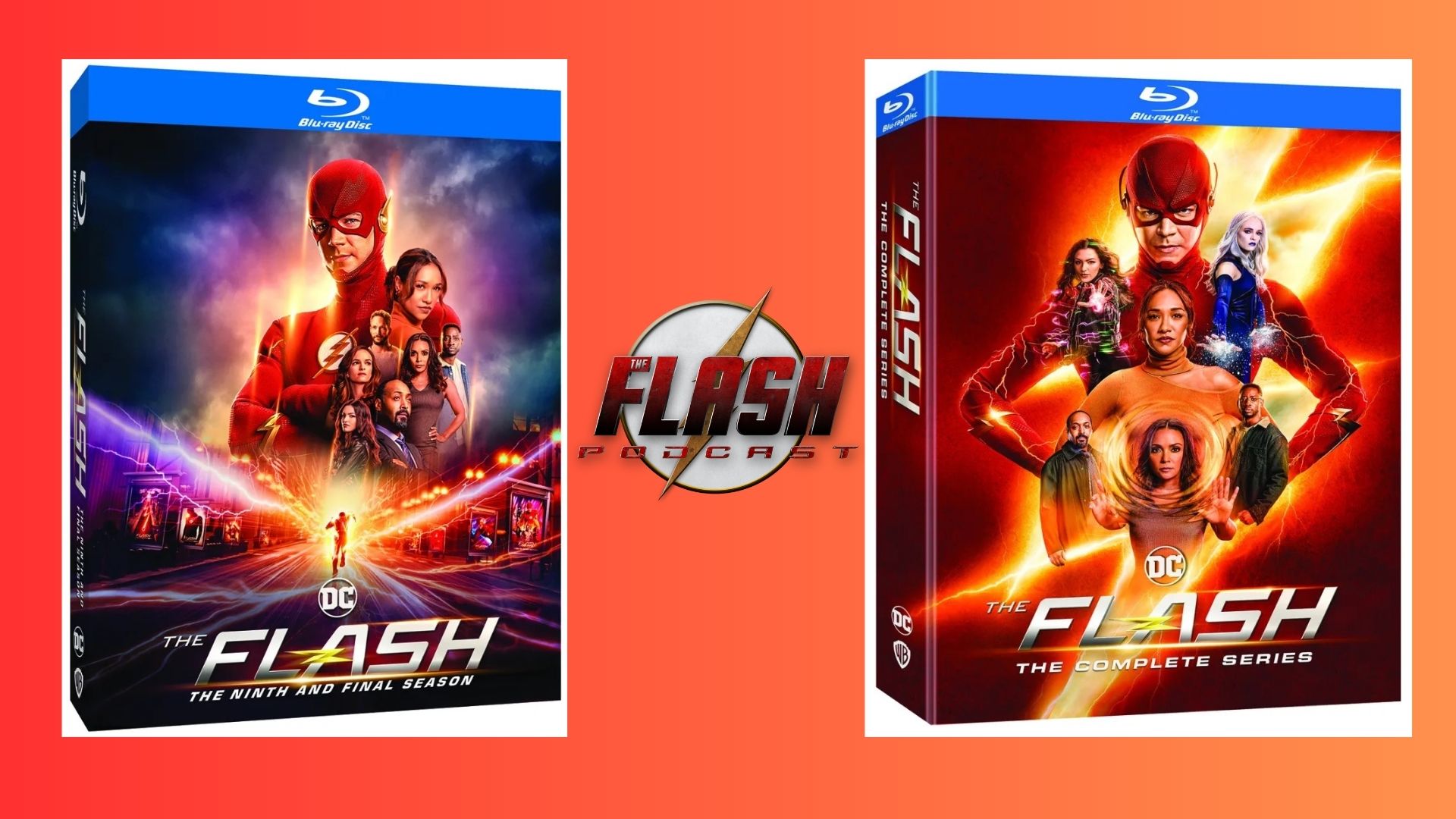
If you are interested in revisiting the history of the show, the most effective next action is to examine the "Behind the Scenes" features included in the Blu-ray/DVD box sets of The Flash: The Complete Series. These documents provide verified interviews with the cast and production staff regarding the creative decisions behind character departures and the evolution of the ensemble. For those tracking the current projects of these actors, verified career databases such as IMDb Pro or official representation websites provide the most accurate information regarding their post-series professional trajectories.
Image Gallery