Navigating Trustworthy News and Public Trust: Standards, Verification, and Media Integrity
Public trust in news media depends on transparent verification standards, clear institutional accountability, and rigorous editorial independence. A trustworthy news ecosystem requires media organizations to publish verifiable sources...
Public trust in news media depends on transparent verification standards, clear institutional accountability, and rigorous editorial independence. A trustworthy news ecosystem requires media organizations to publish verifiable sources and explicit correction policies, while audiences utilize lateral reading and digital provenance standards to separate reliable journalism from misinformative or click-driven content.
Contents
The Crisis of Public Trust in Contemporary Journalism
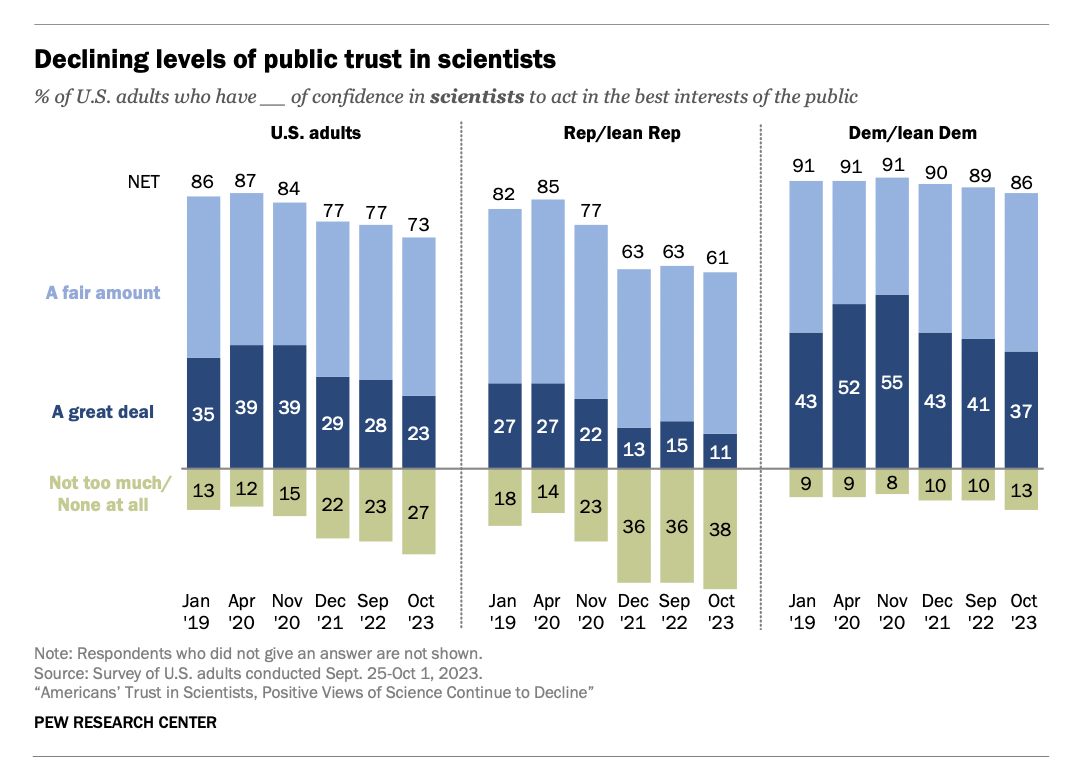
The relationship between trustworthy news and public trust is fundamental to civic stability and informed decision-making. Over the past decade, public trust in news institutions has declined globally, driven by fragmented information ecosystems, business models dependent on user engagement, and the proliferation of synthetic media. According to multi-year research from the Reuters Institute for the Study of Journalism, audience trust in news across major markets frequently fluctuates based on political polarization, economic pressures, and perceived bias in newsrooms.
When public trust degrades, information ecosystems fragment into closed echo chambers. In these environments, sensationalism and unchecked commentary often overshadow verified reporting. Restoring public trust requires examining both structural incentives within news production and analytical tools available to news consumers.
PILLARS OF INSTITUTIONAL NEWS TRUST
- Transparent Ownership & Financial Disclosure
- Rigorous Fact-Checking & Explicit Sourcing Standards
- Clear Separation of Reporting from Opinion/Sponsored Content
- Timely, Visible Corrections Protocols
- Adherence to Audited Technical & Ethical Frameworks (e.g., JTI)
Core Pillars Defining Trustworthy News
Trustworthy news is not defined by brand recognition alone, but by systematic adherence to verifiable journalistic practices. Reliable outlets operate under established ethics codes that make their reporting process open to public scrutiny.
1. Transparent Sourcing and On-the-Record Verification
High-trust news organizations prioritize direct, identifiable sourcing. Anonymous sources are reserved exclusively for instances where public interest is high and the source faces grave personal, professional, or legal jeopardy. When anonymity is granted, trustworthy newsrooms explain why the source cannot be named and explicitly state how the outlet verified the source's knowledge of the events described.
2. Explicit Editorial Independence and Ownership Disclosures
Financial structures directly influence editorial decision-making. Reputable publications maintain clear separation between revenue teams and editorial staff. Ownership details, funding sources, parent company affiliations, and potential conflicts of interest must be disclosed prominently. The Society of Professional Journalists Code of Ethics emphasizes that journalists must resist internal and external pressure to alter reporting, refusing gifts or special treatment that compromise integrity.
3. Clear Differentiation Between News, Opinion, and Native Advertising
A major driver of public distrust is the blurring boundary between factual reporting, commentary, and sponsored content. Outlets maintaining high trust clearly label articles as "News," "Analysis," "Opinion," "Editorial," or "Paid Content." Layout designs and typography further distinguish opinion columns from core news reports to ensure readers understand the nature of the material.
4. Transparent Correction and Retraction Protocols
Errors occur even in highly rigorous newsrooms. The distinction between trustworthy news and deceptive outlets lies in how mistakes are handled. Reliable outlets do not silently update or delete erroneous statements. They publish clear, explicit correction notices at the top or bottom of the article, specifying what was originally reported, what was corrected, and the timestamp of the update.
Frameworks for Audience Verification: How to Evaluate Sources
To verify claims independently, media literacy researchers at institutions such as the Poynter Institute advocate moving beyond surface-level visual cues—like clean site designs or professional logos—and implementing practical evaluation techniques.
The SIFT Method
Developed by digital literacy specialist Mike Caulfield, the SIFT framework provides four simple steps to evaluate digital claims before sharing or accepting them:
- Stop: Pause upon encountering new, alarming, or highly surprising information. Check emotional reactions that might bypass critical judgment.
- Investigate the source: Look up the publishing entity outside of its own site. Assess its record, organizational purpose, and potential biases.
- Find better coverage: Search for trusted, established outlets reporting on the same event to see if consensus exists across independent newsrooms.
- Trace claims back to the original context: Locate the original study, raw interview video, government document, or legal filing behind the headline.
Lateral Reading
Traditional "vertical reading" involves scrolling down a single webpage, reading the "About Us" section, and examining site graphics. In contrast, professional fact-checkers use lateral reading. Upon opening an unfamiliar news site, leave that tab immediately and open multiple new search browser tabs. Search third-party databases, regulatory records, and reputable media directories to ascertain the source’s true reputation and background before trusting its claims.
- Vertical Reading (Insecure)
- Read site's self-reported "About Us"
- Judge by clean design and site appearance
- Lateral Reading (Secure)
- Search external site evaluation databases
- Review third-party domain histories
- Assess reputation based on independent sources
Technical Standards and Digital Authenticity Systems
As synthetic media and generative artificial intelligence advance, public trust relies increasingly on technical provenance and standardized accreditation.
Digital Provenance and the C2PA Standard
To combat manipulated images, forged documents, and deepfake videos, major tech companies and media firms established the Coalition for Content Provenance and Authenticity (C2PA). The C2PA technical specification embeds cryptographically signed metadata directly into media files. This metadata tracks the origin, device model, software edits, and publishing chain of photos and video clips, allowing news outlets and audiences to confirm that visual assets have not been artificially altered.
The Journalism Trust Initiative (JTI)
Initiated by Reporters Without Borders (RSF), the Journalism Trust Initiative offers an international standard (ISO/CWA 17493) for newsrooms. Outlets undergo self-assessment and third-party audits regarding their transparency, editorial processes, and accountability protocols. Publishers that meet the JTI benchmark receive machine-readable certifications, helping search platforms, social networks, and programmatic advertisers recognize and support trustworthy news sources.
Comparative Assessment: Trustworthy News vs. Vulnerable News Sources
Evaluating a news outlet requires analyzing specific operational markers. The table below outlines key practical differences between high-trust news organizations and outlets susceptible to spreading unreliable information.
| Evaluation Metric | High-Trust News Outlets | Vulnerable or Unreliable Outlets |
|---|---|---|
| Sourcing Practices | Names verifiable primary sources; explains specific context and safety reasons when anonymity is granted. | Relies on vague attributions ("sources say," "insiders claim") without justification or secondary corroboration. |
| Correction Policy | Published, explicit correction log noting precise changes made to historical articles. | Silent edits, stealth updates, or unacknowledged deletions of incorrect articles. |
| Ownership Transparency | Discloses parent company, board of directors, major funding sources, and non-profit/for-profit status. | Obscures funding, conceals shell company ownership, or conceals political/corporate funding sources. |
| Byline Authenticity | Articles signed by named, verifiable journalists with public professional histories. | Anonymous author tags, generic brand bylines, or computer-generated author personas. |
| Content Categorization | Distinct visual labels for News, Opinion, Analysis, Sponsored, and Editorial pieces. | Intermingles persuasive opinion and sponsored promotion within factual news reporting blocks. |
| Technical Provenance | Implements content authentication standards (e.g., C2PA, IPTC photo metadata). | Strips metadata from visual assets, uses contextless stock imagery, or presents altered media as factual. |
Actionable Steps for News Consumers and Media Outlets
Rebuilding public trust requires concrete actions from both media producers and news consumers.
Recommended Actions for News Consumers
- Diversify News Diets: Read reporting from multiple independent newsrooms across geographical regions to mitigate blind spots.
- Verify Before Sharing: Apply lateral reading and the SIFT methodology before redistributing breaking headlines on messaging platforms or social networks.
- Check Technical Credentials: Look for standardized certifications such as JTI compliance or C2PA metadata tags on photos and video files.
- Support Accountable Journalism: Consider paying for subscriptions or supporting non-profit news organizations that adhere to strict editorial ethics codes.
Recommended Actions for News Publishers
- Publish Ethics Codes: Make editorial rules, conflicts of interest policy, and correction guidelines easily accessible to readers.
- Adopt Cryptographic Authentication: Implement C2PA provenance tracking across photo departments and digital production workflows.
- Engage Ombudspersons: Establish independent readers' representatives or public editors to review public complaints regarding accuracy.
- Standardize Bylines: Provide complete background pages for reporters, highlighting past work, areas of expertise, and ethical standards.
Frequently Asked Questions
What is the difference between news reporting and news analysis?
News reporting focuses strictly on establishing verifiable facts: who, what, where, when, and how an event occurred. News analysis, written by subject-matter experts or specialized reporters, places those facts into broader context, explaining historical precedents, potential consequences, and underlying cause-and-effect relationships without advocating for a specific political outcome.
How can I spot AI-generated or synthetic news content?
Look for vague author credentials, lack of original primary sourcing, repetitive language, and missing metadata. Use lateral reading to see if established journalists or local agencies are reporting the same story. Check images using verification extensions or inspect them for C2PA provenance tags to confirm original capture details.
Why do reputable news outlets use anonymous sources?
News organizations use anonymous sources when crucial information of public interest cannot be obtained otherwise, and where revealing the source's identity would lead to severe retaliation, job loss, or legal harm. Trustworthy outlets require senior editor approval and independent corroboration before permitting anonymity.
Does a correction mean a news outlet is unreliable?
No. Transparent, prompt corrections indicate that a newsroom maintains accountability mechanisms and values factual accuracy over saving face. An outlet that never issues corrections despite publishing high volumes of daily reporting is more suspect, as errors occur in all fast-moving news gathering.
What role do media ombudspersons play in public trust?
An ombudsperson (or public editor) acts as an independent liaison between readers and the newsroom. They investigate audience complaints regarding factual inaccuracies, potential bias, or ethical lapses, publishing their findings publicly to maintain newsroom transparency.
Final Recommendation
To navigate complex information landscapes effectively, cultivate systematic media literacy habits. Rather than evaluating news content solely based on visual appeal or headline alignment with personal views, examine the outlet's operational practices: look for transparent bylines, clear corrections logs, financial disclosures, and adherence to established standards like the Journalism Trust Initiative or C2PA provenance protocols.
Image Gallery