Choosing the Best Mold Remediation in North Palm: A Guide to Professional Service Selection
Finding the best mold remediation in North Palm requires a methodical approach that balances technical certification, local regulatory compliance, and a clear understanding of the environmental risks associated with South Florida’s hum...
Finding the best mold remediation in North Palm requires a methodical approach that balances technical certification, local regulatory compliance, and a clear understanding of the environmental risks associated with South Florida’s humid climate. Homeowners and property managers must prioritize contractors who offer transparent, evidence-based mitigation protocols—specifically those that address the root moisture source rather than merely performing cosmetic cleanup.
Contents
Understanding the Mold Remediation Landscape in North Palm
North Palm Beach and the broader South Florida region present a unique set of challenges for property owners. High relative humidity, frequent precipitation, and historical storm activity create ideal conditions for fungal growth in residential and commercial structures. Because mold spores are ubiquitous, total eradication is impossible; the goal of professional remediation is to return the environment to a "normal fungal ecology"—meaning the spore count inside the structure is equal to or lower than the count found in the outdoor air.
When selecting a service, it is critical to distinguish between a general cleaning crew and a specialized mold remediation professional. A remediation specialist should follow industry standards set by the Institute of Inspection, Cleaning and Restoration Certification (IICRC), specifically the S520 Standard for Professional Mold Remediation.
Core Qualifications of a Reputable Remediation Firm
Before signing a contract, you must verify the credentials of the remediation company. Do not rely solely on online reviews or flashy advertisements; instead, confirm the following technical and legal requirements:
- Licensing and Insurance: Florida law (specifically under the Florida Department of Business and Professional Regulation) has specific requirements for mold assessors and remediators. Always verify the status of the company’s Mold Remediator License. Furthermore, ensure the firm carries specific pollution or mold liability insurance, as general liability policies often exclude fungal-related damages.
- The Assessment-Remediation Separation: Ethical standards and, in some cases, Florida state law, encourage a separation of duties between the mold assessor (the inspector) and the mold remediator (the cleaner). Hiring the same company to both inspect and remediate can create a conflict of interest, where the inspector might identify unnecessary work to increase the remediation bill.
- IICRC Certification: Look for technicians who hold active certifications from the IICRC. This confirms the staff has undergone formal training in structural drying, containment, and hazardous material handling.
- Equipment and Protocols: Ask the contractor about their containment strategy. A professional firm will utilize HEPA-filtered negative air machines to create pressure differentials, ensuring that spores are not cross-contaminated into clean areas of the home during the remediation process.
Comparing Remediation Service Models
To make an informed decision, it is helpful to understand the different types of firms operating in the North Palm area.
| Feature | Certified Professional Firm | General Handyman / Contractor |
|---|---|---|
| Licensing | State-mandated (MRSR) | Often lacks specific mold licensure |
| Containment | Advanced negative air/HEPA | Minimal or non-existent |
| Assessment | Third-party protocols required | Visual-only estimation |
| Documentation | Comprehensive progress logs | Limited or verbal reports |
| Moisture Control | Root-cause analysis included | Surface-level cleaning only |
The Step-by-Step Remediation Process
Understanding the workflow allows you to hold your contractor accountable. If a company deviates from this sequence, it may be a red flag regarding their professional standards.
- Inspection and Testing: A third-party assessor uses moisture meters, thermal imaging cameras, and air sampling to identify the scope of the mold. They should provide a written report detailing the species of mold and the extent of the infestation.
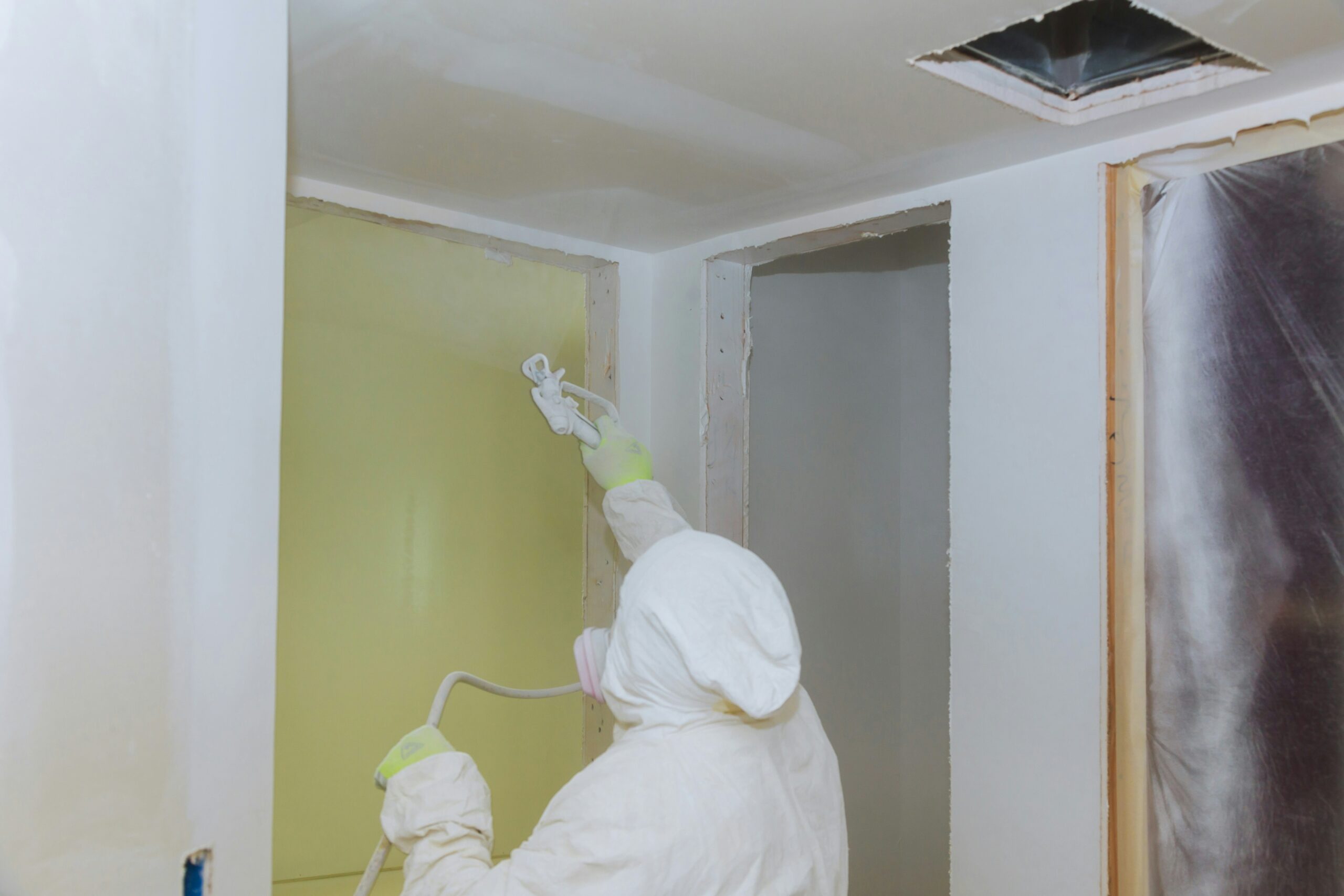
- Containment: The remediators will seal off the affected zone using heavy-duty polyethylene sheeting and negative air pressure to prevent the migration of spores.
- Filtration: High-Efficiency Particulate Air (HEPA) filtration is used to scrub the air of spores throughout the project.
- Removal and Cleaning: This involves the physical removal of porous materials (like drywall or insulation) that are heavily infested and the HEPA-vacuuming and antimicrobial cleaning of non-porous surfaces.
- Drying: Once the mold is removed, the structural integrity of the wood and masonry must be dried to levels below 16% moisture content to prevent regrowth.
- Post-Remediation Verification (PRV): The third-party assessor returns to inspect the work and perform clearance testing to confirm the indoor air quality has returned to safe, baseline levels.
Common Pitfalls and How to Avoid Them
The most common mistake homeowners make is hiring a "mold removal" service that uses fogging or ozone treatments as a substitute for physical cleaning. While these methods can kill mold, they do not remove the dead spores or the underlying mycelium. Dead mold can still trigger severe allergic reactions and respiratory issues.
Additionally, avoid companies that offer "guaranteed" results before they have conducted a thorough site assessment. Mold is dynamic; a professional will never provide an accurate cost estimate without first determining the source of the water intrusion. If a leak remains in the roof or plumbing, the mold will inevitably return regardless of how much chemical treatment is applied.
Financial and Legal Considerations
When budgeting for remediation in 2026, keep in mind that the total cost is often split between the remediation itself and the subsequent "build-back" or reconstruction. Many homeowners attempt to use insurance policies to cover these costs; however, coverage depends heavily on whether the mold resulted from a "covered peril" (like a sudden pipe burst) or an "excluded peril" (like long-term seepage or maintenance neglect).
Always document the timeline of your discovery, keep all invoices, and request a detailed "Scope of Work" document before any physical work begins. This document should serve as a binding agreement regarding the specific areas to be treated and the methods to be used.
Frequently Asked Questions
Is bleach an effective way to kill mold on porous surfaces? No. Bleach is not recommended for mold remediation on porous materials like drywall or wood. The water component of bleach can actually feed the mold roots deeper into the material, while the chlorine loses its potency quickly. Professional firms use EPA-registered fungicides designed for the specific substrate.
How long does the remediation process typically take? The timeline depends on the square footage of the contamination and the complexity of the containment. A minor issue in a single room might take two to three days, while a whole-house remediation following a major flood can take several weeks.
Does mold remediation require me to vacate the property? In cases of extensive contamination or when the remediation involves high-velocity air movement, it is safer to relocate temporarily. Your remediation company should advise you based on the volume of spores and the specific chemicals utilized in the cleaning process.
Who is responsible for the post-remediation verification? This should be performed by an independent, third-party laboratory or environmental consultant. This provides an unbiased confirmation that the work was performed correctly and that it is safe to reoccupy the space.
Next Steps for Property Owners
If you suspect a mold issue in your home or office, your first priority is to locate and stop the moisture source. Turn off the water supply if the leak is plumbing-related, or place tarps if it is a roof issue. Once the moisture is controlled, do not attempt to scrub the mold yourself, as this can release millions of spores into the air.
Search for a state-licensed Mold Remediator (MRSR) in the North Palm area. Request a list of references and verify their IICRC status. Before hiring, insist on a professional site inspection from an independent party to establish a baseline. By separating the inspection from the cleanup, you protect your property and your financial interests, ensuring the work is performed to a standard that actually protects your indoor air quality.
Image Gallery