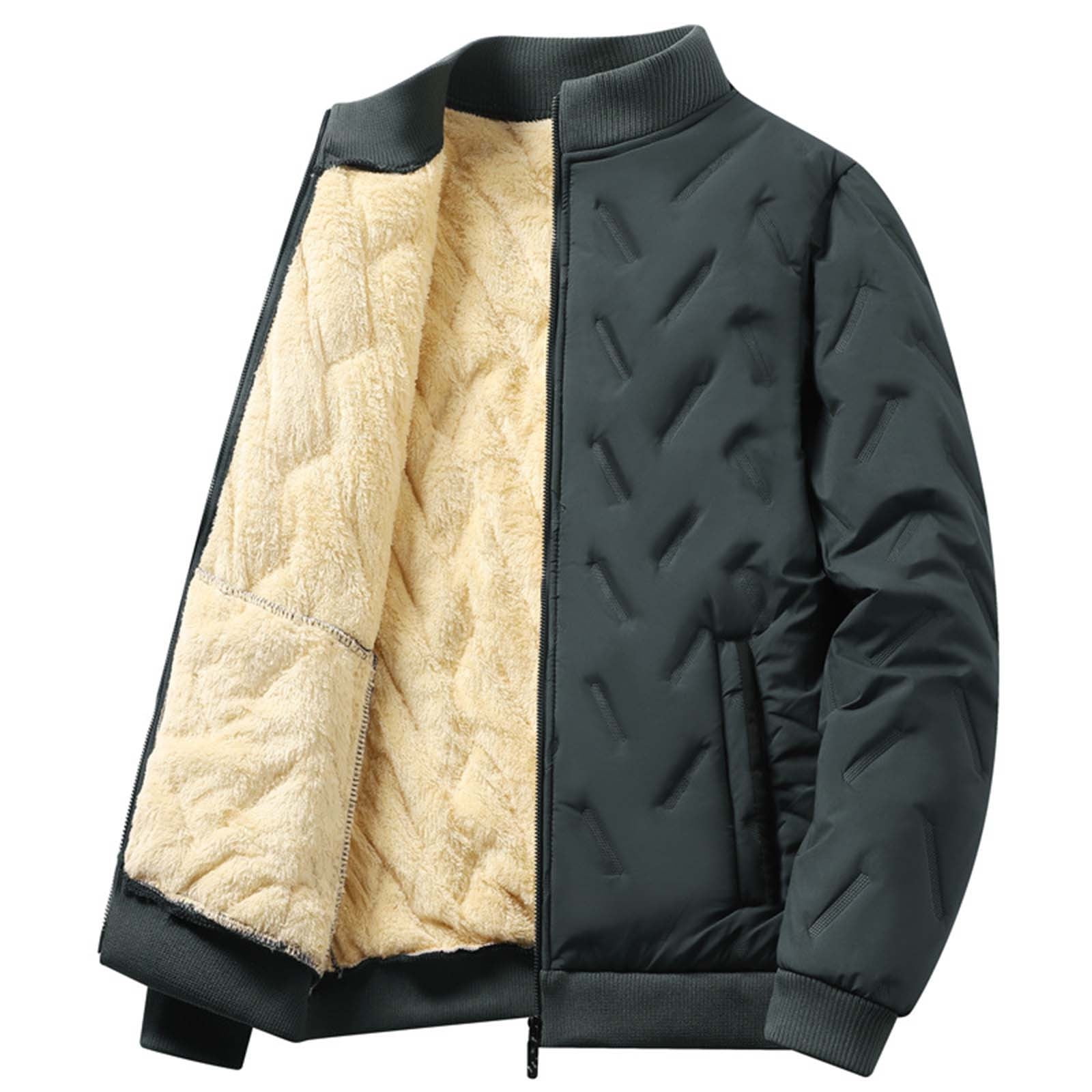
Are Warm Jackets for the Winter Worth the Price?
High-quality winter jackets are generally worth the investment for those living in climates with sustained sub-zero temperatures. The higher price point typically secures superior insulation—such as high-fill-power down or advanced syn...
High-quality winter jackets are generally worth the investment for those living in climates with sustained sub-zero temperatures. The higher price point typically secures superior insulation—such as high-fill-power down or advanced synthetics—integrated with breathable, waterproof membranes and durable construction. These features ensure long-term thermal efficiency and a lower cost-per-wear over several years compared to budget alternatives.
Contents
The decision to invest several hundred, or even over a thousand, dollars into a single piece of outerwear often leads to a debate between functional necessity and brand-driven luxury. As of 2026, the outdoor apparel market has bifurcated into ultra-technical gear and "gorpcore" fashion, making it harder for the average consumer to discern where their money is actually going. To determine if a jacket is worth the price, one must look past the logo and evaluate the specific components that contribute to thermal regulation, weather protection, and longevity.
The Science of Insulation: Why Quality Fill Matters
The primary factor driving the price of a winter jacket is the insulation. Insulation works by trapping still air, which acts as a thermal barrier between your body heat and the cold external environment. There are two main types of insulation used in high-end jackets: natural down and synthetic fibers.
Natural Down and Fill Power
Down remains the gold standard for warmth-to-weight ratio. It consists of the fluffy undercoating of ducks or geese. The quality of down is measured by fill power, which represents the volume (in cubic inches) that one ounce of down occupies.
- Budget Jackets (500-600 fill power): These require more physical material to achieve the same warmth, resulting in a heavier, bulkier jacket.
- Premium Jackets (800-1000 fill power): These use high-loft clusters that trap more air with less weight.
Higher fill power is significantly more expensive because the large down clusters required are rarer and more difficult to harvest. For a commuter, weight might not matter, but for anyone active in the cold, the compressibility and lightness of 800+ fill power justify the premium. Furthermore, as of 2026, the industry has strictly moved toward Responsible Down Standard (RDS) certification, ensuring ethical treatment of animals, which adds a necessary but quantifiable cost to production.
Synthetic Insulation Innovations
Synthetic insulation, often made of polyester filaments, is designed to mimic down. While historically heavier and less durable, 2026-era synthetics like PrimaLoft Gold or Patagonia’s Plumafill have closed the gap. The major advantage of high-end synthetics is their performance when wet. Unlike down, which clumps and loses its insulating properties if it gets damp, premium synthetics maintain loft and warmth. If you live in a rainy or humid winter climate (like the Pacific Northwest or coastal Europe), an expensive synthetic jacket is often a better value than an expensive down one.
Weatherproofing and Membrane Technology
A jacket can be filled with the best down in the world, but if the wind cuts through the fabric or snow melts into the insulation, it becomes useless. This is where "hardshell" technology and technical membranes come into play.
Breathability vs. Waterproofing
The most expensive jackets utilize proprietary or licensed membranes like Gore-Tex, Pertex, or H2No. These membranes feature billions of microscopic pores that are small enough to block liquid water droplets but large enough to allow water vapor (sweat) to escape.
- Cheap Jackets: Often use a simple polyurethane (PU) coating. While waterproof, these coatings do not breathe. This leads to the "trash bag effect," where you sweat inside the jacket, the sweat cools, and you end up colder than if you had no jacket at all.
- Technical Jackets: Use multi-layer laminates. These are engineered to withstand the mechanical stress of movement without delaminating, ensuring the jacket remains waterproof for a decade or more.
Construction Details
When you pay for a premium jacket, you are also paying for labor-intensive construction techniques. Taped seams are a hallmark of quality; every needle hole from the sewing process is covered with a waterproof tape. Similarly, YKK AquaGuard zippers—which are water-resistant and freeze-proof—add to the manufacturing cost but prevent the most common points of failure in winter gear.
The Cost-Per-Wear Analysis
To truly understand value, consumers should look at the cost-per-wear rather than the initial retail price. A $150 "fast fashion" winter coat is often built with low-quality zippers, thin linings, and low-grade insulation that settles or "leaks" through the fabric within two seasons.
In contrast, a $700 technical parka from a reputable brand (such as Arc'teryx, Fjällräven, or Patagonia) is often designed to last 10 to 15 years.
| Feature | Budget Jacket ($100 - $200) | Mid-Range ($300 - $500) | Premium ($600 - $1,000+) |
|---|---|---|---|
| Insulation | Low-grade synthetic or 500-fill down | 650-750 fill down or branded synthetic | 800+ fill goose down or aero-gel synthetics |
| Shell Material | PU-coated polyester | Basic 2-layer waterproof/breathable | 3-layer Gore-Tex or proprietary technical weave |
| Durability | 1–3 years | 5–8 years | 10–20 years |
| Sustainability | Minimal / Unknown | Recycled content / Basic certifications | Full circularity / Fair Trade / Lifetime warranty |
| Typical Use | Casual urban walking | Hiking and winter sports | Extreme expeditions / Professional use |
Brand Equity vs. Technical Performance
It is important to distinguish between paying for performance and paying for prestige. In 2026, brands like Canada Goose or Moncler carry a significant "luxury tax." While these jackets are undoubtedly warm and well-made, a significant portion of the $1,200+ price tag goes toward marketing and brand positioning.
Conversely, brands like Outdoor Research, Rab, or Black Diamond focus on technical specifications. You can often find a jacket with the exact same (or superior) thermal ratings as a luxury brand for 40% less cost because the money is being spent on textiles rather than fashion week sponsorships. If your goal is purely to stay warm and dry, technical mountain brands offer the highest "utility-per-dollar" ratio.
Longevity and Repairability
A major factor in the "worth" of an expensive jacket is the warranty. Many premium outdoor brands offer a lifetime guarantee. If a zipper breaks or a seam fails after five years of use, these companies will often repair the garment for free or a nominal fee. This circular economy approach not only justifies the high entry price but also aligns with 2026 sustainability standards by reducing textile waste. Budget jackets are almost never repairable; once a zipper track splits or the shell tears, the garment usually ends up in a landfill.
When Is a High Price Not Worth It?
There are scenarios where an expensive winter jacket is an unnecessary expense:
- Low Usage: If you live in a climate where it only drops below freezing two or three days a year, a heavy-duty parka will spend its life in a closet, where the materials (especially elastic and waterproof coatings) can actually degrade over time.
- Specific Activity Levels: If you are highly active (e.g., winter running or cross-country skiing), a $800 "warm" jacket will cause you to overheat instantly. In these cases, a layering system of cheaper, thinner garments is more effective than one expensive, heavy jacket.
- Fashion Cycles: If you prefer to change your style every year, investing in a "lifetime" piece is a poor financial move.
FAQs
What is the most important spec to look for in a warm jacket?
The most important specification is the Fill Weight combined with Fill Power, not just the Fill Power alone. Fill power tells you the quality of the down, but fill weight tells you how much of it is actually inside the jacket. A jacket with 800-fill power can still be cold if there is only a tiny amount of down used in the construction.
Is synthetic insulation better than down for 2026 winters?
It depends on the moisture levels. Down is superior for "dry cold" (interior continental climates), while high-end synthetics are better for "wet cold" (coastal regions). However, many 2026 jackets now use hydrophobic down, which is natural down treated with a water-resistant coating, offering a hybrid benefit.
How do I know if I'm just paying for a logo?
Research the "CLO value" or the temperature rating if provided. If a $1,000 jacket has the same temperature rating and waterproof specs as a $400 jacket from a technical brand, you are likely paying a $600 premium for the brand's social status and design aesthetic.
Do expensive jackets require special maintenance?
Yes. To maintain the value of your investment, you must wash them with specialized cleaners (like Nikwax or Grangers) rather than standard detergents. Standard detergents can strip the natural oils from down and clog the pores of breathable membranes, destroying the jacket's effectiveness.
Can a cheap jacket be made warmer with layers?
Absolutely. A $100 windproof shell paired with a $50 fleece and a $20 thermal base layer can often be as warm as a $500 integrated parka. The primary "worth" of the expensive jacket is the convenience of having all that protection in a single, durable, and highly engineered package.
Final Recommendation
If you face daily temperatures below -10°C (14°F) and require a garment that will reliably protect you for the next decade, a high-quality winter jacket is absolutely worth the price. Look for a mid-range technical brand that prioritizes 700+ fill power down, a 2-layer or 3-layer waterproof membrane, and a robust warranty program. Avoid the extremes of "fast fashion" disposability and "ultra-luxury" markups to find the best balance of performance and value.
Image Gallery