Understanding the Southern Life and Health Insurance Company Types of Policies and Life Insurance Amount
Southern Life and Health Insurance Company structures its offerings around foundational coverage tiers, helping policyholders select the appropriate death benefit amounts and policy structures to match their financial goals, final expe...
Southern Life and Health Insurance Company structures its offerings around foundational coverage tiers, helping policyholders select the appropriate death benefit amounts and policy structures to match their financial goals, final expense liabilities, and long-term estate planning requirements.
Contents
Navigating the landscape of insurance protection requires a thorough comprehension of how various policy structures operate and how insurers calculate or determine the optimal life insurance amount. When evaluating plans from carriers such as Southern Life and Health Insurance Company, consumers must weigh immediate financial protection needs against long-term asset accumulation strategies. Whether you are looking to cover final expenses, protect a growing family, or secure supplemental health benefits, understanding policy classifications and benefit thresholds is essential for making an informed financial decision.
Overview of Southern Life and Health Insurance Company
Established with a long history in the insurance sector, Southern Life and Health Insurance Company has historically focused on providing accessible coverage options to individuals and families. The company's portfolio typically emphasizes whole life, term life, and specialized health or accident riders designed to safeguard policyholders against unexpected financial disruptions.
When analyzing an insurer of this type, it is critical to look at how their products are structured. Insurance companies segment their offerings to address specific life stages and budgetary constraints. By examining the types of policies available and understanding how the face amount—commonly referred to as the life insurance amount—is calculated, applicants can align their coverage with their actual economic obligations rather than relying on generalized estimates.
Core Types of Life Insurance Policies
Life insurance policies generally fall into two primary categories: temporary coverage and permanent coverage. Each category serves a distinct purpose and features unique structural mechanics regarding premiums, cash value accumulation, and policy duration.
Term Life Insurance Policies
Term life insurance provides coverage for a specified period, or "term," such as 10, 20, or 30 years. If the insured passes away during this designated timeframe, the death benefit is paid out to the designated beneficiaries.
- Affordability: Term policies generally offer the highest initial death benefit for the lowest relative premium, making them attractive for younger families or individuals with large, temporary debts like a mortgage.
- Level Premiums: Most term policies feature premiums that remain level throughout the initial duration of the contract.
- Expiration and Conversion: Once the term expires, coverage typically ceases or becomes significantly more expensive. However, many policies include a conversion rider allowing the policyholder to transition into a permanent policy without undergoing a new medical exam.
Whole Life and Permanent Policies
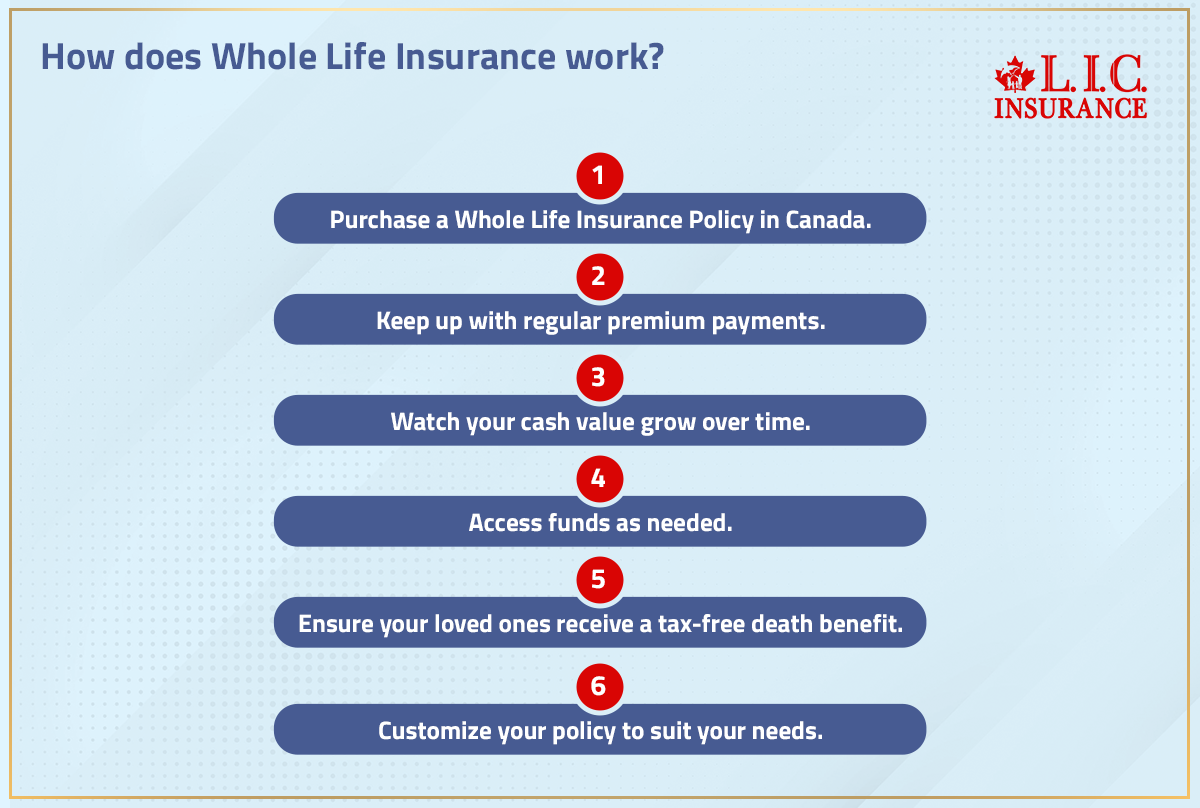
Permanent life insurance, which includes whole life and universal life products, provides lifelong protection as long as premiums are maintained. These policies combine a death benefit with a cash value component that grows on a tax-deferred basis over time.
- Guaranteed Death Benefit: Unlike term insurance, permanent policies do not expire, ensuring that beneficiaries receive the payout regardless of when the insured passes away.
- Cash Value Accumulation: A portion of each premium payment is allocated to a cash value account, which can be borrowed against or withdrawn under specific contractual conditions.
- Fixed Premiums: Traditional whole life policies feature premiums that are locked in at the time of purchase and will never increase over the life of the policy.
Determining the Appropriate Life Insurance Amount
Selecting the correct life insurance amount—the face value of the policy paid out upon the insured's death—is one of the most critical steps in the purchasing process. Under-insuring leaves dependents vulnerable to financial distress, while over-insuring can strain monthly budgets with unnecessary premium costs.
Methods for Calculating Coverage Needs
Financial professionals generally recommend utilizing systematic approaches to determine the required policy amount:
- The DIME Formula: This acronym stands for Debt, Income, Mortgage, and Education. You calculate your total outstanding debts, multiply your annual income by the number of years your family will need support, add the remaining balance on your mortgage, and estimate the future cost of your children's education.
- Income Replacement Multiplier: A common guideline is to purchase coverage equal to 10 to 15 times your annual gross income. This provides a lump sum that, if invested conservatively, can replace the lost earning power over a working lifetime.
- Final Expense Calculation: For older individuals or those focused strictly on end-of-life costs, the insurance amount is tailored to cover funeral arrangements, medical bills left behind, and minor final debts.
| Policy Type | Primary Purpose | Premium Structure | Cash Value Feature | Best Suited For |
|---|---|---|---|---|
| Term Life | Temporary income replacement | Level for a set term (e.g., 10-30 years) | None | Young families, mortgage protection, budget-conscious buyers |
| Whole Life | Lifelong protection and savings | Fixed and permanent | Yes, accumulates over time | Final expenses, estate planning, lifelong dependents |
| Final Expense | Burial and end-of-life costs | Fixed and permanent | Minimal or modest | Seniors seeking to cover immediate post-mortem expenses |
Health Insurance and Supplemental Riders
In addition to death benefit policies, insurers often integrate health-related provisions or offer supplemental health insurance options. Understanding how these health policies interact with life insurance coverage helps create a holistic safety net.
Types of Health and Accident Riders
- Accidental Death Benefit Riders: This provision increases the payout if the insured's death is the result of a covered accident rather than natural causes.
- Waiver of Premium: If the insured becomes totally disabled due to injury or illness, this rider waives future premium payments while keeping the core policy active.
- Accelerated Death Benefit: This allows term or permanent policyholders to access a portion of their life insurance amount early if they are diagnosed with a terminal illness, helping to offset medical expenses.
Evaluating Policy Costs and Underwriting Requirements
Before issuing a policy or locking in a specific life insurance amount, insurance companies conduct underwriting to assess risk. Understanding this process helps applicants prepare and secure more favorable rates.
The Underwriting Process
Underwriting involves evaluating an applicant's age, health history, occupation, lifestyle habits (such as tobacco use), and financial background.
- Medical Exams: Depending on the policy size and type, a paramedical exam involving blood and urine tests may be required.
- Simplified Issue Options: Some policies offer simplified underwriting, which requires answering a series of health-related questions on an application without requiring a physical exam, though these often come with lower maximum coverage amounts and higher relative costs.
- Age and Health Impact: Younger and healthier applicants qualify for lower premium rates per thousand dollars of coverage, making it advantageous to lock in permanent policies earlier in life.
Common Mistakes to Avoid When Choosing Coverage
Navigating insurance contracts can be complex, and policyholders frequently encounter pitfalls that compromise their financial protection.
- Underestimating Financial Obligations: Relying solely on a basic group life insurance policy provided by an employer is often insufficient, as these plans typically offer low coverage multiples (such as one or two times salary) and do not follow you if you change jobs.
- Focusing Exclusively on Price: While keeping premiums manageable is vital, selecting the cheapest policy without examining the financial stability of the insurer or the structure of the contract can result in lapsed coverage or denied claims.
- Neglecting Policy Reviews: Life events such as marriage, the birth of a child, purchasing a home, or starting a business significantly alter your financial liabilities. Failing to adjust your life insurance amount accordingly leaves gaps in protection.
Frequently Asked Questions
What is the difference between term and whole life insurance amounts?
The life insurance amount represents the face value paid to beneficiaries upon death in both policy types. However, term policies provide this coverage for a fixed duration and build no cash value, whereas whole life policies provide lifelong coverage and accumulate a cash value component alongside the death benefit.
How do I know if my chosen life insurance amount is enough?
To verify if your coverage is adequate, conduct a thorough financial audit using the DIME method or an income replacement calculator. Compare your current outstanding debts, future income needs of dependents, and final expenses against the proposed face value of the policy.
Can I change my life insurance amount after the policy is issued?
With term insurance, increasing the coverage amount usually requires applying for a new policy or a supplemental rider, while decreasing it is often permitted. Permanent policies may offer options to adjust the face value, subject to underwriting approval and changes in premium rates.
What happens if I outlive a term life insurance policy?
If you outlive a term policy, the coverage expires, and no death benefit is paid out unless the policy includes a return-of-premium feature. Many policyholders choose to convert their term policy to a permanent plan before expiration to maintain continuous protection.
Are life insurance payouts subject to income tax?
Generally, life insurance death benefits paid to designated beneficiaries are received income tax-free under federal tax laws. However, exceptions can apply if the policy was transferred for valuable consideration or if it is part of a complex taxable estate. Consulting a qualified tax or financial advisor is recommended for specific situations.
Conclusion and Next Actions
Securing the appropriate coverage from an established provider requires balancing your budgetary constraints with your family's long-term financial liabilities. Begin by evaluating your total debt, income replacement requirements, and final expense obligations to determine the correct life insurance amount. Review the structural differences between term and permanent policies to decide which vehicle aligns with your goals, and consult directly with licensed insurance professionals or official company representatives to obtain personalized quotes and verified underwriting guidelines.
Image Gallery