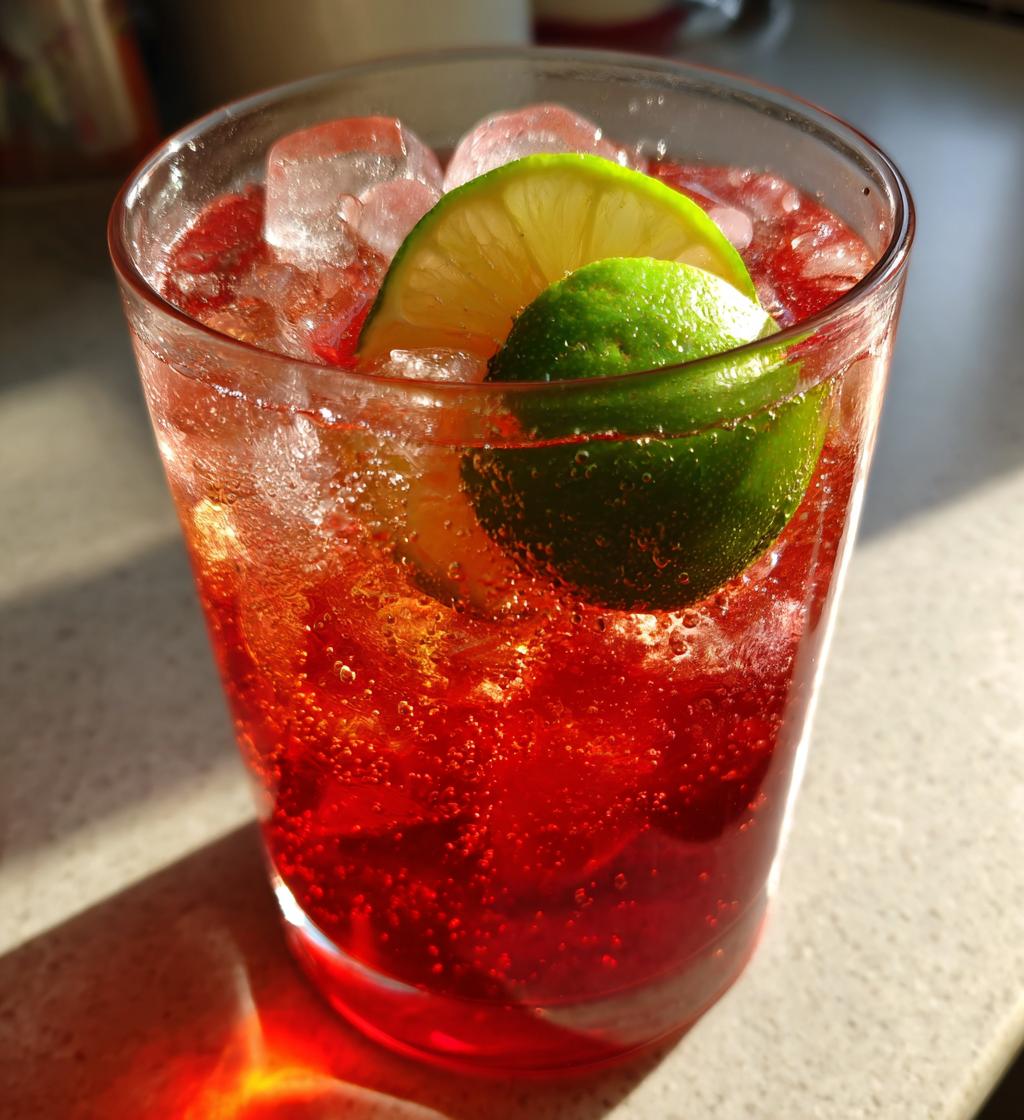
Defining Alcoholic Coolers: Categories, Legal Standards, and Market Classifications in 2026
Alcoholic coolers, frequently categorized as Ready-to-Drink (RTD) beverages or "alcopops," are defined as pre-mixed, flavored drinks that combine an alcohol base—such as malt, spirits, or wine—with fruit juices, sweeteners, and carbona...
Alcoholic coolers, frequently categorized as Ready-to-Drink (RTD) beverages or "alcopops," are defined as pre-mixed, flavored drinks that combine an alcohol base—such as malt, spirits, or wine—with fruit juices, sweeteners, and carbonation. These beverages are distinguished by their "sessionable" alcohol content, typically ranging from 4% to 7% Alcohol by Volume (ABV).
Contents
The definition of "cool drinks alcohol" (a term often used interchangeably with flavored alcoholic beverages or FABs) is not merely a matter of culinary description; it is a rigorous legal and regulatory classification. In 2026, as the global beverage market continues to diversify into "hybrid" categories, understanding how these drinks are defined is essential for manufacturers, retailers, and consumers alike. The classification determines everything from the tax rate applied to the product to where it can be sold and how it must be labeled.
The Core Taxonomy of Alcoholic Coolers
To define an alcoholic cooler accurately, one must first identify the "base" of the alcohol. While the end-consumer may perceive various coolers as tasting similar due to high sugar or fruit juice content, regulatory bodies like the Alcohol and Tobacco Tax and Trade Bureau (TTB) in the United States or the European Commission distinguish them based on the source of fermentation or distillation.
Malt-Based Coolers
The most common category of alcoholic coolers, particularly in North America, is the malt-based beverage. These are technically classified as "beer" under many tax codes because they are derived from the fermentation of malted barley or other grains. However, unlike traditional beer, the "beery" characteristics (color, bitterness, and aroma) are stripped away through carbon filtration to create a neutral base.
This neutral malt base is then flavored with syrups and carbonated. This classification is vital for producers because malt-based drinks generally enjoy lower excise taxes and wider distribution networks (such as grocery and convenience stores) compared to spirit-based alternatives.
Spirit-Based Ready-to-Drink (RTD) Beverages
Spirit-based coolers are defined by the inclusion of a distilled spirit, such as vodka, gin, tequila, or rum. As of 2026, this segment has seen significant growth due to consumer demand for "premiumization." Unlike malt-based coolers, which use a fermented base, these drinks use a high-proof distilled liquor that is diluted with water, juice, and carbonation.
In many jurisdictions, spirit-based RTDs are subject to the same strict regulations as full-strength liquor bottles. This often results in higher retail prices due to steeper excise taxes and restricted sales in specialized liquor stores rather than general retail outlets.
Wine-Based Coolers and Spritzers
The "original" wine cooler of the 1980s defined this category, consisting of wine mixed with fruit juice and carbonation. Modern definitions include "aromatized wine products," which must contain at least 50% wine. These are defined by the fermentation of grapes or other fruits. While their popularity fluctuated for decades, the 2026 market shows a resurgence in high-end wine spritzers that market themselves as "clean label" or "natural" alternatives to synthetic alcopops.
The Role of Hard Seltzers in Modern Definitions
By 2026, the definition of an alcoholic cooler has been permanently altered by the "Seltzer Revolution." Hard seltzers are a specific sub-type of cooler defined by their low calorie count, low sugar content, and clear appearance.
Technically, most hard seltzers are malt-based or sugar-based fermented beverages. If the alcohol is derived from fermented cane sugar rather than malted grain, the product is often classified as a "Beer" for tax purposes in the U.S., provided it meets specific flavoring requirements. This distinction is a cornerstone of the industry; by avoiding the "spirit-based" definition, seltzer brands maintain a competitive price point while offering a profile similar to a vodka-soda.
International Regulatory Frameworks
How these drinks are defined varies significantly by geography, which complicates global distribution.
The United States (TTB and FDA)
In the U.S., the TTB oversees most alcoholic beverage definitions. However, a unique "regulatory gap" exists for certain coolers. If a wine-based cooler contains less than 7% ABV, it may fall under the jurisdiction of the Food and Drug Administration (FDA) for labeling purposes, requiring a "Nutrition Facts" panel rather than the standard TTB labeling. This nuance is a critical part of the definition for manufacturers focusing on the low-alcohol segment.
The European Union and United Kingdom
The EU defines these products under the category of "Spirit Drinks" or "Aromatized Wines." In the UK, the "alcopop" label carries specific tax implications. Following the "Alcopop Tax" movements of the early 2000s, many European nations define any beverage that appears to be marketed toward younger demographics through sweet flavor profiles as a high-tax category, regardless of whether the base is malt or spirit.
Manufacturing Standards and Ingredients
To meet the technical definition of an alcoholic cooler in 2026, products typically adhere to a specific structural formula:
- The Base: A neutral fermented malt, fermented sugar, or a diluted distilled spirit.
- The Sweetener: Sucrose, high-fructose corn syrup, or non-nutritive sweeteners like stevia (common in "skinny" versions).
- The Acidulant: Citric acid or malic acid is almost always added to provide a "bite" that mimics fruit freshness and balances the sweetness.
- Carbonation: Most coolers are "forced carbonated" to a level of 2.5 to 3.0 volumes of CO2, providing a mouthfeel similar to soda.
- Stabilizers: Preservatives like potassium sorbate or sodium benzoate are used to prevent secondary fermentation, especially in drinks containing real fruit juice.
Comparison of Alcoholic Cooler Categories
The following table outlines the primary differences in how these beverages are defined and regulated as of 2026.
| Category | Typical Alcohol Base | ABV Range | Primary Tax Classification | Common Examples |
|---|---|---|---|---|
| Malt-Based Cooler | Fermented Malted Barley | 4% – 6% | Beer / Malt Beverage | Flavored Lemonades, Hard Teas |
| Spirit-Based RTD | Vodka, Gin, Tequila | 5% – 10% | Distilled Spirits | Canned G&T, Margarita RTDs |
| Hard Seltzer | Fermented Cane Sugar | 4% – 5% | Beer (Tax Purpose) | Clear, flavored carbonated water |
| Wine Cooler | Grapes / Fruit Wine | 3% – 7% | Wine / Aromatized Wine | Sangria cans, Spritzers |
| Cider-Based FAB | Fermented Apple/Pear | 4% – 8% | Cider | Fruit-flavored hard ciders |
Labeling and Consumer Information Requirements
The definition of an alcoholic cooler is also tied to its visual and textual representation on the packaging. In 2026, regulatory transparency is at an all-time high. A product cannot be defined as a "cool drink alcohol" without meeting the following labeling criteria in most developed markets:
- Alcohol by Volume (ABV): Must be clearly stated, usually on the front of the container.
- Source of Alcohol: In many regions, the label must specify if the drink is "malt-based" or "contains distilled spirits."
- Allergen Statements: Mandatory disclosure of sulfites (common in wine bases) or gluten (common in malt bases).
- Sugar and Caloric Content: While once optional, 2026 standards in many jurisdictions now require caloric transparency for any flavored beverage to combat rising obesity rates.
Challenges in Definition: The "Gray Market" of Hybrids
As we navigate 2026, the lines between these definitions are blurring. "Crossover" beverages—such as a malt-based drink that uses flavors typically associated with high-end spirits—challenge traditional legal definitions. For example, a "Tequila-Style" cooler may contain no actual tequila, instead using agave nectar and a neutral malt base to mimic the flavor profile while maintaining a lower tax rate.
Regulators have responded by tightening "standard of identity" laws. If a product uses the name of a protected spirit (like Bourbon or Cognac) in its definition, it must usually contain that specific distilled spirit, or else be labeled as "imitation" or "flavored with."
Frequently Asked Questions
What is the difference between an alcopop and a hard seltzer?
An alcopop is generally defined by its high sugar content and soda-like flavor profile, often using a malt or spirit base. A hard seltzer is a sub-category of cooler defined by its lack of sugar and clear appearance, usually utilizing a fermented sugar base. While both are "coolers," seltzers target a more health-conscious demographic.
Why are some coolers sold in grocery stores while others are only in liquor stores?
This depends on the alcohol base definition. In many U.S. states and international provinces, malt-based coolers (classified as beer) can be sold in grocery stores. Spirit-based coolers (containing vodka, rum, etc.) are often legally classified as "liquor" and are restricted to licensed dispensaries or liquor stores.
Are "wine coolers" still made with real wine?
By definition, a wine cooler must contain a wine base. However, many products that consumers call wine coolers are actually malt-based flavored beverages. To know for sure, check the "Base" or "Ingredients" section on the label; true wine coolers will list "grape wine" or "fruit wine" as the primary alcohol source.
How does the tax on alcoholic coolers work in 2026?
Taxation is usually tiered. Spirit-based RTDs often pay the highest tax per gallon. Malt-based beverages pay a lower "beer rate." Some countries have implemented a "sugar tax" on top of the alcohol excise tax for coolers with high sucrose levels, further complicating the pricing structure.
Do alcoholic coolers expire?
Yes. Unlike high-proof spirits, coolers have a shelf life, typically 6 to 12 months. Because they have a lower alcohol content and often contain organic ingredients like fruit juice or sugar, they are susceptible to flavor degradation, oxidation, and loss of carbonation over time.
Summary and Next Actions
The definition of "cool drinks alcohol" is a multifaceted concept involving the source of the alcohol, the sugar content, and the regulatory jurisdiction. For the consumer, the primary takeaway is that "coolers" are not a monolithic category; a malt-based lemonade and a canned Vodka Soda are treated very differently by the law, despite appearing in similar packaging.
If you are a consumer looking for lower-calorie options, prioritize products defined as hard seltzers. If you are looking for authentic flavor profiles, seek out spirit-based RTDs, keeping in mind they may carry a higher price tag due to taxation. For those concerned with allergens, always verify whether a cooler is malt-based (contains gluten) or wine/sugar-based (typically gluten-free). Always check the 2026 labeling requirements on the back of the can to ensure the product aligns with your dietary and legal expectations.
Image Gallery