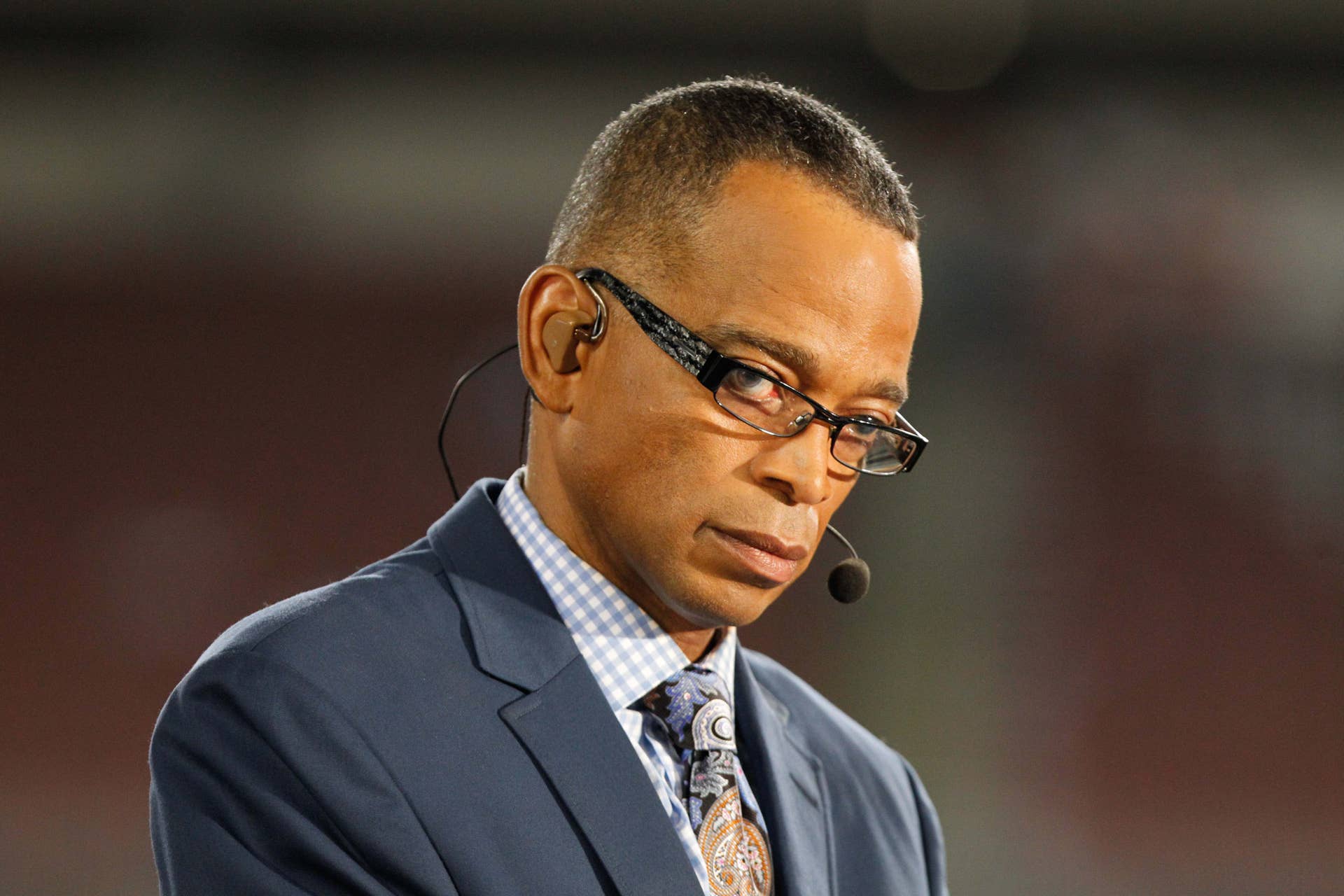
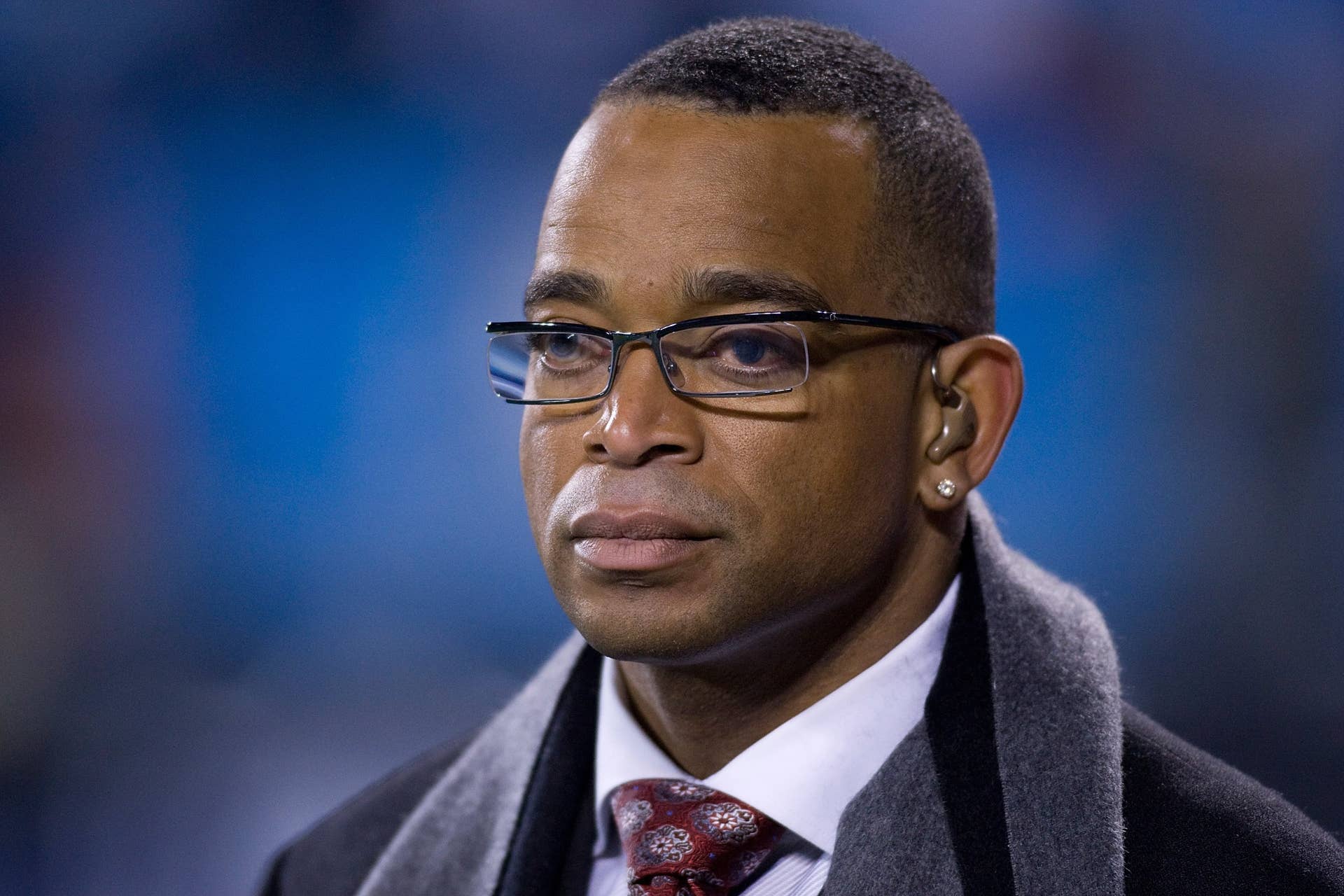
Stuart Scott Salary: Analyzing the Earnings and Legacy of an ESPN Icon
At the peak of his career, Stuart Scott earned an estimated annual salary of $1 million to $2 million as a primary anchor for ESPN. Upon his passing in 2015, his net worth was estimated to be approximately $15 million, a reflection of...
At the peak of his career, Stuart Scott earned an estimated annual salary of $1 million to $2 million as a primary anchor for ESPN. Upon his passing in 2015, his net worth was estimated to be approximately $15 million, a reflection of his two-decade tenure at the "Worldwide Leader in Sports," various endorsement deals, and public speaking engagements.
Contents
Stuart Scott was more than just a television personality; he was a cultural architect who reshaped the landscape of sports journalism. To understand the "Stuart Scott salary" and the financial value he brought to the broadcasting industry, one must look beyond the raw numbers. His compensation reflected a unique blend of journalistic integrity, pop-culture fluency, and a massive audience draw that helped ESPN transition from a cable niche to a global powerhouse.
The Evolution of Stuart Scott’s Earnings at ESPN
Stuart Scott joined ESPN in 1993, coinciding with the launch of ESPN2. At the time, the network was looking for a "younger, hipper" vibe to differentiate the new channel from the main ESPN brand. Scott, with his catchphrases like "Boo-yah!" and "Cool as the other side of the pillow," became the face of this movement.
The Early Years (1993–2000)
During the early 1990s, sports anchor salaries were significantly lower than they are today. Entry-level or mid-tier anchors at national networks typically earned between $75,000 and $150,000. As Scott’s popularity exploded alongside the rise of SportsCenter, his leverage in contract negotiations grew. By the late 90s, he had moved from the secondary "Deuce" to the flagship program, positioning him for his first major six-figure contracts.
The Peak Years (2000–2015)
As ESPN became a multibillion-dollar entity, the salaries for its "Mount Rushmore" of anchors—which included Scott, Dan Patrick, Rich Eisen, and Keith Olbermann—scaled accordingly. While ESPN is notoriously private about its internal payroll, industry insiders and historical reports indicate that Scott reached the seven-figure mark by the mid-2000s.
By the time he received the Jimmy V Award for Perseverance at the 2014 ESPYs, Scott was among the highest-paid individuals at the network. His contract was not just for anchoring SportsCenter; it included his roles on Monday Night Countdown, the NBA on ESPN, and various high-profile specials. This diversified portfolio justified a salary that hovered around $2 million annually in his final years.
Comparing Stuart Scott's Salary to Media Peers
To understand the scale of Stuart Scott’s earnings, it is helpful to compare them to his contemporaries and the modern landscape of 2026. While modern salaries for personalities like Stephen A. Smith have soared past $12 million annually, Scott’s earnings were record-setting for his era.
| Personality | Estimated Peak Annual Salary | Primary Era | Primary Network |
|---|---|---|---|
| Stuart Scott | $1M - $2M | 1993–2015 | ESPN |
| Dan Patrick | $1M - $1.5M | 1989–2007 | ESPN |
| Rich Eisen | $800K - $1.2M | 1996–2003 | ESPN |
| Jim Rome | $5M+ | 2000s - 2010s | Syndicated/CBS |
| Mike Wilbon | $4M - $6M | 2010s - 2020s | ESPN (PTC) |
Note: Salaries are estimates based on historical media reporting and industry benchmarks for the respective periods.
Factors That Influenced Scott's Market Value
Several specific factors allowed Stuart Scott to command a premium salary in an era when many journalists were seen as replaceable components of a news desk.
1. Cultural Resonance and Branding
Scott successfully merged hip-hop culture with sports broadcasting. Before him, the delivery of sports news was often formal and rigid. Scott’s ability to use "street" vernacular in a way that was accessible to a mass audience made him indispensable. Advertisers specifically targeted the demographics that Scott attracted, which in turn increased his value to ESPN’s sales department.
2. Multi-Platform Versatility
Scott was not limited to the studio desk. He was a proficient field reporter, an insightful interviewer for NBA stars, and a capable host for large-scale events. This versatility meant that ESPN did not need to hire three different specialists; they could utilize Scott across their entire programming grid.
3. Public Speaking and Books
Beyond his ESPN salary, Scott’s income was supplemented by his 2015 memoir, Every Day I Fight, and a robust schedule of public speaking engagements. Following his cancer diagnosis in 2007, he became a sought-after motivational speaker, commanding high fees for appearances at corporate events and medical conferences.
The Financial Impact of His Health Battle
Stuart Scott’s battle with appendiceal cancer was highly public and lasted seven years. While health issues often sideline professionals, Scott’s commitment to his work remained steadfast. From a financial perspective, this period involved significant medical expenses, but it also saw a surge in his advocacy work.
It is important to note that ESPN was widely praised for supporting Scott during his illness. In the media industry, contracts often include "morals clauses" or "disability clauses," but ESPN maintained Scott's position and compensation even when he had to undergo grueling chemotherapy treatments. His 2014 contract extension was a testament to the network’s loyalty and his continued value to the brand despite his physical challenges.
Legacy and the V Foundation
When discussing Stuart Scott’s financial footprint, one must include the Stuart Scott Memorial Cancer Research Fund. While this does not represent personal "salary," it represents the redirection of his brand's value toward a lasting cause.
Since its inception via the V Foundation, the fund has raised millions of dollars specifically for minority populations and those disproportionately affected by cancer. In 2026, we see the lasting effects of this fund through targeted research grants and clinical trials that were made possible because of the platform Scott built during his career.
How Sports Broadcasting Salaries Have Changed Since Scott
If Stuart Scott were at the height of his career in 2026, his salary would likely be exponentially higher. The "talent wars" of the early 2020s, driven by the entry of streaming giants like Amazon and Apple into sports broadcasting, have shifted the ceiling.
Top-tier anchors today benefit from:
- Direct Revenue Sharing: Some modern contracts include bonuses based on subscription growth or ad revenue.
- Production Company Deals: High-earning anchors often have their own production companies that sell content back to the networks.
- Social Media Monetization: A personality with Scott's charisma would likely have millions of followers, providing a secondary revenue stream via digital partnerships.
While Scott’s $2 million peak may seem modest compared to the $15 million contracts of 2026, in the context of the early 21st century, he was at the absolute top of the industry pyramid.
Frequently Asked Questions
What was Stuart Scott's net worth at the time of his death?
Stuart Scott’s net worth was estimated at $15 million in 2015. This was the result of his long-term ESPN contracts, real estate investments, book royalties, and endorsements.
Did Stuart Scott receive a payout from his memoir "Every Day I Fight"?
Yes. The book, published shortly after his death, was a New York Times bestseller. The proceeds from the book contributed significantly to his estate and provided financial security for his daughters, Taelor and Sydni.
How does Stuart Scott’s salary compare to modern ESPN anchors like Stephen A. Smith?
Modern salaries are significantly higher due to the inflation of sports media rights and the evolution of the "personality-driven" sports talk format. While Scott earned around $2 million at his peak, current top-tier ESPN talent can earn between $8 million and $12 million annually.
Was Stuart Scott’s medical treatment covered by his contract?
As a full-time, high-level employee of ESPN (a subsidiary of Disney), Scott had access to comprehensive executive health benefits. Furthermore, the network was known to have provided immense flexibility and support for his treatments, which were among the most advanced and expensive available at the time.
What is the Stuart Scott Memorial Cancer Research Fund?
It is a fund established through the V Foundation for Cancer Research. It specifically focuses on addressing the disparities in cancer outcomes for African Americans and other minority communities, ensuring that his legacy continues to have a financial and social impact.
Practical Considerations for Future Media Professionals
Analyzing Stuart Scott’s financial trajectory offers several lessons for those entering the media field:
- Develop a Unique Voice: Scott’s salary was a direct result of his "un-copyable" style.
- Versatility is Key: Being able to shift between news, live events, and long-form interviewing increases your contractual leverage.
- Invest in Your Brand: Scott understood that he was a brand, which allowed him to branch into books and public speaking, diversifying his income beyond a single paycheck.
Stuart Scott's earnings were a reflection of a man who changed the way a generation spoke about sports. While the figures are impressive, his true "salary" was the indelible mark he left on the industry and the lives he influenced through his fight and his "Boo-yah!" spirit.
Image Gallery