Understanding Homeowners Insurance Coverage for Foundation and Roof Repair
Standard homeowners insurance policies are designed to protect against "covered perils," meaning they typically provide coverage for foundation and roof repairs only when the damage results from sudden, accidental events rather than lo...
Standard homeowners insurance policies are designed to protect against "covered perils," meaning they typically provide coverage for foundation and roof repairs only when the damage results from sudden, accidental events rather than long-term neglect or natural wear. Most standard policies exclude damages stemming from earth movement, settling, or inadequate maintenance, making it critical for homeowners to understand the specific triggers that necessitate an insurance claim.
Contents
The Distinction Between Peril and Maintenance
The primary reason homeowners insurance providers deny claims regarding roofs and foundations is the distinction between a "covered peril" and "maintenance." Insurance companies operate under the principle of indemnification, which aims to return the homeowner to their pre-loss condition after a specific, unforeseen incident.
Roof Repair Coverage
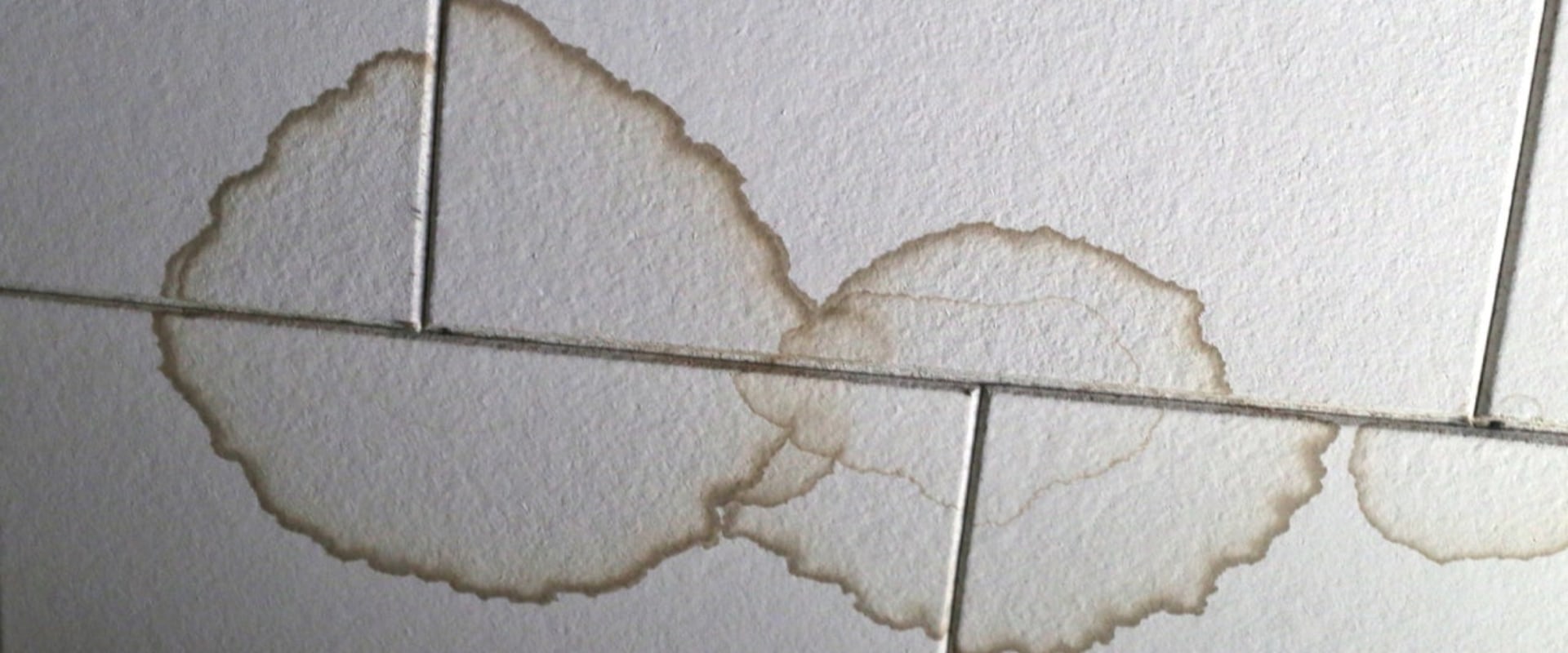
A standard HO-3 policy usually covers your roof for specific perils, such as fire, windstorms, hail, or falling objects (like a tree limb). If a storm rips shingles off or punches a hole through your roof, the insurance company will generally pay to repair or replace the damaged area, minus your deductible. However, if your roof is leaking because it is 25 years old and the shingles have reached the end of their functional lifespan, this is considered deferred maintenance. Insurance is not a warranty; it does not cover the natural degradation of building materials.
Foundation Repair Coverage
Foundation coverage is even more restrictive. Most policies specifically exclude "earth movement," which includes settling, shrinking, expanding, or shifting of the soil beneath your home. Even if your foundation cracks, the insurance company will only cover the cost of repairs if you can prove the crack was caused by a covered peril, such as a localized water pipe burst or an explosion. If the foundation shifted due to seismic activity or expansive clay soils, standard policies will almost never cover the resulting structural repairs.
Why Verification and Documentation Matter
When you encounter damage to your foundation or roof, the burden of proof rests on you, the policyholder. Because insurance companies often lead with an initial denial based on the "wear and tear" exclusion, you must be prepared to demonstrate that an external, accidental event caused the damage.
- Professional Inspection: Before filing a claim, hire an independent structural engineer or a reputable, licensed roofing contractor. Ask them to provide a written report detailing the cause of the damage. A report that identifies a specific storm event or a sudden plumbing failure is far more valuable than one that simply notes a crack or a leak.
- Maintenance Records: Keep a digital or physical file of all home maintenance. Receipts for roof inspections, gutter cleanings, and foundation check-ups serve as evidence that you have been a responsible homeowner. This counters arguments that the damage is a result of negligence.
- Photographic Evidence: Document the damage immediately. If a tree fell on your roof, photograph the tree, the point of impact, and the interior water damage. Do not wait for a claims adjuster to arrive before capturing high-quality images.
Comparison: What is Typically Covered vs. Excluded
The following table provides a general overview of how insurance carriers evaluate common claims. Note that specific language varies by state and individual policy endorsements.
| Damage Cause | Roof Coverage Status | Foundation Coverage Status |
|---|---|---|
| Sudden Wind/Hail | Usually Covered | Excluded |
| Falling Object | Covered | Rarely Covered |
| Age/Wear and Tear | Not Covered | Not Covered |
| Burst Internal Pipe | Rarely Covered | Often Covered |
| Earth Movement | Not Covered | Not Covered |
| Fire/Lightning | Covered | Covered |
The Role of Endorsements and Specialized Coverage
If you live in an area prone to specific risks, such as seismic activity or extreme weather, a standard HO-3 policy may be insufficient. You may need to purchase endorsements or separate policies to bridge the gap in your coverage.
- Sewer Backup Endorsement: If a pipe bursts inside or under your foundation, this endorsement can often pay for the resulting water cleanup and the subsequent foundation repair work.
- Earthquake Insurance: Standard policies explicitly exclude earthquakes. If you live in an area where tectonic shifts are common, you must purchase a separate earthquake policy or a rider to cover foundation cracking caused by earth movement.
- Roof Replacement Cost vs. Actual Cash Value (ACV): Check your policy to see if you have "Replacement Cost" coverage or "Actual Cash Value." ACV accounts for depreciation, meaning if your 20-year-old roof is damaged, the insurance company may only pay a fraction of the cost to replace it because it has already lost most of its value. Replacement cost coverage is generally more beneficial for long-term homeowners.
Common Mistakes That Lead to Claim Denials
Many homeowners inadvertently jeopardize their ability to collect on a valid claim through common procedural errors. Understanding these pitfalls is essential to ensuring your coverage is applied correctly.
- Delayed Reporting: Insurance policies often require that you report a loss "promptly." If you notice a minor leak in your roof and wait two years to address it, the resulting structural rot will be blamed on your inaction rather than the original storm. Always report damage as soon as you become aware of it.
- Unauthorized Permanent Repairs: While you are encouraged to make "emergency repairs" to prevent further damage (like covering a hole with a tarp), do not pay for permanent repairs or full-scale replacements before the insurance adjuster has inspected the property. Doing so can make it impossible for the company to verify the extent and cause of the original damage.
- Mixing Maintenance with Claims: Attempting to force an insurer to pay for a new roof because of a small hail event, when the roof was already failing due to age, is often viewed as insurance fraud. Be honest with your adjuster about the condition of your home.
Frequently Asked Questions
1. Does homeowners insurance cover a roof leak caused by old age? No. Insurance is designed to cover sudden, accidental events. If your roof leaks because the materials have degraded over time, the repair costs are considered your responsibility as part of the maintenance of your home.
2. What should I do if my foundation is cracking? First, contact a structural engineer. You need to determine the cause of the crack. If it is due to simple settling, it will not be covered. If it is caused by a sudden event, such as a water main break, document the event and contact your insurance provider immediately.
3. Is there a statute of limitations for filing a claim? Yes. State laws and your specific policy language dictate how long you have to file a claim. However, waiting too long—even if within the legal deadline—can make it difficult to prove that the damage was caused by a covered event rather than subsequent neglect.
4. Does insurance cover the entire foundation if only one section is cracked? Generally, insurance covers only the damage caused by the peril. If a localized event caused a crack, they may pay for the repair of that specific area, but they are typically not responsible for the entire foundation unless that entire structure was compromised by the covered event.
Next Steps for Homeowners
If you are concerned about your coverage, the most proactive step is to conduct a "coverage audit" of your policy. Request a summary of your policy from your agent and specifically ask about "Earth Movement" exclusions and "Roof Depreciation" schedules. For many homeowners, the best protection is not insurance, but a preventative maintenance schedule that keeps roofs cleared and ensures that water is consistently directed away from the foundation. If you have significant concerns about structural integrity, hiring a professional for an annual inspection is the most reliable way to mitigate risk before a major failure occurs.
Image Gallery