Effectiveness and Safety of Expired EpiPens: What You Need to Know
In a life-threatening allergic emergency, an expired EpiPen (epinephrine auto-injector) is generally considered better than no treatment at all. While the potency of the medication decreases after the expiration date, research indicate...
In a life-threatening allergic emergency, an expired EpiPen (epinephrine auto-injector) is generally considered better than no treatment at all. While the potency of the medication decreases after the expiration date, research indicates that most devices retain a significant amount of active epinephrine for months or even years. However, medical professionals strongly advise replacing expired units immediately to ensure maximum efficacy and reliability.
Contents
Epinephrine is a highly sensitive medication, and its stability is the primary concern when an auto-injector passes its "use by" date. Understanding the nuances of drug degradation, the results of clinical studies on expired devices, and the visual cues of a compromised pen can be the difference between a successful intervention and a tragic outcome during anaphylaxis. As of 2026, while delivery technology continues to evolve, the chemical properties of epinephrine remain constant, requiring strict adherence to storage and replacement guidelines.
The Science of Epinephrine Degradation
Epinephrine, also known as adrenaline, is a hormone and medication used to treat anaphylaxis by narrowing blood vessels and opening airways in the lungs. Chemically, it is an extremely unstable molecule that is susceptible to oxidation. Manufacturers include the expiration date—usually 12 to 18 months from the date of production—to guarantee that the drug remains at 100% potency and is free of harmful degradation products.
When epinephrine is exposed to light, heat, or oxygen, it begins to break down. The oxidation process transforms the clear liquid into a substance called adrenochrome. This chemical change is usually signaled by a shift in color. If you look through the "viewing window" of an EpiPen and see a pinkish, brownish, or cloudy tint, the medication has oxidized. At this stage, the drug is not only less effective but could potentially be irritative, though the primary danger is the lack of life-saving potency rather than the toxicity of the degraded fluid.
Because anaphylaxis progresses rapidly, a reduction in potency can be fatal. In a severe reaction, the body requires a specific concentration of epinephrine to reverse the systemic drop in blood pressure and the swelling of the airway. An expired pen might only provide 60% or 70% of the required dose, which may fail to stop the progression of the allergic reaction.
What Research Says About Expired Devices
Several clinical studies have investigated the actual potency of epinephrine in auto-injectors past their expiration dates. One of the most cited studies, published in the Journal of Allergy and Clinical Immunology, examined devices that had been expired for up to 50 months.
The researchers found that while potency does decline, it does so more slowly than the expiration label might suggest. Devices that were one year past their expiration date often still contained over 90% of the labeled dose of epinephrine. Even those that were nearly four years past their expiration date typically maintained more than 80% potency.
However, there is a critical caveat to this research: storage conditions. Most studied devices had been kept in controlled environments. In real-world scenarios, EpiPens are often carried in purses, left in hot cars, or stored in cold medicine cabinets, all of which accelerate the breakdown of the medication. Consequently, while a laboratory-stored pen might work three years later, a pen kept in a backpack during a hot summer might lose its effectiveness much faster.
Visual Inspection and Physical Integrity
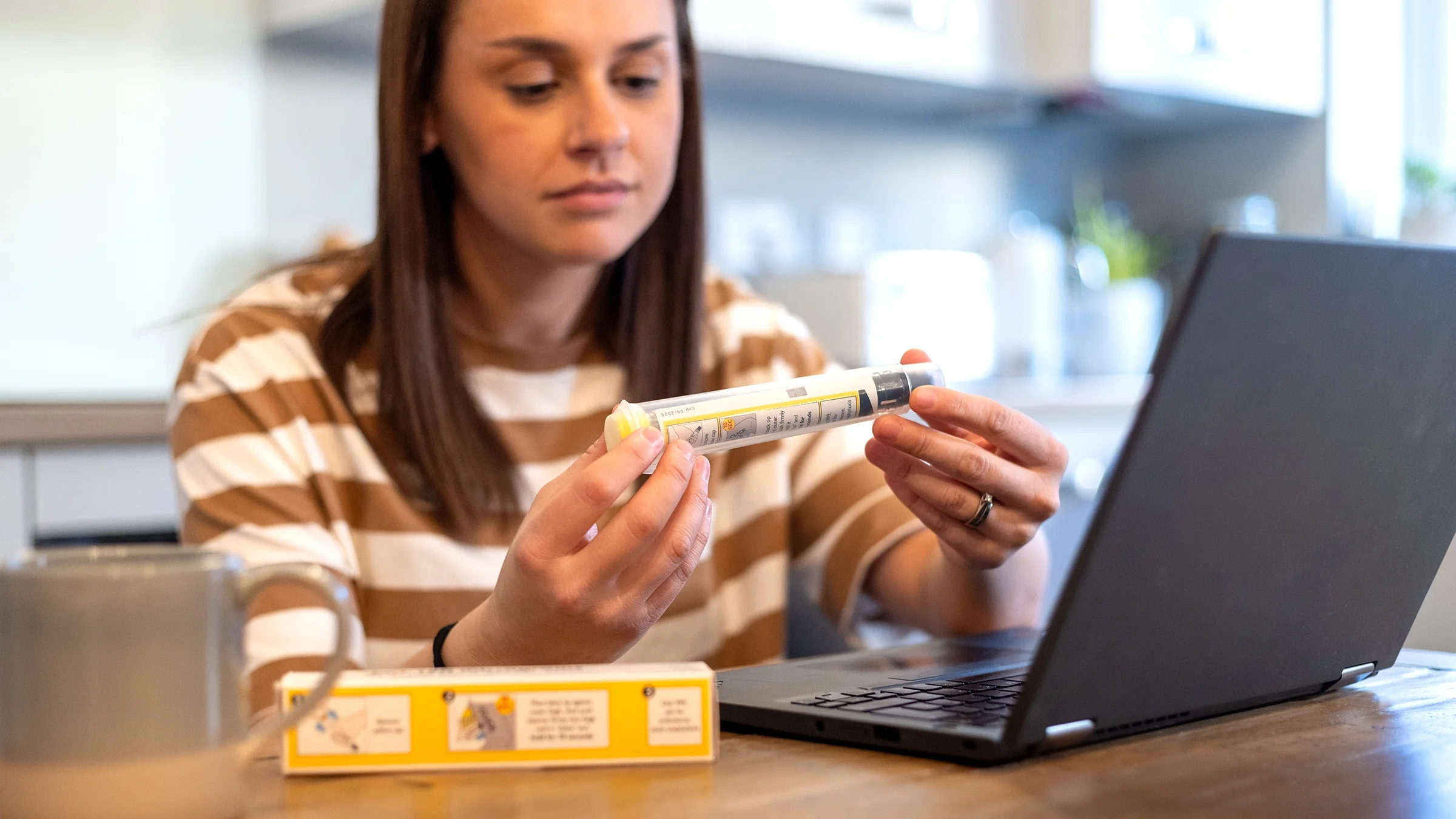
Before relying on any auto-injector, you must perform a visual inspection. This is the most reliable way to gauge if the medication is still viable in an emergency situation where no other options exist.
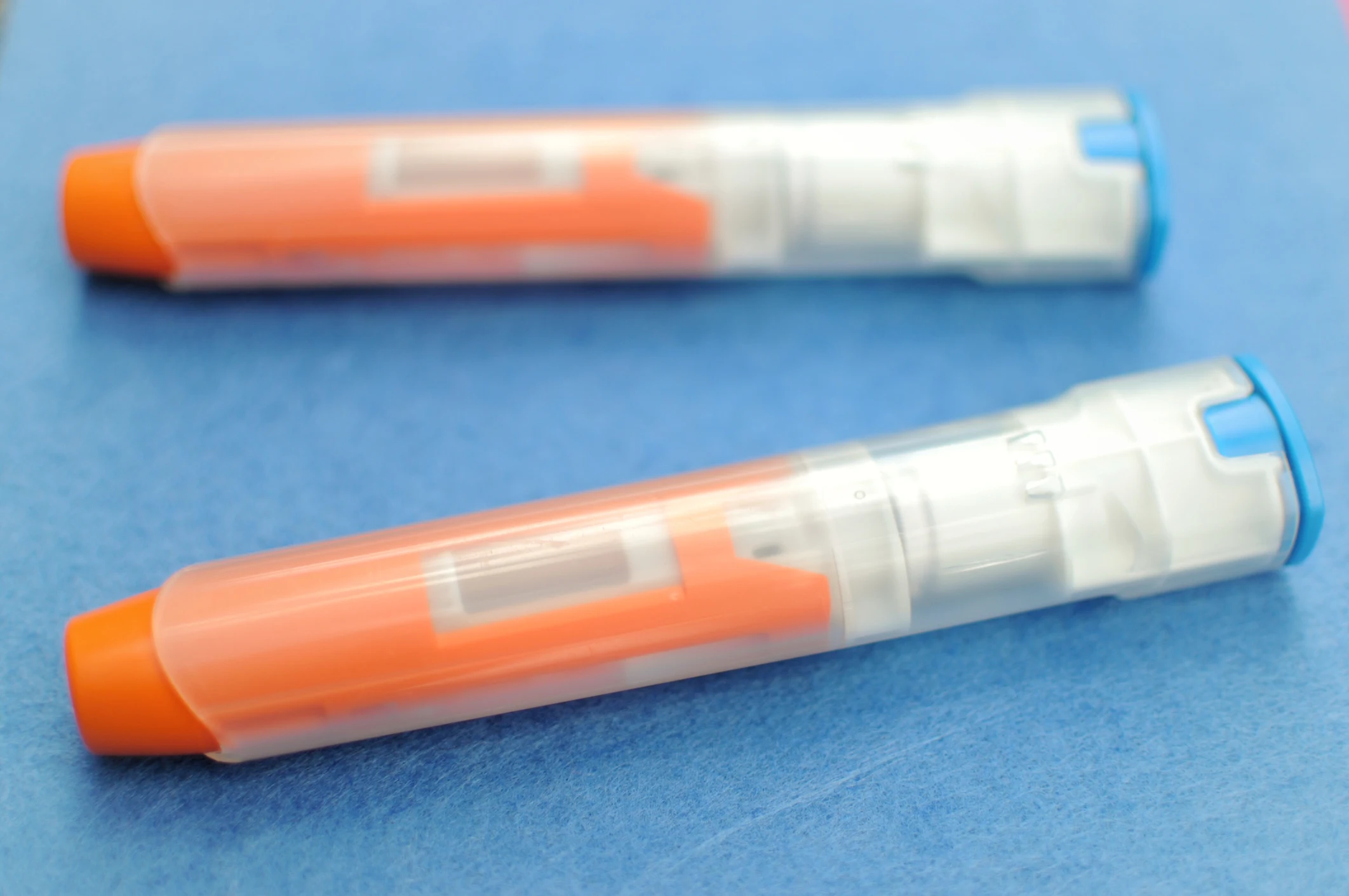
- The Viewing Window: All EpiPens and generic equivalents feature a clear window near the tip. The liquid inside should be crystal clear.
- Color Changes: If the liquid is pink, it indicates the early stages of oxidation. If it is brown, it is significantly degraded. In both cases, the medication's ability to stimulate the heart and relax the lungs is severely compromised.
- Turbidity: If the liquid appears cloudy or contains visible particles (precipitates), the pen should not be used unless it is the absolute last resort and no other medical help is available.
- Mechanical Function: Aside from the drug itself, the firing mechanism (the spring-loaded needle) can occasionally fail or become stuck if the device is old or has been dropped. While rare, the mechanical reliability of the device is only guaranteed by the manufacturer up to the expiration date.
Comparative Overview of EpiPen Viability
The following table outlines the expected status and recommended actions for epinephrine auto-injectors based on their age and physical appearance as of 2026.
| Device Status | Potency Level | Appearance | Recommended Action |
|---|---|---|---|
| Unexpired | 100% | Crystal Clear | Primary choice for any emergency. |
| Expired < 1 Year | ~90% - 95% | Crystal Clear | Use only if an unexpired pen is unavailable. Replace immediately. |
| Expired 1–3 Years | ~70% - 85% | Clear to Slight Tint | Use only if no other option exists. Expect reduced efficacy. |
| Discolored/Cloudy | Low to Unknown | Pink, Brown, or Opaque | Highly unreliable. Seek emergency services immediately. |
| Damaged Housing | Variable | Any | Do not rely on; the needle may not deploy correctly. |
Storage Guidelines to Prevent Premature Failure
To ensure your EpiPen remains effective until its expiration date, proper storage is non-negotiable. Epinephrine is sensitive to "temperature excursions," which are periods of time spent outside the recommended temperature range.
- Temperature Range: Manufacturers recommend storing the devices at room temperature, ideally between 68°F and 77°F (20°C to 25°C). While brief trips into temperatures between 59°F and 86°F (15°C to 30°C) are acceptable, sustained heat or cold is damaging.
- Avoid the "Glove Box" Trap: Never store an auto-injector in a car's glove compartment or trunk. In the summer, car interiors can easily exceed 120°F, which can degrade epinephrine in a matter of days.
- Keep it Dark: Epinephrine is photosensitive. While the carrier tube provides some protection, keeping the device inside its original packaging or a dedicated insulated medical bag helps maintain its stability.
- Do Not Refrigerate or Freeze: Excessive cold can damage the mechanical components of the auto-injector and may affect the solubility of the medication.
The Legal and Safety Consensus
The American Academy of Allergy, Asthma & Immunology (AAAAI) and the FDA maintain a consistent stance: always carry an unexpired epinephrine auto-injector. If you find yourself in a situation where a patient is experiencing anaphylaxis and the only available EpiPen is expired, administer it anyway.
The risk of receiving a slightly less potent dose of medicine is far outweighed by the risk of receiving no medicine at all during a systemic allergic reaction. Anaphylaxis can lead to death within minutes if the airway closes or if the patient enters cardiovascular shock. Even an expired pen can provide enough of a "bridge" to keep the patient stable until emergency medical services (EMS) arrive with fresh supplies and advanced life support equipment.
In 2026, many insurance providers and pharmacy programs have streamlined the replacement process. Many manufacturers now offer "Expiration Reminders" via mobile apps that notify users three months before their device is set to expire, providing ample time to secure a new prescription and navigate insurance authorizations.
Frequently Asked Questions
Can an expired EpiPen be dangerous or toxic?
There is no evidence to suggest that expired epinephrine becomes toxic to humans. The danger of using an expired device is not that it will poison the patient, but that it will fail to provide the life-saving physiological response needed to stop anaphylaxis. The degradation products of epinephrine are generally inert in the quantities found in an auto-injector.
Why do EpiPens expire so quickly?
The expiration date is relatively short because epinephrine is a highly reactive molecule. Manufacturers must guarantee that the drug works perfectly in a crisis. Because these devices are often carried in varying environments (pockets, purses, cars), the 12–18 month window is the maximum timeframe during which the manufacturer can legally guarantee 100% stability.
If I use an expired EpiPen, do I still need to go to the ER?
Yes. Regardless of whether the EpiPen is fresh or expired, you must seek emergency medical attention immediately after administration. Anaphylaxis can have a "biphasic" or secondary reaction, where symptoms return hours after the initial dose wears off. In a hospital setting, doctors can provide intravenous fluids, steroids, and continuous monitoring that an auto-injector cannot.
Will the needle still work on an old device?
In most cases, the mechanical spring and needle assembly remain functional long after the medication has expired. However, if the device has been exposed to extreme moisture (causing internal corrosion) or extreme heat (warping the plastic), there is a small risk of mechanical failure. Always inspect the outer casing for cracks or signs of damage.
How should I dispose of an expired EpiPen?
EpiPens are considered "sharps" and biohazardous waste once used. For unused, expired pens, check with your local pharmacy or fire department. Many participate in take-back programs. Do not simply throw them in the regular trash, as they contain a needle and active medication that could be hazardous to sanitation workers.
Practical Recommendations for 2026
If you discover that your epinephrine auto-injector has expired, your first priority should be contacting your healthcare provider or pharmacist for a replacement. In the interim, keep the expired pen with you; it remains your "Plan B" until the new device is in your hand.
Check the medication's color through the window immediately. If it is clear, you can have a higher degree of confidence in its potential efficacy. If it is discolored, your urgency to replace it should be even higher. Additionally, consider utilizing modern resources such as digital pharmacy subscriptions or manufacturer coupons from companies like Viatris or Teva, which can significantly reduce the out-of-pocket costs for these life-saving tools. Never attempt to "save" an unexpired pen for a "worse" emergency—use the most viable device you have as soon as symptoms of anaphylaxis appear.
Image Gallery