Navigating the Disadvantages of Guaranteed Universal Life Insurance
Guaranteed Universal Life (GUL) insurance is a permanent policy designed to provide a death benefit for the duration of a policyholder's life, provided that required premiums are paid. While it offers a level of cost-predictability and...
Guaranteed Universal Life (GUL) insurance is a permanent policy designed to provide a death benefit for the duration of a policyholder's life, provided that required premiums are paid. While it offers a level of cost-predictability and security absent in traditional universal life products, the disadvantages often stem from its lack of cash value accumulation, rigid premium structures, and high cancellation costs.
Contents
Understanding the Structure of Guaranteed Universal Life Insurance
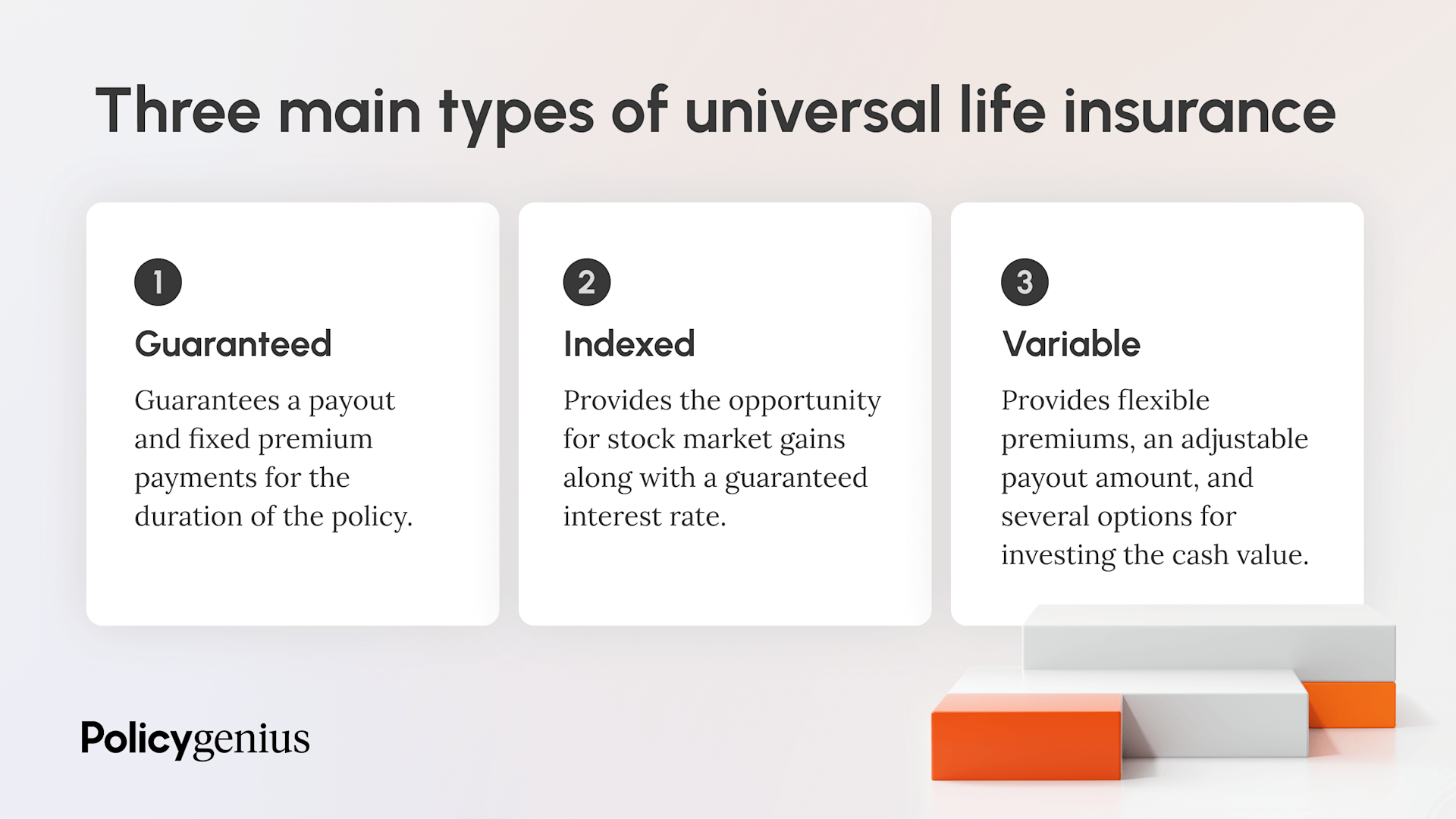
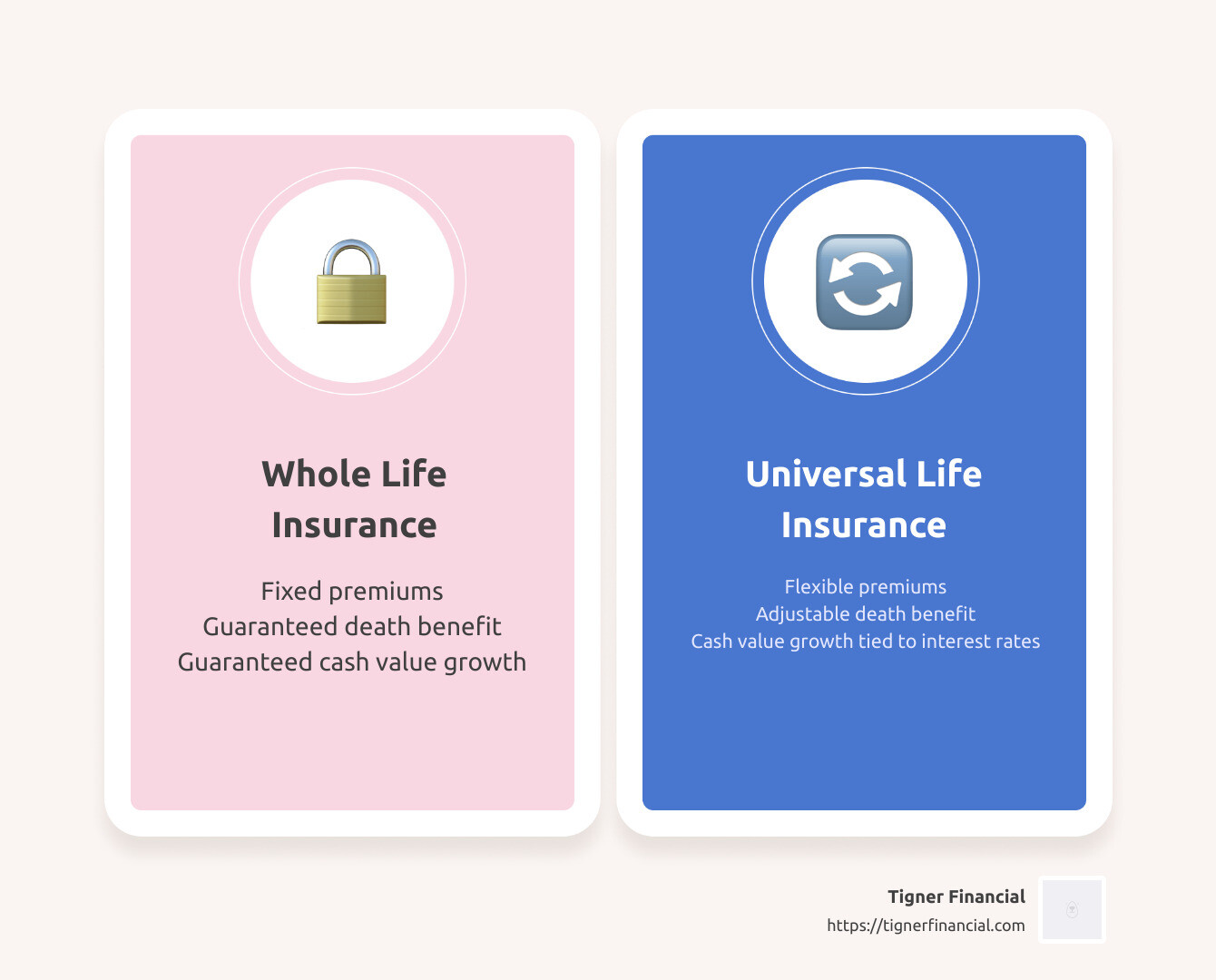
To understand the drawbacks of GUL, one must first recognize its unique position within the life insurance market. Unlike Whole Life insurance, which combines a death benefit with a guaranteed cash value account, or indexed/variable universal life, which link cash value to market performance, GUL acts more like a permanent version of term insurance.
The primary feature of a GUL policy is the "no-lapse guarantee." This provision keeps the policy in force regardless of the performance of the underlying account, provided the owner pays the specified premium amounts on time. While this eliminates the risk of a policy imploding due to poor market performance—a common pitfall of other universal life products—it fundamentally strips away the investment-like characteristics often associated with permanent insurance.
1. Absence of Cash Value Growth
For many policyholders, the primary appeal of permanent life insurance is the ability to build cash value over time. This cash value acts as a "forced savings" mechanism that can be borrowed against in emergencies or used to pay premiums later in life.
GUL policies are specifically designed to minimize or completely eliminate cash value. Because the premium is calculated solely to cover the cost of insurance and administrative expenses, there is virtually no excess capital to grow in a sub-account. If your objective is to use your life insurance policy as a vehicle for wealth accumulation or as an emergency liquidity source, a GUL policy will fail to meet your expectations. You are essentially paying for a death benefit that matures upon death, with no secondary financial utility while you are alive.
2. High Risk of Policy Forfeiture
While GUL policies are advertised as "guaranteed," that guarantee is conditional. The most significant disadvantage is the rigid nature of the premium payment schedule. In many contracts, the guarantee is only triggered if you pay the exact premium stipulated in the policy at the exact time requested.
If you miss a premium payment, pay less than the required amount, or make a change to the policy (such as decreasing the death benefit), you may trigger a "re-calculation" of the policy. This can lead to the loss of the no-lapse guarantee. Once the guarantee is stripped, the policy may become a standard, non-guaranteed universal life policy, which carries the risk of total termination if interest rates fail to cover the rising costs of insurance as you age. This "all or nothing" nature makes GUL policies dangerous for individuals with fluctuating incomes.
3. Substantial Surrender Charges
Like many permanent life insurance products, GUL policies feature a "surrender charge period," which can last anywhere from 10 to 20 years. If you decide to cancel the policy because you no longer need the coverage or find the premiums too expensive, the insurance company will deduct a significant penalty from any cash value that might exist.
Given that most GUL policies have little to no cash value, the financial impact of cancelling early is that you essentially lose 100% of the premiums you have paid. There is no "break-even" point in the early years of the policy, making this a poor choice for someone who is not 100% committed to keeping the policy until death.
4. Limited Flexibility Compared to Other Products
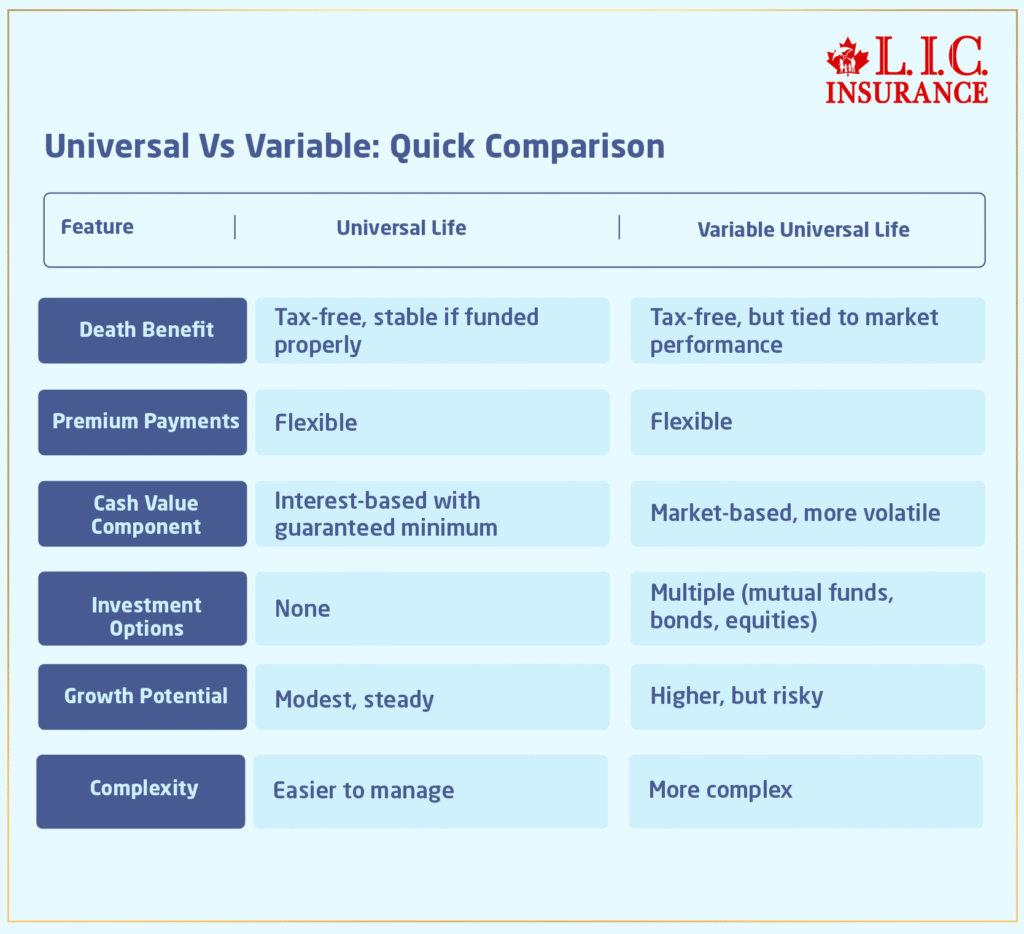
Universal life insurance is marketed on the concept of flexibility. However, GUL is the least flexible of the universal life family. In a typical Variable Universal Life (VUL) or Indexed Universal Life (IUL) policy, a policyholder might be able to adjust premium payments—sometimes even skipping them—if the cash value account is sufficiently funded.
With GUL, if you attempt to exercise this "flexibility" to skip a premium, you risk breaching the terms of your no-lapse guarantee. The policy becomes a rigid, mandatory payment contract. If your financial circumstances improve, you cannot easily "overfund" a GUL policy to turn it into a retirement asset, because the internal structure does not support significant cash accumulation.
5. Inflationary Erosion of the Death Benefit
Because GUL policies are permanent, the death benefit is fixed at the time of purchase. While a $500,000 death benefit may seem substantial today, its purchasing power will inevitably be eroded by inflation over the course of several decades. Unlike policies that offer dividends or market-linked growth (which can potentially increase the death benefit), a standard GUL policy offers no hedge against the rising cost of living. Over a 30-year horizon, the real value of the payout to your beneficiaries could be significantly lower than what you anticipated at the inception of the contract.
Comparison of Permanent Insurance Types
| Feature | Whole Life | Indexed Universal Life | Guaranteed Universal Life |
|---|---|---|---|
| Cash Value | Guaranteed | Market-Linked | Minimal/None |
| Premiums | Fixed | Flexible | Rigid (for guarantee) |
| Guarantee | Death Benefit & Cash | No Lapse (conditional) | No Lapse (conditional) |
| Main Use | Estate Planning | Wealth Accumulation | Estate Liquidity/Final Expense |
Identifying When GUL is Inappropriate
A GUL policy is frequently mis-sold to individuals who are actually looking for investment vehicles. It is vital to avoid GUL if:
- You want a policy that provides cash to supplement retirement income.
- You are uncertain about your ability to maintain consistent premium payments over the next 20 to 30 years.
- You are looking for a product that can grow to keep pace with inflation.
- You view insurance as a tool for diversification rather than purely as a risk-transfer mechanism.
Frequently Asked Questions
Can I switch my GUL policy to another type of insurance later? Most insurers allow for policy exchanges, but they usually require new underwriting. If your health has declined, you may be unable to switch to a policy with better growth features without significantly higher costs.
What happens if I cannot afford the premiums anymore? If you stop paying, the no-lapse guarantee terminates. You may be able to convert the policy to a "reduced paid-up" status, meaning the death benefit is lowered to match what your past premiums can support, but this is subject to specific contract language.
Is GUL a good investment for my children? Generally, no. Because there is no cash value accumulation, the policy offers no financial utility for your children beyond the death benefit. Other forms of life insurance, such as Whole Life, are better suited for intergenerational wealth transfer.
Does the insurance company have to notify me if I am at risk of losing my guarantee? While many states have regulations requiring notice of potential lapse, it remains the policyholder's responsibility to track premium deadlines. Relying on administrative notices is a common mistake that leads to policy termination.
Are there alternatives to the rigid GUL premium structure? Yes. If you need permanent coverage but desire more flexibility, you might look at "Limited Pay" Whole Life insurance, where premiums are paid in full over 10 or 20 years, after which the policy is fully funded and guaranteed for life.
Final Recommendation
The decision to purchase Guaranteed Universal Life insurance should be viewed through the lens of pure risk management—specifically, the need to provide a set amount of cash for an estate, funeral expenses, or legacy planning with zero market risk. If your goal is strictly death benefit protection and you have high confidence in your long-term financial stability, GUL can be an effective, lower-cost alternative to Whole Life. However, if you have any doubt regarding your future cash flow or desire for cash value, you should prioritize products that offer greater flexibility or market participation, even if those options carry higher price tags or investment risks. Consult with a fee-only financial advisor to stress-test your premium payment projections before committing to a multi-decade contract.
Image Gallery