The Robert Frank Camera in Photographic History
In the history of 20th-century photography, the Robert Frank camera—most notably the Leica IIIf—represents the pivotal tool that transitioned the medium from rigid, formal compositions to a raw, spontaneous, and deeply personal visual...
In the history of 20th-century photography, the Robert Frank camera—most notably the Leica IIIf—represents the pivotal tool that transitioned the medium from rigid, formal compositions to a raw, spontaneous, and deeply personal visual language. By utilizing the Leica's portability and the newly released high-speed Tri-X film, Frank dismantled the "Decisive Moment" aesthetic, favoring grain, blur, and emotional honesty.
Contents
The Tool of a Revolution: The Leica IIIf
When Robert Frank set out on his Guggenheim-funded road trip across the United States in 1955, he did not carry the bulky medium-format equipment common among commercial or academic photographers of the era. Instead, he relied primarily on the Leica IIIf, a 35mm rangefinder camera that had become the pinnacle of German optical engineering by the early 1950s.
The Leica IIIf was a "screw-mount" (LTM) camera, a predecessor to the more famous M-series. For Frank, this camera was more than a device; it was an extension of his hand and eye. Its compact size allowed him to blend into crowds at political rallies, diners, and bus stations without the intrusion of a larger press camera. Unlike the twin-lens reflex cameras used by his contemporary and mentor Walker Evans, the Leica allowed for rapid-fire shooting and a perspective that felt lived-in rather than observed.
In photographic history, the choice of the 35mm format was initially met with skepticism by the art establishment. Critics of the late 1950s often viewed 35mm negatives as "sloppy" or "unprofessional" due to the grain inherent in enlarging such small frames. However, Frank leaned into these limitations. The Leica IIIf’s mechanical reliability and quiet shutter were essential for capturing the unposed, often gritty reality of American life that eventually became his seminal work, The Americans.
Technical Specifications and the 35mm Aesthetic
Understanding the Robert Frank camera requires an analysis of its technical constraints. The Leica IIIf featured a dual-window system: one for focusing the rangefinder and another for framing the shot. This required a level of tactile familiarity that Frank mastered to the point of being able to "shoot from the hip."
Key Specifications of Frank’s Primary Equipment
| Feature | Leica IIIf (Black Dial/Red Dial) | Leica M3 (Later Usage) |
|---|---|---|
| Production Era | 1950–1957 | 1954–1966 |
| Mount Type | M39 Screw Mount (LTM) | Leica M-Bayonet |
| Viewfinder | Separate Focus/Framing | Integrated with Frame Lines |
| Primary Lens | 35mm Summaron / 50mm Elmar | 35mm Summicron / 50mm Summicron |
| Film Advance | Knob Wind | Rapid-Lever Wind |
| Impact on The Americans | Primary tool for 1955–56 trip | Used for later edits and New York shots |
Frank’s use of the 35mm Summaron and 50mm Elmar lenses defined the look of The Americans. The 35mm lens, in particular, offered a wide enough field of view to include the environment—the jukeboxes, the highways, and the faces of the disenfranchised—while remaining close enough to convey intimacy.
The Role of Kodak Tri-X Film
The "Robert Frank camera" cannot be discussed in isolation from the film it held. In 1954, Kodak introduced Tri-X (TX) film in 35mm format. With a nominal speed of ASA 400 (now ISO), it was significantly faster than the standard films of the day. This technological leap allowed Frank to shoot in low-light environments—dimly lit bars, evening streets, and interior bus cabins—without a flash.
By pushing the film (developing it longer than recommended), Frank increased the contrast and grain. This "available light" photography was a radical departure from the balanced, well-lit photojournalism of Life magazine. The grain became a textural element of the story, symbolizing the friction and "dirt" of the American dream that Frank was documenting. By 2026, this "Lo-Fi" aesthetic remains a primary influence on both film and digital street photography.
Transition to the Leica M3 and Moving Images
While the IIIf was the workhorse of his cross-country journey, Frank eventually adopted the Leica M3, which was released in 1954. The M3 featured a much brighter, integrated viewfinder and a bayonet mount that allowed for faster lens changes. The transition to the M-system marked a shift in Frank’s workflow, moving toward the even more fluid "street" style that would later be championed by photographers like Garry Winogrand.
However, Frank’s relationship with the still camera eventually fractured. Following the success and controversy of The Americans, he famously pivoted toward filmmaking. His first film, Pull My Daisy (1959), utilized 16mm cameras like the Bolex H16. This move was an admission that the single frame, even one captured with the precision of a Leica, could not fully contain the "beat" energy of the 1960s. Even in his cinematic work, the "Frank style"—shaky, handheld, and unapologetically raw—mirrored the techniques he developed with his 35mm rangefinders.
Breaking the "Decisive Moment"
Before Robert Frank, the gold standard for 35mm photography was Henri Cartier-Bresson's "Decisive Moment." This philosophy emphasized perfect geometry, balance, and the capturing of a peak instant where all elements aligned.
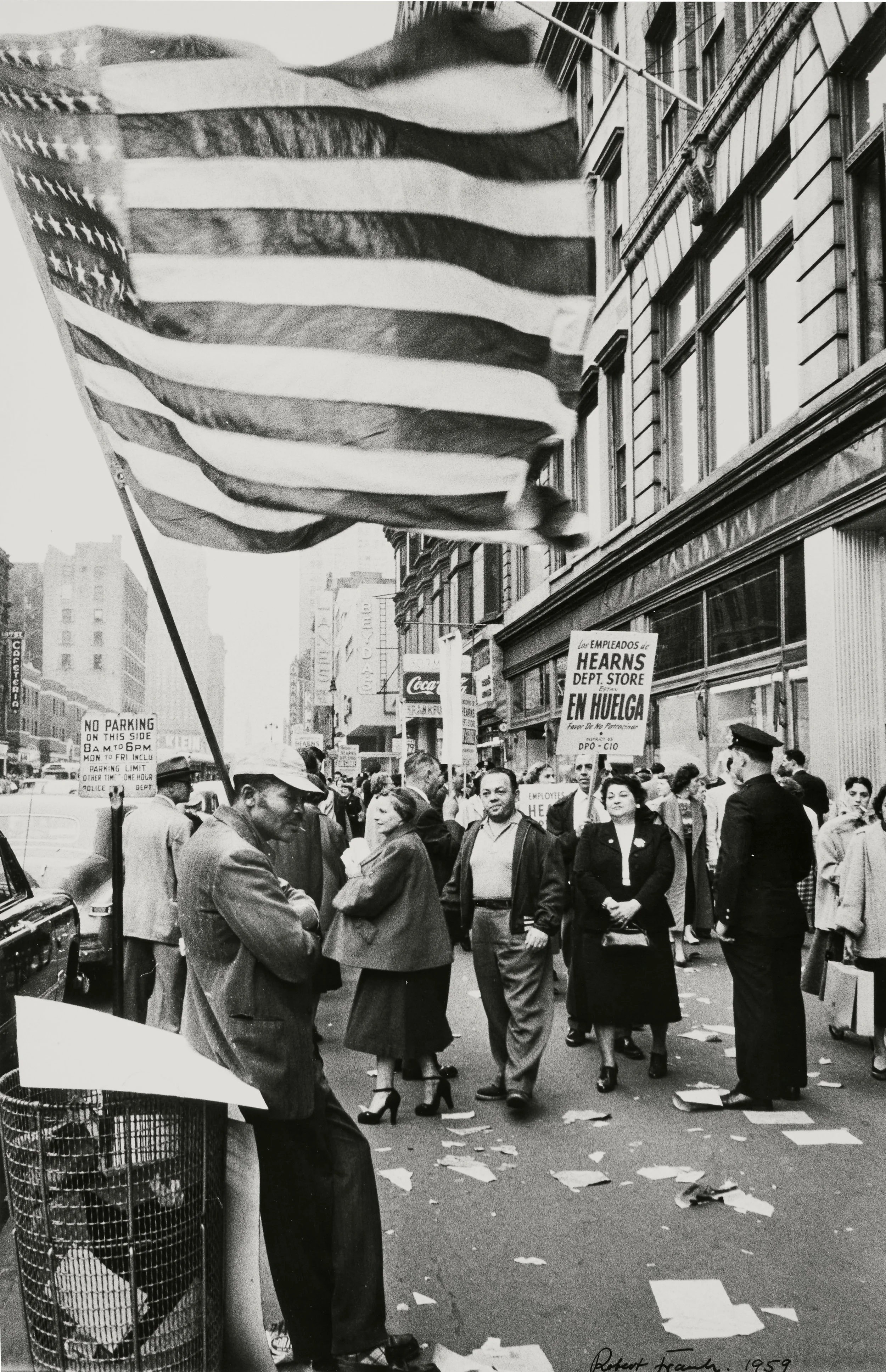
Frank’s camera was used to capture the indecisive moment. He purposefully included tilted horizons, out-of-focus foregrounds, and motion blur. In photographic history, this was a revolutionary act. He proved that a photograph could be "badly" taken by traditional standards but be "good" by emotional and narrative ones.
As of 2026, art historians categorize this shift as the birth of the "Personal Documentary" style. Frank was not interested in being an objective journalist; he was a subjective poet. The camera was his diary. This influence is seen today in the ubiquity of smartphone photography that prioritizes "vibe" and feeling over technical perfection.
The Legacy of the Frank Aesthetic in 2026
Seven decades after Robert Frank set out on his journey, the market for the cameras he used remains robust. Collectors and practitioners often seek out "Red Dial" Leica IIIfs to replicate the tactile experience of the 1950s. The 35mm format, once the underdog, is now the standard by which all digital sensors are measured ("Full Frame").
The impact of his camera choice extends into the digital era. Modern camera manufacturers frequently design "retro" rangefinders that mimic the form factor and manual controls of Frank’s Leica. This is not merely nostalgia; it is a recognition that the physical act of using a small, unobtrusive camera changes the relationship between the photographer and the subject.
Common Misconceptions About Frank’s Gear
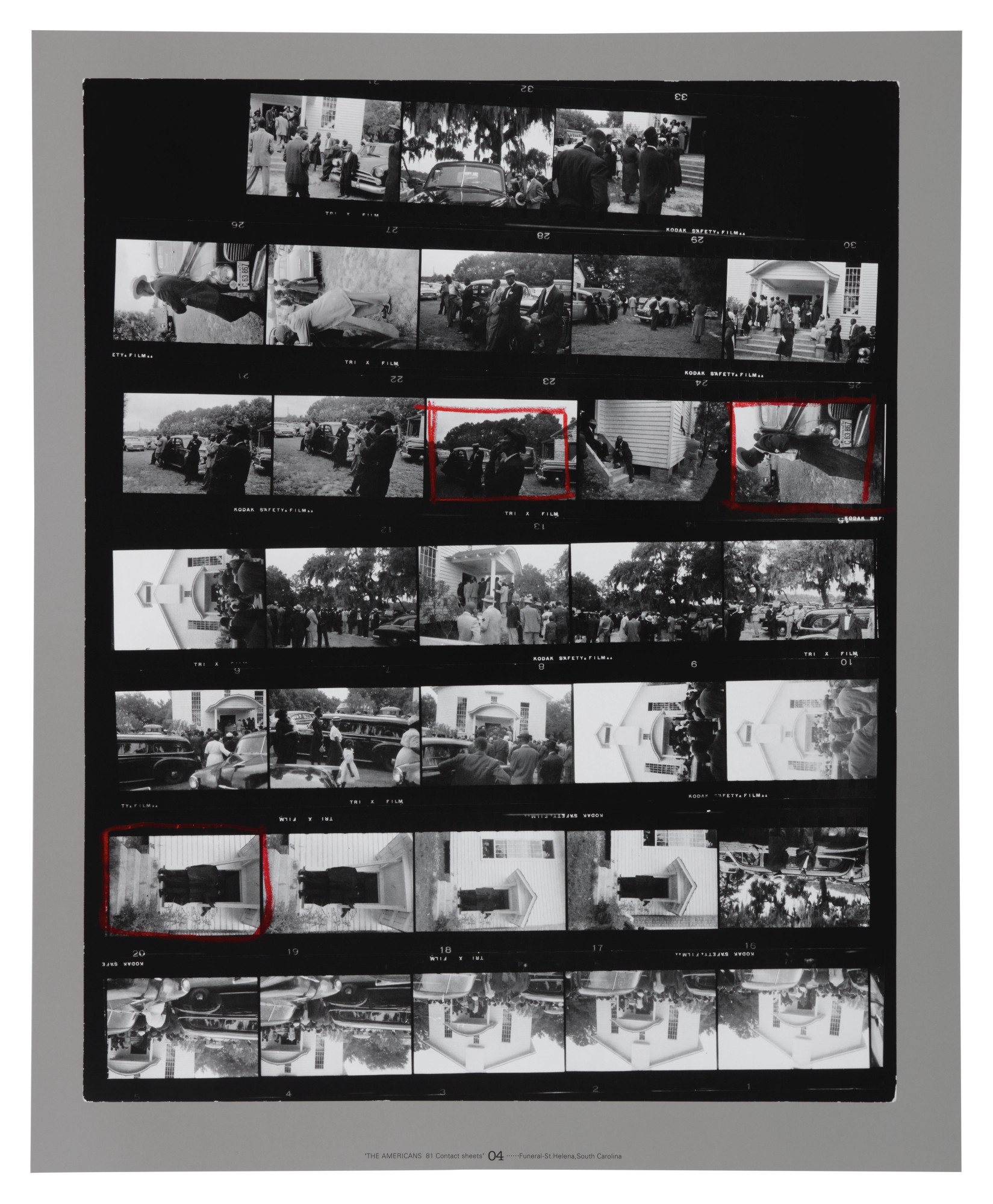
There are several persistent myths regarding the equipment used for The Americans. Some believe Frank used a wide array of cameras, but historical records and contact sheets confirm he was remarkably disciplined, sticking to one or two Leicas and a handful of lenses for the duration of his Guggenheim trip.
Another misconception is that his style was the result of technical ignorance. On the contrary, Frank was a highly trained fashion and commercial photographer before he turned his lens on the United States. His "messy" style was a deliberate choice—a rejection of the polished commercialism he had mastered. He knew how to make a "perfect" image; he simply chose to make a "true" one.
Comparative Analysis: Rangefinder vs. SLR in 1950s History
| Factor | Rangefinder (Leica IIIf) | Single Lens Reflex (Early SLR) |
|---|---|---|
| Discretion | High; small body and quiet cloth shutter. | Low; bulky prisms and loud mirror slap. |
| Focusing | Manual, through a rangefinder patch. | Through the lens (often dim in the 50s). |
| Parallax Error | Present; viewfinder is offset from lens. | None; what you see is what you get. |
| Durability | High; mechanical with few moving parts. | Moderate; complex mirror mechanisms. |
| Frank's Choice | Used for speed, stealth, and portability. | Rejected as too clumsy for "on-the-road" work. |
FAQ
What specific camera did Robert Frank use for The Americans?
Robert Frank primarily used a Leica IIIf 35mm rangefinder camera during his cross-country trip in 1955 and 1956. He also began using a Leica M3 toward the end of the project and in the years following the book's publication. The portability and discretion of the 35mm Leica system were essential to his candid style.
Why did Robert Frank prefer 35mm over medium format?
The 35mm format allowed Frank to be spontaneous and unobtrusive. Medium format cameras of the 1950s were generally larger, slower to operate, and required more careful setup. Frank wanted to capture the "beat" of American life as it happened, which required the speed and high-capacity rolls of 35mm film.
Did Robert Frank use a flash?
Frank almost never used a flash for the photographs in The Americans. He preferred "available light," using high-speed Kodak Tri-X film to capture the natural (and often harsh) lighting of bars, streets, and homes. This lack of flash contributed to the grainy, atmospheric quality of his work.
What lens focal length is most associated with Robert Frank?
He is most associated with the 35mm and 50mm focal lengths. The 35mm lens allowed him to capture the subject within a wider social context, while the 50mm offered a perspective similar to the human eye for more intimate portraits.
Is the Leica IIIf still usable in 2026?
Yes, the Leica IIIf is a fully mechanical camera that remains functional in 2026, provided it has been properly maintained. Many contemporary street photographers still use these cameras to experience the same manual workflow and tactile feedback that Frank utilized in the 1950s.
Practical Recommendation for Photographers
If you wish to explore the "Robert Frank" style in 2026, start by limiting yourself to a single prime lens—either a 35mm or 50mm equivalent. Whether shooting film or digital, prioritize the emotion of the scene over technical perfection. Focus on the edges of society, use available light exclusively, and do not be afraid of grain or motion blur. The ultimate lesson of the Robert Frank camera is that the most important part of the equipment is the person standing behind it and their willingness to see the world without filters.
Image Gallery