Understanding Social Mobility: Definition and Impact in Everyday Life
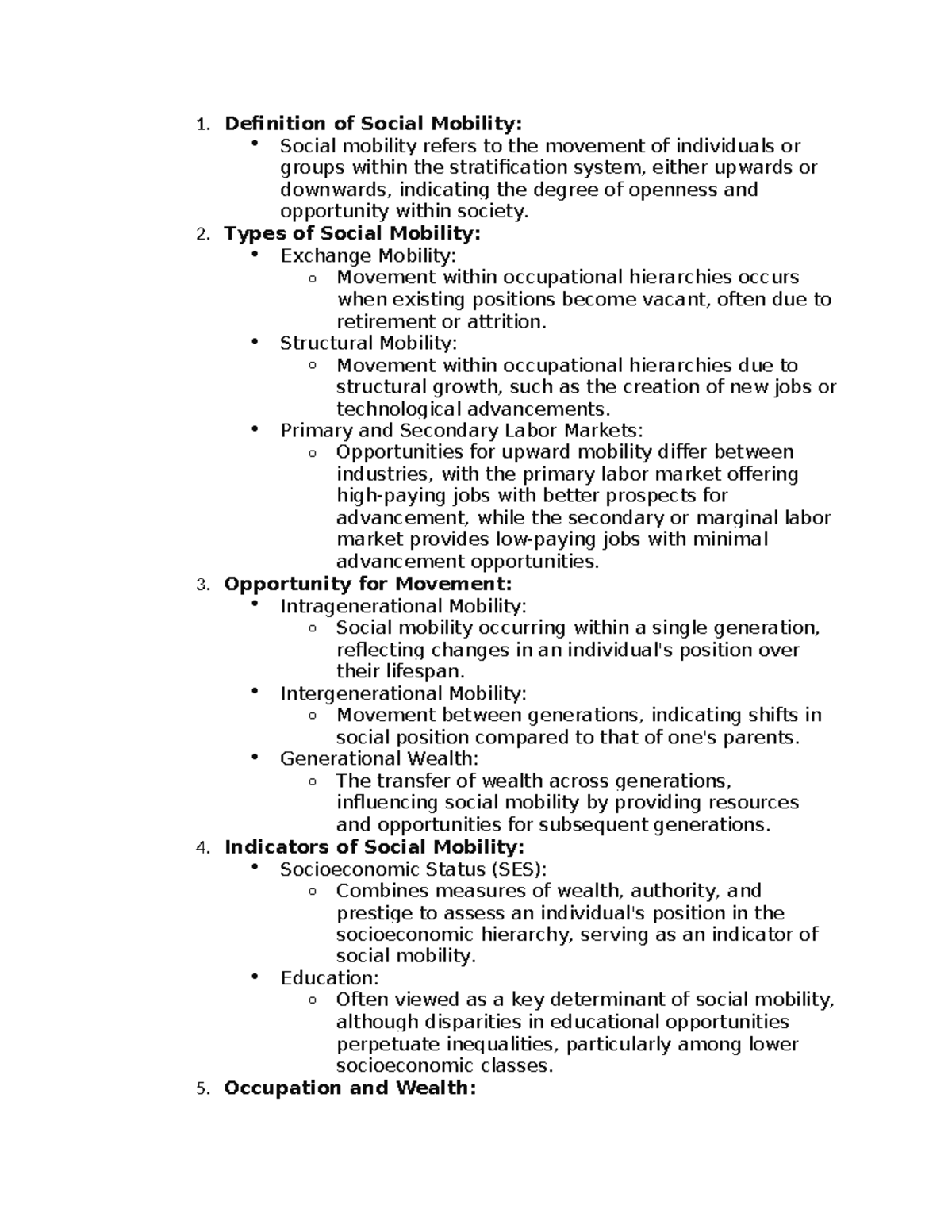
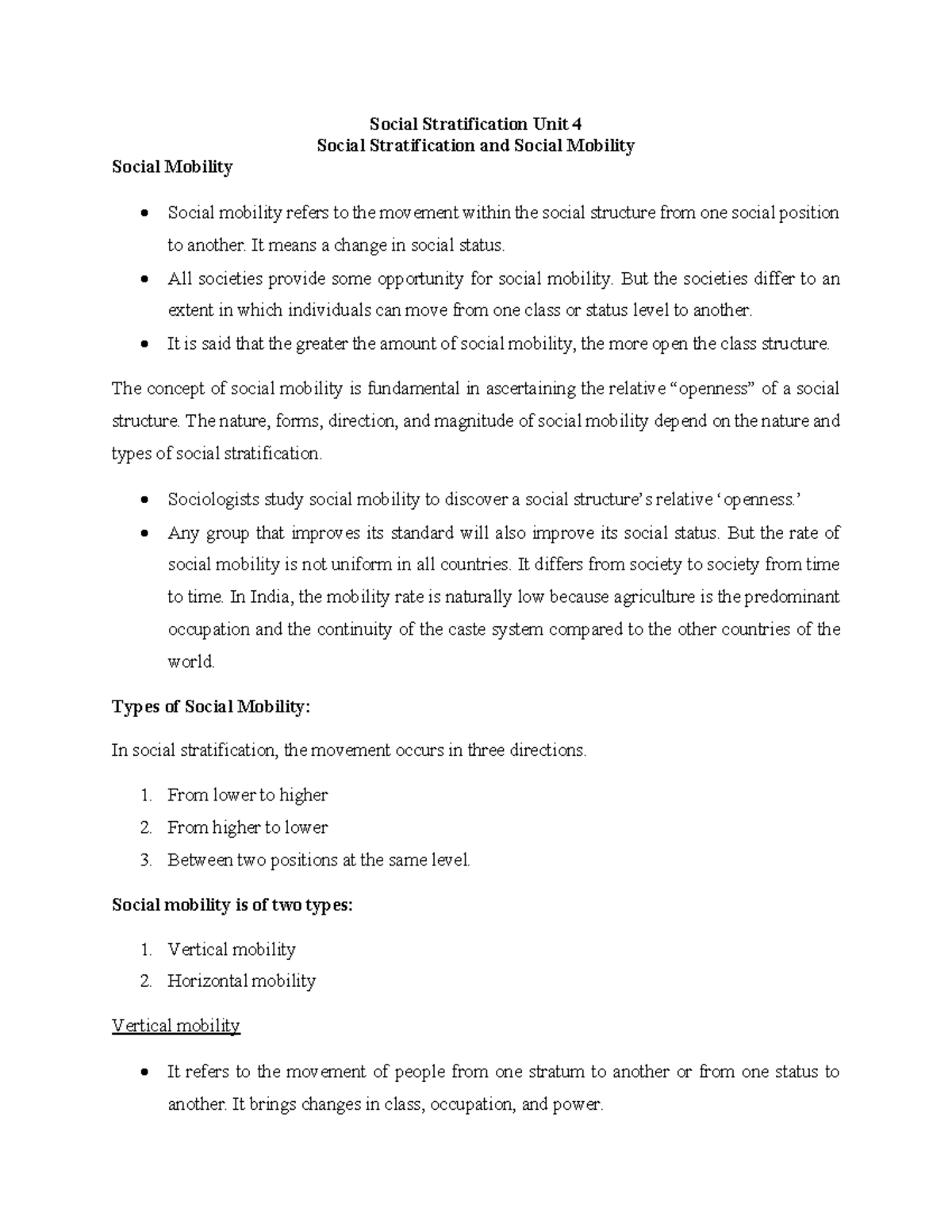
Social mobility refers to the movement of individuals, families, or groups between different layers of a socio-economic hierarchy. It measures how much a person's life outcomes depend on their background versus their own efforts, manif...
Social mobility refers to the movement of individuals, families, or groups between different layers of a socio-economic hierarchy. It measures how much a person's life outcomes depend on their background versus their own efforts, manifesting in everyday life through changes in income, occupation, education level, and social status over time.
Contents
The Core Definition of Social Mobility
At its most fundamental level, social mobility is the "social elevator" of a civilization. In a society with high social mobility, an individual born into a low-income household has a realistic opportunity to achieve a higher standard of living through education, talent, and hard work. Conversely, in a society with low mobility, one's economic destiny is largely predetermined by the circumstances of their birth.
To understand social mobility in everyday life, we must look beyond just bank accounts. It encompasses socio-economic status (SES), which is a blend of wealth, prestige, and power. When we talk about "moving up in the world," we are describing the mechanics of vertical mobility. However, the concept is multi-dimensional, and sociologists generally categorize it into four primary types to better track how people move through social strata.
Vertical vs. Horizontal Mobility
Vertical mobility is the most recognized form. It involves moving up or down the socio-economic ladder. An example of upward vertical mobility is a retail clerk who earns a degree and becomes a corporate manager. Downward vertical mobility occurs when someone loses their status, such as a high-earning professional losing their savings and career due to an economic downturn or personal crisis.
Horizontal mobility, by contrast, involves a change in position that does not alter the individual’s rank in the social hierarchy. If a high school teacher leaves their job to become a corporate trainer at a similar salary and status level, they have experienced horizontal mobility. They have changed their "place" in the workforce, but their "level" remains relatively stable.
Intergenerational vs. Intragenerational Mobility
Intergenerational mobility compares the socio-economic status of children to that of their parents. If you earn significantly more or have a more prestigious career than your parents did at your age, you are experiencing upward intergenerational mobility. This is often viewed as the ultimate measure of a "healthy" society or the fulfillment of the "American Dream."
Intragenerational mobility tracks the changes in an individual's status within their own lifetime. This is often referred to as "career mobility." It looks at how a person starts their working life—perhaps in an entry-level internship—and where they end up 30 years later. In 2026, with the rapid acceleration of AI and automation, intragenerational mobility has become more volatile, as professionals must frequently upskill to maintain or improve their status.
How Social Mobility Manifests in Everyday Life
Social mobility isn't just an academic statistic; it is a lived experience that dictates the quality of one's daily existence. It influences where you live, the quality of the food you eat, the healthcare you receive, and the social circles you inhabit.
The "ZIP Code" Effect
One of the most tangible markers of social mobility is geography. Research, such as the Opportunity Insights project, has shown that the neighborhood a child grows up in is one of the strongest predictors of their future earnings. In everyday life, this manifests as "the geography of opportunity." Higher-mobility areas typically offer better-funded schools, safer streets, and more robust "weak tie" networks—acquaintances who can provide job leads or professional advice. When a family moves from a distressed area to a high-opportunity neighborhood, they are often making a strategic bet on the social mobility of the next generation.
Education and the "Paper Ceiling"
For decades, higher education was considered the primary engine of social mobility. In 2026, this remains true, but the landscape has shifted. While a university degree still provides a significant "wage premium," the cost of education has created a "debt anchor" that can actually slow downward mobility for some graduates. Furthermore, we are seeing the rise of "skills-based hiring," where individuals use certifications and micro-credentials to bypass the traditional "paper ceiling" (the requirement for a four-year degree). This allows for faster upward mobility for those in technical or creative trades who might not have had the resources for a traditional university path.
Cultural Capital and Social Integration
A less visible but equally powerful aspect of social mobility in everyday life is cultural capital. This term, coined by Pierre Bourdieu, refers to the social assets of a person (education, intellect, style of speech, even hobbies) that promote social mobility in a stratified society.
In everyday life, cultural capital is the "code-switching" an individual does to fit into a professional environment. It is the ability to navigate a formal dinner, understand corporate jargon, or engage in "small talk" that builds rapport with high-status peers. Those moving upward often feel a sense of "habitus clivé"—a divided identity where they no longer fully belong to their class of origin but do not yet feel comfortable in their new socio-economic tier.
Barriers to Social Mobility in 2026
While the desire for upward movement is universal, the path is often obstructed by systemic barriers. Understanding these obstacles is crucial for a realistic view of how mobility works (or fails to work) today.
- The Digital Divide: In 2026, access to high-speed internet and the latest AI productivity tools is a prerequisite for most high-paying roles. Those without "tech-fluency" are often relegated to stagnant or declining economic sectors.
- Health Inequity: Chronic health issues are a major driver of downward mobility. The inability to afford preventative care or the loss of income due to illness can rapidly deplete a family's "mobility cushion."
- Cost of Living and Asset Accumulation: High housing costs in "superstar cities" act as a barrier to those from lower-income backgrounds. If you cannot afford to live where the high-paying jobs are, your mobility is capped by your local economy.
- Social Segregation: As societies become more polarized, people tend to live and socialize only with others in their same socio-economic bracket. This limits the "bridging social capital" necessary for someone to find mentors or opportunities outside their immediate circle.
Comparing Absolute and Relative Mobility
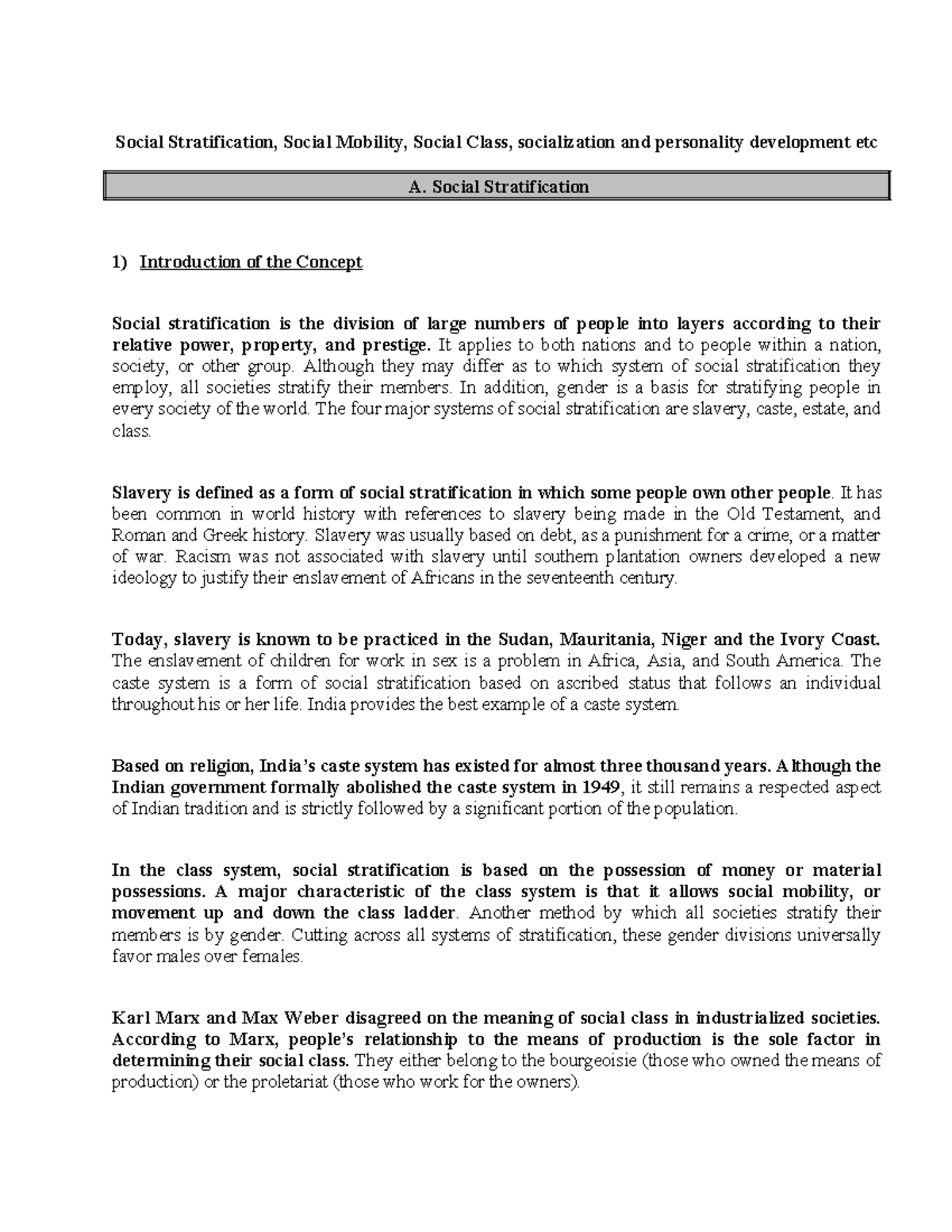
To truly understand the "def" (definition) of social mobility, one must distinguish between absolute and relative mobility. These two metrics tell very different stories about the state of a nation.
| Metric | Focus | Example | Significance |
|---|---|---|---|
| Absolute Mobility | Are you better off than your parents in terms of total income? | Earning $60k when your parents earned $40k (adjusted for inflation). | Measures overall economic growth and rising standards of living. |
| Relative Mobility | Where do you sit in the ranking of the whole population compared to your parents? | Moving from the bottom 20% to the top 20% of earners. | Measures the "fairness" or fluidity of the social structure. |
| Sticky Floors | The inability of those at the bottom to move up. | Remaining in the bottom 10% for multiple generations. | Indicates deep systemic inequality or lack of opportunity. |
| Sticky Ceilings | The tendency of those at the top to stay at the top. | Wealthy families using private networks to secure elite roles for children. | Indicates a lack of meritocracy where privilege is self-perpetuating. |
The Role of Social and Human Capital
Human capital refers to the individual's skills, knowledge, and experience. In the 2026 economy, human capital is highly portable. A software engineer or a specialized nurse can move across borders and industries, facilitating both horizontal and vertical mobility.
Social capital, however, is about networks. It is "who you know."
- Bonding Social Capital: Deep ties with family and close friends (important for emotional support but often limited in professional range).
- Bridging Social Capital: Weak ties with acquaintances from different backgrounds (crucial for finding new jobs and accessing new social circles).
In everyday life, the most mobile individuals are often those who consciously work to expand their bridging social capital, putting themselves in environments—professional associations, community boards, or diverse volunteer groups—where they encounter people outside their usual socio-economic bubble.
Strategies for Navigating Social Mobility
If you are looking to increase your own mobility or understand how to support it in others, consider these actionable steps:
- Prioritize Continuous Upskilling: In 2026, skills have a shorter "half-life." Use platforms like LinkedIn Learning or specialized industry certifications to keep your human capital relevant.
- Build "Weak Ties": Don't just network within your current company. Join cross-industry groups where you can meet people two or three "steps" ahead of you on the ladder.
- Financial Literacy: Upward mobility is often lost through a lack of asset management. Moving from a "labor-based" income to an "asset-based" income (investments, real estate) is a hallmark of sustainable upward mobility.
- Geographic Flexibility: If your current location offers limited growth, look for "emerging hubs" where the cost of living is lower but the industry growth is high.
Frequently Asked Questions
Is social mobility declining in 2026?
While absolute mobility (earning more than parents) remains possible due to technology and growth, relative mobility has become "stickier" in many developed nations. High housing costs and the rising cost of elite education make it harder for those at the bottom to break into the top tiers compared to the mid-20th century.
What is the "Social Elevator"?
The social elevator is a metaphor for the mechanisms that allow for upward mobility. When the elevator "breaks," it means that despite working hard, individuals find themselves stuck on the same floor due to systemic barriers like lack of healthcare, poor education, or discriminatory hiring practices.
How does social mobility differ from income equality?
Income equality measures the gap between the rich and the poor at a single point in time. Social mobility measures the movement between those groups over time. A country could have high income inequality but also high social mobility (meaning the gap is wide, but anyone can cross it).
Can social mobility be downward?
Yes. Downward mobility is a significant risk during economic shifts. In 2026, many middle-management roles are being reshaped by automation. Individuals who do not adapt may find their "real wages" and social status declining, a phenomenon often called "class sliding."
Why is social mobility important for a country?
High mobility is linked to higher GDP growth and social stability. When people believe they have a fair shot at success, they are more likely to invest in their own education, take entrepreneurial risks, and participate positively in civic life.
Practical Recommendation
To practically apply the concept of social mobility to your life in 2026, perform a Capital Audit. Assess your human capital (What skills do I have that the market currently values?), your social capital (Who do I know outside my current circle?), and your cultural capital (Do I understand the "unwritten rules" of the level I want to reach?). By identifying which "capital" is lacking, you can make targeted moves—such as finding a mentor or earning a new certification—to activate your own social elevator.
Image Gallery