The Four Types of Auto Insurance: A Comprehensive Guide to Coverage in 2026
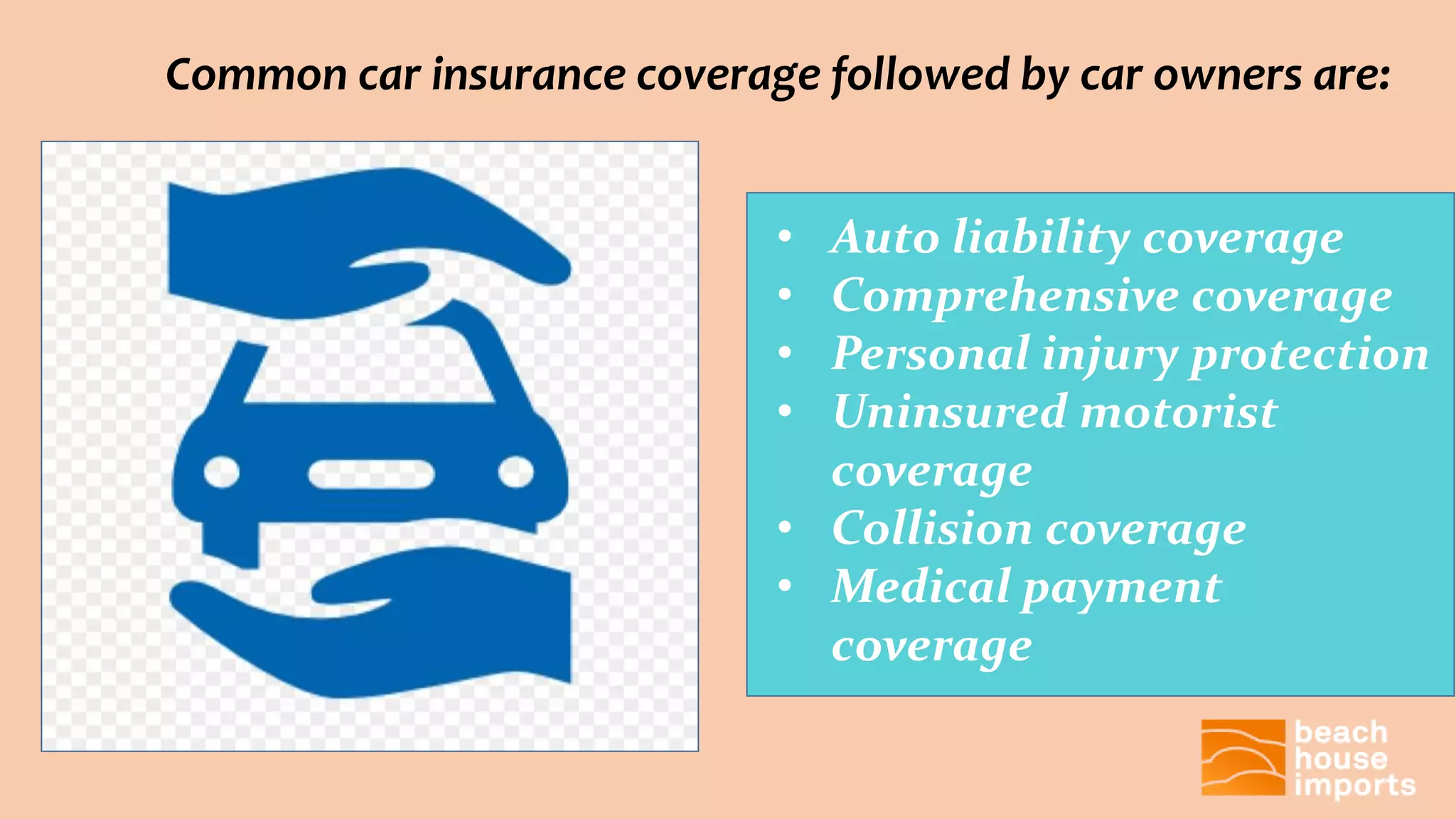
The four primary types of auto insurance are liability, collision, comprehensive, and uninsured/underinsured motorist coverage. Together, these components form the foundation of a standard policy, protecting you against legal claims, v...
The four primary types of auto insurance are liability, collision, comprehensive, and uninsured/underinsured motorist coverage. Together, these components form the foundation of a standard policy, protecting you against legal claims, vehicle damage from accidents, non-collision events like theft or weather, and incidents involving drivers who lack sufficient insurance protection.
Contents
Auto insurance serves as a critical financial safety net, but understanding how specific coverages interact is essential for both legal compliance and asset protection. As we move through 2026, rising vehicle replacement costs and increased medical expenses have made it more important than ever to look beyond state minimum requirements. While many drivers view insurance as a single "product," it is actually a bundle of distinct protections, each designed to address a specific financial risk.
1. Liability Insurance: The Legal Foundation
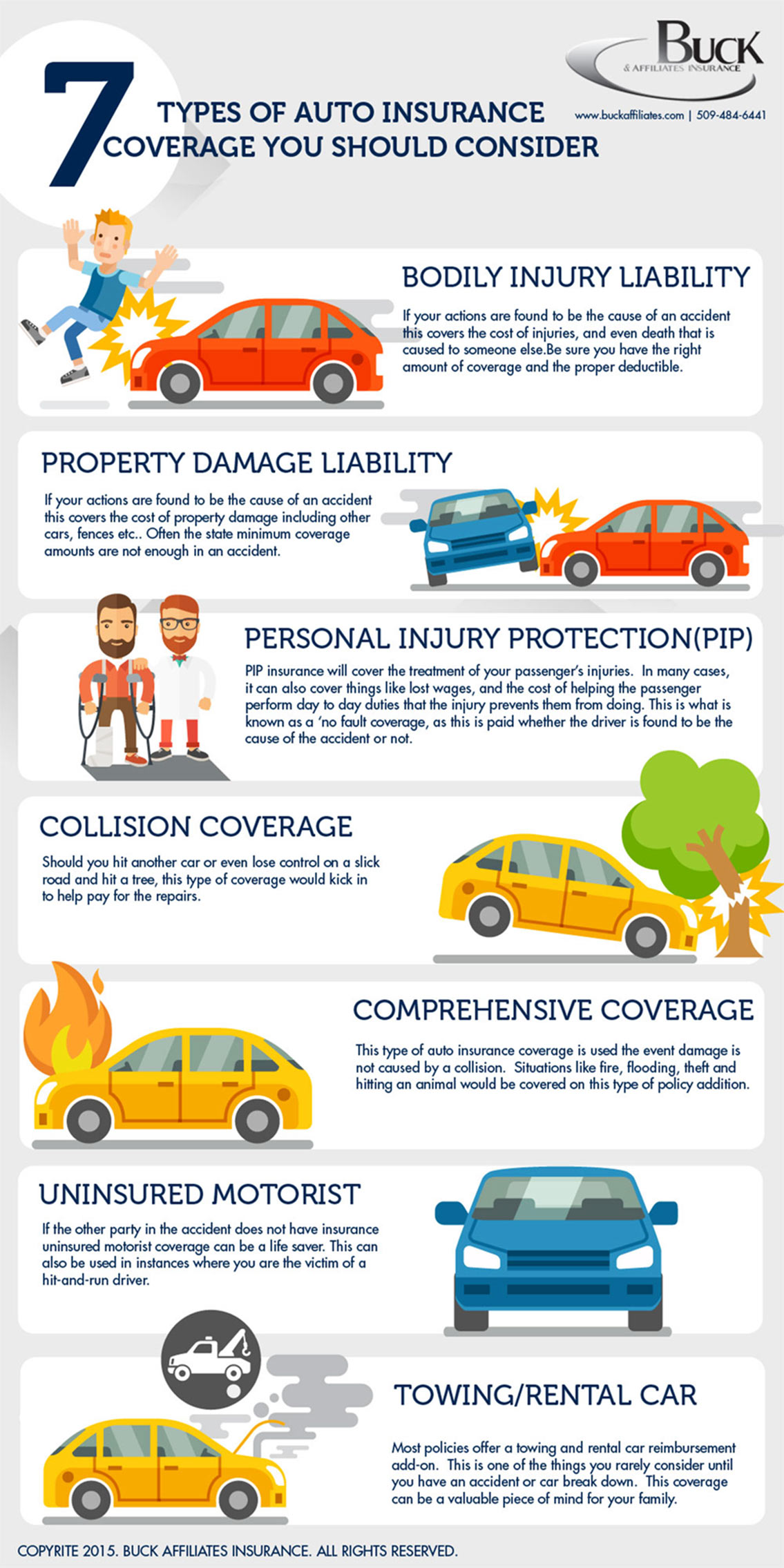
Liability insurance is the most fundamental component of an auto policy and is legally required in nearly every jurisdiction. Its primary purpose is to protect your assets if you are found at fault for an accident that causes injury or property damage to others. It does not cover your own injuries or your own vehicle; rather, it pays for the losses you cause to third parties.
Liability coverage is typically broken down into two distinct parts: Bodily Injury (BI) and Property Damage (PD). In 2026, most insurance providers present these as "split limits," represented by three numbers (e.g., 100/300/50).
- Bodily Injury Liability: This covers the medical bills, lost wages, and pain and suffering of other people involved in an accident you caused. The first number in a split limit represents the maximum the policy will pay per person, while the second number represents the total maximum per accident, regardless of how many people are injured.
- Property Damage Liability: This covers repairs to the other driver’s vehicle, as well as damage to stationary objects like fences, utility poles, or buildings. This is represented by the third number in the split limit.
In the current economic landscape of 2026, maintaining only the state-mandated minimum liability limits can be a significant financial risk. With the average cost of a new electric vehicle or high-tech SUV often exceeding $60,000, a minimum property damage limit of $25,000 is often insufficient to cover a total loss. If your liability limits are exhausted, the injured party can pursue your personal assets, including savings and future earnings, to cover the remaining balance.
2. Collision Insurance: Protecting Your Vehicle Investment
While liability covers the "other guy," collision insurance is designed to pay for repairs to your own vehicle following an accident. Regardless of who is at fault, collision coverage triggers when your car hits another vehicle or an object, such as a tree or a guardrail. It also covers "single-car accidents," such as a rollover.
Collision insurance is generally optional unless you are financing or leasing your vehicle. Lenders require this coverage to protect their financial interest in the asset until the loan is paid in full. If your car is "totaled"—meaning the cost of repairs exceeds a certain percentage of the vehicle's value—collision insurance pays out the Actual Cash Value (ACV) of the car, minus your deductible.
The Role of Deductibles in 2026
A critical aspect of collision coverage is the deductible, which is the amount you agree to pay out of pocket before the insurance company covers the rest. In 2026, many consumers are opting for higher deductibles (such as $1,000 or $1,500) to offset the rising premiums caused by inflation and the increased complexity of vehicle sensors (ADAS).
When deciding whether to maintain collision coverage on an older vehicle, a common rule of thumb is the "10% rule." If the annual cost of the collision premium plus the deductible exceeds 10% of the vehicle's total market value, it may be more cost-effective to drop the coverage and "self-insure" for physical damage.
3. Comprehensive Insurance: Coverage for the Unpredictable
Comprehensive insurance, often referred to as "other than collision" coverage, protects your vehicle from damage caused by events outside of your control. This includes theft, vandalism, fire, falling objects, and natural disasters. As climate-related events have become more frequent and severe in 2026, comprehensive coverage has become a vital component for protecting vehicle owners against flood, hail, and wind damage.
One of the most common uses for comprehensive insurance is glass repair or replacement. Modern vehicles often feature specialized windshields with integrated cameras and rain sensors, which can cost several thousand dollars to replace and recalibrate. Some policies offer "Full Glass" coverage as an endorsement to the comprehensive section, allowing for windshield repairs with no deductible.
Like collision coverage, comprehensive insurance is typically required by lienholders. It also pays out based on the Actual Cash Value of the vehicle. It is important to note that comprehensive insurance does not cover mechanical breakdowns or normal wear and tear; it is strictly for sudden, accidental damage caused by external forces.
4. Uninsured and Underinsured Motorist Coverage (UM/UIM)
Uninsured Motorist (UM) and Underinsured Motorist (UIM) coverages are designed to protect you and your passengers if you are involved in an accident with a driver who either has no insurance or has limits that are too low to cover your damages. Despite legal requirements, a significant percentage of drivers in 2026 remain uninsured or carry only the bare minimum limits.
- Uninsured Motorist (UM): This kicks in if you are hit by a driver who has no insurance or if you are the victim of a hit-and-run accident. It can cover both medical expenses (UMBI) and, in some states, property damage (UMPD).
- Underinsured Motorist (UIM): This applies when the at-fault driver has insurance, but their liability limits are insufficient to cover the full extent of your medical bills or vehicle repairs. Your UIM coverage pays the difference between the other driver’s limits and your actual losses, up to your own policy limit.
In many states, UM/UIM is a mandatory inclusion, while in others, it must be offered but can be rejected in writing. Given that medical costs have continued to outpace general inflation through 2026, UM/UIM is considered by many experts to be as important as liability coverage itself. It ensures that your recovery is not dependent on the financial responsibility (or lack thereof) of a stranger.
Comparative Overview of the Four Types
The following table summarizes the key differences between the four primary types of auto insurance as they apply to standard policies in 2026.
| Coverage Type | What it Protects | Who it Pays | Mandatory? |
|---|---|---|---|
| Liability | Your assets | The other driver/passengers | Yes (Most states) |
| Collision | Your vehicle | You (or your lender) | No (Optional) |
| Comprehensive | Your vehicle | You (or your lender) | No (Optional) |
| Uninsured Motorist | Your health/vehicle | You and your passengers | Varies by state |
Additional Components: Beyond the Big Four
While the four types mentioned above form the core of a policy, they are often supplemented by other critical coverages. In "no-fault" insurance states, Personal Injury Protection (PIP) is a mandatory requirement that covers medical expenses and lost wages for you and your passengers regardless of who caused the accident.
Similarly, Medical Payments (MedPay) coverage is available in many states as a smaller, more limited version of PIP, specifically focused on immediate medical expenses and funeral costs. Another increasingly popular option in 2026 is Gap Insurance, which pays the difference between the Actual Cash Value of a totaled car and the remaining balance on a modern, high-interest auto loan.
Strategic Considerations for 2026
Choosing the right combination of these four types requires a balance between monthly premium costs and the potential for catastrophic out-of-pocket expenses.
- Assess Asset Value: If you have significant savings or home equity, higher liability limits are essential to prevent a lawsuit from wiping out your net worth.
- Evaluate Vehicle Age: For vehicles older than 10 years with high mileage, the cost of collision and comprehensive premiums may eventually exceed the potential payout.
- Review Jurisdictional Rules: Insurance laws are governed at the state level. Organizations like the National Association of Insurance Commissioners (NAIC) provide resources to help consumers understand specific state requirements and the latest regulatory changes in 2026.
- Consider Technology Costs: If your vehicle is equipped with advanced driver assistance systems (ADAS), repair costs for even minor fender benders are significantly higher than in previous decades. This makes maintaining collision and comprehensive coverage more justifiable even for mid-tier vehicles.
Common Misconceptions
A frequent mistake drivers make is assuming that "full coverage" is a specific type of insurance. In reality, "full coverage" is an informal term usually meaning a policy that includes liability, collision, and comprehensive insurance. It does not automatically include things like towing, rental car reimbursement, or gap insurance unless specifically added.
Another misconception is that liability insurance covers your own injuries if the other driver is at fault but has no insurance. As explained, that is the specific role of Uninsured Motorist coverage. Without UM/UIM, you may be left with no recourse other than filing a personal lawsuit against an individual who likely lacks the funds to pay a judgment.
Frequently Asked Questions
Does liability insurance cover my car if I'm not at fault? No. Liability insurance only covers damage you cause to others. If another driver hits you and is at fault, their liability insurance should cover your repairs. If they are uninsured, you would need Collision or Uninsured Motorist Property Damage (UMPD) coverage to pay for the damage to your vehicle.
What is the difference between a deductible and a premium? The premium is the recurring price you pay (monthly, semi-annually, or annually) to keep your insurance policy active. The deductible is the specific amount you must pay out of pocket toward a repair claim before your insurance company pays the remainder. Generally, a higher deductible leads to a lower premium.
Is comprehensive insurance necessary if I don't live in a high-crime area? Yes, because comprehensive covers much more than just theft. It protects against animal strikes (like hitting a deer), hail damage, falling tree limbs, and flooding. According to data from the Insurance Information Institute (III), weather-related claims are among the most common reasons for comprehensive payouts.
Can I change my coverage types at any time? Generally, yes. You can adjust your coverage limits, add or remove optional coverages (like collision or comprehensive), and change your deductibles at any point during your policy term. However, changes usually take effect from the moment of the request forward and cannot be applied retroactively to an existing claim.
Why are my insurance rates increasing in 2026 even if I haven't had an accident? Several factors contribute to rising rates industry-wide. These include the increased cost of vehicle parts and labor, the rising complexity of automotive technology, and an increase in the severity of accidents. Additionally, regional factors like high rates of uninsured drivers or frequent natural disasters can impact premiums for everyone in that area.
Final Recommendation
To ensure you are adequately protected in 2026, conduct an annual "insurance audit." Review your liability limits to ensure they align with your current net worth, and check your vehicle’s market value against the cost of your collision and comprehensive premiums. For most drivers, the most balanced approach is to carry high liability limits (e.g., 100/300/100), maintain UM/UIM coverage for personal protection, and adjust deductibles on physical damage coverages to a level that is manageable in the event of an emergency. Always verify the financial stability of your provider through agencies like A.M. Best to ensure they have the claims-paying ability to support you when it matters most.
Image Gallery