Are Charli XCX and Lorde the Same Person?
No, Charli XCX and Lorde are two distinct individuals and highly influential pop artists with separate careers, backgrounds, and musical styles. Charli XCX is a British singer-songwriter known for her pioneer work in hyperpop, while Lo...
No, Charli XCX and Lorde are two distinct individuals and highly influential pop artists with separate careers, backgrounds, and musical styles. Charli XCX is a British singer-songwriter known for her pioneer work in hyperpop, while Lorde is a New Zealand artist recognized for her minimalist, introspective art-pop.
Contents
For over a decade, a persistent internet meme and occasional genuine confusion have suggested that Charli XCX and Lorde might be the same person. While the "same person" trope began as a joke fueled by a series of awkward media blunders in the mid-2010s, it eventually evolved into a complex narrative about female competition, artistic identity, and eventual reconciliation. As of 2026, the two artists have long since dismantled these comparisons through high-profile collaborations that highlight their unique differences rather than their similarities.
The Origins of the Confusion: The 2014 Media Blunder
The idea that Charli XCX and Lorde were interchangeable first gained mainstream traction due to a specific and infamous television interview in 2014. During an appearance on the Australian talk show The Project, the host mistakenly congratulated Charli XCX on the success of the song "Royals"—which was, in fact, Lorde’s breakout global hit.
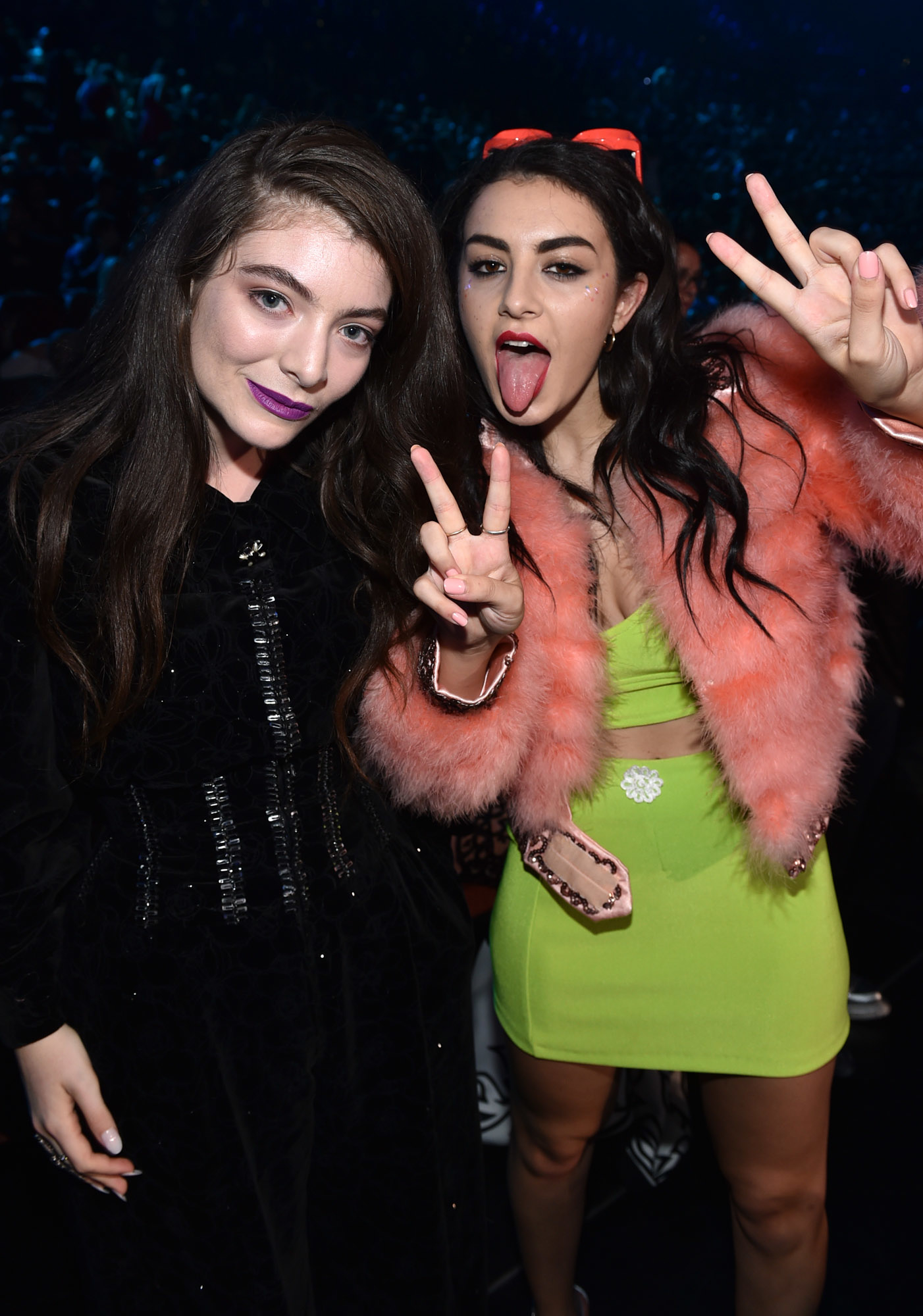
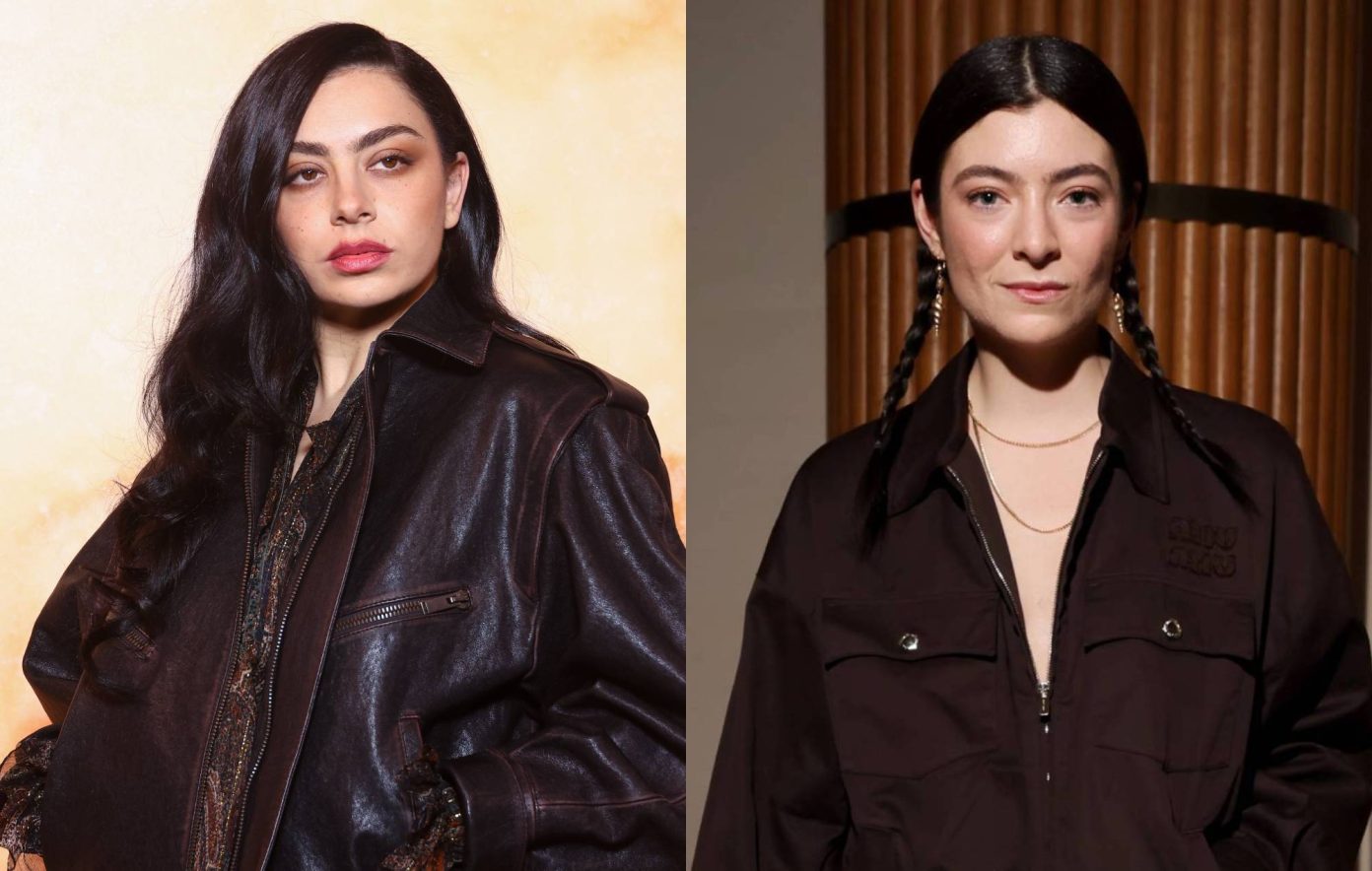
Charli XCX handled the moment with grace, but the clip went viral, cementing a "case of mistaken identity" that would follow both women for years. At the time, both artists were rising stars in the "alt-pop" scene. They both sported dark, wavy hair, favored a moody aesthetic that contrasted with the bright, bubblegum pop of the early 2010s, and were roughly the same age. To a casual observer or an uninformed media outlet, they represented a similar "vibe," leading to frequent comparisons that often felt reductive to their individual talents.
The Role of Aesthetic and Sound in Early Comparisons
In 2013 and 2014, the pop landscape was shifting. Lorde’s Pure Heroine and Charli XCX’s True Romance (and later Sucker) were both part of a wave of music that felt more "authentic" and "edge" than the EDM-heavy tracks dominating the charts.
- Visuals: Both artists frequently wore dark clothing, heavy eyeliner, and had a penchant for "witchy" or "grunge-lite" aesthetics.
- Production: While their sounds were actually quite different—Lorde leaning into minimalism and Charli into synth-pop and punk—they were both categorized as "alternative pop," a catch-all term that often leads to the blurring of distinct identities.
Biographies: Two Different Paths to Stardom
To understand why they are distinct entities, one must look at their disparate origins and career trajectories. By 2026, their legacies have diverged even further, with one becoming the face of club-ready hyperpop and the other a reclusive, critically acclaimed auteur.
Charli XCX (Charlotte Emma Aitchison)
Born in Cambridge, England, Charli XCX began her career by posting songs on MySpace and performing at illegal warehouse raves in London. Her journey has been one of constant evolution. She moved from the dark-pop of True Romance to the mainstream success of "Fancy" (with Iggy Azalea) and "Boom Clap," before pivoting entirely into the avant-garde world of hyperpop. Working closely with the PC Music collective and producers like A.G. Cook, Charli redefined what pop could sound like—metallic, distorted, and high-energy.
Lorde (Ella Marija Lani Yelich-O'Connor)
Born in Auckland, New Zealand, Lorde was a literary prodigy who signed a record deal at age 13. Her rise was meteoric and centered on her lyrical prowess. Unlike Charli’s prolific output and "party girl" persona, Lorde became known for her long absences between albums. Her work—from the teenage angst of Pure Heroine to the heartbreak of Melodrama and the folk-inspired Solar Power—focuses on the internal emotional landscape rather than the external dance floor.
The "Girl, so confusing" Era and the 2024 Reconciliation
The most significant event in the "Are they the same person?" saga occurred in 2024, during the release of Charli XCX’s sixth studio album, Brat. One of the standout tracks, "Girl, so confusing," featured lyrics that explicitly addressed the tension and the constant comparisons between Charli and another unnamed female artist.
The lyrics described the awkwardness of being compared to someone who looks similar but feels fundamentally different: "People say we're alike / They say we've got the same hair / It's you and me on the coin / I don't know if we're close / But I think you're okay."
Fans immediately speculated the song was about Lorde. In a move that became a defining moment of 2024 pop culture, Charli released a remix titled "The girl, so confusing version with lorde." This track featured a vulnerable verse from Lorde herself, where she admitted to her own insecurities and the reasons for her distance.
The Impact of the Collaboration
This collaboration served several purposes:
- Humanization: It turned a "meme" about being the same person into a deep conversation about how the industry pits women against each other.
- Distinction: By hearing their voices on the same track—Charli’s processed, energetic delivery versus Lorde’s breathy, melodic flow—it became impossible to claim they were the same person.
- Cultural Reset: It marked the end of the "rivalry" narrative and replaced it with one of mutual respect and artistic sisterhood.
Side-by-Side Comparison: Charli XCX vs. Lorde
| Feature | Charli XCX | Lorde |
|---|---|---|
| Full Name | Charlotte Emma Aitchison | Ella Marija Lani Yelich-O'Connor |
| Nationality | British | New Zealander |
| Debut Album | 14 (2008) / True Romance (2013) | Pure Heroine (2013) |
| Primary Genre | Hyperpop, Dance-Pop, Electropop | Art-Pop, Indie-Pop, Synth-Pop |
| Signature Hits | "Boom Clap," "Vroom Vroom," "360" | "Royals," "Green Light," "Solar Power" |
| Vocal Style | Energetic, auto-tune heavy, rhythmic | Deep, breathy, minimalist, layered |
| Public Persona | "Brat," party-centric, prolific | Reclusive, nature-focused, meticulous |
Why the Myth Persists in 2026
Even in 2026, the question occasionally resurfaces. This is largely due to the "algorithmic memory" of the internet. New listeners discovering the "Brat Summer" phenomenon of 2024 often encounter the memes before they encounter the discographies.
Furthermore, the "Same Person" trope is a common joke in stan culture (the "they are the same person" or "they are variants" meme). In this context, fans use the phrase not to suggest a literal shared identity, but to highlight a shared cultural space or a similar level of impact on the pop genre. However, for anyone looking at the facts, the two are clearly independent titans of music.
Frequently Asked Questions
1. Did Charli XCX and Lorde ever have a real "feud"?
There was never a documented, aggressive "feud" in the traditional sense. Instead, there was what both artists described as a "projection" of tension. Charli XCX admitted to feeling intimidated by Lorde’s massive commercial success with "Royals," while Lorde admitted in their 2024 collaboration that she felt uncomfortable in her own skin and struggled to relate to others in the industry. Their "beef" was more about internal insecurity and external media comparisons than actual animosity.
2. What was the "Royals" interview incident?
In 2014, an interviewer on the Australian show The Project asked Charli XCX about the inspiration behind "Royals." Charli had to correct the interviewer, explaining that the song belonged to Lorde. This remains one of the most cited examples of why people believe the two were often confused by the general public.
3. Have they ever performed together live?
While they have collaborated in the studio—most notably on the "Girl, so confusing" remix—they have rarely shared a stage for a full performance. Their collaboration was largely handled through digital exchange and private communication, which added to the mystique of their relationship until the 2024 release.
4. Why are they both associated with the "Brat" aesthetic?
While "Brat" is strictly a Charli XCX era and album title, Lorde became associated with it through her participation in the remix. The "Brat" aesthetic—characterized by messy honesty, neon green, and club culture—was a contrast to Lorde's usual brand, which made her involvement in the project a major talking point for fans of both artists.
5. Are they friends now?
As of 2026, the two artists are on very good terms. Their 2024 collaboration was described by both as a healing process. They have since been seen supporting each other's work on social media and in interviews, effectively ending the narrative that they are rivals or "the same person."
Final Verdict: Distinct Icons of Modern Pop
While the internet might joke that Charli XCX and Lorde are the same person, a look at their history, discography, and personal biographies proves they are two of the most distinct voices in 21st-century music. Charli XCX remains the high-octane engine of the pop-underground-turned-mainstream, while Lorde remains the thoughtful, periodic voice of a generation’s inner thoughts.
If you are a fan of one and haven't explored the other, the best next action is to listen to the "Girl, so confusing" remix. It serves as a perfect bridge between their two worlds, showcasing how two artists can share the same hair color and a similar "alt" label while possessing completely different artistic souls.
Image Gallery