The Photo of the Wizard of Oz Explained
The widely shared photograph associated with "the photo of the Wizard of Oz" typically refers to behind-the-scenes imagery from the 1939 Metro-Goldwyn-Mayer classic film, most notably a candid snapshot of Margaret Hamilton (the Wicked...
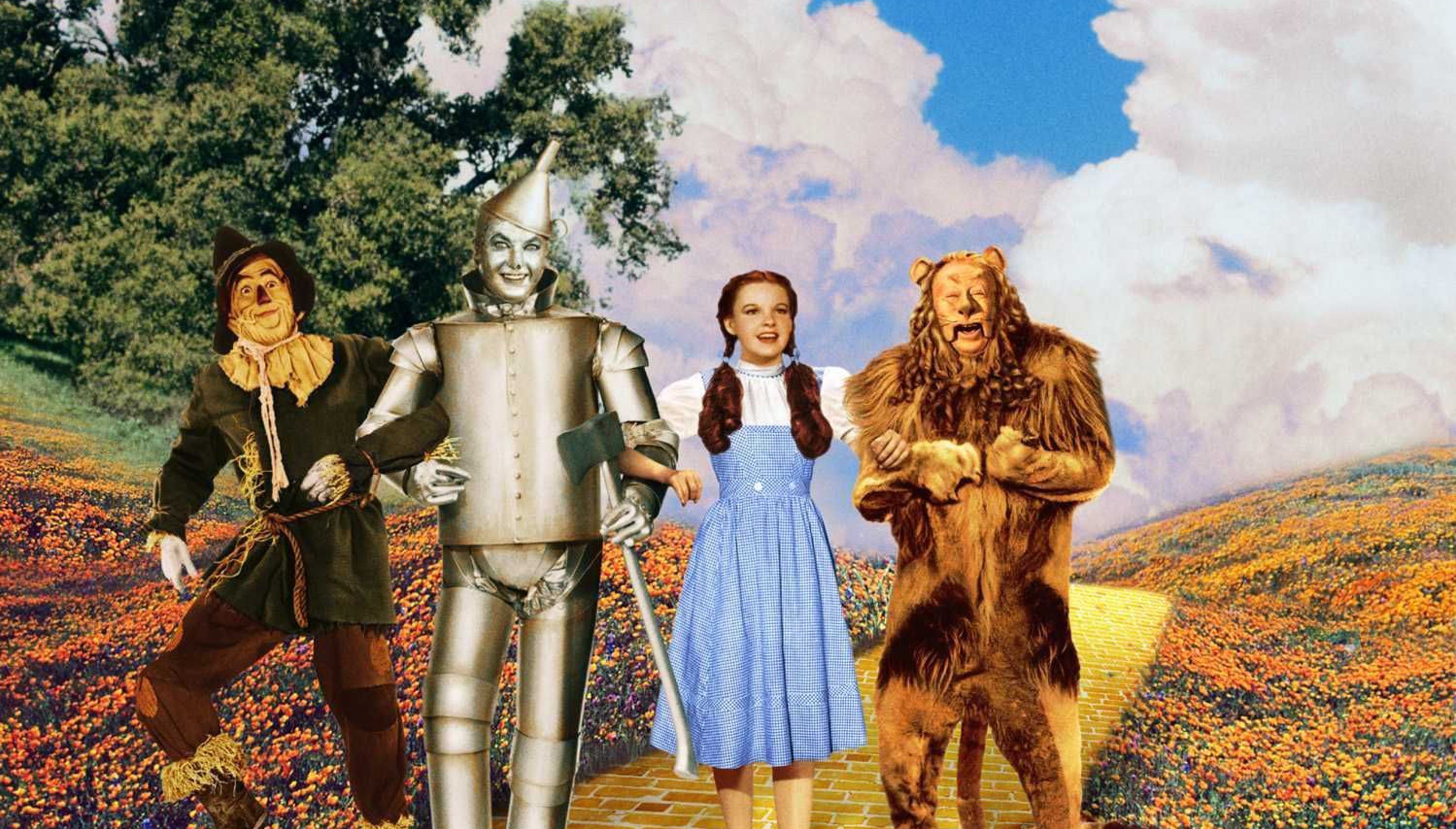
The widely shared photograph associated with "the photo of the Wizard of Oz" typically refers to behind-the-scenes imagery from the 1939 Metro-Goldwyn-Mayer classic film, most notably a candid snapshot of Margaret Hamilton (the Wicked Witch of the West) and Buddy Ebsen (the original Tin Man) dining or resting in costume. This image frequently surfaces across digital platforms as a piece of Hollywood history, often accompanied by misconceptions regarding film production timelines, casting changes, and the rigorous physical demands placed on the actors during the Golden Age of cinema.
Contents
Understanding the historical context of these behind-the-scenes photographs requires looking beyond internet myths to examine the actual production realities of The Wizard of Oz. From makeup toxicity incidents to unexpected health emergencies that forced major cast replacements, archival photographs serve as visual windows into a tumultuous, highly innovative, and demanding film set. This examination explores the true identities, contexts, and historical significance behind the most discussed photographs from the production of The Wizard of Oz.
Historical Context of 1939 Production Photography
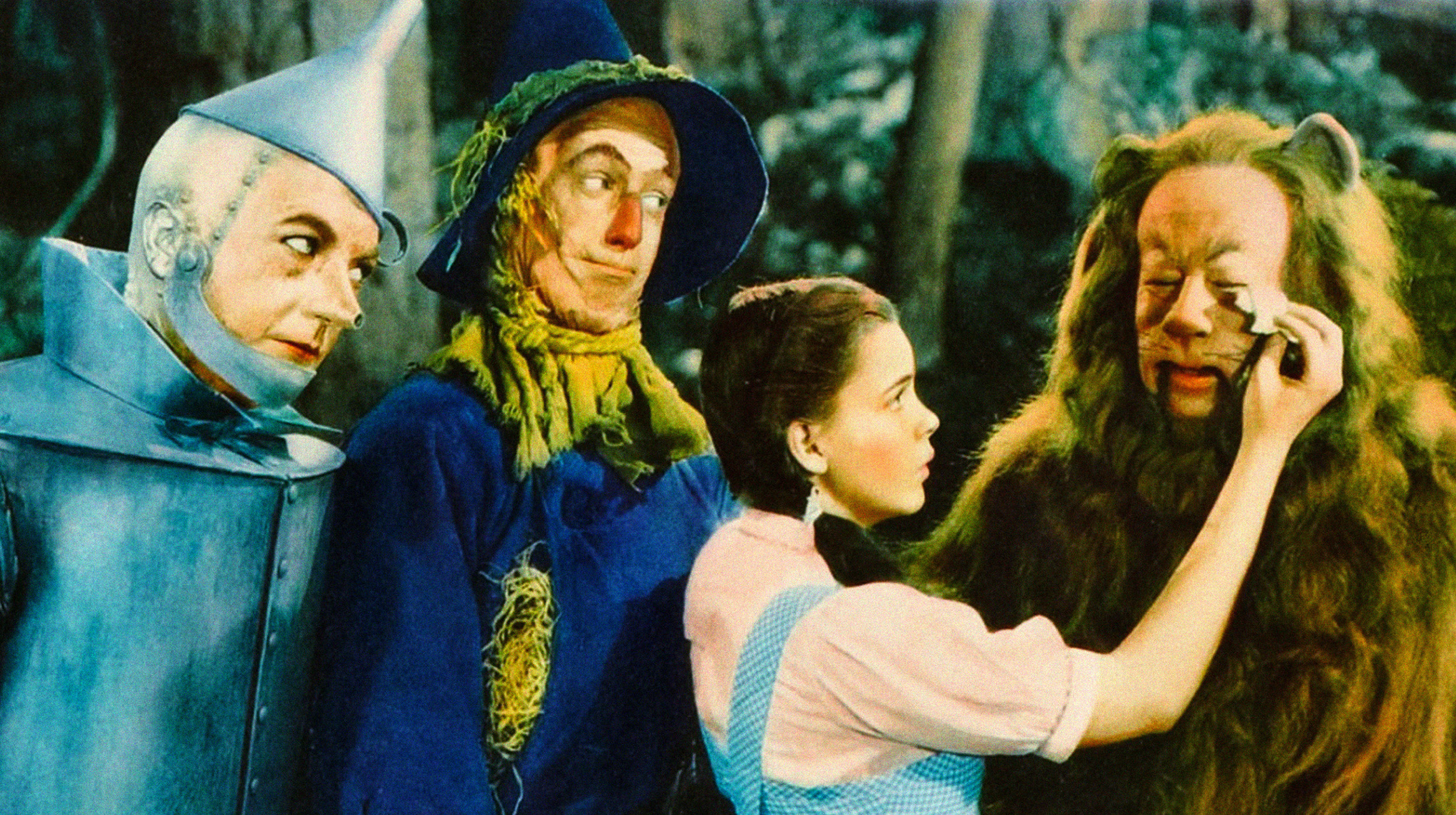
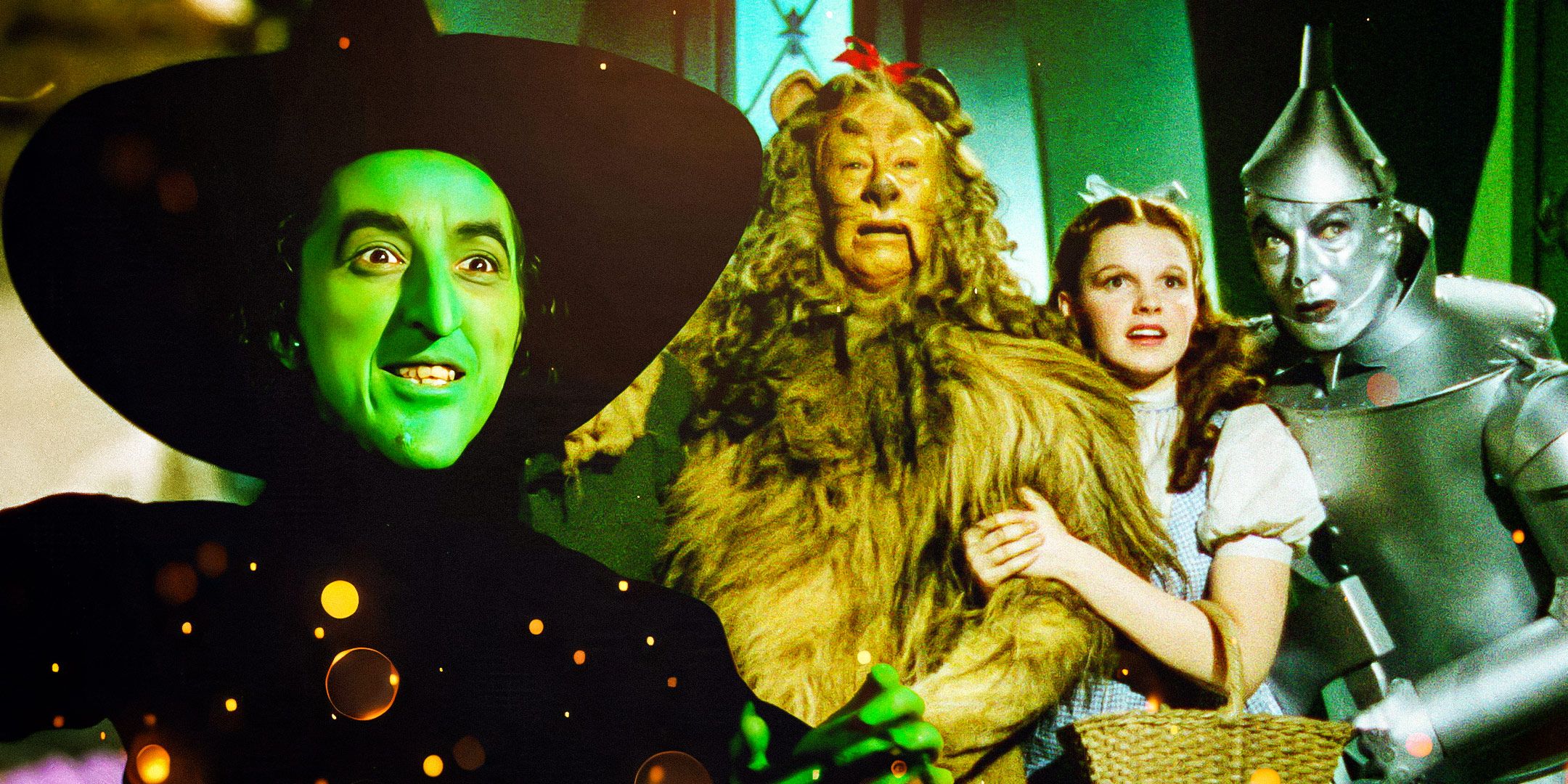
During the late 1930s, Metro-Goldwyn-Mayer (MGM) maintained strict control over the publicity and documentation of its films. Still photographers captured hundreds of continuity shots, promotional portraits, and candid moments between takes. These photographs were distributed to newspapers and fan magazines to build anticipation and manage the public image of stars like Judy Garland, Ray Bolger, Jack Haley, and Margaret Hamilton.
In the decades following the film's release, these archival assets transitioned from ephemeral marketing materials to historical artifacts. When rare or unusual behind-the-scenes images surfaced online, modern audiences often lacked the proper historical context, leading to widespread speculation, misattribution of actors, and viral internet myths. Proper evaluation of these photos requires verifying studio archives, costume department records, and contemporary trade publications from 1938 and 1939.
Dissecting the Viral Margaret Hamilton and Buddy Ebsen Photograph
The most frequent subject of inquiry regarding "the photo of the Wizard of Oz" is a black-and-white image showing Margaret Hamilton in her full Wicked Witch prosthetic makeup sitting next to an actor in the initial, metallic-mesh Tin Man costume. This image frequently generates confusion among casual viewers who know Jack Haley as the Tin Man, prompting questions about why an entirely different performer appears in the role.
The Buddy Ebsen Mystery Explained
The actor in that specific photograph is Buddy Ebsen, not Jack Haley. Ebsen was originally cast as the Tin Man before production began and even recorded his vocal tracks and filmed several weeks of early scenes. However, a severe medical emergency brought an abrupt end to Ebsen's time on the project.
The silver makeup used for Ebsen's Tin Man costume contained powdered aluminum. During filming, Ebsen inhaled substantial amounts of aluminum dust, which coated his lungs and caused a severe, life-threatening respiratory reaction. He was hospitalized in critical condition, forcing MGM to halt production on his scenes.
The Transition to Jack Haley
Once Ebsen recovered, studio executives realized he could not safely return to the role without risking further health complications. MGM quietly replaced Ebsen with Jack Haley, scrapped much of the previously shot footage, and altered the makeup application method—transitioning from pure aluminum dust paste to a safer aluminum paint formulation.
The surviving photographs capturing Ebsen alongside Hamilton on set are rare test shots and early production stills that survived the studio's archival purges. Recognizing Ebsen in these photos clarifies a pivotal, hazardous chapter in Hollywood labor conditions and studio production history.
Major Cast Changes and Production Hurdles
The photo of Hamilton and Ebsen highlights a broader pattern of physical hardship and casting adjustments that characterized the creation of The Wizard of Oz. The production went through multiple directors, extensive script revisions, and significant physical strain for the principal actors.
- Ray Bolger’s Original Casting: Bolger was initially cast as the Scarecrow, but he lobbied studio head Louis B. Mayer to switch roles with Buddy Ebsen, wanting to play the Tin Man instead. Mayer refused, keeping Bolger as the Scarecrow—a stroke of luck that ultimately spared Bolger from the severe aluminum poisoning that afflicted Ebsen.
- Buddy Ebsen's Omission: Due to the abrupt nature of his departure and the studio's desire to market the film seamlessly, Ebsen's vocal performance as the Tin Man was largely replaced by Jack Haley, though subtle traces of Ebsen's high-pitched vocal styling reportedly remain in the ensemble track for "We're Off to See the Wizard."
- Margaret Hamilton's Injury: Hamilton suffered severe second- and third-degree burns during the filming of her dramatic exit from Munchkinland, when a pyrotechnic trapdoor malfunctioned. Her copper-based green facial makeup also posed toxicity concerns, requiring careful removal procedures at the end of each workday.
Summary of Principal Tin Man Production Timeline
To clarify the sequence of events surrounding the famous Tin Man photographs, the following table outlines the timeline of casting, production accidents, and final release.
| Date / Phase | Event / Milestone | Key Personnel Involved | Historical Verification Source |
|---|---|---|---|
| Late 1938 | Initial pre-production and makeup testing; aluminum dust formulation applied. | Buddy Ebsen, Ray Bolger, Victor Fleming (later) | MGM Studio Production Logs |
| October 1938 | Ebsen hospitalized due to aluminum dust inhalation; filming suspended for his scenes. | Buddy Ebsen, Studio Medical Staff | Hospitalization Records & Biographical Archives |
| Late 1938 | Jack Haley hired as replacement; new makeup protocols established using aluminum paint. | Jack Haley, Makeup Department | Trade Publications (The Hollywood Reporter) |
| August 1939 | Official theatrical release of The Wizard of Oz by Metro-Goldwyn-Mayer. | Entire Cast and Crew | Original Box Office and Distribution Records |
Frequently Asked Questions
Is the photo real or digitally altered?
The widely circulated historical photographs of Margaret Hamilton and Buddy Ebsen together in costume are authentic archival images captured by MGM staff photographers during 1938 production tests. They are not modern digital fabrications, though they are frequently shared online without accurate historical captions.
Why did Buddy Ebsen leave the movie?
Buddy Ebsen suffered acute respiratory failure after inhaling toxic aluminum dust used in the original metallic makeup formulation for the Tin Man character. His hospitalization required producers to replace him with Jack Haley to complete the film.
Did any other actors get injured during filming?
Yes. Margaret Hamilton sustained second- and third-degree facial and hand burns during a pyrotechnic special effects sequence. Additionally, Judy Garland endured grueling work schedules, and several Munchkin actors experienced difficult on-set conditions.
Are there any surviving recordings of Buddy Ebsen's voice in the final film?
While Jack Haley re-recorded all spoken dialogue and primary vocals, audio historians suggest that fragments of Ebsen's high-tenor singing voice may still be blended into group choral numbers like "We're Off to See the Wizard."
Where can official production photos be viewed?
Verified archival stills and production documentation are preserved in institutions such as the Academy of Motion Picture Arts and Sciences (AMPAS) Margaret Herrick Library and authorized studio retrospectives.
Practical Recommendations for Film Researchers
When encountering historical photographs from classic Hollywood productions online, viewers should cross-reference images with primary studio documentation rather than relying on unverified social media captions. Archival databases managed by accredited film institutions provide the most reliable metadata for identifying actors, production dates, and makeup test variants. Researchers interested in the detailed history of The Wizard of Oz should consult comprehensive production histories such as Aljean Harmetz’s The Making of The Wizard of Oz, which relies on surviving MGM studio memos and payroll ledgers.
Image Gallery