FantasyPros PPR 2026: The Ultimate Guide to Point-Per-Reception Strategy
Navigating fantasy football championships requires precision, advanced analytics, and the industry's best decision-making tools. As fantasy football enters the 2026 season, the Point-Per-Reception (PPR) scoring format remains the gold...
Navigating fantasy football championships requires precision, advanced analytics, and the industry's best decision-making tools. As fantasy football enters the 2026 season, the Point-Per-Reception (PPR) scoring format remains the gold standard for competitive leagues across platforms like ESPN, Yahoo, and Sleeper. FantasyPros has cemented its status as the premier aggregator and analytical engine for fantasy managers, combining expert consensus rankings (ECR), draft simulation software, and real-time waiver wire assistant tools. Understanding how to leverage FantasyPros PPR tools and data-driven methodologies is the primary differentiator between league winners and those who miss the playoffs.
Contents
Evolution of PPR Scoring and Modern 2026 Draft Metas
The modern fantasy football landscape is heavily dictated by explosive offenses and the devaluation of early-round running backs in favor of hyper-targeted wide receivers and elite pass-catching tight ends. In a standard PPR format, every reception is worth a full point, fundamentally shifting player valuations compared to standard or half-PPR leagues.
In 2026, the league meta emphasizes volume and snap share over traditional rushing metrics. Pass-catching specialists who command a target share of 25% or higher provide weekly floor stability that rushing-dependent running backs simply cannot match. FantasyPros tracks these trends through advanced metrics such as Expected Fantasy Points (xFP) and Yards After Catch (YAC) over expectation, allowing managers to identify regression candidates before they happen on the field.
Key Factors Shaping the 2026 PPR Landscape
- Target Share Stability: Wide receivers running high percentages of routes out of the slot offer reliable weekly PPR floors.
- Dual-Threat Backfields: Running backs who clear 50-plus receptions maintain elite RB1 status, while two-down rushers see their value heavily suppressed.
- Tier-Based Tight End Valuation: Securing an elite pass-catcher who lines up wide creates a massive positional advantage over the replacement-level tight end pool.
Leveraging FantasyPros Expert Consensus Rankings (ECR) for PPR Dominance
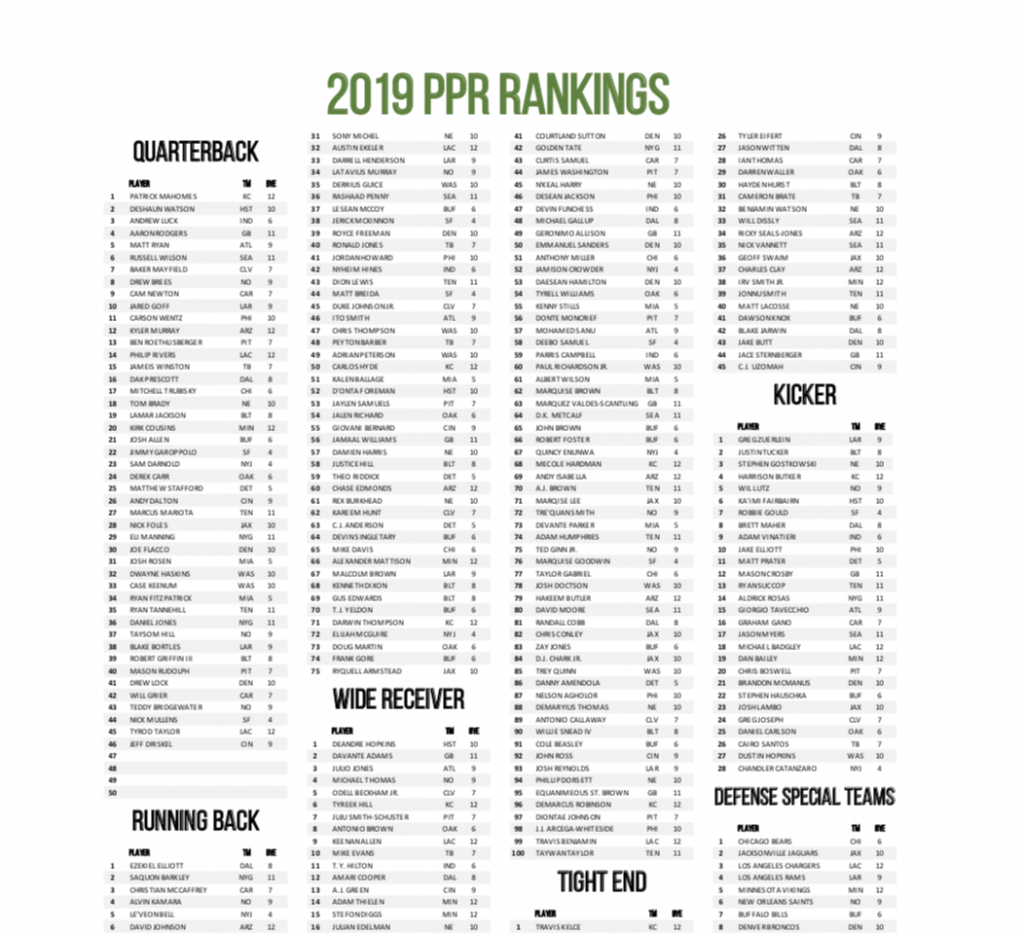
Draft day execution relies heavily on accurate rankings that account for scoring format idiosyncrasies. FantasyPros aggregates rankings from over 100 industry experts, filtering out historical biases and ranking outliers to produce the most accurate consensus board available.
When configuring the FantasyPros draft assistant for a PPR league, managers must ensure the scoring settings match their league parameters exactly. Half-point shifts in scoring rules significantly alter player values. For instance, a slot receiver with 90 catches and 900 yards is a locked-in WR2 in PPR, but drops to a shaky flex option in standard formats.
Comparing Draft Strategies Across Scoring Formats
| Scoring Format | Primary Positional Focus | Early Round Priority | Late Round Target Strategy |
|---|---|---|---|
| Standard (Non-PPR) | Touchdown dependency, red-zone volume, rushing volume | Elite three-down workhorse running backs | High-upside handcuff running backs |
| Half-PPR | Balanced approach, dual-threat runners, high-volume receivers | Best player available, blending elite RBs and Tier 1 WRs | High-ceiling rookie pass-catchers |
| Full PPR (FantasyPros Focus) | Target share, receptions, route participation, slot usage | Elite WR1s, high-volume pass-catching RBs, elite TE | High-upside backup slot receivers, passing-downs backs |
Step-by-Step Guide to Dominating Your 2026 PPR Draft Using FantasyPros
Executing a successful draft requires preparation, mock drafting, and utilizing live synchronization tools to react to draft-room anomalies in real time.
1. Pre-Draft Preparation and Settings Configuration
Begin by inputting your exact league hosting platform (e.g., Sleeper, ESPN) and scoring settings into the FantasyPros Draft Wizard. Adjust roster requirements, starting lineup slots, and scoring bonuses (such as tight-end premium or passing yardage multipliers) to ensure the ECR aligns with your league rules.
2. Executing Mock Draft Simulations
Run at least 15 to 20 mock drafts using the FantasyPros simulator against various draft slot positions (early, middle, late). Test different roster construction strategies, such as Hero-RB (taking one elite running back early and loading up on wide receivers) versus Zero-RB (building a powerhouse receiving corps and elite tight end before targeting high-upside running back backups).
3. Utilizing the Live Draft Assistant
During your actual draft, sync the FantasyPros Live Draft Assistant with your league room. The software tracks drafted players, updates recommended picks based on value-based drafting (VBD), and alerts you to value drops (players falling past their average draft position) so you can capitalize on market inefficiencies.
Pros and Cons of Relying Solely on FantasyPros PPR Tools
While FantasyPros offers industry-leading technological advantages, competitive managers must understand both the strengths and limitations of automated ranking systems.
Advantages
- Massive Sample Size: Aggregating data from dozens of top analysts removes individual expert bias and emotional attachment to specific players.
- Real-Time Syncing: The live draft assistant reacts instantly to your league's unique draft tendencies, preventing panic picks.
- Advanced Analytics Integration: Easy access to advanced metrics like target shares, red-zone opportunities, and strength of schedule.
Disadvantages
- Consensus Groupthink: ECR can sometimes lag behind rapid training camp developments or sudden coaching changes because it relies on aggregated updates.
- Lack of Custom League Nuances: Standard PPR ECR does not automatically account for deeply idiosyncratic league scoring rules unless manually adjusted.
- Over-Reliance Risk: Managers who blindly follow the "Draft Assistant" recommendations without factoring in bye-week management or positional scarcity risks can build unbalanced rosters.
Expert Troubleshooting and In-Season PPR Management Tips
Drafting a championship roster is only half the battle; managing the waiver wire and setting weekly lineups separates casual players from fantasy champions.
- Target the Waiver Wire for Volume, Not Flash: In PPR leagues, look for backup running backs who instantly inherit a pass-catching role if the starter goes down. A replacement-level runner catching five passes a game provides an immediate safe floor.
- Monitor Snap Counts Weekly: Do not evaluate players solely on total fantasy points from the previous week. Check route participation percentages and target shares via FantasyPros reports to find buy-low candidates who experienced bad touchdown variance.
- Optimize Flex Spots Based on Vegas Totals: When choosing between two similar players for your final flex spot in PPR leagues, look at game script projections and over/under point totals to select players in expected high-scoring shootouts.
Frequently Asked Questions About FantasyPros PPR
What makes FantasyPros PPR rankings different from standard rankings?
FantasyPros PPR rankings heavily weight wide receiver target shares, slot route participation, and pass-catching running back efficiency, significantly boosting the value of players who accumulate high reception totals.
Can I sync FantasyPros with my private league on ESPN or Sleeper?
Yes, FantasyPros offers direct league synchronization for major platforms, allowing the Draft Assistant to automatically cross off drafted players and provide real-time recommendations.
How often are the Expert Consensus Rankings (ECR) updated during the 2026 season?
ECR rankings update continuously throughout the week, with major influxes of updates following Friday injury reports and Sunday morning active/inactive announcements.
Is the FantasyPros Draft Assistant free to use?
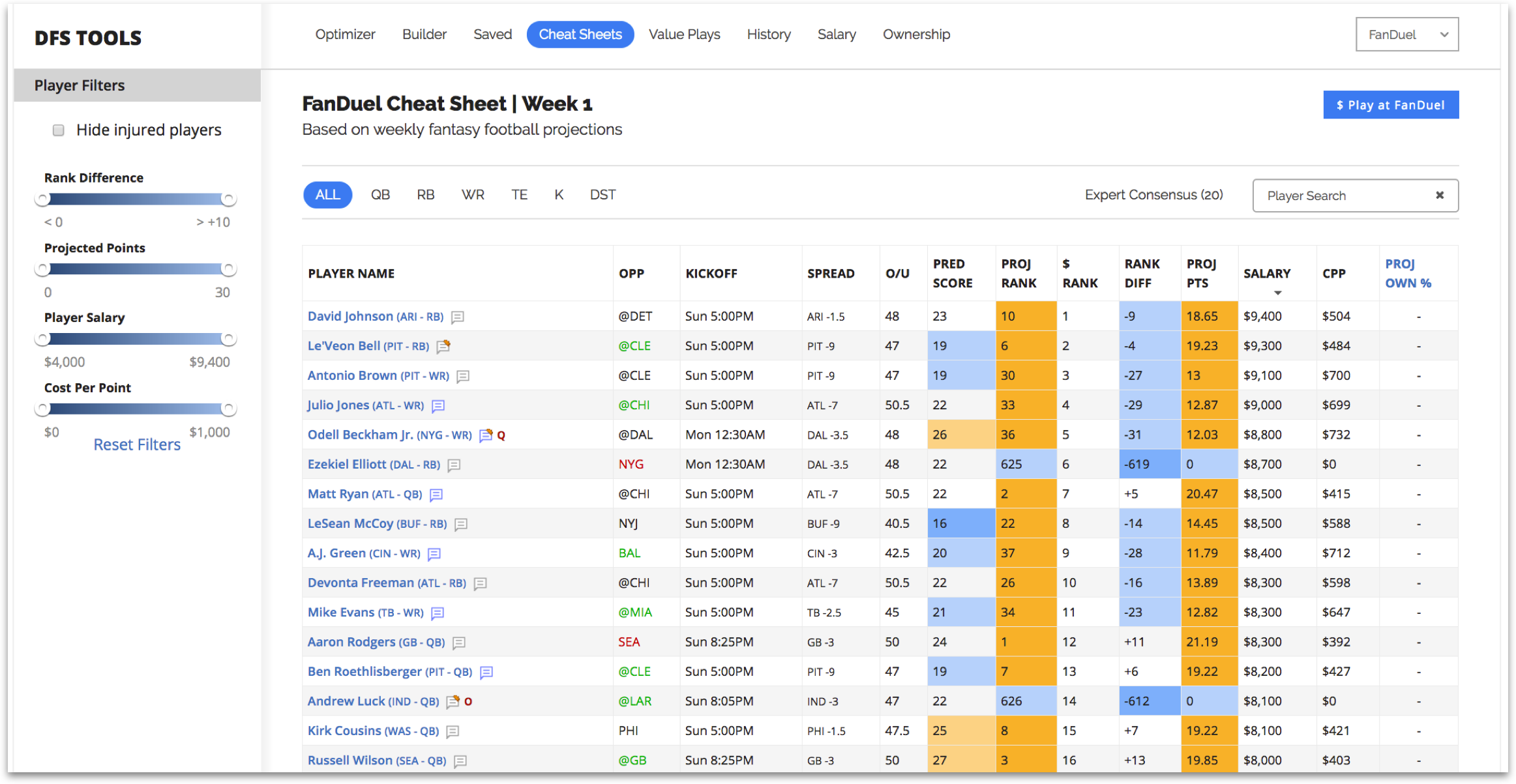
Basic features and mock draft tools are free, while advanced features like live draft synchronization, custom cheat sheets, and in-season waiver assistant tools require a premium subscription.
How should I adjust my draft strategy if my PPR league features a Tight End Premium?
In leagues awarding 1.5 or 2 points per reception for tight ends, elite pass-catching options like Travis Kelce or young breakout tight ends skyrocket in value, making it viable to draft them as early as the first or second round.
What is Value-Based Drafting (VBD) in the context of PPR leagues?
VBD is a mathematical drafting method that compares a player's projected PPR scoring output against a baseline replacement player at the same position, ensuring you draft players who maximize positional advantage.
Image Gallery