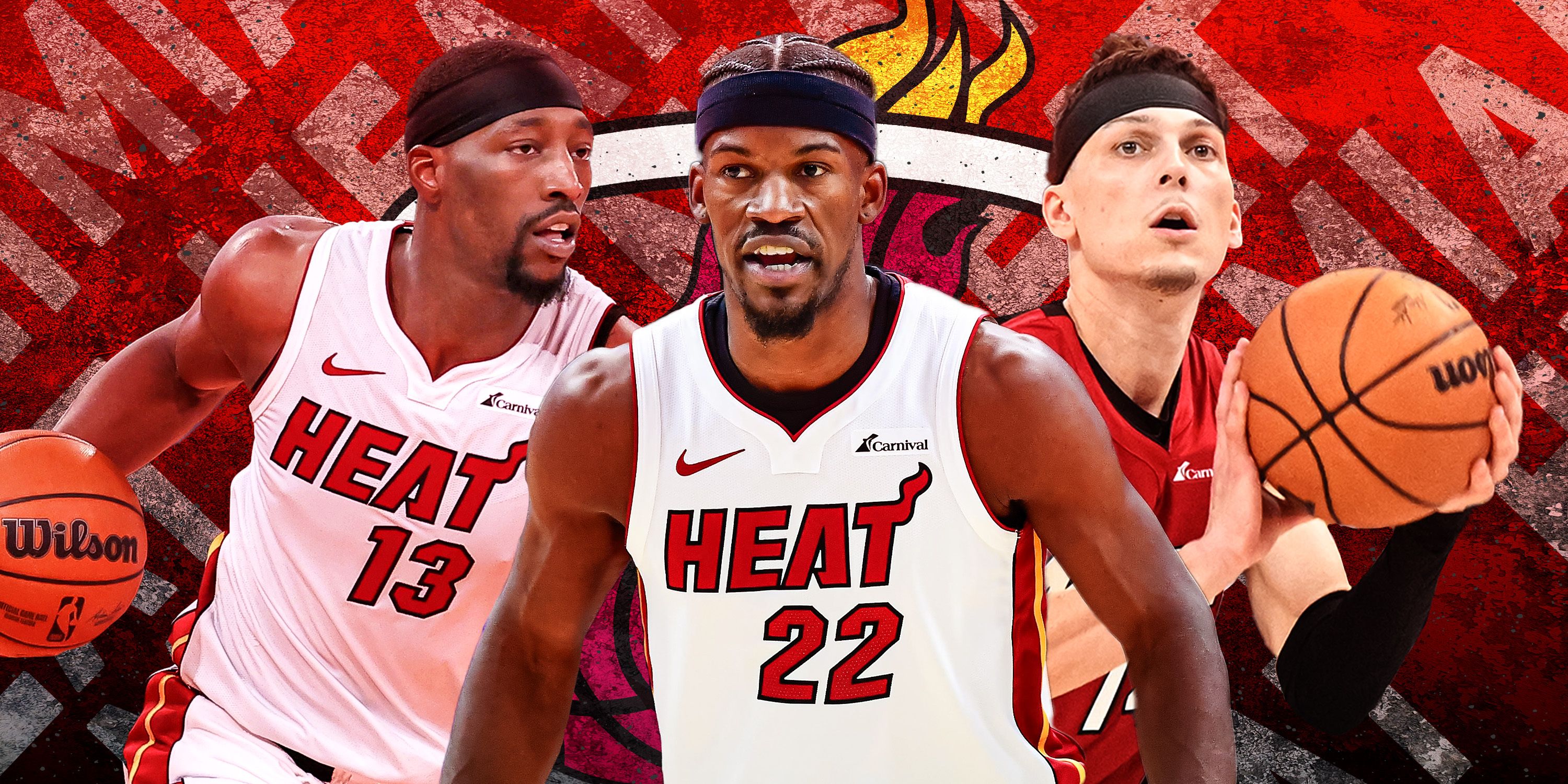
Essential Guide to Miami Heat Beat Writers: Who to Follow for Credible Team News
Following dedicated Miami Heat beat writers is the most reliable way to get accurate, real-time news regarding roster moves, injury updates, game strategy, and salary cap analysis. Veteran journalists such as Ira Winderman of the South...
Following dedicated Miami Heat beat writers is the most reliable way to get accurate, real-time news regarding roster moves, injury updates, game strategy, and salary cap analysis. Veteran journalists such as Ira Winderman of the South Florida Sun Sentinel, Anthony Chiang and Barry Jackson of the Miami Herald, and Tim Reynolds of the Associated Press provide credentialed, on-the-scene coverage directly from the locker room and practice facility.
Contents
The Role of Beat Writers in the Miami Heat Ecosystem
In modern sports journalism, distinguishing between verified team beat writers, national insiders, and automated content aggregators is essential for fans seeking accurate information. A credentialed beat writer is a journalist assigned by a recognized news organization to cover a single team on a daily basis.
For the Miami Heat, beat reporters attend every home and away game, morning shootarounds, practice sessions, and official press conferences at Kaseya Center. They have direct access to Head Coach Erik Spoelstra, team executives like Pat Riley, and the active roster. This daily proximity allows beat writers to report on nuanced developments that national commentators or social media accounts often miss, including tactical adjustments, locker room chemistry, player conditioning, and precise injury statuses.
Because the Heat organization is historically known for maintaining a tight lid on internal operations and prospective player transactions, credentialed beat writers play a critical role in filtering speculation. They cross-reference league chatter against their local sources, providing fans with context-rich reporting grounded in organizational precedent rather than speculative trade machine scenarios.
Primary Miami Heat Beat Writers to Follow
To maintain a comprehensive understanding of the franchise, fans should rely on a core group of seasoned journalists who cover the team across print, digital, and broadcasting channels.
1. Ira Winderman (South Florida Sun Sentinel)
Ira Winderman is the dean of Miami Heat beat writers, having covered the franchise continuously since its inaugural 1988–89 NBA season. Writing for the South Florida Sun Sentinel, Winderman offers decades of historical context unmatched in the market.
- Core Strengths: Tactical breakdowns, historic franchise context, salary cap implications, and daily fan engagement.
- Signature Column: The daily "Ask Ira" mailbag, where Winderman answers reader questions regarding rotation decisions, roster construction, and front-office strategy.
- Best For: Daily pulse checks on team performance and pragmatic assessments of front-office decision-making.
2. Anthony Chiang (Miami Herald)
Anthony Chiang serves as the primary Heat beat reporter for the Miami Herald. Chiang provides granular coverage of day-to-day team operations, traveling with the squad throughout the regular season and playoffs.
- Core Strengths: Roster depth analysis, statistical deep dives, injury tracking, and post-game player quotes.
- Key Coverage: Frequent salary cap breakdowns detailing hard caps, luxury tax aprons, and mid-level exception mechanics specific to Miami's financial position.
- Best For: In-the-moment game reporting, travel updates, and detailed explanations of complex NBA CBA regulations affecting the Heat.
3. Barry Jackson (Miami Herald)
While Barry Jackson covers South Florida sports broadly for the Miami Herald, his Heat reporting focuses heavily on front-office strategy, broadcast insights, and exclusive scoops regarding free agency and trade discussions.
- Core Strengths: Offseason transaction reporting, broadcast television rights news, contract negotiation updates, and executive intelligence.
- Reporting Style: Jackson often collaborates with Chiang on major stories, pairing big-picture organizational strategy with granular beat details.
- Best For: High-level news regarding potential trade targets, front-office philosophy, and broadcast media updates.
4. Tim Reynolds (Associated Press)
Based in South Florida, Tim Reynolds serves as a national basketball writer for the Associated Press (AP). While his scope includes USA Basketball and international NBA events, his location and long-standing presence in Miami mean he frequently covers Heat home games and major franchise events.
- Core Strengths: Wire-service objectivity, statistical milestones, historical record-keeping, and league-wide context.
- Reporting Style: Direct, fact-checked reporting without regional bias, often breaking major milestone news and national-interest Heat stories.
- Best For: Unbiased, concise reporting on major game outcomes, league disciplinary actions, and statistical records.
Regional Outlets and Digital Beat Reporters
Beyond traditional newspaper beats, several local television journalists, radio hosts, and digital analysts provide consistent, high-value coverage of the team.
Miami Heat Beat Coverage Network
- Daily Beat Newspapers (Sun Sentinel, Miami Herald)
- National Wire Coverage (Associated Press)
- Local Broadcast Media (WPLG Local 10, Bally Sports Sun / FanDuel Sports Network)
- Digital & Regional Networks (5 Reasons Sports Network, Locked On Heat)
Will Manso (WPLG Local 10): A veteran South Florida sports anchor who provides video reports, post-game reaction, and locker-room interviews directly from Kaseya Center.
Wes Goldberg & David Ramil (Locked On Heat): Digital media analysts offering daily podcast content focusing on game recaps, rotation grades, and trade feasibility.
Brady Hawk (5 Reasons Sports Network): Known for detailed film breakdowns and real-time Twitter/X analysis during games, focusing on player tendencies and offensive/defensive schemes.
Key Differences: Beat Writers, National Insiders, and Aggregators
Navigating NBA news requires understanding where a piece of information originates. Fans frequently encounter conflicting reports regarding trades or player availability depending on the type of media figure publishing the news.
| Media Category | Examples | Primary Information Source | Speed vs. Accuracy | Key Advantage |
|---|---|---|---|---|
| Local Beat Writers | Ira Winderman, Anthony Chiang | Direct daily access to players, coaches, front office | High accuracy; verified local context | Deep knowledge of team culture, salary cap, daily availability |
| National Insiders | Shams Charania, Adrian Wojnarowski (legacy), Brian Windhorst | League-wide agents, front-office executives | High speed; transactional priority | Breaking confirmed trades, signings, league-wide trends |
| Local Columnists | Greg Cote, Dave Hyde | Personal observation, beat writer reporting | Opinion-based; narrative-driven | Broader cultural commentary and analytical critique |
| Content Aggregators | Unverified X/Twitter accounts, fan blogs | Secondary reports, speculative podcasts | Low accuracy; fast distribution | Compiles rumors from multiple sources into single feeds |
Why Beat Writers Matter in Miami
The Miami Heat operate under a strict organizational philosophy often referred to publicly as "Heat Culture." Historically, Pat Riley and the front office do not leak trade negotiations or contract disputes to the press.
Because national insiders rely on league-wide agent connections, national reports regarding the Heat sometimes reflect what rival teams or agents want the public to believe. Local beat writers excel at identifying whether a national rumor aligns with the team's actual salary cap space, roster constraints, and internal evaluation metrics.
Comparing Leading Miami Heat Beat Media Outlets
Selecting which outlets to read depends on what type of coverage you prioritize—whether it is daily mailbags, deep analytical features, quick wire updates, or cap breakdowns.
| Outlet | Primary Beat Reporters | Key Features | Subscription Requirement | Best Platform |
|---|---|---|---|---|
| South Florida Sun Sentinel | Ira Winderman | Daily "Ask Ira" mailbag, practice notebooks, instant game reaction | Metered Paywall / Print | Sun-Sentinel.com / X (@IraHeatBeat) |
| Miami Herald | Anthony Chiang, Barry Jackson | Salary cap breakdowns, deep-dive profiles, front-office scoops | Paywall / Digital Subscription | MiamiHerald.com / X (@Anthony_Chiang) |
| Associated Press (AP) | Tim Reynolds | Objective wire coverage, national context, statistical milestones | Free (Syndicated nationwide) | APNews.com / X (@ByTimReynolds) |
| WPLG Local 10 | Will Manso | Video interviews, televised highlights, local broadcast perspective | Free | Local10.com / X (@WillManso) |
| Locked On Heat | Wes Goldberg, David Ramil | Daily audio podcasts, video recaps, scheme analysis | Free (Ad-supported platforms) | YouTube / Apple Podcasts / Spotify |
How to Follow Miami Heat News Efficiently
To build a reliable news feed that minimizes speculation and maximizes accuracy, consider structuring your information sources systematically.
Step 1: Create a Dedicated Beat Writer List on X (formerly Twitter)
Social media remains the primary delivery vehicle for instant news breakages, press conference quotes, and injury updates. Rather than following general NBA aggregation accounts, create a custom list featuring verified handles:
@IraHeatBeat(Ira Winderman)@Anthony_Chiang(Anthony Chiang)@flasportsbuzz(Barry Jackson)@ByTimReynolds(Tim Reynolds)
Step 2: Utilize Official Press Outlets for Deep Dives
For long-form reading, subscribe to the Miami Herald or South Florida Sun Sentinel. While social media provides immediate notifications, long-form articles provide necessary context regarding salary cap exceptions, contract incentives, and injury recovery timelines.
Step 3: Verify Trade Rumors Against Cap Reality
When a trade rumor surfaces online, verify it against beat writer reporting before assuming its accuracy. Local beat reporters frequently clarify whether the Heat possess the matching salaries, draft capital, or luxury tax flexibility required to execute a proposed deal under the NBA Collective Bargaining Agreement (CBA).
Common Red Flags in Heat News Coverage
- "Sources Close to the Player": Often indicates an agent attempting to create market leverage using the Heat's brand name.
- Trade Machine Screenshots: Automated fan trades that ignore local roster preferences, defensive requirements, or hard-cap limitations.
- Unattributed Social Media Graphics: Posts claiming a deal is "imminent" without citing a credentialed local reporter or recognized national insider.
- Misinterpreted Media Availability Quotes: Short video clips taken out of context from Coach Erik Spoelstra’s post-game press conferences.
Frequently Asked Questions
Who is the longest-tenured Miami Heat beat writer?
Ira Winderman of the South Florida Sun Sentinel is the longest-tenured beat writer covering the Miami Heat, having reported on the team since its inaugural 1988–89 season.
Which beat writer provides the best salary cap coverage for the Heat?
Anthony Chiang and Barry Jackson of the Miami Herald consistently provide the most detailed salary cap breakdowns, explaining complex CBA rules, luxury tax aprons, and trade exceptions as they apply to Miami's roster.
Why do national NBA insiders sometimes get Heat trade stories wrong?
The Miami Heat front office is famously tight-lipped and rarely leaks negotiation details. National reports often rely on outside agents or rival front offices, which may leak information to create leverage rather than reflect Miami's actual intentions.
Where can I find daily Q&A columns about the Miami Heat?
Ira Winderman publishes a daily "Ask Ira" mailbag for the South Florida Sun Sentinel, answering reader questions about rotations, roster moves, and team strategy.
Are digital podcasters considered official beat writers?
While digital podcasters and independent analysts provide valuable commentary and film analysis, official beat writers are credentialed journalists who attend practices, games, and press availabilities in person on behalf of established media organizations.
Recommended Next Steps for Fans
To stay fully informed on the Miami Heat without falling for unverified online rumors:
- Build a Curated Feed: Add primary reporters like Ira Winderman, Anthony Chiang, Barry Jackson, and Tim Reynolds to a dedicated notification list on your preferred social media platform.
- Read Daily Mailbags and Notebooks: Bookmark the sports sections of the Miami Herald and South Florida Sun Sentinel for comprehensive practice reports and strategic context.
- Cross-Reference Offseason Rumors: Before reacting to trade speculation, check if local beat writers have confirmed genuine interest or if the transaction is financially viable under current salary cap rules.
Image Gallery