Finding the Right Coverage in Sugar Land Auto Insurance
Navigating the auto insurance market in Sugar Land, Texas requires balancing state-mandated minimum liability limits with robust personal asset protection against local driving risks like unpredictable weather and heavy Houston-metro c...
Navigating the auto insurance market in Sugar Land, Texas requires balancing state-mandated minimum liability limits with robust personal asset protection against local driving risks like unpredictable weather and heavy Houston-metro commuter traffic.
Contents
Finding the right coverage in Sugar Land auto insurance involves evaluating state liability limits, assessing local driving risks, balancing deductibles with premiums, and selecting optional protections like comprehensive, collision, and uninsured motorist coverage. Drivers in this Fort Bend County hub face unique regional factors, ranging from intense summer storms and localized flooding to heavy congestion on Interstate 69 and State Highway 6. To secure an optimal policy, motorists must understand Texas insurance laws, analyze their own vehicle usage, and compare quotes from multiple carriers to ensure comprehensive protection without overpaying.
Understanding Texas Auto Insurance Requirements
Before selecting a policy in Sugar Land, drivers must understand the legal baseline established by the Texas Department of Insurance (TDI). Texas law operates under a "fault" system, meaning the driver responsible for an accident is also financially responsible for resulting injuries and property damage.
To legally operate a motor vehicle on public roads in Sugar Land, drivers must carry at least the minimum liability insurance limits, commonly referred to as 30/60/25 coverage:
- $30,000 of bodily injury liability coverage per person.
- $60,000 of total bodily injury liability coverage per accident.
- $25,000 of property damage liability coverage per accident.
While these numbers represent the legal minimums, insurance professionals widely consider them inadequate for serious accidents. If an at-fault driver causes a multi-vehicle pileup on Highway 6 or Interstate 69, medical bills and vehicle replacement costs can easily exceed these limits within seconds. Any damages exceeding policy limits remain the personal financial responsibility of the policyholder, putting personal savings and assets at risk. Therefore, finding the right coverage usually means purchasing higher liability limits, such as 100/300/100, to ensure adequate financial insulation.
Evaluating Local Driving Risks in Sugar Land
Sugar Land’s geography, climate, and infrastructure directly impact auto insurance risk profiles. Situated southwest of Houston, Sugar Land features a blend of suburban neighborhoods, master-planned communities like First Colony and Telfair, and high-speed commercial corridors.
Commuters navigating daily traffic toward Houston face high traffic density, frequent stop-and-go conditions, and aggressive driving environments. These factors elevate the statistical probability of fender-benders and rear-end collisions, making collision coverage a vital component of any local policy.
Furthermore, weather plays a critical role in insurance considerations across Fort Bend County. The region is prone to severe thunderstorms, tropical storms, and hurricanes that bring torrential downpours and flash flooding. Low-lying areas and underpasses throughout Sugar Land can accumulate standing water rapidly during heavy rain events. Hydroplaning is a constant hazard, and flood damage to vehicles is a legitimate concern. Because standard auto liability and collision policies do not cover rising water or flood damage, drivers must ensure their policy includes comprehensive coverage, which protects against weather-related incidents, hail, windstorms, vandalism, and theft.
Core Coverage Components to Consider
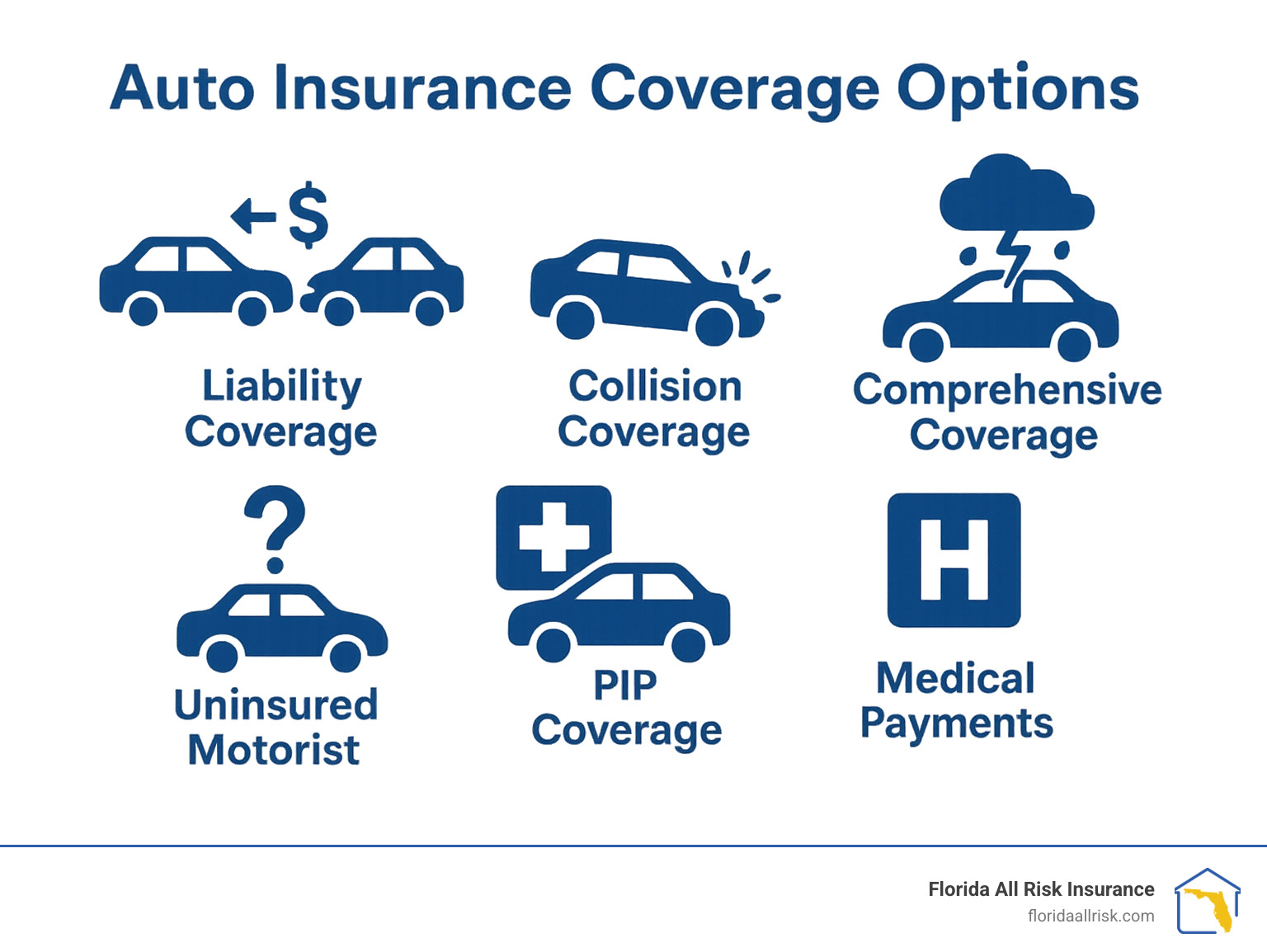
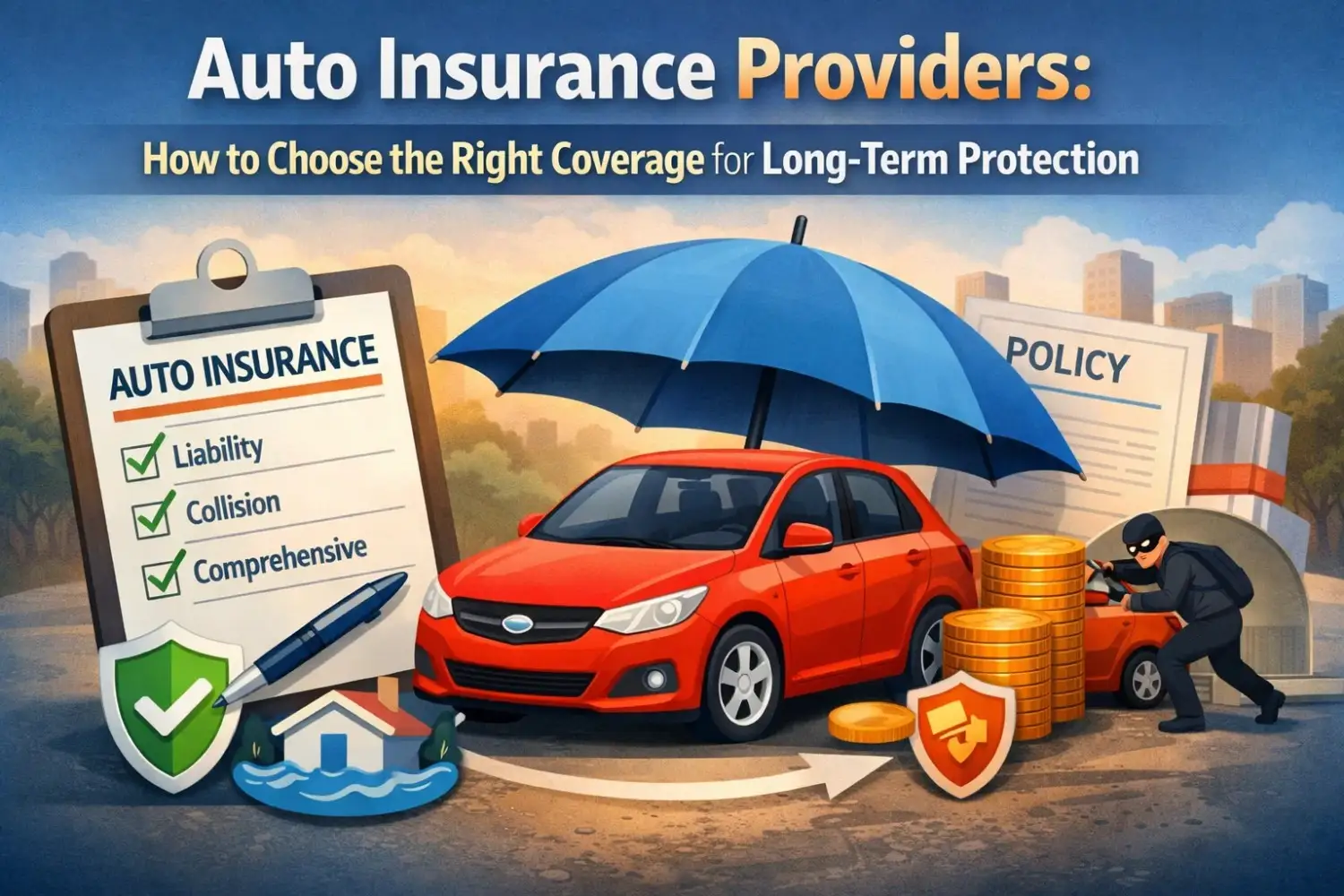
Building a comprehensive auto insurance policy requires combining several distinct coverage types. Each protects against a different facet of financial exposure on Sugar Land roadways.
Liability Coverage
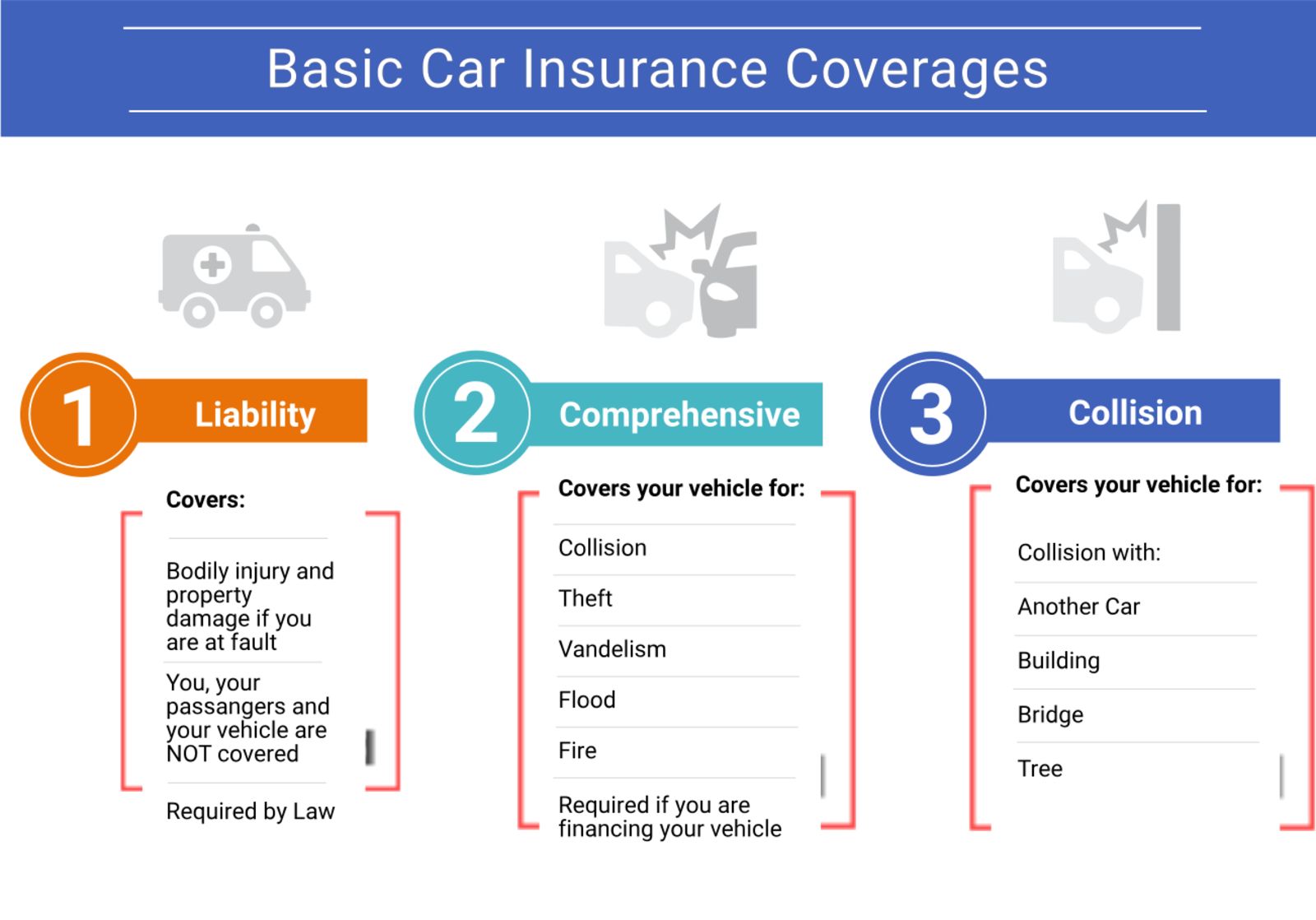
As mandated, liability covers bodily injury and property damage inflicted on others when the policyholder is at fault. Opting for higher limits provides essential security against high-cost litigation and major medical settlements.
Collision Coverage
This pays for repairs to the insured vehicle if it collides with another car, a guardrail, a tree, or another stationary object, regardless of fault. It is typically required by lenders if the vehicle is financed or leased.
Comprehensive Coverage
Often called "other than collision," this covers non-collision events. In Sugar Land, this is particularly important for protection against hail damage, cracked windshields from flying gravel on major highways, flood damage, fire, and theft.
Uninsured and Underinsured Motorist (UM/UIM) Coverage
Despite Texas law, a significant percentage of drivers on Texas roads operate without any insurance. If an uninsured motorist hits your car, recovering damages can be extremely difficult without UM/UIM coverage. This endorsement pays for medical bills, lost wages, and vehicle repairs if the at-fault party lacks insurance or flees the scene (hit-and-run).
Personal Injury Protection (PIP) or Medical Payments (MedPay)
PIP covers medical expenses, rehabilitation costs, and a percentage of lost wages for the driver and passengers, regardless of who caused the accident. Texas law requires insurers to offer PIP, and policyholders must explicitly reject it in writing if they choose not to buy it.
Balancing Deductibles, Premiums, and Discounts
Finding the right coverage involves a financial balancing act between monthly premiums and out-of-pocket deductibles. The deductible is the amount the policyholder pays out of pocket before insurance kicks in for a claim.
Choosing higher deductibles—such as $1,000 instead of $250—lowers the monthly premium significantly. However, drivers must ensure they have sufficient emergency savings to cover that higher deductible if an accident occurs. Conversely, lower deductibles increase monthly costs but minimize immediate out-of-pocket expenses during a claim.
Insurance companies in Sugar Land determine rates based on numerous rating factors, including driving history, credit score (permitted in Texas), vehicle make and model, annual mileage, and garaging zip code. To manage these costs effectively, drivers should actively inquire about available discounts:
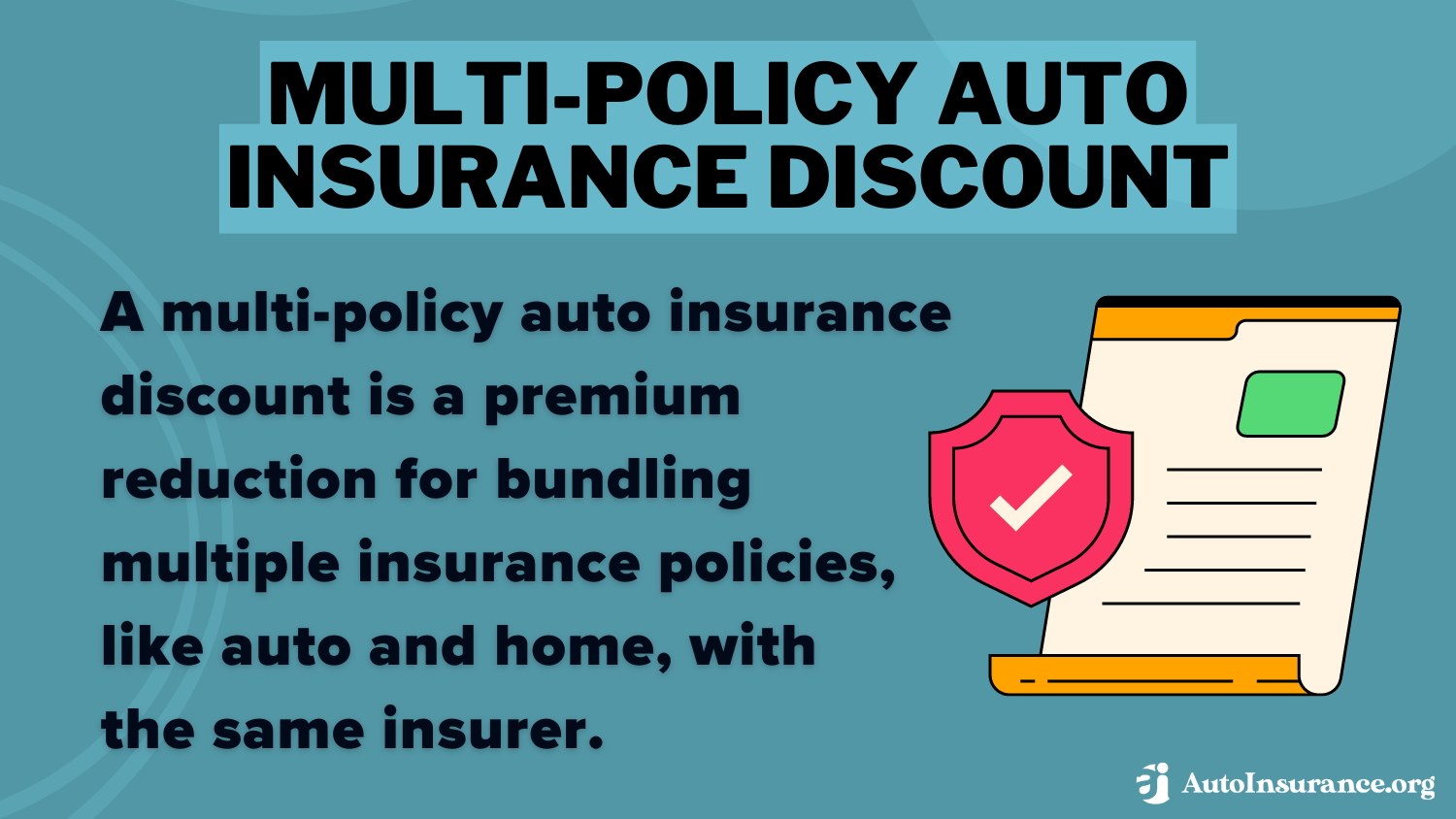
- Bundling Discounts: Combining auto insurance with homeowners or renters insurance through the same carrier.
- Safe Driver Discounts: Maintaining a clean driving record free of moving violations and at-fault accidents for three to five years.
- Good Student Discounts: Rewarding high school or college drivers who maintain a B average or higher.
- Safety Equipment Discounts: Having factory-installed anti-theft devices, anti-lock brakes, and advanced driver-assistance systems (ADAS).
- Telematics Programs: Opting for app-based monitoring that tracks driving habits like speed, braking, and mileage to secure customized discounts for low-risk driving behavior.
| Coverage Type | What It Protects Against | Recommended Minimum for Sugar Land Drivers |
|---|---|---|
| Bodily Injury Liability | Medical bills and legal fees for injuries caused to others. | $100,000 per person / $300,000 per accident |
| Property Damage Liability | Repair or replacement of other vehicles or property you damage. | $100,000 per accident |
| Collision Coverage | Damage to your own vehicle from an accident with another car or object. | Recommended if car has active loan or high market value |
| Comprehensive Coverage | Theft, vandalism, fire, hail, and flood damage. | Essential in Sugar Land due to severe weather and flood risks |
| Uninsured/Underinsured Motorist | Accidents involving drivers with insufficient or no insurance. | Equal to your liability limits |
Steps to Secure the Right Policy
Securing the right policy requires a methodical approach. Rushing through the selection process can leave critical gaps in coverage or result in overpayment for unnecessary riders.
- Assess Current Assets and Risk: Evaluate the total value of your vehicle, personal savings, and income. Higher net worth individuals require higher liability limits to protect personal assets from lawsuits.
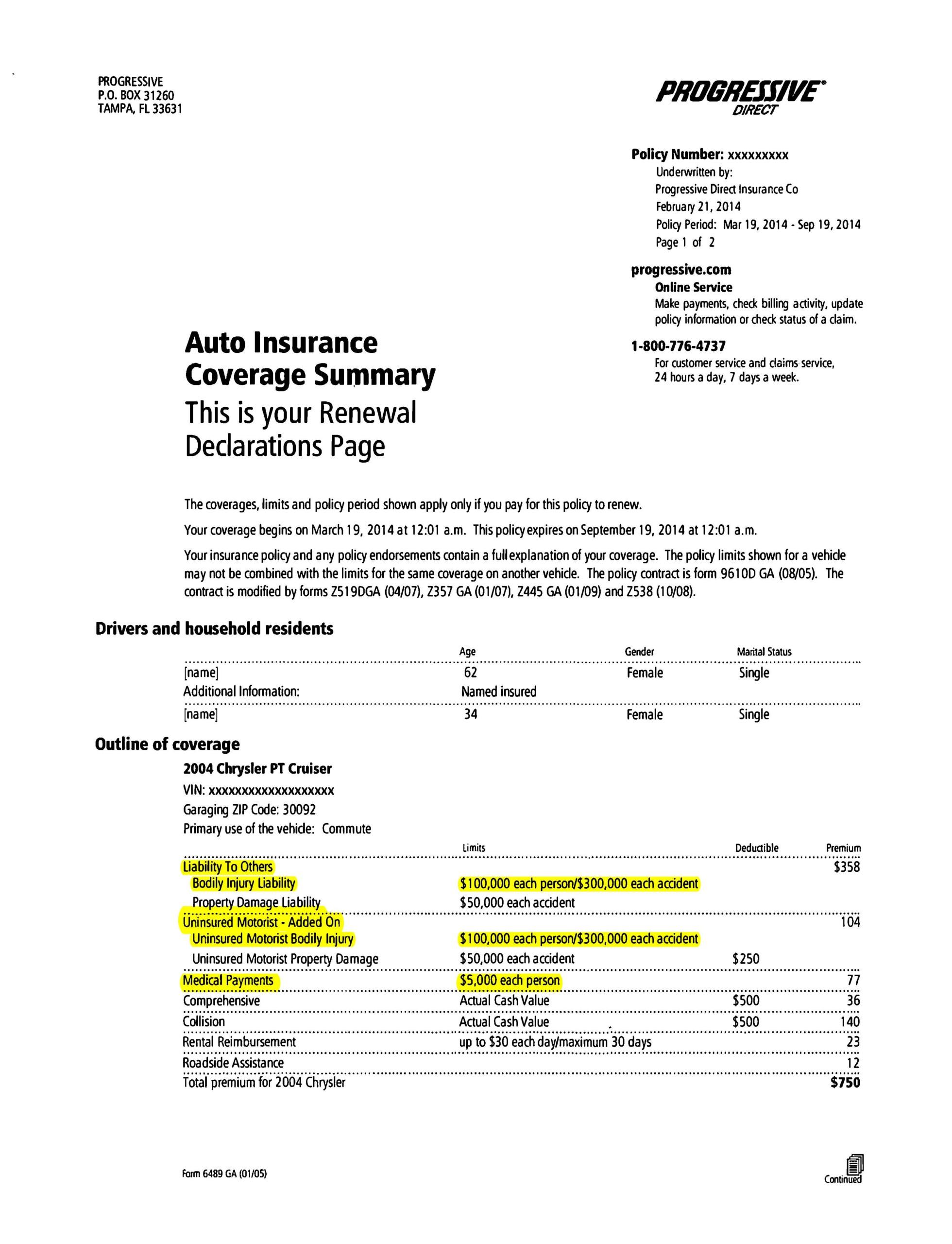
- Review Existing Policies: Check current declarations pages to understand existing deductibles, limits, and exclusions before shopping for new quotes.
- Gather Vehicle Information: Collect the VIN (Vehicle Identification Number), precise annual mileage estimates, and details regarding safety features or modifications.
- Compare Multiple Quotes: Obtain quotes from at least three different national and regional carriers. Ensure each quote uses identical coverage limits and deductibles for an accurate apples-to-apples comparison.
- Verify Carrier Financial Strength: Check independent rating agencies like A.M. Best to confirm the insurer has a solid financial history and a reliable track record for handling claims efficiently.
- Finalize and Implement: Review the final policy documentation carefully to ensure all requested discounts and endorsements are correctly applied before canceling previous coverage.
Frequently Asked Questions
Is PIP insurance mandatory in Texas?
Texas insurance code requires insurance companies to offer Personal Injury Protection (PIP) on every auto policy. However, it is not strictly mandatory to purchase; policyholders have the legal right to reject PIP in writing. Despite this option, keeping PIP is generally recommended because it provides immediate medical coverage without waiting to determine fault.
How does flood risk affect auto insurance in Sugar Land?
Standard comprehensive auto insurance covers vehicle damage caused by rising water, flash flooding, and severe weather common in the Greater Houston area. If a vehicle is submerged or hydroplanes into a flooded ditch, comprehensive coverage handles the repair or total loss payout, provided the policy includes this specific component.
Do I need uninsured motorist coverage if Texas law requires insurance?
Yes. Although state law mandates liability insurance, industry data shows that a notable percentage of motorists drive uninsured or carry only the bare minimum. Uninsured and Underinsured Motorist (UM/UIM) coverage protects you financially if one of these drivers hits you and cannot pay for your medical bills or vehicle repairs.
What is the difference between collision and comprehensive coverage?
Collision coverage pays for damage to your car resulting from a crash with another vehicle or object, such as a tree or guardrail. Comprehensive coverage protects against non-collision incidents, including theft, vandalism, fire, windstorms, hail, hitting an animal, and flood damage.
Can my credit score impact my auto insurance rates in Sugar Land?
Yes. Texas law allows insurance companies to use credit-based insurance scores as a rating factor when determining premiums. Insurers view credit history as a statistical indicator of risk, meaning drivers with higher credit scores often qualify for lower insurance rates.
How can I lower my auto insurance premium without reducing coverage?
You can lower your premium by increasing your deductibles, bundling your auto policy with home or renters insurance, maintaining a clean driving record, asking for professional or organizational discounts, and exploring telematics programs that track your driving habits.
Conclusion
Finding the right coverage in Sugar Land auto insurance is a critical financial safeguarding step that requires careful evaluation of state legal minimums, local weather hazards, and traffic patterns along regional corridors. By opting for higher liability limits, including comprehensive protection for flood and hail risks, and leveraging available discounts, drivers can secure comprehensive protection for their vehicles and financial futures.
Image Gallery