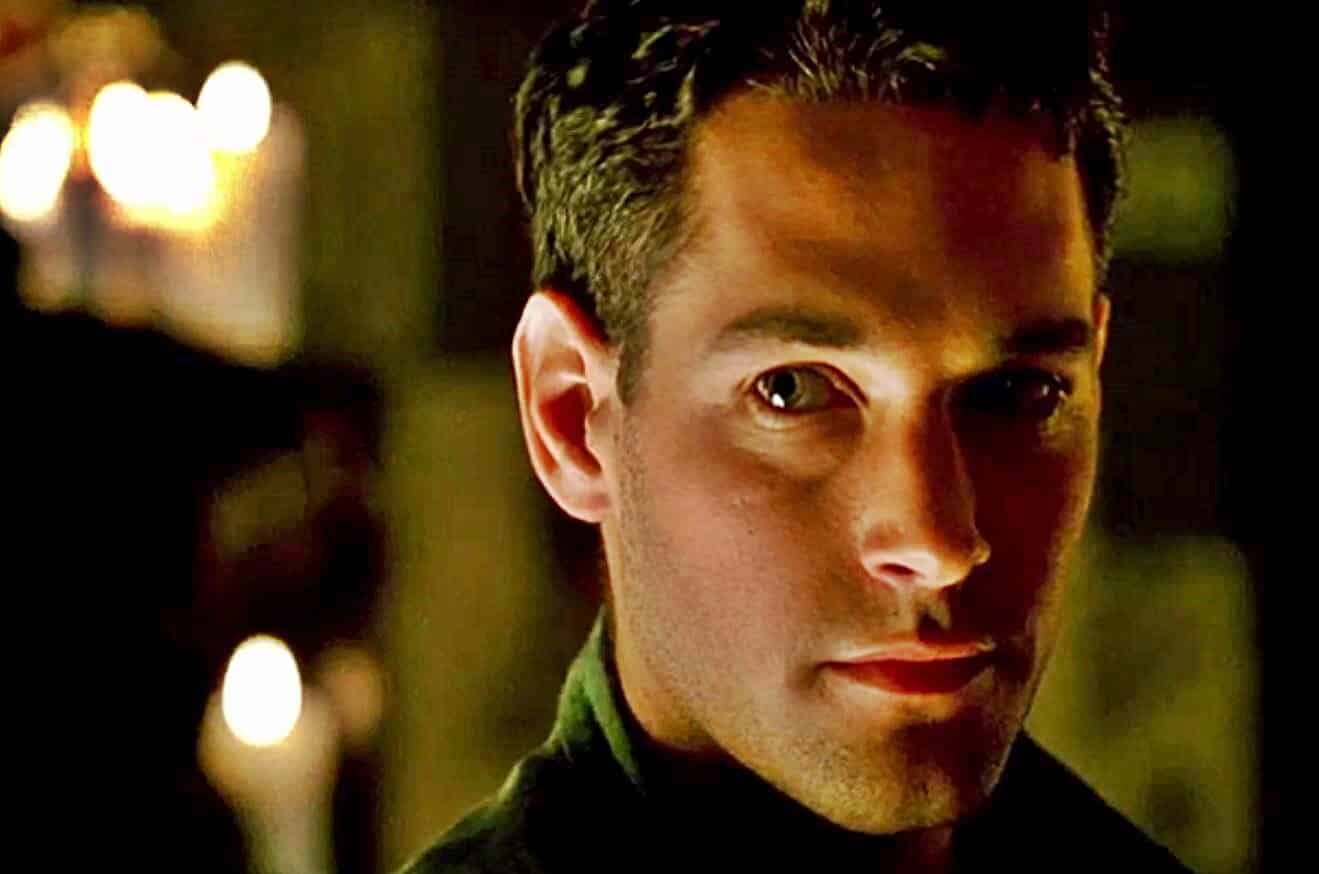
Brian Andrews: The Actor Who Played Tommy Doyle in John Carpenter's Halloween
Brian Andrews is the actor who played young Tommy Doyle in John Carpenter’s iconic 1978 slasher masterpiece, Halloween. His performance as the schoolboy tormented by bullies and ultimately saved by Dr. Samuel Loomis remains a memorable...
Brian Andrews is the actor who played young Tommy Doyle in John Carpenter’s iconic 1978 slasher masterpiece, Halloween. His performance as the schoolboy tormented by bullies and ultimately saved by Dr. Samuel Loomis remains a memorable part of horror cinema history.
Contents
The Origins of a Horror Classic and Casting Tommy Doyle
Released in October 1978, Halloween revolutionized the horror genre by introducing an unrelenting, masked antagonist named Michael Myers to quiet suburban neighborhoods. Directed by John Carpenter and co-written with Debra Hill, the film relied heavily on suspense, atmosphere, and the vulnerability of its characters. Among the most vulnerable characters in the narrative is Tommy Doyle, a young boy under the care of teenage babysitter Laurie Strode, played by Jamie Lee Curtis.
Casting child actors in pivotal horror films requires finding individuals who can convey genuine fear without fully understanding the macabre nature of the production. Brian Andrews secured the role of Tommy Doyle at a young age, bringing an innocent authenticity to the screen. In the script, Tommy is a young elementary school student who becomes obsessed with the local urban legend of the boogeyman, unaware that the malevolent entity is actively stalking his neighborhood. His dynamic with Jamie Lee Curtis's Laurie Strode establishes high emotional stakes, as Laurie's primary motivation shifts from self-preservation to protecting the children under her supervision.
Brian Andrews' Performance and Key Scenes
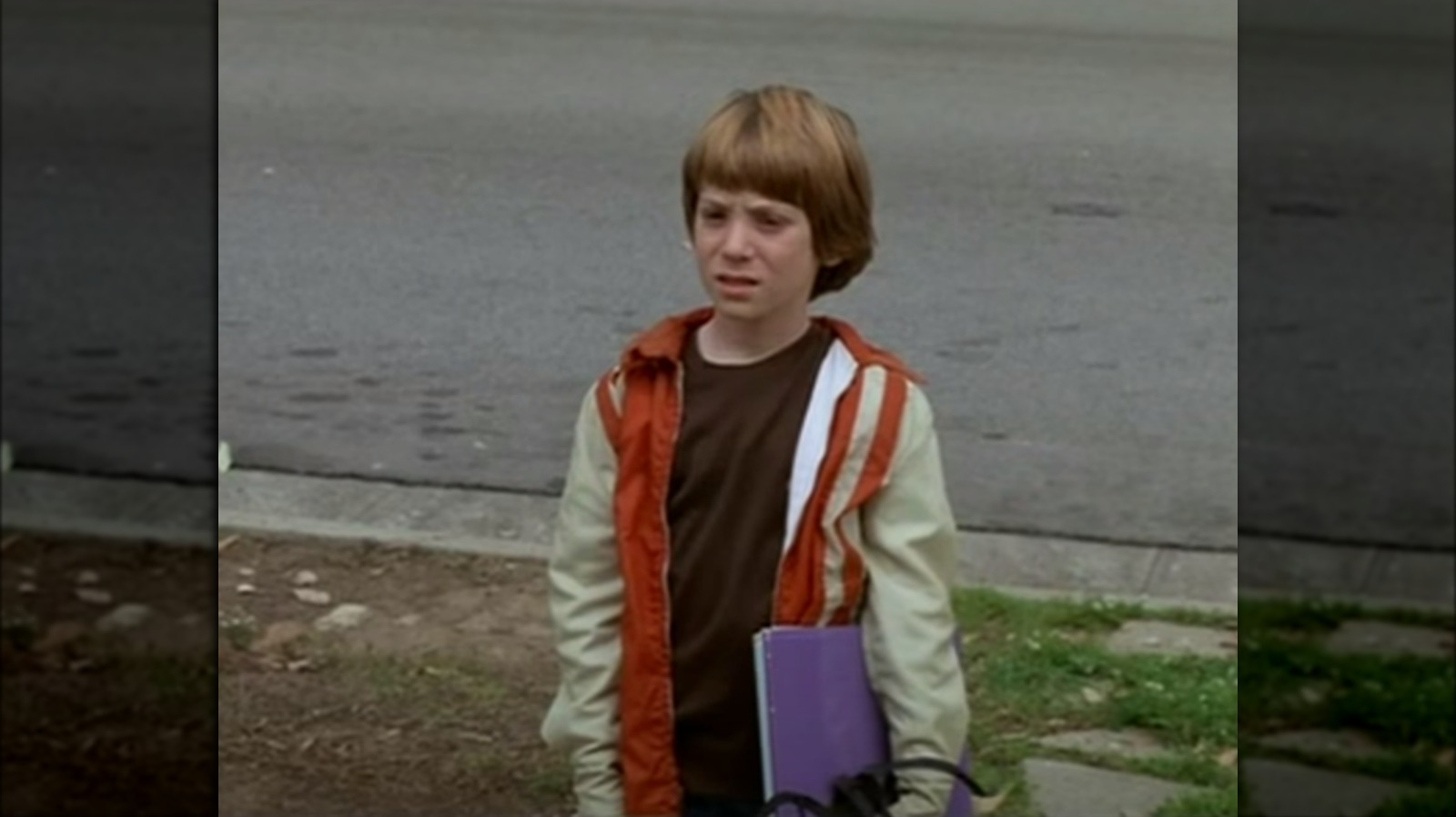
Brian Andrews' portrayal of Tommy Doyle is anchored by several tense, career-defining sequences. Most notably, Tommy is bullied by classmates on his way home from school, a sequence that introduces the character and establishes the indifferent autumn atmosphere of Haddonfield, Illinois. Later, while under Laurie's watch across the street from the Myers house, Tommy looks out the window and witnesses things that terrify him, cementing the thematic presence of the boogeyman.
One of the most enduring moments involving the character occurs near the climax of the film. After Michael Myers attacks Laurie inside the house, Tommy and his friend Lindsey Wallace flee to safety, guided by the timely intervention of Dr. Loomis, portrayed by Donald Pleasence. Andrews' reaction shots, conveying sheer terror and confusion, heighten the emotional weight of the finale. Despite having limited screen time compared to adult leads, Andrews made a lasting impression on horror enthusiasts, contributing to the cultural endurance of the Halloween franchise.
Career Context and Post-Halloween Projects
While Halloween stands as his most widely recognized cinematic credit, Brian Andrews pursued other acting opportunities in film and television during his youth. Child actors in the late 1970s and 1980s often navigated a landscape of episodic television, commercials, and independent film projects. Andrews appeared in various television productions following his breakout role, showcasing his versatility in dramatic and comedic settings.
Working on a low-budget independent film like Halloween required immense dedication from the entire cast and crew. Shot on location in Southern California during the spring of 1978, the production utilized creative lighting, Steadicam tracking shots, and an iconic synthesizer score composed by John Carpenter himself. For Andrews, participating in such a groundbreaking project laid the groundwork for an enduring legacy within pop culture, even as he transitioned away from mainstream Hollywood acting in his later years.
The Evolution of the Tommy Doyle Character in the Franchise
The character of Tommy Doyle did not end with the 1978 original film. Over the decades, the Halloween franchise expanded through sequels, remakes, and a legacy trilogy, allowing different actors to step into the role of Tommy as an adult. Understanding Brian Andrews' foundational portrayal provides context for how the character evolved in later cinematic iterations.
| Film Title | Release Year | Actor Portraying Tommy Doyle | Narrative Significance |
|---|---|---|---|
| Halloween | 1978 | Brian Andrews | Young boy saved by Dr. Loomis; establishes the character's innocence and trauma. |
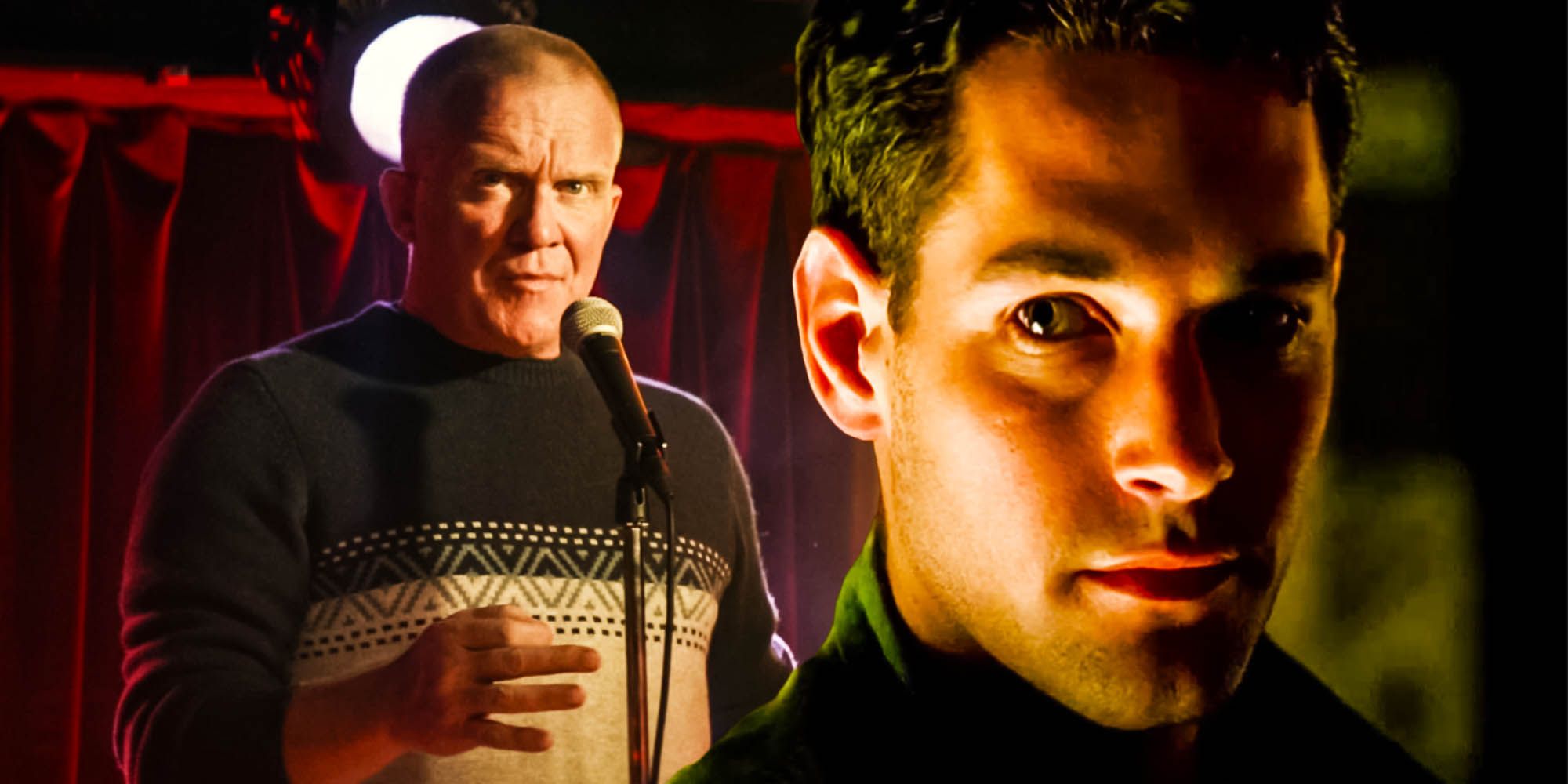
| Halloween: The Curse of Michael Myers | 1995 | Paul Rudd | Adult Tommy becomes an obsessive recluse tracking the mythology of Michael Myers. |
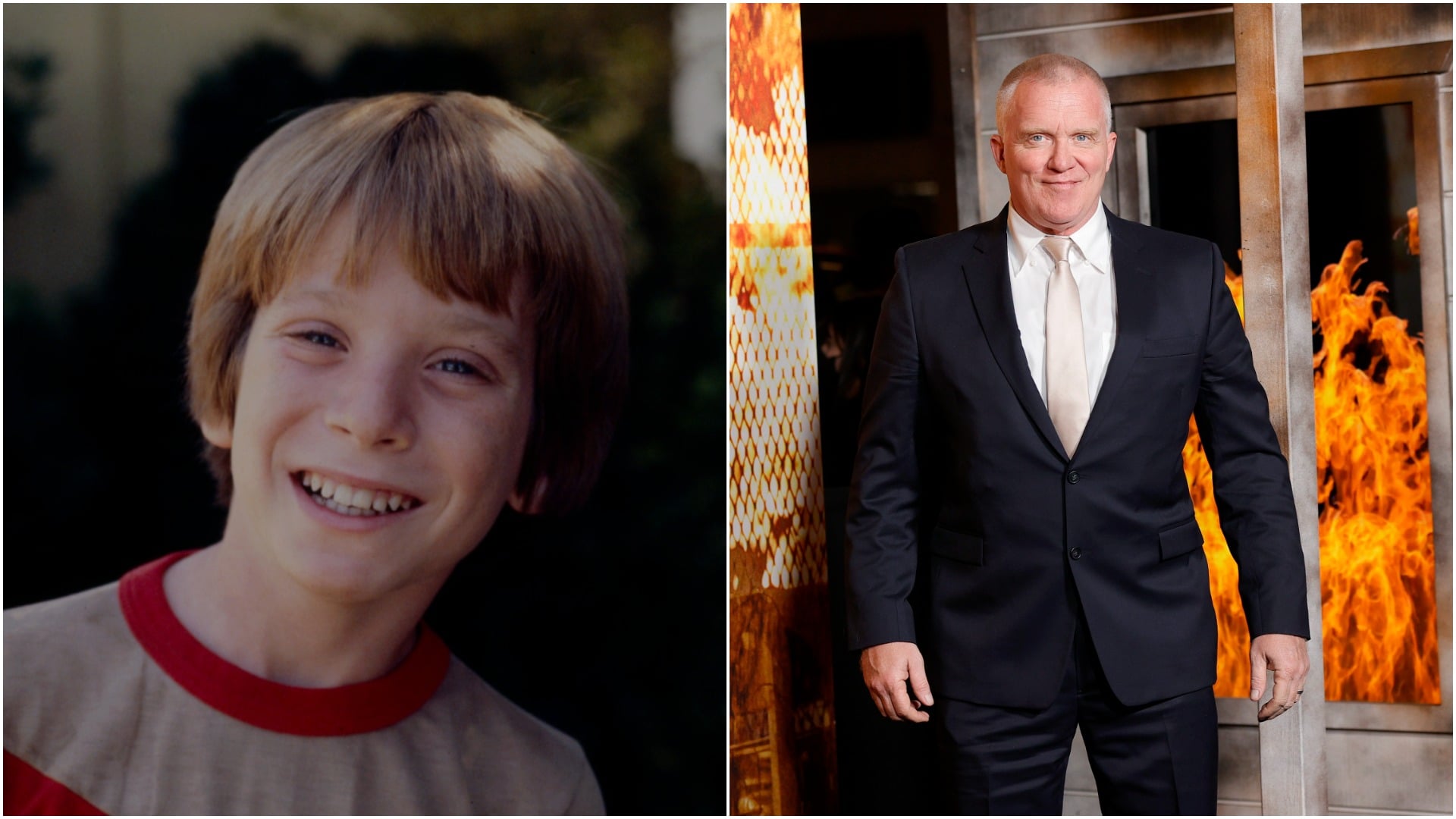
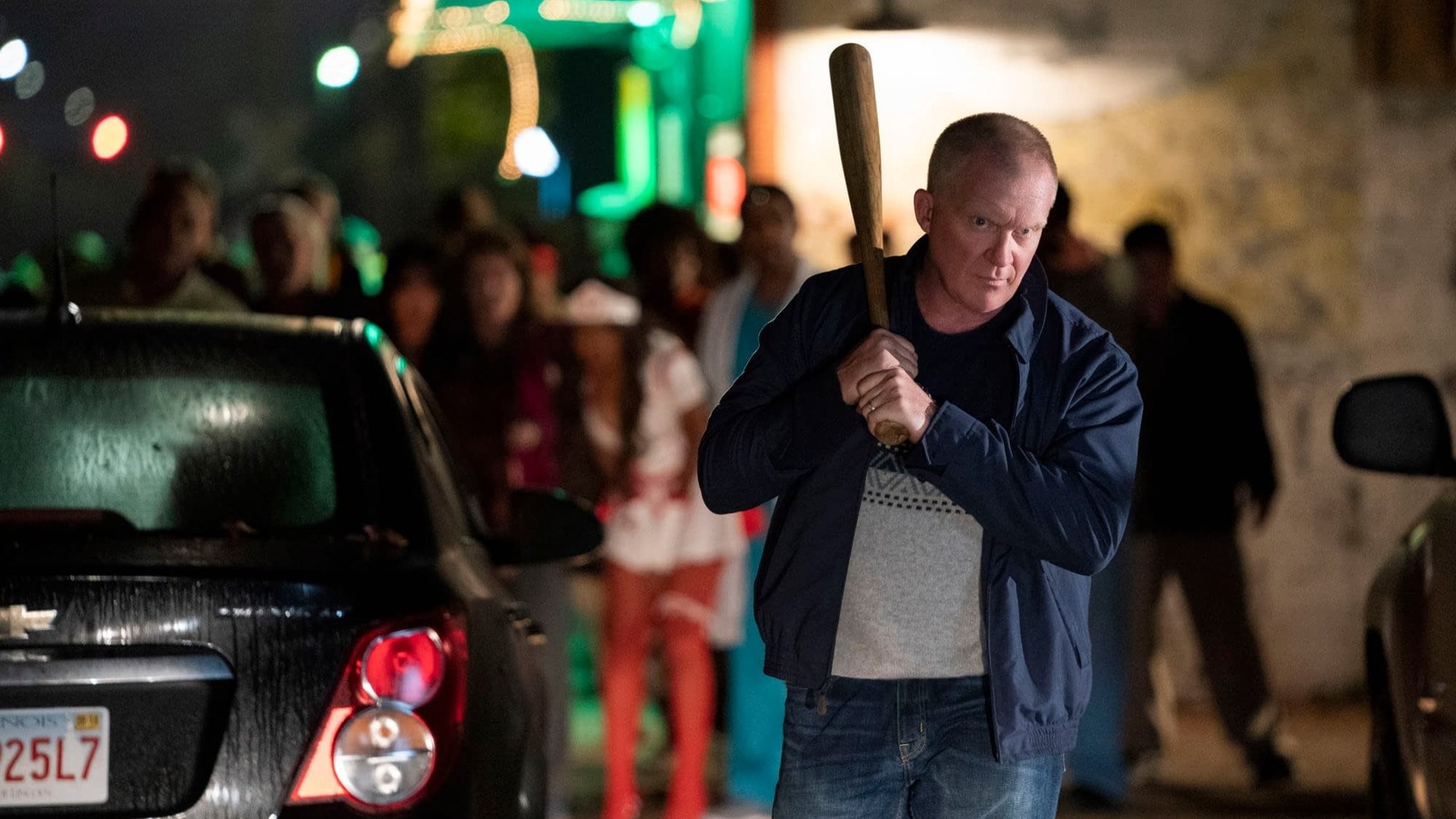
| Halloween Kills | 2021 | Anthony Michael Hall | Adult Tommy leads a vigilante mob against Michael Myers in Haddonfield. |
As shown in the table above, the character transformed from an innocent bystander into a complex adult shaped by the events of that fateful night in 1978. Paul Rudd took over the role in the sixth installment of the franchise, portraying Tommy as a haunted hermit living across from the dilapidated Myers house. Decades later, Anthony Michael Hall played an older, aggressive incarnation of Tommy in David Gordon Green's Halloween Kills, organizing the townspeople to hunt down the killer. Despite these varied interpretations, fans frequently return to Brian Andrews' original performance as the definitive baseline for the character's childhood trauma.
Convention Appearances and Fan Legacy
Even decades after the release of John Carpenter's original film, Brian Andrews remains an active and celebrated figure within the horror convention circuit. Horror enthusiasts frequently seek out Andrews at fan conventions, horror expos, and retrospective screenings to discuss the making of Halloween, working alongside Jamie Lee Curtis and Donald Pleasence, and the cultural phenomenon the film became.
Interactions with fans provide insight into the enduring appeal of 1970s horror cinema. Unlike modern CGI-heavy productions, Halloween relied on practical suspense and deeply relatable suburban settings. Andrews often shares anecdotes about working with John Carpenter, noting the director's calm demeanor on set and clear vision for creating tension. These retrospective accounts enrich the historical record of the film's production, offering modern audiences a direct link to a watershed moment in cinematic history.
Frequently Asked Questions
Who played Tommy Doyle in the original 1978 Halloween movie?
Brian Andrews played the young Tommy Doyle in John Carpenter's 1978 horror classic Halloween. His performance as the schoolboy who witnesses Michael Myers stalking the neighborhood remains a memorable element of the film's suspenseful atmosphere.
Did Brian Andrews return for any Halloween sequels?
No, Brian Andrews did not reprise his role as Tommy Doyle in any of the official sequels. The character was later portrayed as an adult by Paul Rudd in Halloween: The Curse of Michael Myers (1995) and by Anthony Michael Hall in Halloween Kills (2021).
What other acting projects has Brian Andrews worked on?
Aside from Halloween, Brian Andrews appeared in various television roles and minor film projects during his childhood and youth in the late 1970s and 1980s. He is primarily known by film historians and horror fans for his foundational contribution to the slasher genre.
How old was Brian Andrews when he filmed Halloween?
Brian Andrews was a child actor during the production of Halloween, which was filmed in the spring of 1978. His youthful appearance and natural reactions helped ground the vulnerability of the children under Laurie Strode's care.
Is Brian Andrews involved with the horror community today?
Yes, Brian Andrews occasionally participates in horror conventions, fan meetups, and retrospective panel discussions. He engages with fans of the franchise to celebrate the legacy of the 1978 film and share behind-the-scenes memories from the set.
Conclusion and Next Actions
Brian Andrews occupies a permanent place in cinematic history for his portrayal of Tommy Doyle in 1978's Halloween. For viewers seeking to explore the film deeper, watching the original feature with commentary tracks, reading retrospective production histories, or attending horror conventions where original cast members appear offer valuable ways to understand the enduring impact of this foundational slasher film.
Image Gallery