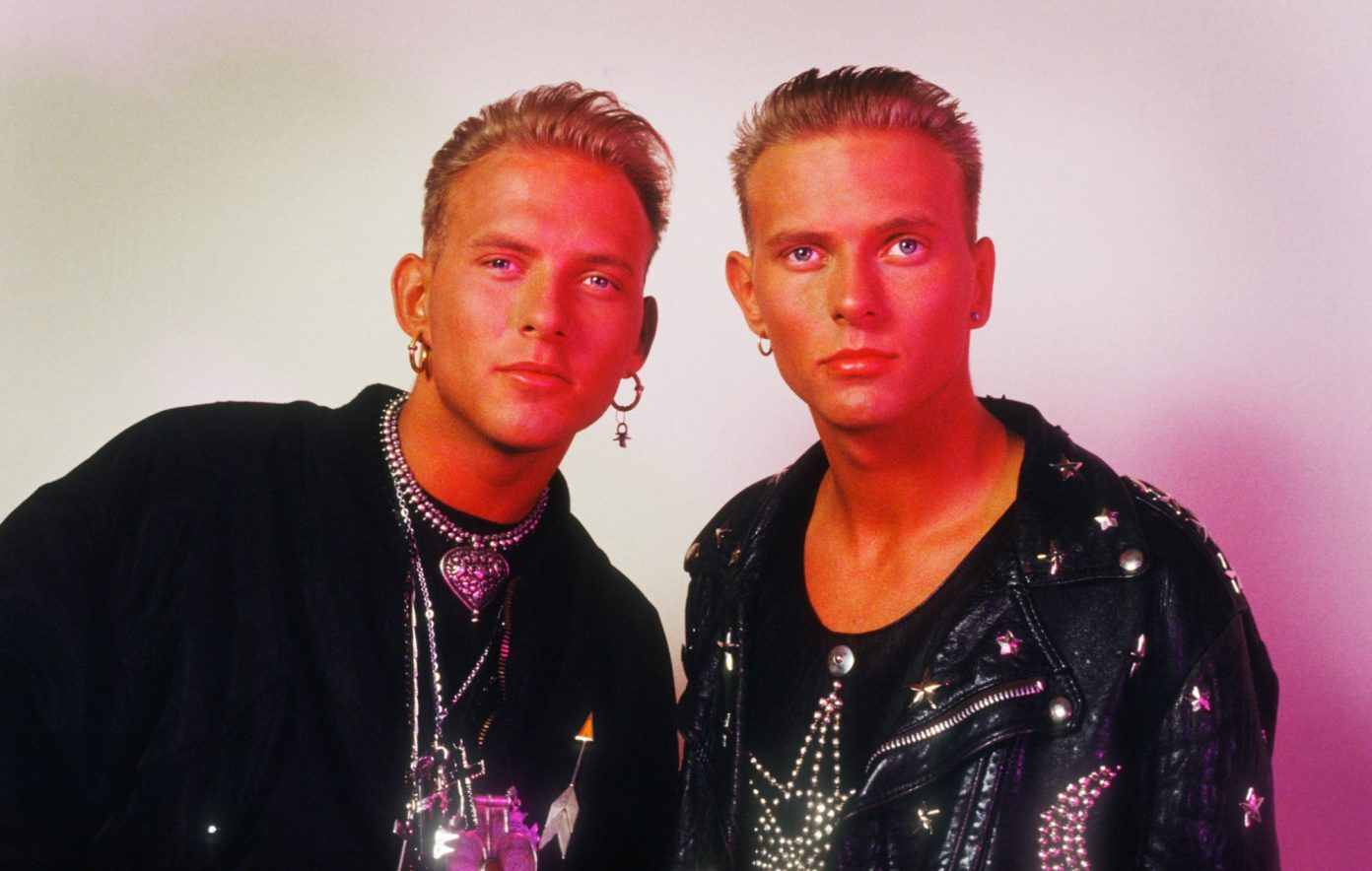
Matt Goss Band Evolution and Ongoing Debates: From Bros to Solo Mastery
Matt Goss’s band evolution reflects a sophisticated transition from the synth-pop mania of Bros to a high-gloss Las Vegas residency featuring a full big-band orchestra, eventually returning to a contemporary pop-rock ensemble. Ongoing...
Matt Goss’s band evolution reflects a sophisticated transition from the synth-pop mania of Bros to a high-gloss Las Vegas residency featuring a full big-band orchestra, eventually returning to a contemporary pop-rock ensemble. Ongoing debates primarily center on the creative friction between Matt and his brother Luke, the authenticity of his "Vegas" persona, and the struggle to balance nostalgia with modern artistic growth.
Contents
The Foundation: The Bros Era and the Power Trio Dynamics
The evolution of Matt Goss as a musician and bandleader begins with the meteoric rise of Bros in the late 1980s. Formed alongside his twin brother Luke Goss and bassist Craig Logan, the band’s initial configuration was a classic teen-pop power trio. However, the musical architecture was heavily reliant on the production of Tom Watkins and the songwriting contributions of Nicky Graham.
During this period, the "band" was less of a collaborative unit and more of a cultural phenomenon. The evolution within this era was marked by two distinct phases: the trio phase and the duo phase. Following Craig Logan's departure in 1989 due to illness and the pressures of fame, the band evolved into a duo. This shift forced a technical change in their live arrangements, placing a heavier emphasis on Luke’s drumming and Matt’s maturing vocals. The debate during this time focused on whether Bros could survive as a duo, a question answered by the success of the album The Time, which showcased a more soul-influenced sound compared to the bubblegum pop of Push.
The eventual dissolution of Bros in 1992 was not just a commercial end but a creative pivot point. The ongoing debate regarding this era often explores the financial mismanagement that plagued the band, leaving the brothers with little to show for their massive success and forcing Matt to reconstruct his musical identity from the ground up in the United States.
The Las Vegas Transformation: The Big Band Era
In the early 2000s, Matt Goss underwent one of the most radical evolutions in modern pop history. Moving to Los Angeles and eventually securing a residency in Las Vegas at Caesars Palace (and later The Mirage), he abandoned the remnants of 80s synth-pop for a sophisticated, "Rat Pack"-inspired big-band aesthetic.
Technical Complexity of the Vegas Band
The "Matt Goss Show" in Vegas was a masterclass in musical arrangement. Unlike the programmed backing tracks of his early career, this era featured:
- A Full Horn Section: Typically including trumpets, saxophones, and trombones, providing a wall of sound that defined his residency.
- The "Dirty Virgins": A professional dance troupe that added a theatrical layer to the musical performance, blurring the lines between a concert and a cabaret.
- Orchestral Arrangements: Many of his Bros-era hits were completely reimagined. For example, "When Will I Be Famous?" was slowed down into a soulful, swing-style ballad, sparking debate among purists about the "sanitization" of his pop roots.
This evolution was a strategic move to establish Goss as a world-class crooner. However, the ongoing debate regarding this period focuses on whether the Vegas polish masked the "raw" artist that fans fell in love with in the UK. Critics argued that the residency, while technically flawless, distanced him from the contemporary music charts, positioning him as a legacy act rather than a current innovator.
The 2017 Reunion: "After the Screaming Stops" and Creative Tension
The 2017 Bros reunion at the O2 Arena in London was a landmark moment in the band's evolution, largely because it was documented in the BAFTA-winning film After the Screaming Stops. This documentary provided an unprecedented look at the internal dynamics of the Goss band evolution.
The film ignited a massive public debate about the relationship between the two brothers. On one side, Matt was seen as the perfectionist frontman, deeply invested in the technical nuances of the sound and the "grandeur" of the performance. On the other, Luke was portrayed as the grounded backbone, struggling to find his voice within a project that Matt had dominated for decades.
From a musical standpoint, the reunion band was a hybrid of their 80s electronic roots and the sophisticated live instrumentation Matt had mastered in Vegas. The debate here shifted from the music itself to the psychological toll of the "band" dynamic. Fans and psychologists alike analyzed the sibling rivalry, questioning whether a band can ever truly evolve if the members remain stuck in the roles they occupied as teenagers.
Contemporary Evolution: "The Beautiful Unknown" and 2026 Status
As we look at the landscape in 2026, Matt Goss has successfully transitioned out of the strict Vegas "crooner" mold and back into a contemporary pop-rock space. His 2022 album, The Beautiful Unknown, marked a deliberate effort to create music that felt current, stripped of the big-band horns and replaced with modern synthesizers and organic guitar work.
The 2023-2026 Touring Ensemble
Matt’s current band configuration is designed for versatility. Following his "Matt Goss Is Coming Home" tour, his ensemble now prioritizes:
- Sonic Hybridity: The ability to switch between high-energy pop, acoustic intimacy, and the occasional swing flourish.
- Technological Integration: Using modern sampling and live looping to recreate the lush production of his studio albums without losing the "live" feel.
- Collaborative Input: Unlike the Vegas era, where Matt was the singular "boss," his current band members are often highlighted as individual artists, reflecting a more mature approach to group dynamics.
The ongoing debate in 2026 focuses on his "re-branding." Is Matt Goss a pop star, a crooner, or a legacy act? His refusal to be pinned down to a single genre is both his greatest strength and a point of contention for marketing professionals who struggle to categorize his multifaceted career.
Comparison of Matt Goss Band Eras
The following table outlines the technical and stylistic shifts across the three primary stages of the band’s evolution.
| Feature | The Bros Era (1987-1992) | The Vegas Era (2009-2019) | The Modern Solo Era (2022-2026) |
|---|---|---|---|
| Primary Genre | Synth-Pop / Teen Pop | Swing / Big Band / Jazz | Contemporary Pop / Adult Contemporary |
| Key Instruments | Roland D-50, Yamaha DX7, Electric Drums | 11-piece Horn Section, Baby Grand Piano | Electric/Acoustic Guitars, Modern Synths |
| Stage Presence | High-energy, choreographed pop | Sophisticated, Rat Pack crooner | Authentic, singer-songwriter focus |
| Band Dynamic | Trio evolving into Sibling Duo | Matt as "The Boss" / Band Leader | Collaborative Solo Project |
| Core Audience | "Gossies" (Teenage demographic) | Vegas tourists / Mature fans | Diverse, cross-generational legacy fans |
Technical Analysis of Live Performance Evolution
The debate over Matt Goss’s live performances often revolves around his vocal delivery. In the Bros era, his voice was characterized by a youthful, breathy tenor that suited the upbeat production of the time. However, the Vegas years required him to develop a much stronger lower register and greater vocal stamina to compete with a loud horn section.
Technical observers have noted that his current band setup in 2026 utilizes much more sophisticated monitoring systems, allowing Matt to experiment with "blue notes" and jazz-inflected phrasing that wasn't possible during the stadium-filling days of the 80s. This evolution has led to a debate about "vocal indulgence." Some fans prefer the straightforward pop delivery of his youth, while others appreciate the technical complexity and improvisational nature of his modern live sets.
Furthermore, the shift in band leadership style is significant. In the Bros era, decisions were often made by management (Tom Watkins). In Vegas, Matt took total control, overseeing everything from the lighting to the costumes of the dancers. In 2026, there is a visible move toward a "musical director" model, where Matt provides the vision but allows his MD to handle the granular technical execution, resulting in a tighter, more cohesive sound.
Addressing the Ongoing Debates
The "Vegas Persona" vs. British Roots
A recurring debate in the UK press is whether Matt Goss "lost his way" in the glitz of Las Vegas. Critics often point to his Americanized accent and penchant for high-concept stage banter as evidence of a disconnect from his London roots. However, supporters argue that the Vegas residency was a survival mechanism that allowed him to refine his craft while the UK music industry was largely ignoring 80s legacy artists.
The Luke Goss Reunion Question
Will there ever be another Bros album? This is the most persistent debate in the fandom. While Matt has expressed a constant desire to work with his brother, Luke has focused heavily on his film career and personal art. The band’s evolution is currently "stalled" as a duo, with Matt operating as a solo artist who carries the Bros torch. The debate remains: is the "Matt Goss Band" truly complete without the rhythmic foundation provided by his twin?
Musical Relevancy in 2026
In an era dominated by TikTok-driven hits and streaming algorithms, the debate over Matt Goss’s relevancy is heightened. His evolution into a more organic, guitar-driven pop sound is seen by some as a desperate attempt to stay "cool," while others view it as a natural progression for an artist who has spent four decades in the spotlight.
FAQ
Has Matt Goss officially retired the "Big Band" sound?
Not entirely. While his 2026 focus is on contemporary pop, he frequently incorporates "Swing Suites" into his live performances. He views the big-band sound as a permanent part of his musical vocabulary, even if it is no longer the primary focus of his studio recordings.
Who is the current Musical Director for Matt Goss?
As of 2026, Matt Goss works with a rotating roster of high-caliber musical directors, often drawing from the pool of session musicians who have worked with artists like Robbie Williams and George Michael. This ensures a "British Pop" sensibility is maintained in his arrangements.
How did the documentary "After the Screaming Stops" affect his band's reputation?
Initially, the documentary made the band a target for memes due to the brothers' eccentric quotes. However, over time, it shifted the debate toward a deep respect for their work ethic and the technical difficulties of performing at a high level after decades apart. It humanized the "band evolution" process.
Does Matt Goss still play Bros songs in his current band setup?
Yes, but the arrangements have evolved significantly. Songs like "I Owe You Nothing" are often performed with a modern rock edge or as stripped-back acoustic versions, reflecting his current artistic identity rather than a direct carbon copy of the 1988 versions.
What is the main point of contention between Matt and Luke regarding the band?
The debate usually centers on "creative space." Matt is a prolific songwriter and singer who thrives in the studio and on stage, whereas Luke often seeks a more balanced lifestyle and creative input that isn't overshadowed by Matt's intense professional drive.
Practical Recommendation for Fans and Critics
To truly understand the Matt Goss band evolution, one should listen to the 1988 album Push followed immediately by the 2022 album The Beautiful Unknown. This juxtaposition highlights the journey from manufactured pop to independent artistic expression. For those following the ongoing debates, the 2017 documentary remains the essential primary source for understanding the psychological and technical hurdles the band has faced. In 2026, the best way to experience his evolution is through his live performances, which currently offer the most balanced representation of his 40-year career.
Image Gallery