Crafting Elphaba’s Hair in the Wicked Film: Micro-Braids, Wig Design, and Character Artistry
In the feature film adaptation of Wicked, Elphaba’s hair—designed by Oscar-winning hair and makeup designer Frances Hannon in close collaboration with star Cynthia Erivo—features intricately crafted human-hair lace-front wigs styled in...
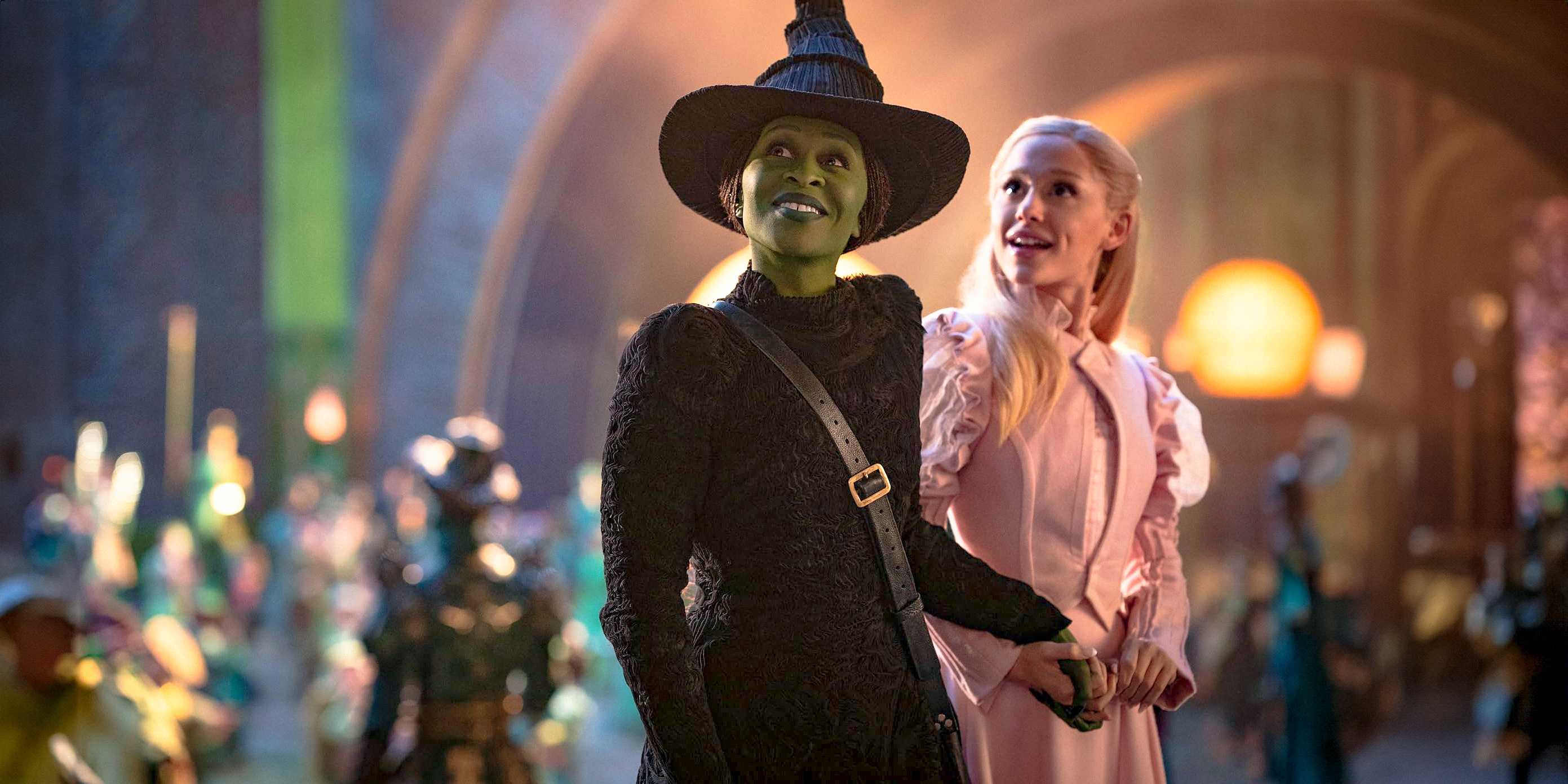
In the feature film adaptation of Wicked, Elphaba’s hair—designed by Oscar-winning hair and makeup designer Frances Hannon in close collaboration with star Cynthia Erivo—features intricately crafted human-hair lace-front wigs styled into fine micro-braids and micro-locs. This design departs from the traditional straight theatrical wig, blending cultural heritage with high-performance cinema wigmaking.
Contents
The Cultural and Artistic Vision Behind Elphaba’s Hair
When bringing Wicked from the Broadway stage to the screen, Director Jon M. Chu and hair department head Frances Hannon sought to ground the magical world of Oz in tangible texture and deep character storytelling. Central to this visual reimagining was lead actor Cynthia Erivo, who advocated for incorporating micro-braids and micro-locs into Elphaba's character design.
On stage, Elphaba has traditionally been portrayed wearing a long, straight, jet-black wig. This style was originally designed to contrast sharply with Glinda’s voluminous blonde curls and to provide a silhouette easily recognizable from the upper balconies of large musical theaters. For the high-definition lens of modern cinema, however, a smooth synthetic or flat human-hair wig can easily look rigid or artificial under close-up lighting.
Erivo and Hannon recognized that micro-braids provided several distinct narrative and practical advantages:
- Cultural Grounding: Incorporating tactile, braided textures honored Erivo’s Black heritage, allowing the actor to feel fully connected to the character while introducing authentic representation into the fantasy realm of Oz.
- Visual Complexity: Micro-braids react dynamically to directional cinematic lighting. Rather than appearing as a solid black mass on film, the braided strands catch subtle highlights, creating dimension against Elphaba’s signature green skin tone.
- Organic Movement: Fine braids move with weight and fluid momentum during dramatic choreography and aerial sequences, offering a grounded realism that straight synthetic hair cannot replicate under high-speed camera capture.
Technical Wig Construction and Material Specifications
Translating the visual concept of micro-braided hair into functional movie wigs required rigorous engineering by master wigmakers. Because film shooting schedules demand long hours under hot studio lights, multiple identical copies of each wig unit must be built to withstand physical stunts, weather effects, and daily wear.
- HD Film-Grade Swiss Lace
- Hand-Knotted Base Layer (Human Hair Roots)
- Individually Micro-Braided Extensions (Deep Off-Black & Espresso Tones)
- Custom Cutout & Edge Seating for Green Skin Prosthetic Barrier
Hair Sourcing and Color Blending
The film’s hair department selected high-grade, ethically sourced natural human hair. Pure jet-black hair often reads flat or artificially blue-black under digital cinema cameras. To combat this, the wigmakers blended several distinct shades:
- Natural Off-Black (#1B): Serves as the primary shade to ground the depth of the hair piece.
- Darkest Espresso Brown (#2): Intermingled throughout the inner braids to absorb studio illumination without reflecting harsh glare.
- Subtle Mahogany Tones: Hand-knotted into select undertones to add warmth against the green makeup base.
Micro-Braid Craftsmanship
Each wig utilized for Erivo’s performance comprised thousands of individual micro-braids. Professional wig artisans hand-knotted small clusters of hair into high-definition Swiss lace frontals before meticulously plaiting each section down the entire length. This process requires hundreds of hours per unit.
The density of the wig was carefully calculated—typically balanced between 150% and 180% density—to ensure fullness without adding unnecessary bulk around the nape of the neck or preventing the proper fit of costume headwear.
Overcoming Film-Set Challenges: Prosthetics, Stunts, and Hats
Operating on a major feature film production introduces extreme environments that test hairpieces to their technical limits. The hair team faced three primary operational hurdles during the filming of Wicked.
1. Managing the Green Makeup Boundary
Elphaba’s full-body green skin makeup presented a delicate chemical challenge for the hair team. Traditional lace-front wig installation relies on skin-safe spirit gum or acrylic adhesives applied directly to the hairline. However, the green cosmetic base (a combination of specialized cream and setting agents) can breakdown wig glues or seep into the fine mesh of the lace, causing discoloration and loosening the hairpiece.
To resolve this, the makeup and hair departments devised a precise layer sequence:
- The actor’s scalp was prepared with a protective skin barrier and wrapped flat.
- The green skin formulation was applied up to a pre-mapped hairline grid.
- Medical-grade, waterproof adhesive strips were positioned over cleared skin contact zones.
- The custom lace-front wig was laid down, pressed, and sealed with an alcohol-based setting vapor to prevent color bleeding onto the individual front braids.
2. Aerial Rigging and High-Speed Stunts
During major musical numbers such as "Defying Gravity," Erivo performed extensive wirework suspended high above the soundstage floor. Strong wind machines were deployed simultaneously to create dramatic atmospheric effects.
Standard pin-and-lace fitment is insufficient for high-speed wire sequences. The wig department constructed reinforced inner caps featuring custom-molded silicone grips and secondary elastic tension straps anchored around the crown. This internal structure kept the wig immovable during inverted aerial movement without placing tension on the actor's natural hairline.
3. Fitting the Iconic Witch Hat
Elphaba’s wide-brimmed, pointed witch hat is an essential silhouette element. Standard theatrical hats can compress braided hair, flattening the shape or causing the wig lace to shift backward off the forehead.
The costume and hair teams engineered the internal crowns of Elphaba’s hats with recessed inner domes. This structural tailoring accommodated the volume of the micro-braids without altering the hat’s resting angle or pulling the lace-front boundary out of alignment.
Comparing Stage vs. Screen Hair Design for Elphaba
The transition of Wicked from the stage to the screen necessitated significant updates to hair mechanics, material choices, and character aesthetics.
| Feature / Metric | Broadway & West End Stage Productions | Feature Film Adaptation (Wicked) |
|---|---|---|
| Primary Hair Style | Long, straight, uniform black hair | Intricate micro-braids and micro-locs |
| Hair Type / Material | High-grade synthetic or human hair blend | 100% Premium ethically sourced human hair |
| Base Construction | Heavy-duty stage lace cap designed for durability | Ultra-fine HD Swiss lace optimized for close-ups |
| Color Spectrum | Uniform solid jet-black (#1) | Custom blend of #1B, #2, and deep mahogany |
| Hat Integration | Internal hat pins anchored into wrapped hair mic-packs | Custom-molded hat domes with recessed inner volume |
| Maintenance Cycle | Daily steam re-straightening and wash schedules | Constant braid tension checks and multi-wig rotation |
| Visual Texture | Flat surface designed for broad stage spotlighting | Multi-dimensional weave designed for 8K cameras |
Step-by-Step Maintenance and Application Protocol
Maintaining complex micro-braided wigs on an active movie set requires strict daily maintenance protocols. The following workflow outlines how the hair department managed Elphaba's wig units across the production cycle:
- Morning Prep: Scalp Barrier & Cap
- Align HD Swiss Lace to Mapped Hairline
- Apply Medical Acrylic Adhesive & Press
- Apply Green Cosmetic Base up to Lace Border
- Mid-Day Check: Braid Tension & Edge Seal
- Wrap & De-glue Lace Base Post-Filming
Phase 1: Call-Sheet Application
- Scalp Prep: The actor's natural hair is braided flat in tight cornrows and secured under a breathable, skin-toned barrier cap.
- Lace Positioning: The designated wig for the day's scene (e.g., hero, stunt, or wet-weather unit) is placed onto the head, matching micro-dots marked along the temporal bones.
- Adhesive Bonding: A thin layer of medical-grade acrylic adhesive is stippled onto the skin boundary, allowed to become tacky, and the HD Swiss lace is pressed in with a fine-toothed wooden comb.
- Makeup Blending: The makeup artist paints the green cosmetic layer right up to the edge of the lace, using specialized stippling sponges to disguise the lace transition seamlessly.
Phase 2: On-Set Maintenance
- Edge Inspection: Between takes, stylists check the temple lines using magnifying loupes to spot any lifted lace caused by sweat or physical exertion.
- Braid Refresh: Lightweight dry oils are lightly misted onto the lower lengths of the micro-braids to maintain a natural sheen without leaving greasy residue that could transfer to costuming.
Phase 3: Post-Wrap Stripping and Care
- Solvent Release: Citrus-based skin solvents are applied along the lace line via precision droppers to break down the adhesive bond without pulling delicate perimeter hairs.
- Cleaning: The lace edge is gently cleaned with isopropyl alcohol on a soft lint-free cloth to strip setting powders and green paint residues.
- Storage: The wig is pinned to a custom block matching the exact dimensions of the actor's head shape to preserve its structure overnight.
Practical Styling Tips for Cosplayers and Theater Performers
Recreating the movie-accurate Elphaba micro-braided look requires careful attention to wig selection, cap construction, and green makeup integration.
Choosing the Right Base Wig
Avoid pre-braided synthetic wigs with thick knotting at the lace edge, as these can look bulky and unrealistic. Look for a full lace human hair wig or a large-format 13x6 lace front wig with a density of 150%. Opt for hair colors labeled as Off-Black (#1B) rather than standard pure black (#1) to achieve a cinematic appearance.
Executing the Micro-Braids
If braiding the wig yourself:
- Section the hair into grid squares no larger than 2 millimeters by 2 millimeters along the front hairline.
- Keep braid tension consistent to prevent pulling individual hairs out of the hand-knotted lace base.
- Seal the ends of the braids using boiling water or small, unnoticeable elastic bands matched to the color of the hair.
Managing Makeup Separation
When applying green body paint alongside a braided wig:
- Apply your skin barrier and wig glue before applying green cosmetics to ensure a strong bond directly to the skin.
- Use a translucent setting powder over the glue boundary before dabbing green paint over the visible lace.
- Keep extra spirit gum solvent and small cotton swabs in your kit for immediate touch-ups if makeup touches the braided strands.
Accommodating Costumes and Hats
If your costume includes a structured witch hat, measure your head circumference while wearing the braided wig. Purchase or build your hat one size larger than your standard head measurement to prevent crushing the braided texture or pulling the wig boundary off your forehead.
Frequently Asked Questions
Did Cynthia Erivo wear her real hair or a wig in the Wicked film?
Cynthia Erivo wore custom human-hair lace-front wigs styled into micro-braids for her role as Elphaba. Using bespoke wigs protected her natural hair from the daily wear of adhesives, stunt harnesses, and stage makeup while allowing the hair department to maintain identical styling across multiple filming units.
Who was the hair designer behind Elphaba’s look in the movie?
The hair and makeup department was led by Oscar-winning designer Frances Hannon. Hannon worked directly with Cynthia Erivo, director Jon M. Chu, and makeup team members to conceptualize and craft Elphaba’s distinctive braided hairstyle.
Why did the film adaptation change Elphaba’s hair from straight to micro-braids?
The shift to micro-braids brought tactile depth and cultural authenticity to the character on screen. Micro-braids react better to high-definition cinema lighting, offering fluid movement during action scenes while reflecting Cynthia Erivo’s vision for the character’s heritage.
How did the makeup team stop the green body paint from ruining the wig lace?
The hair and makeup crews used a multi-step application process. The wig was secured to clean skin using waterproof medical adhesives before any green foundation was applied. Specially formulated setting powders and alcohol-soluble makeup bases were stippled right up to the edge of the lace to prevent oils and pigments from soaking into the hair fibers.
How many wigs were created for Elphaba during the production?
Film productions of this scale typically manufacture multiple duplicate wigs for lead characters. Separate units are dedicated to hero close-ups, physical stunt work, aerial wire flying, and wet or rainy scenes, ensuring the character's appearance remains consistent throughout the movie.
Recommended Next Actions
To explore the hair and makeup craft of Wicked further or apply these techniques to your own creative projects:
- Analyze High-Definition Production Stills: Study close-up stills of Elphaba from Universal Pictures' promotional releases to inspect the braid density, lace melting techniques, and edge placement under professional lighting.
- Source High-Grade Materials for Wig Builds: If replicating the look, select HD Swiss or HD French lace frontals with human hair in shade #1B. Avoid high-gloss synthetic fibers that absorb green pigment and create unrealistic camera glare.
- Practice Makeup-to-Lace Blending: Master the art of applying skin barriers and medical adhesives prior to cosmetic foundations. Practice stippling color over lace edges on a training mannequin to refine your technique before working on a live performer or cosplayer.
Image Gallery