Exploring the Biological, Genetic, and Behavioral Factors Behind Why Women Live Longer
Statistical data consistently demonstrates that women outlive men across virtually all human populations and historical periods, a longevity gap driven by a complex interplay of genetic protection, hormonal influences, immune system dy...
Statistical data consistently demonstrates that women outlive men across virtually all human populations and historical periods, a longevity gap driven by a complex interplay of genetic protection, hormonal influences, immune system dynamics, and behavioral patterns.
Contents
Demographic data and public health registries worldwide consistently show that women outlive men, a phenomenon observed across diverse socioeconomic conditions and geographic regions. This longevity gap is not the result of a single mechanism; rather, it stems from a multifactorial foundation encompassing human biology, genetic architecture, endocrinology, and behavioral differences. While lifestyle habits account for a portion of the mortality disparity, biological and genetic factors establish a foundational resilience that protects women against many age-related pathologies and acute health crises.
Genetic Architecture and the Protection of the Second X Chromosome
At the microscopic level, human genetics plays a foundational role in determining lifespan potential. Biological females typically inherit two X chromosomes (XX), whereas biological males inherit one X and one Y chromosome (XY). This genetic distinction provides women with a vital biological backup system known as X-chromosome complementation.
The Y chromosome is significantly smaller than the X chromosome and contains relatively few genes, many of which are dedicated to male sex determination and reproductive functions. In contrast, the X chromosome carries hundreds of genes critical for vital cellular functions, brain development, and immune system regulation. If a gene mutation occurs on one of a woman's X chromosomes, the corresponding gene on her second X chromosome can often produce normal, healthy proteins, effectively masking the deleterious effects of the mutation.
Men, possessing only a single X chromosome, lack this genetic redundancy. Consequently, X-linked recessive genetic disorders—such as hemophilia, certain types of muscular dystrophy, and specific immune deficiencies—manifest much more frequently in men because a single mutated gene on their only X chromosome cannot be compensated for. This fundamental genomic difference reduces the lifetime incidence of various inherited vulnerabilities in women, contributing to a more stable cellular environment over decades of life.
Hormonal Influences and Cardiovascular Health
Endocrine differences, specifically the role of sex hormones, offer another primary explanation for the longevity gap. Throughout much of their lives, women produce significant amounts of estrogen, a hormone that exerts powerful protective effects on the cardiovascular system and metabolic health.
Estrogen influences lipid profiles by increasing high-density lipoprotein (HDL) cholesterol—often referred to as "good" cholesterol—while simultaneously decreasing low-density lipoprotein (LDL) cholesterol, which reduces the accumulation of plaque in arterial walls. Furthermore, estrogen promotes the dilation of blood vessels, helping to maintain healthy blood pressure and reducing the long-term strain on the heart muscle.
Because of these protective cardiovascular mechanisms, the onset of severe heart disease and stroke typically occurs a decade or more later in women compared to men. While men frequently experience acute cardiovascular events in their 40s and 50s, women generally experience a rise in cardiovascular risk only after menopause, when endogenous estrogen production declines significantly. This delayed onset of major vascular pathologies preserves cardiovascular integrity during critical early and middle adulthood years.
Immune System Responsiveness and Resilience
The female immune system generally mounts a more robust and aggressive response to pathogens, infections, and foreign antigens than the male immune system. This heightened immunological vigilance is closely tied to the high density of immune-related genes located on the X chromosome.
While a stronger immune response is highly advantageous in clearing viral and bacterial infections—thereby lowering female mortality rates from acute infectious diseases throughout history—it comes with a trade-off. The heightened activity of the female immune system makes women more susceptible to autoimmune disorders, such as lupus, rheumatoid arthritis, and autoimmune thyroiditis.
However, in the context of aging and chronic disease, the ability of the female immune system to effectively survey and destroy aberrant cells, manage chronic inflammation, and recover from systemic infections provides a distinct survival advantage. Lower rates of death from infectious diseases and certain malignancies during young and middle adulthood directly support higher cumulative survival curves for women over time.
Behavioral Patterns, Occupational Hazards, and Risk-Taking
While biological and genetic factors provide a sturdy framework for longevity, behavioral and lifestyle differences between men and women play a substantial role in widening the mortality gap. Sociological and epidemiological studies consistently highlight divergences in risk perception, occupational choices, and healthcare utilization.
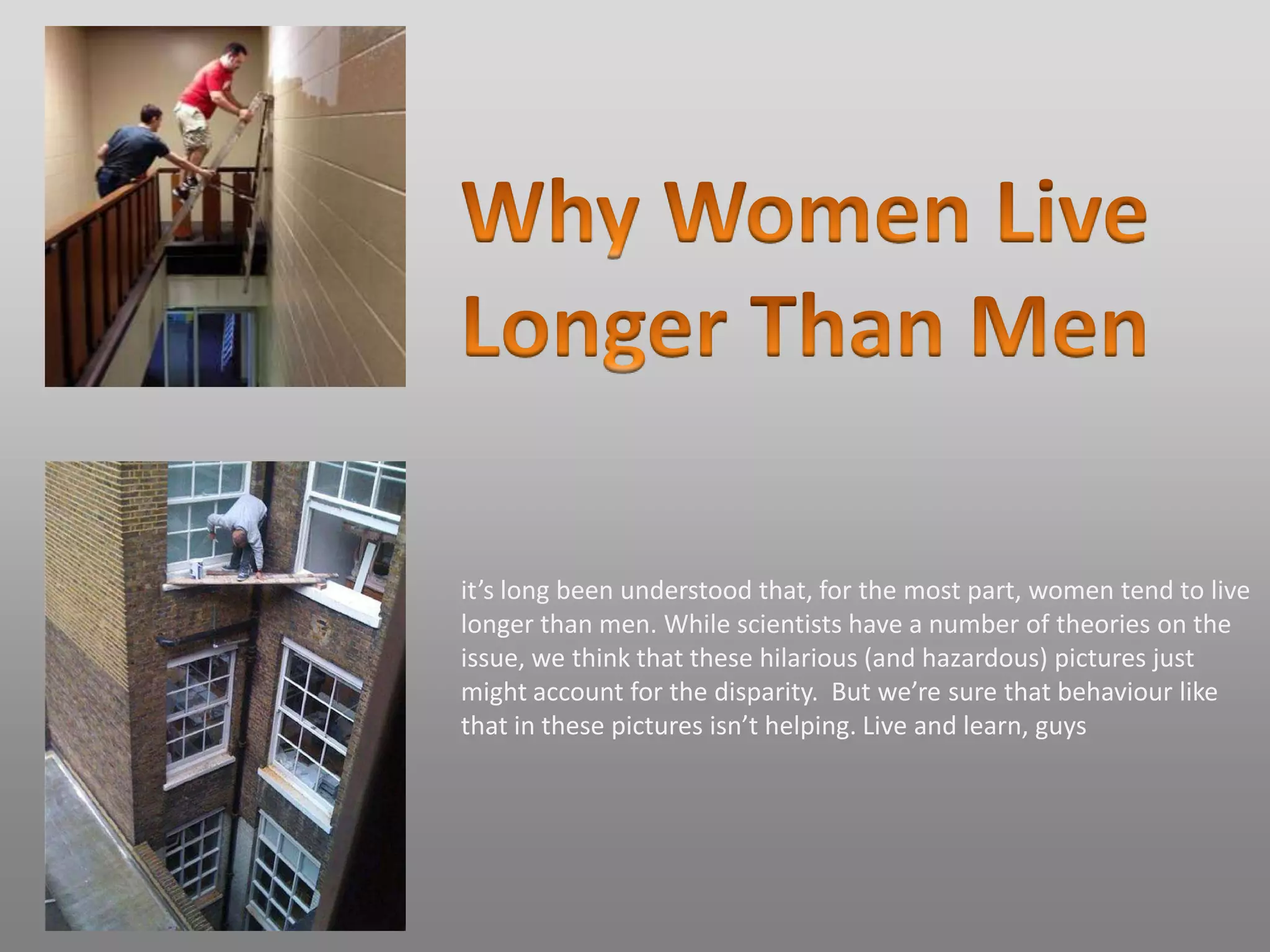
Men are statistically more prone to engaging in high-risk behaviors, particularly during adolescence and young adulthood. This includes reckless driving, extreme sports, and engagement in violent activities, leading to a higher rate of death from external causes such as accidents, homicides, and suicides.
Furthermore, occupational hazards contribute significantly to the mortality gap. Men have historically dominated heavy industries, construction, mining, and military combat roles—sectors associated with higher rates of fatal workplace injuries and chronic occupational exposures.
| Factor Category | Male Demographic Trend | Female Demographic Trend | Impact on Longevity |
|---|---|---|---|
| Genetics | Single X chromosome (XY); vulnerable to X-linked mutations. | Dual X chromosomes (XX); provides genetic redundancy. | Protects women from various recessive genetic disorders. |
| Cardiovascular Health | Higher risk of early-onset heart disease and stroke. | Estrogen provides vascular protection, delaying heart disease. | Delays major cardiovascular events in women by over a decade. |
| Immune Response | Moderate immune reactivity; higher susceptibility to acute infections. | Robust immune reactivity; lower infection mortality, higher autoimmune risk. | Enhances resistance to acute pathogens and cellular anomalies in women. |
| Behavior & Lifestyle | Higher rates of high-risk activities, occupational hazards, and substance abuse. | Generally lower occupational risk exposure and higher health-seeking behaviors. | Reduces accidental and preventable deaths among women. |
| Healthcare Utilization | Lower frequency of routine preventive screenings and prompt medical consultations. | Higher frequency of regular primary care visits and proactive screenings. | Enables early detection and management of chronic conditions in women. |
Healthcare Utilization and Preventive Medicine
Another critical behavioral divergence involves how men and women interact with the healthcare system. Public health data indicates that women visit physicians, specialists, and preventive clinics significantly more often than men throughout their lives.
This pattern of healthcare utilization often begins during adolescence and early adulthood due to reproductive health requirements, including gynecological care, contraception management, and prenatal monitoring. These routine interactions establish a lifelong habit of engaging with medical professionals, undergoing diagnostic screenings, and monitoring vital health indicators such as blood pressure and cholesterol levels.
Conversely, men are historically less likely to seek routine medical evaluations, often delaying visits to a physician until symptoms become severe or debilitating. This reluctance to pursue early interventions means that chronic conditions such as hypertension, type 2 diabetes, and early-stage malignancies may go undiagnosed and untreated for longer periods in men, ultimately diminishing long-term survival prospects.
Frequently Asked Questions
Is the longevity gap between men and women found in all countries?
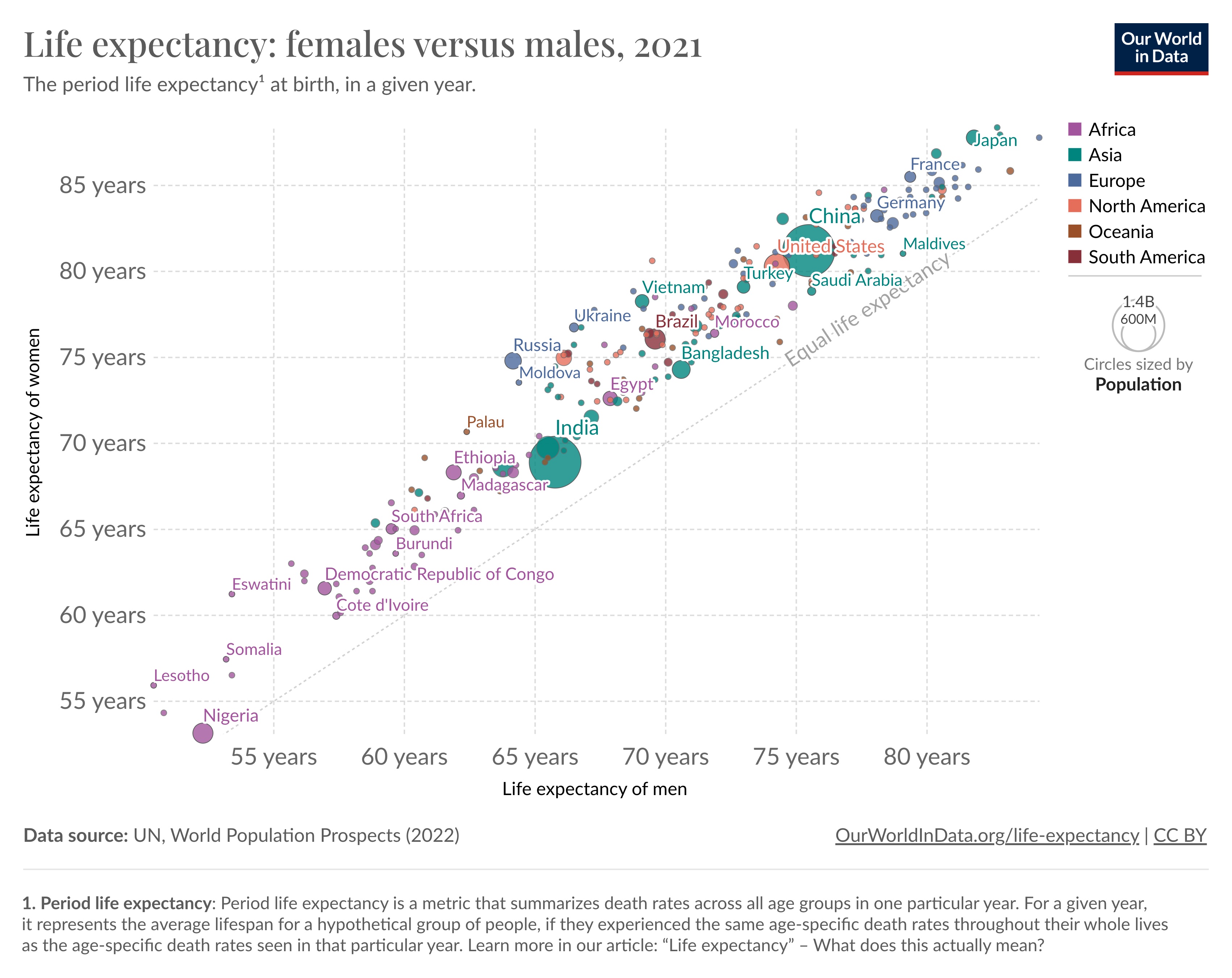
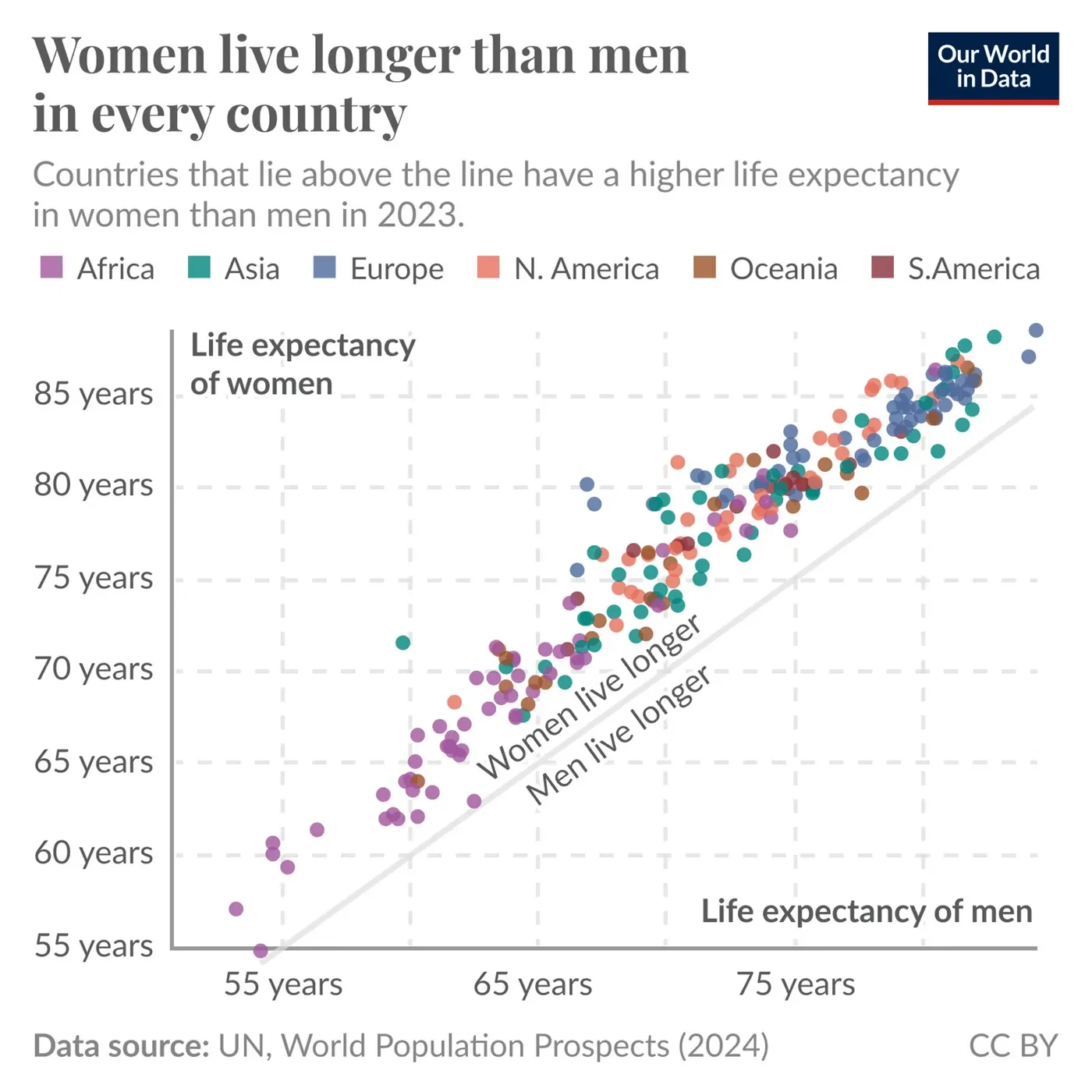
Yes, demographic data from the World Health Organization (WHO) and the United Nations demonstrates that women outlive men in virtually every country and culture across the globe. While the exact magnitude of the gap varies depending on regional healthcare quality, economic development, and prevalent lifestyle factors, the universal pattern remains that female life expectancy exceeds male life expectancy.
Does the longevity gap exist in non-human animal species as well?
Biological research indicates that female longevity is not exclusive to humans. Studies of various mammalian species, including primates, rodents, and agricultural livestock, frequently show that females live longer than males. Scientists attribute this to similar evolutionary pressures and the protective role of the homogametic sex (possessing two matching sex chromosomes) across the animal kingdom.
Can lifestyle changes entirely close the life expectancy gap between men and women?
Lifestyle modifications—such as quitting smoking, reducing alcohol consumption, eating a balanced diet, and managing stress—can significantly improve life expectancy for both men and women. However, lifestyle changes alone are unlikely to completely close the gap because foundational biological mechanisms, such as X-chromosome genetics and hormonal differences, provide women with inherent physiological advantages that lifestyle factors do not alter.
Why do women have higher rates of autoimmune diseases if their immune systems are stronger?
A more active and vigilant immune system allows women to clear infections more efficiently, but this same heightened reactivity can cause the immune system to mistakenly attack healthy tissues. This over-responsiveness is the primary driver behind why autoimmune conditions, such as multiple sclerosis, lupus, and rheumatoid arthritis, are diagnosed significantly more often in women than in men.
Does menopause mark a turning point in women's health and longevity advantages?
Menopause represents a major physiological transition where the production of estrogen and progesterone declines sharply. Following menopause, the rate at which women develop cardiovascular disease and bone density loss (osteoporosis) begins to catch up to male rates. While the biological advantages established earlier in life continue to provide a net longevity benefit, the post-menopausal phase requires active management of emerging chronic health risks.
Summary and Practical Next Actions
Understanding the multifaceted nature of why women live longer underscores the importance of a holistic approach to health, regardless of biological sex. While women benefit from genetic redundancy, hormonal protection, and proactive healthcare habits, men can actively mitigate their statistical longevity disadvantages through targeted behavioral changes.
Individuals seeking to optimize their long-term health span and life expectancy should prioritize regular preventive screenings, maintain a heart-healthy diet, engage in consistent physical activity, and establish an ongoing relationship with a primary care physician to catch and manage chronic conditions early.
Image Gallery