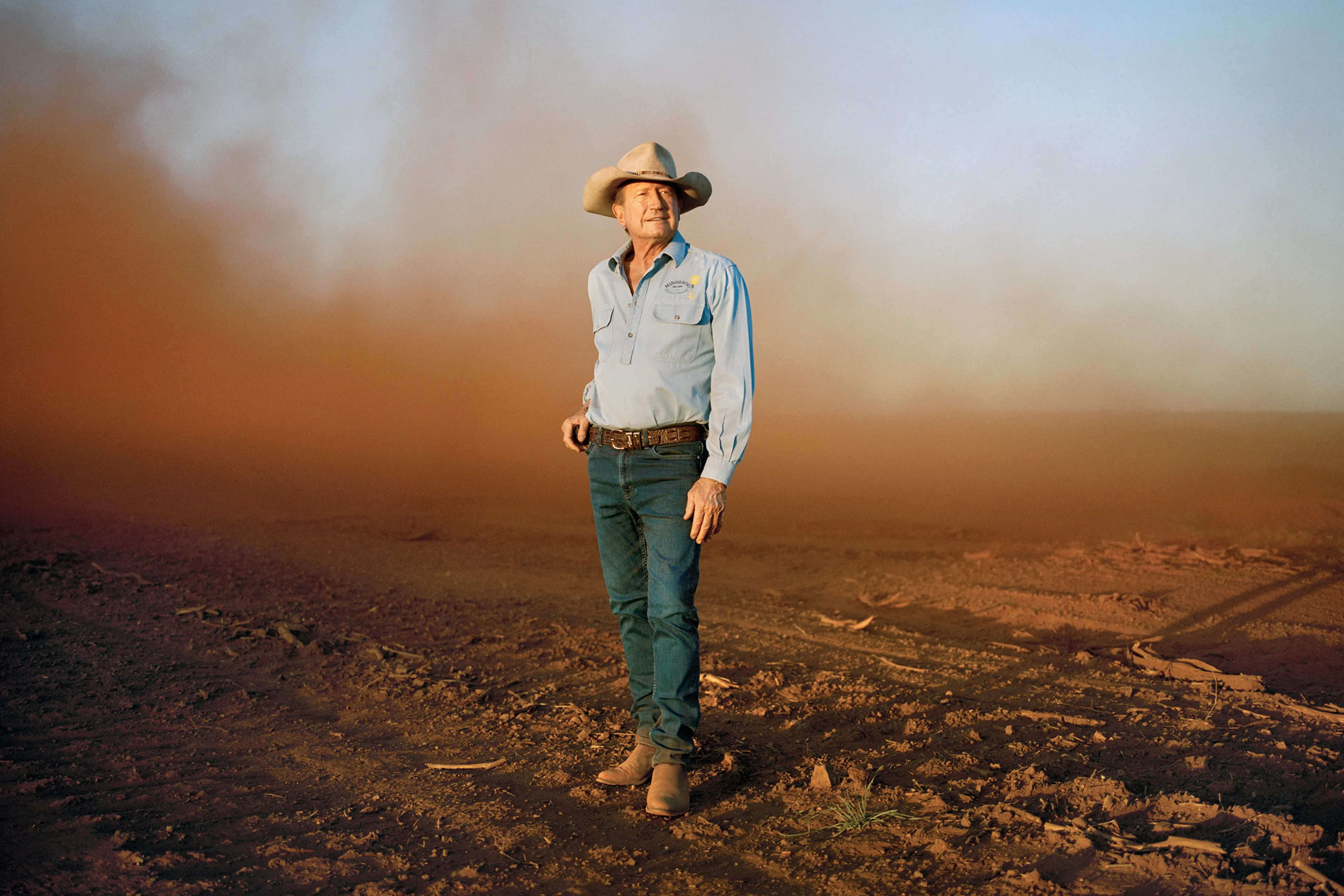
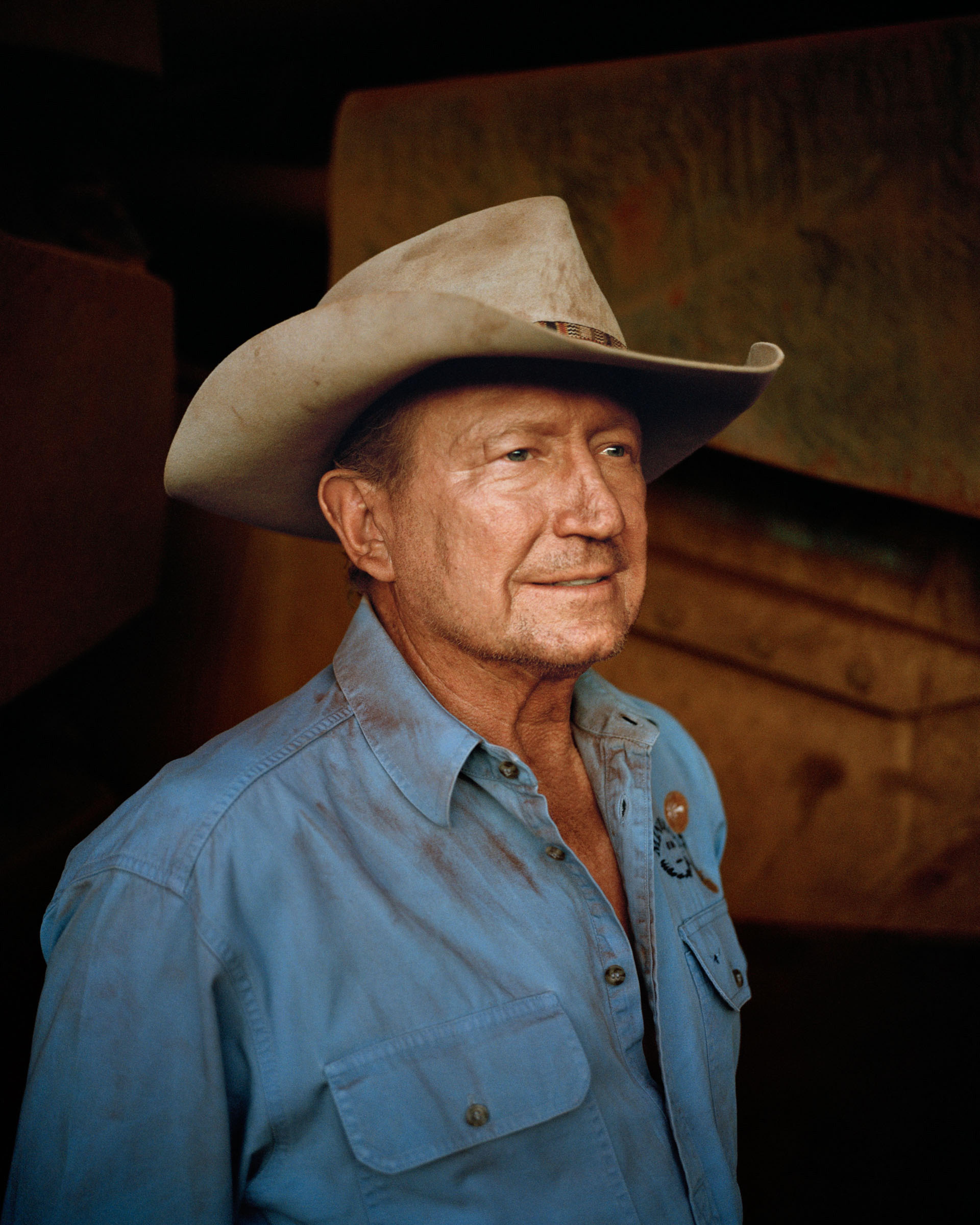
Andrew Forrest and His Business Legacy: From Iron Ore Giant to Green Energy Pioneer
Andrew Forrest’s business legacy is defined by his transformation of the global iron ore market through Fortescue Metals Group and his subsequent, aggressive pivot toward green hydrogen and decarbonization. His career reflects a rare t...
Andrew Forrest’s business legacy is defined by his transformation of the global iron ore market through Fortescue Metals Group and his subsequent, aggressive pivot toward green hydrogen and decarbonization. His career reflects a rare transition from a traditional mining magnate to a primary advocate for the global energy transition, underpinned by massive philanthropic commitments through the Minderoo Foundation.
Contents
The Foundations of a Mining Empire: The Rise of Fortescue
To understand the business legacy of Andrew "Twiggy" Forrest, one must first look at the disruption of the Australian mining landscape in the early 2000s. Before Forrest founded Fortescue Metals Group (now Fortescue) in 2003, the Pilbara region of Western Australia was effectively a duopoly controlled by Rio Tinto and BHP. These incumbents held the high-grade leases and controlled the critical rail and port infrastructure.
Forrest’s legacy began with a high-stakes gamble: that he could build a "third force" in iron ore by securing lower-grade deposits and constructing his own independent infrastructure. This required unprecedented capital raising. By leveraging high-yield bond markets in the United States—a move that was unconventional for Australian mining at the time—Forrest secured the billions necessary to build the Herb Elliott Port and the fastest heavy-haul railway in the world.
The operational success of Fortescue was built on speed and scale. By 2026, Fortescue has maintained its position as one of the world's lowest-cost iron ore producers. This was achieved through the early adoption of autonomous haulage systems (AHS) and a relentless focus on supply chain efficiency. Forrest’s ability to navigate the China-led commodities boom of the 2000s and 2010s provided the massive cash flows that would eventually fund his next ambitious chapter: the green energy transition.
Strategic Pivot: Fortescue Energy and Green Hydrogen
As of 2026, the most scrutinized aspect of Andrew Forrest’s legacy is his attempt to lead the world in industrial decarbonization. In 2020, Forrest announced a pivot that many in the investment community initially viewed with skepticism. He committed Fortescue to "Real Zero" terrestrial emissions (Scope 1 and 2) by 2030, without the use of carbon offsets.
This ambition birthed Fortescue Future Industries (FFI), now integrated into Fortescue Energy. The core of this legacy project is the commercialization of green hydrogen—hydrogen produced via electrolysis powered by renewable energy. Forrest has traveled the globe, signing Memoranda of Understanding (MoUs) with governments from Africa to South America, aiming to secure 15 million tonnes of green hydrogen production annually by the early 2030s.
The Technological Gamble
Forrest’s business legacy in the energy sector is not just about production but also about manufacturing. By establishing the Gladstone Green Energy Manufacturing Centre in Queensland, he sought to control the supply chain for electrolyzers. This vertical integration mirrors his earlier strategy in mining: if the infrastructure doesn’t exist or is too expensive, build it yourself.
However, this transition has faced significant headwinds. The high cost of capital, the nascent nature of green hydrogen storage and transport, and the technical challenges of replacing coking coal in steelmaking have made this the most difficult phase of his career. As of 2026, the legacy of this pivot is characterized by a "first-mover" advantage that is still waiting for global infrastructure and policy frameworks to catch up.
Philanthropy and Social Impact: The Minderoo Foundation
Forrest’s business legacy is inextricably linked to his philanthropic work through the Minderoo Foundation, established with his wife, Nicola Forrest. In 2013, he was the first Australian to sign "The Giving Pledge," committing the majority of his wealth to charitable causes.
The Minderoo Foundation operates with the same aggressive, results-oriented approach as Forrest’s commercial ventures. Its initiatives are broad but focused on systemic change:
- Modern Slavery: Through the Walk Free Foundation, Forrest has campaigned for global transparency in supply chains, influencing the UK and Australian Modern Slavery Acts.
- Ocean Health: Focusing on the elimination of plastic waste and the protection of marine ecosystems through "Sea The Future."
- Indigenous Parity: Advocating for indigenous employment and economic empowerment within Australia, though this area has faced complex political and social challenges.
By 2026, Minderoo has become one of the largest philanthropic organizations in the Southern Hemisphere. Forrest’s legacy here is the application of "venture philanthropy"—using business-like rigor and massive scale to solve social problems that governments have historically struggled to address.
Comparative Evolution of Fortescue’s Business Model
The following table illustrates the dramatic shift in Forrest’s business focus from his early mining days to his current status in 2026.
| Feature | The Mining Era (2003–2018) | The Green Transition Era (2019–2026+) |
|---|---|---|
| Primary Product | Iron Ore (Hematite/Magnetite) | Green Hydrogen, Ammonia, & Green Iron |
| Key Infrastructure | Rail and Port (The Pilbara) | Electrolyzers, Wind, and Solar Farms |
| Primary Market | Chinese Steel Mills | Global Heavy Industry & Shipping |
| Carbon Strategy | Operational Efficiency | "Real Zero" (No Offsets) by 2030 |
| Financial Strategy | High-Yield Debt / Commodity Cycles | Diversified Energy Investment / Green Bonds |
| Leadership Style | Aggressive Disruption of Duopolies | Global Diplomatic & Environmental Advocacy |
Leadership Style and Corporate Culture
A significant part of Andrew Forrest’s legacy is his polarizing leadership style. He is known for high-octane energy and a "stretch goal" philosophy, where he sets targets that many experts deem impossible. This has led to remarkable achievements, such as the rapid construction of the Chichester Hub, but it has also resulted in high executive turnover.
In the years leading up to 2026, Fortescue saw several high-profile departures of CEOs and senior executives. Critics point to this churn as a sign of a difficult internal culture, while supporters argue it is the natural byproduct of a company undergoing a radical, fast-paced transformation. Forrest’s legacy will likely be remembered as one of "visionary impatience"—a drive to solve global warming at a pace that often outstrips corporate and regulatory norms.
Challenges and Criticisms of the Green Legacy
No analysis of Forrest's legacy is complete without addressing the critiques of his green hydrogen vision. Economists and energy experts have frequently questioned the efficiency of hydrogen due to energy loss during electrolysis, compression, and transport. The "Hydrogen Ladder" suggests that while hydrogen is essential for hard-to-abate sectors like heavy shipping and steel, it may be less viable for light transport or home heating.
Forrest has countered these criticisms by focusing on the "Green Iron" opportunity. By using green hydrogen to reduce iron ore in Australia rather than exporting raw ore to be processed with coal in China, he aims to fundamentally change the economics of the steel industry. As of 2026, the success of these pilot "green iron" plants in Western Australia remains the ultimate litmus test for whether his energy legacy will be as profitable as his mining one.
Summary of the "Twiggy" Influence
Andrew Forrest has redefined what it means to be an Australian industrialist. He moved the needle from a "dig and ship" mentality to a "technology and energy" framework. His legacy is not merely the billions of dollars in iron ore exported, but the attempt to prove that a massive, carbon-intensive mining company can reinvent itself as a champion of environmental sustainability. Whether he succeeds entirely in his green hydrogen ambitions or not, he has already forced the global mining industry to accelerate its decarbonization timelines.
Frequently Asked Questions
How did Andrew Forrest get the nickname "Twiggy"? The nickname "Twiggy" was given to Forrest during his school years due to his slight build as a teenager. Despite his eventual status as one of Australia's most powerful and physically active businessmen, the name stuck and became a global brand associated with his disruptive business maneuvers.
What is the difference between Blue Hydrogen and Forrest’s Green Hydrogen? Blue hydrogen is produced from natural gas with carbon capture and storage (CCS). Andrew Forrest has been a vocal critic of blue hydrogen, labeling it a "distraction." His business legacy is built almost exclusively on Green Hydrogen, which is produced via electrolysis using 100% renewable energy sources like wind and solar, resulting in zero carbon emissions.
Is Fortescue still primarily an iron ore company in 2026? While iron ore remains the primary source of revenue and cash flow for the group in 2026, the company has officially rebranded and restructured to reflect its dual identity. It now operates as a diversified "green technology and energy company" that mines iron ore as a foundational component for the future "green iron" industry.
What is the "Real Zero" target? "Real Zero" is a term championed by Forrest to distinguish his goals from "Net Zero." While Net Zero allows companies to continue emitting CO2 as long as they purchase carbon offsets (like planting trees), Forrest’s Real Zero target for 2030 mandates the total elimination of fossil fuel use across Fortescue’s operations, replacing them with renewable power and battery/hydrogen technology.
How much has Andrew Forrest donated to charity? Through the Minderoo Foundation and various personal gifts, Andrew Forrest has donated or committed several billion dollars. By 2026, his contributions have focused on ocean conservation, eliminating plastic waste, and ending modern slavery. His legacy in philanthropy is defined by "giving while living," ensuring his wealth is deployed toward systemic change during his lifetime.
Practical Recommendation for Investors and Analysts
For those evaluating the legacy of Andrew Forrest, it is critical to look beyond the volatile commodity prices of iron ore. The true metric of his success in the 2020s and beyond is the Levelized Cost of Hydrogen (LCOH) produced by Fortescue’s projects. Investors should monitor the progress of the Gladstone electrolyzer facility and the commissioning of green ammonia plants, as these will determine if Forrest can replicate his mining "third force" success in the global energy market.
Image Gallery