The Boss Nickname Explained in Context: Origins, Cultural Significance, and Usage
The nickname "The Boss" serves as a universal shorthand for ultimate authority, accountability, and expertise. While its meaning varies depending on the setting—ranging from Bruce Springsteen’s leadership of the E Street Band to the le...
The nickname "The Boss" serves as a universal shorthand for ultimate authority, accountability, and expertise. While its meaning varies depending on the setting—ranging from Bruce Springsteen’s leadership of the E Street Band to the legendary soldier in the Metal Gear series—it consistently denotes a figure who commands respect, carries the financial or strategic burden of a group, and embodies a standard of excellence in their field.
Contents
In any environment, calling someone "The Boss" is rarely a neutral observation of a job title. It is a loaded descriptor that carries historical weight, cultural connotations, and specific social expectations. To understand the nickname, one must look past the literal definition of a supervisor and examine the specific contexts in which it has become an iconic moniker.
The Musical Origin: Bruce Springsteen and the E Street Band
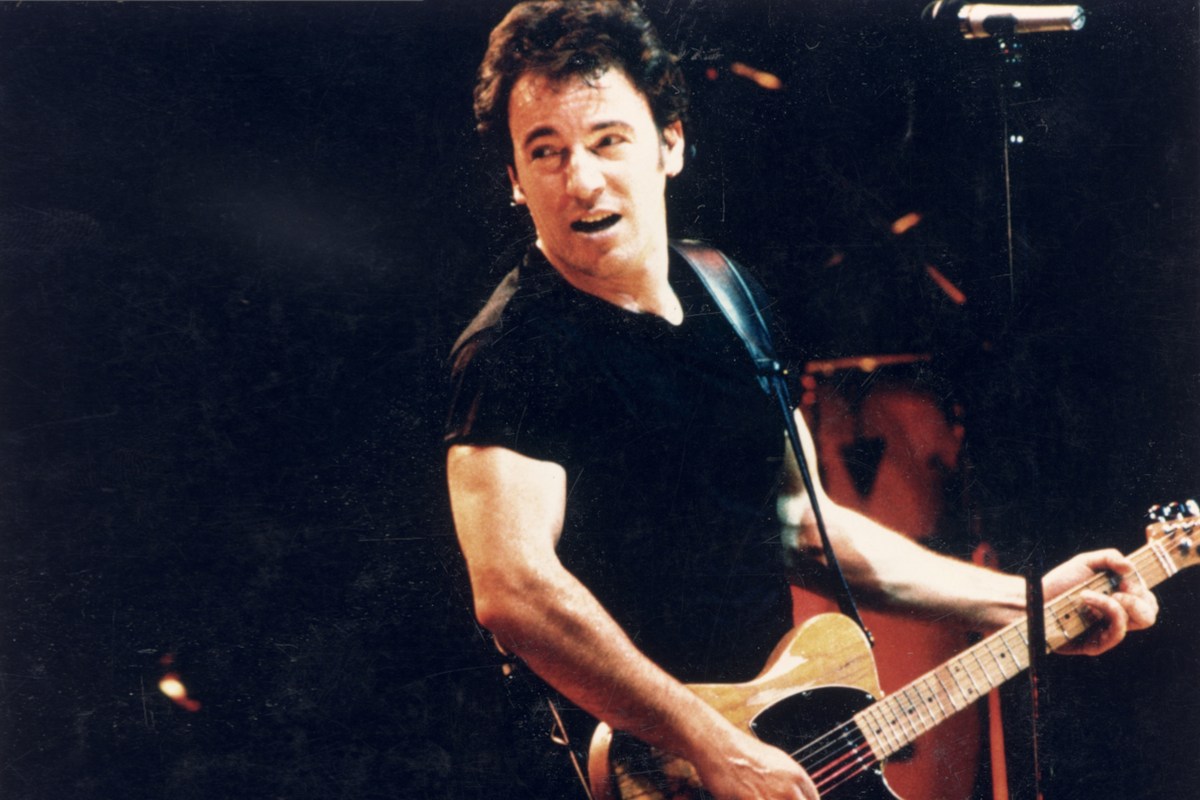
When music fans mention "The Boss," they are almost exclusively referring to Bruce Springsteen. However, the origin of this nickname is rooted in the practical, blue-collar reality of the 1970s New Jersey music scene rather than a desire for a grandiose title.
The Collector and the Paymaster
During the early days of the E Street Band, the group often played small clubs and bars. At the end of the night, someone had to collect the night's earnings from the venue owners and physically distribute the cash to the musicians. Springsteen took on this responsibility. Because he was the one literally handing out the paychecks, his bandmates began calling him "The Boss."
A Reluctant Acceptance
Interestingly, Springsteen was initially uncomfortable with the nickname. Coming from a working-class background and writing songs that often critiqued the soul-crushing nature of industrial labor and authoritarian management, he found the term "Boss" to be antithetical to his personal philosophy. Over time, however, as his role as the primary songwriter, visionary, and leader of the band became indisputable, the nickname transformed from a joke about payroll into a mark of deep respect for his work ethic and stage presence. In 2026, as Springsteen remains a global icon, the name symbolizes a specific type of American leadership—one built on endurance, storytelling, and responsibility toward one’s "crew."
The Digital Icon: "The Boss" in Gaming and Narrative Fiction
In the world of interactive media, specifically the Metal Gear franchise, "The Boss" takes on a different, more philosophical meaning. This context is vital because it reshaped how a younger generation perceives the term, moving it away from "manager" and toward "mentor" or "founding figure."
The Mother of Special Forces
In Metal Gear Solid 3: Snake Eater, the character known as The Boss (also called The Joy) is the legendary American soldier who founded the Cobra Unit. Here, the nickname represents the pinnacle of skill and the heavy burden of patriotism. She is not a "boss" in the sense of a corporate executive; she is the "boss" because she is the progenitor of modern special operations.
Sacrifice and Legacy
The context of her nickname is defined by her relationship with her protégé, Naked Snake. In this narrative, being "The Boss" implies a level of mastery that others can only hope to emulate. Her story arc explores the idea that a true leader is often misunderstood by the very people they serve. This use of the nickname highlights the isolation that often comes with ultimate authority, a theme that resonates across many other fictional depictions of the "Big Boss" trope.
The Socio-Economic Context: Corporate vs. Urban Slang
Beyond specific famous individuals, "The Boss" functions as a dynamic social label in everyday life. Its meaning shifts significantly based on whether it is used in a formal office building or on the street.
The Corporate Hierarchy
In a traditional business setting, the term has become somewhat polarized. While many still use it as a sign of deference, modern management theory often distinguishes between a "boss" (who commands) and a "leader" (who inspires). In 2026, corporate culture often views the term "boss" as slightly archaic or "old school," favoring titles like "Lead" or "Facilitator." However, calling someone the boss in a meeting can still be a strategic move to acknowledge their final decision-making power.
Urban Culture and the "Like a Boss" Movement
In urban slang and hip-hop culture, the nickname has undergone a reclamation. Rappers like Rick Ross have adopted "The Boss" (or "The Bawse") to signify self-made wealth, autonomy, and the transition from being an employee to an owner. Here, the context is about breaking free from the traditional power structures. When someone does something "like a boss," it implies performing a task with extreme confidence, efficiency, and a lack of concern for the opinions of others.
The Boss in Organized Crime and Media
The nickname has perhaps its darkest and most rigid application in the context of organized crime. In films like The Godfather and series like The Sopranos, "The Boss" is a formal rank within a hierarchy (the Capofamiglia).
- The Underboss: The second-in-command who handles day-to-day operations.
- The Consigliere: An advisor who lacks formal power but has the ear of the leader.
- The Boss: The ultimate authority whose word is law and who bears the ultimate risk of prosecution or betrayal.
In this context, the nickname is not a casual term of endearment; it is a title that demands absolute loyalty and carries the threat of violence. It represents a closed system of governance where the "Boss" provides protection in exchange for tribute.
Contextual Comparison of "The Boss" Nicknames
| Entity / Person | Primary Context | Origin of the Nickname | Core Meaning |
|---|---|---|---|
| Bruce Springsteen | Music / Rock | Handing out cash to the E Street Band. | Work ethic and band leadership. |
| The Joy (Metal Gear) | Video Games | Founder of the Cobra Unit. | Unmatched skill and military mentorship. |
| Rick Ross | Hip-Hop / Business | Branding around wealth and autonomy. | Self-made success and entrepreneurship. |
| Tony Soprano | Television (Crime) | Head of the DiMeo crime family. | Ruthless authority and familial burden. |
| Corporate Manager | Workplace | Standard organizational hierarchy. | Functional authority and supervision. |
The Gendered Evolution: "Girlboss" and Beyond
As social dynamics have evolved, the nickname has faced scrutiny regarding gender. The term "Girlboss," which peaked in cultural popularity in the mid-2010s, was an attempt to carve out a space for women in male-dominated leadership roles. However, by the early 2020s, the term faced a backlash (the "Girlboss era" ended) as critics argued it was patronizing or simply added a gendered prefix to a title that should be neutral.
In 2026, the trend has shifted back toward using "The Boss" as a gender-neutral term of respect. Whether a woman is leading a Fortune 500 company or a creative studio, the nickname now carries the same weight of authority without the need for qualifiers, reflecting a broader cultural shift toward recognizing leadership based on merit and results rather than gender roles.
Psychological Impact: Why We Use the Nickname
Psychologically, calling someone "The Boss" serves several functions in human groups:
- Conflict Resolution: By identifying a "boss," a group creates a final arbiter for disputes.
- Diffusion of Responsibility: Subordinates may refer to the leader as "the boss" to shift the weight of a difficult decision onto that person's shoulders.
- Tribal Identity: In subcultures (like Springsteen fans or gaming communities), using the nickname acts as a shibboleth—a way to identify who belongs to the in-group.
Common Mistakes When Using the Nickname
Despite its prevalence, using the nickname "The Boss" can backfire if the context is misread.
- Sarcasm: In many workplaces, calling a supervisor "Boss" with a specific tone can be perceived as passive-aggressive or mocking.
- Over-familiarity: Using the nickname for a high-level executive you do not know personally can come across as unprofessional.
- Cultural Insensitivity: In some international business cultures (notably in parts of East Asia), using a casual nickname instead of a formal title and surname can be seen as a serious sign of disrespect.
FAQs About "The Boss" Nickname
Who was the first person to be called "The Boss"?
While the term has been used in labor since the mid-19th century (derived from the Dutch word baas), the first major pop culture figure to have it as a formal nickname was Bruce Springsteen. In a political context, "Boss" Tweed of Tammany Hall (19th century) is one of the earliest and most infamous examples of the nickname being used to describe a powerful, shadow-broker leader.
Is the nickname "The Boss" considered offensive?
Generally, no. However, its reception depends entirely on the power dynamic. If a subordinate uses it with genuine respect, it is a compliment. If used by a peer to mock someone’s perceived self-importance, it can be derogatory. In labor history, "the boss" was often a term of resentment among exploited workers.
Why does Rick Ross call himself "The Boss"?
Rick Ross adopted the moniker to align his brand with the image of a "Kingpin"—someone who has moved from the "streets" to the boardroom. For him, the context is financial freedom and being the CEO of his own life and label (Maybach Music Group).
Does Bruce Springsteen like being called "The Boss"?
Springsteen has stated in various interviews over the decades that he has grown to accept it, though he didn't like it at first. He famously told Rolling Stone that he prefers "Bruce," but acknowledges that "The Boss" has become a part of his public identity that he can no longer separate from his career.
How is "Big Boss" different from "The Boss"?
In the Metal Gear universe, "The Boss" refers to the mentor (The Joy), while "Big Boss" is the title granted to her student (Naked Snake) after he surpasses her. In a broader sense, "Big Boss" often implies a more distant, overarching authority figure, whereas "The Boss" feels more immediate and personal.
Summary of Next Actions
If you are considering using the nickname "The Boss" in a professional or social setting, first observe the existing culture. In creative or blue-collar industries, it is often a warm sign of camaraderie. In high-finance or legal sectors, it is usually better to stick to formal titles. Understanding the historical context—from the pay-packets of the E Street Band to the hierarchies of organized crime—ensures that you use the term as a tool for building rapport rather than creating unintended friction.
Image Gallery