Guaranteed Rider Life Insurance Explained: How Guaranteed Insurability Works
A guaranteed insurability rider (often called a guaranteed purchase option or guaranteed rider) is a life insurance policy add-on that allows you to buy additional coverage at specified future dates or major life events without taking...
A guaranteed insurability rider (often called a guaranteed purchase option or guaranteed rider) is a life insurance policy add-on that allows you to buy additional coverage at specified future dates or major life events without taking a medical exam or answering health questions, regardless of changes in your health status.
Contents
What Is a Guaranteed Insurability Rider?
A guaranteed insurability rider (GIR) is an optional contractual provision attached to a base life insurance policy—most commonly whole life or universal life insurance, though available on select term policies. Its primary purpose is to safeguard your future insurability.
When you purchase a life insurance policy, your premium rate and approval depend heavily on your age and health at that moment. If you develop a chronic illness, experience a major medical event, or enter a high-risk occupation later in life, purchasing additional coverage can become prohibitively expensive or impossible. A guaranteed rider eliminates this risk by granting you the contractual right to increase your death benefit at predetermined intervals using your original health classification, even if you become uninsurable later on.
- Base Policy Purchased (Standard Underwriting)
- Life Event / Scheduled Date (Marriage, Child, Age 30/35)
- Purchase Extra Coverage (No Exam)
Disambiguating Guaranteed Terms in Life Insurance
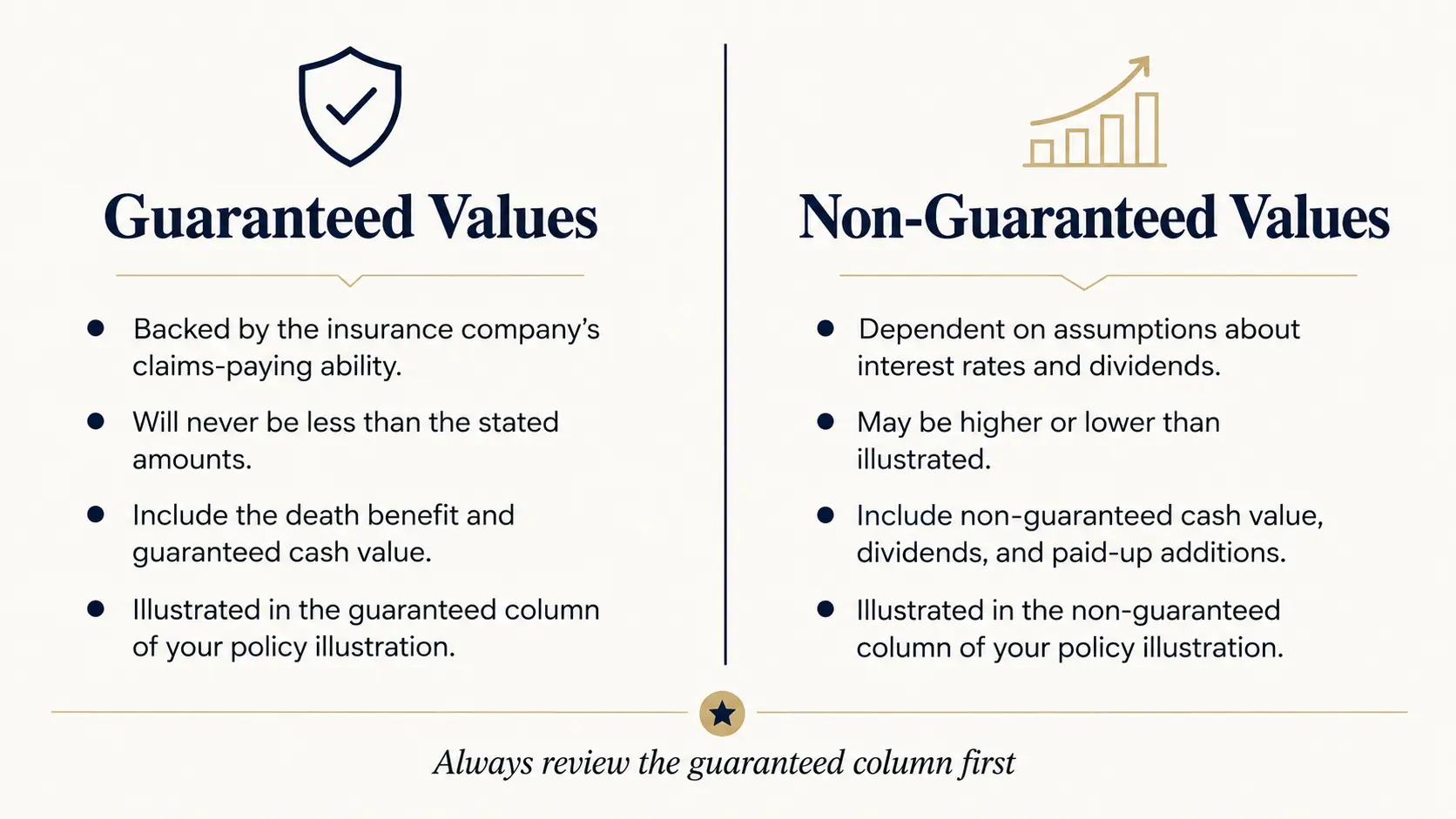
The word "guaranteed" appears frequently in insurance products, which can lead to confusion. It is critical to distinguish a guaranteed insurability rider from other related insurance features:
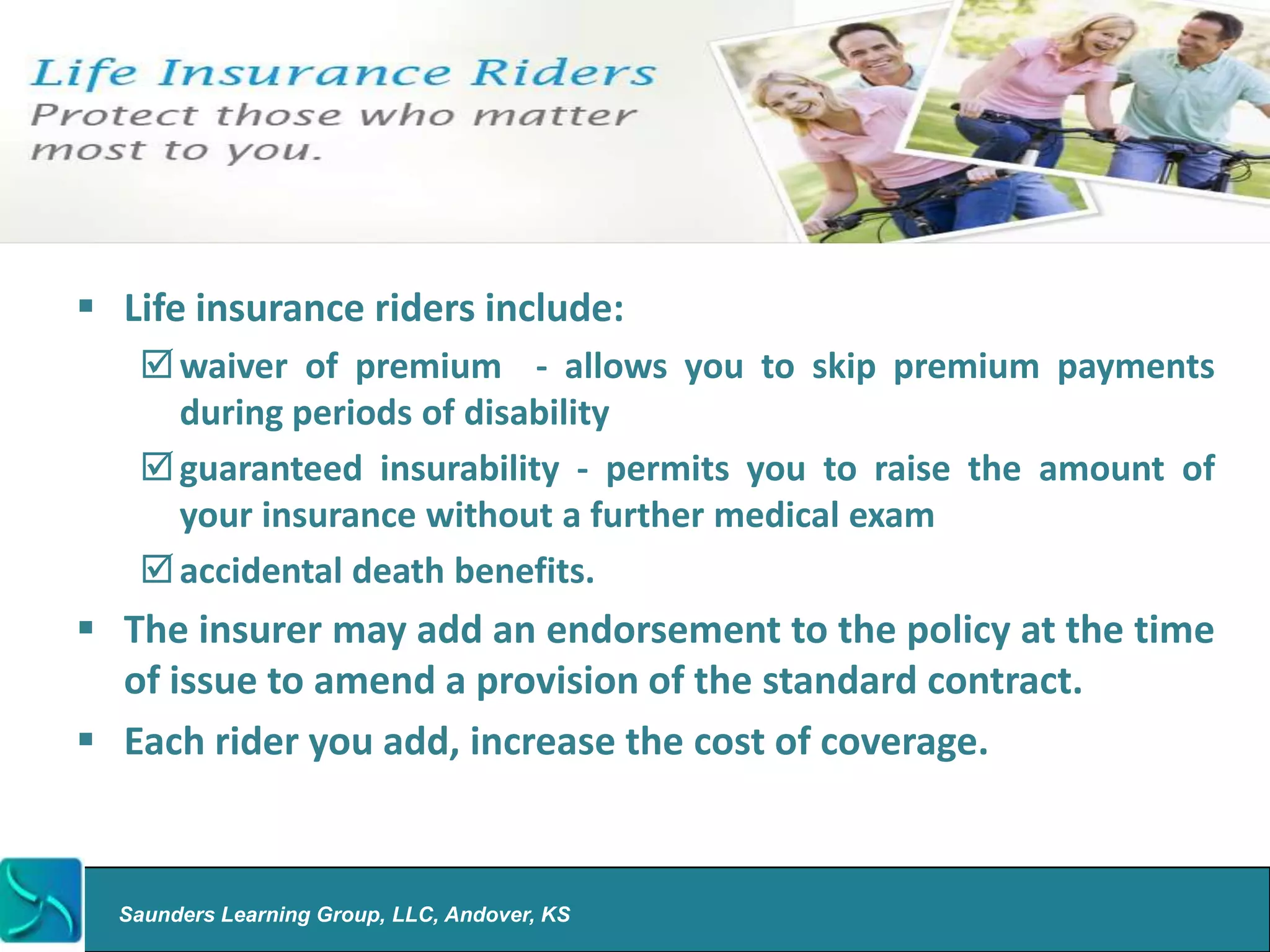
- Guaranteed Insurability Rider (GIR): An option added to a standard policy that allows future coverage increases without medical underwriting.
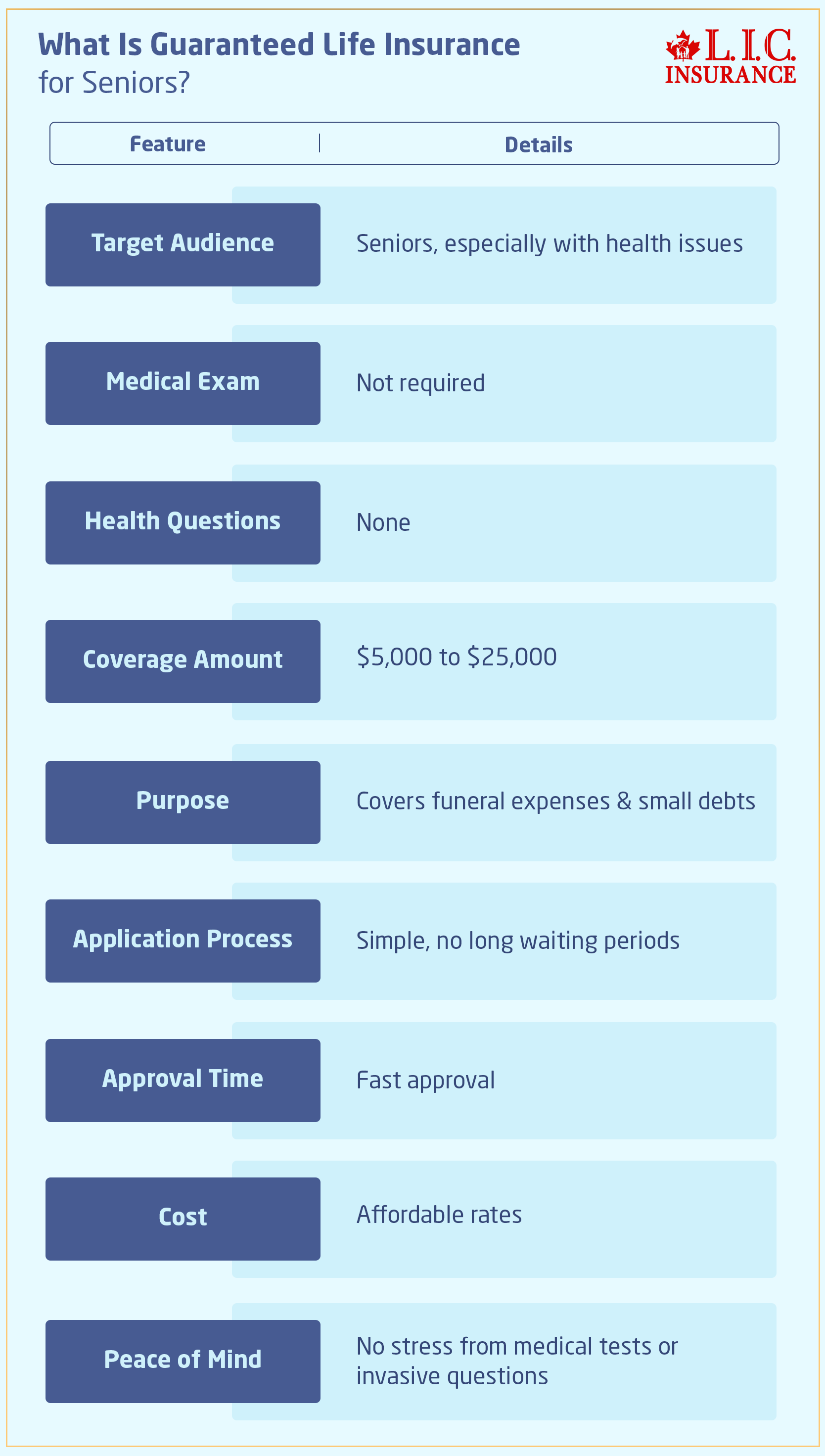
- Guaranteed Issue Life Insurance: A standalone life insurance policy designed for high-risk or elderly applicants that requires no medical exam or health questions for initial approval, typically featuring lower coverage limits and higher cost per dollar of benefit.
- Guaranteed Minimum Death Benefit (GMDB): A rider specific to variable universal life insurance or variable annuities that guarantees a baseline payout to beneficiaries regardless of underlying investment performance.
Understanding these distinctions ensures you select the correct product feature during financial planning. For consumer protection standards and model regulations governing policy options, consult resources provided by the National Association of Insurance Commissioners.
How Does a Guaranteed Rider Work?
A guaranteed rider operates around structured timelines and trigger events. When you add this rider to your base policy, the insurer establishes specific window periods during which you can exercise your option to purchase supplemental death benefits.
Age Timeline Example (Standard Option Windows):
- Age 25 (Base)
- Age 28 (Option 1)
- Age 31 (Option 2)
- Age 34 (Option 3)
- Age 37 (Option 4)
- Age 40 (Rider Expires)
1. Scheduled Option Dates
Insurers typically offer option dates at regular age intervals, such as ages 25, 28, 31, 34, 37, and 40. On these specific birthdays, you receive a limited window—usually 30 to 90 days—to purchase an additional amount of insurance up to a pre-agreed limit.
2. Alternate Option Events (Life Status Changes)
Most policies permit you to advance an option date when significant life events occur, including:
- Marriage or legal union
- Birth or legal adoption of a child
- Purchase of a primary residence (in select policies)
Exercising an option early due to a major life event generally substitutes for the next upcoming age-based option date.
3. Premium Pricing Mechanics
While medical underwriting is skipped when exercising an option, the premium for the new incremental coverage is calculated using your attained age (your age at the time you exercise the option), not your original age when you first bought the policy. However, the insurer must use the premium rates applicable to the health risk class established when your base policy was originally issued.
If you were classified as "Preferred Best" at age 25, your additional coverage at age 35 will be priced at the standard 35-year-old rate for the "Preferred Best" tier, even if you developed diabetes or high blood pressure in the intervening decade.
Key Features, Caps, and Policy Provisions
Guaranteed riders contain specific terms and limitations outlined in the policy contract. Evaluating these rules prevents unexpected gaps in coverage planning.
| Feature | Standard Industry Guideline |
|---|---|
| Purchase Cap | Equal to base policy face amount or fixed limit (e.g., $50k) |
| Age Expiration | Typically terminates between ages 40 and 45 |
| Window Period | Strict 30-day to 90-day window per option date |
| Exercise Type | "Use-it-or-lose-it" (Missed options cannot be rolled over) |
- Maximum Purchase Caps: Insurers limit how much additional coverage you can buy during each option window. This limit is often equal to the face amount of the base policy or a fixed dollar ceiling set by the carrier (e.g., $25,000, $50,000, or $100,000 per option date).
- Cumulative Coverage Ceilings: Policies frequently impose an overall cap on total policy increases over the life of the rider. For example, a contract might allow up to five $50,000 increments, capping cumulative additions at $250,000.
- Expiration Age: Guaranteed insurability riders are designed primarily for younger policyholders. Most carriers stipulate that rider rights expire at a specified age, commonly age 40 or 45.
- "Use-It-or-Lose-It" Rules: If an option window opens at age 31 and you choose not to exercise it within the allowed 30-to-90-day timeframe, that specific option expires permanently. You cannot roll over unexercised options to future years, though subsequent option dates (such as age 34) remain valid.
Cost Analysis: Premium Impact and Strategic Value
Adding a guaranteed rider to a life insurance policy requires paying an additional premium fee on top of your base policy cost.
Annual Cost of the Rider
The cost of the rider itself is relatively low because you are paying for the right to purchase coverage later, not for the extra death benefit itself until you exercise the option. For a healthy young adult, a guaranteed insurability rider typically adds a modest annual fee—often between $25 and $100 per year—depending on the maximum option benefit amount selected.
Premium Adjustments Upon Exercise
When you exercise an option to purchase additional coverage, your total annual premium increases to cover the new policy increment.
Baseline Example:
- Base Policy ($250,000 whole life at age 25): $1,800 / year
- Guaranteed Insurability Rider Fee: +$50 / year
- Initial Total Premium: $1,850 / year
At Age 31 (Exercising option for +$50,000 coverage):
- Base Policy + Rider Fee: $1,850 / year
- Additional $50,000 Policy (Attained Age 31 Rate): +$450 / year
- New Total Annual Premium: $2,300 / year
Who Benefits Most From a Guaranteed Rider?
Because the cost of adding the rider is modest, it offers high utility for specific buyer profiles:
- Parents Purchasing Policies for Juvenile Children: Buying a permanent policy with a GIR for a child locks in low rates and guarantees they can increase their coverage as adults regardless of any medical conditions they might develop later in life.
- Young Professionals with Earning Potential: Individuals early in their careers who anticipate higher incomes, larger mortgages, or growing families can secure the right to scale their coverage alongside their financial obligations.
- Individuals with Adverse Family Medical History: Applicants with family histories of premature cardiovascular disease, cancer, or diabetes can secure guaranteed access to future life insurance before their own health status changes.
For further regulatory context on policy disclosures and rider provisions, review consumer guidelines published by the American Council of Life Insurers.
Comparing Guaranteed Riders with Other Life Insurance Options
To understand where a guaranteed insurability rider fits within your overall insurance structure, compare it against alternative methods of securing or adjusting coverage:
| Policy Feature / Option | Primary Purpose | Requires Medical Exam on Increase? | Cost Structure | Best Suited For |
|---|---|---|---|---|
| Guaranteed Insurability Rider | Adds extra coverage at set intervals or major life events without underwriting. | No (Health rating remains locked at original status). | Low base rider fee; added policy priced at attained age. | Young adults, growing families, children's policies. |
| Term Conversion Option | Converts existing term insurance to permanent policy without medical exams. | No (Converts base coverage amount without health checks). | Base term policy cost; permanent policy priced at attained age. | Term policyholders wanting lifelong coverage later. |
| Accelerated Death Benefit Rider | Pays out a portion of the death benefit early upon terminal/chronic illness diagnosis. | No (Triggers on certified medical illness, not policy purchase). | Often included free or low cost; reduces final payout. | Individuals seeking living benefits for catastrophic illness. |
| Guaranteed Issue Policy | Standalone policy for applicants who cannot pass standard medical underwriting. | No (Guaranteed approval, minimal health questions). | High premium per dollar of coverage; limited maximum benefit. | Older adults or uninsurable individuals needing final expense coverage. |
Step-by-Step Guide: How to Exercise a Guaranteed Rider
Exercising a guaranteed insurability rider requires attention to contractual deadlines. Follow these steps to ensure you do not forfeit an option window.
- Step 1: Track Dates & Life Events
- Step 2: Review Policy Terms (Confirm 30-90 Day Window)
- Step 3: Submit Written Request & First Premium (No Medical Exam)
- Step 4: Receive Rider Endorsement & Updated Schedule
Step 1: Identify Upcoming Trigger Dates or Events
Maintain an accurate record of your policy's option schedule. If you experience a qualifying life event—such as getting married or welcoming a child—notify your agent or insurance company promptly, as life event options usually must be claimed within 30 to 90 days of the event.
Step 2: Request the Exercise Application Form
Contact your life insurer's policyowner service department. Inform them that you intend to exercise your option under your guaranteed insurability rider. The insurer will provide an election form specifying the maximum coverage increase available to you.
Step 3: Complete and Submit the Required Documentation
Fill out the election form. Because this process skips medical underwriting:
- You do not complete health questionnaires.
- You do not undergo blood tests, paramedical exams, or medical record reviews.
- You simply select the amount of additional coverage desired (up to your contractual maximum) and submit the form along with the revised premium payment.
Step 4: Verify the Policy Endorsement
Once processed, the carrier issues a policy endorsement or a supplemental contract outlining the expanded death benefit and revised annual premium. Verify that the health rating class on the new coverage matches your original policy classification.
If you have questions about policy contract rights or insurer compliance, refer to educational materials provided by the Consumer Financial Protection Bureau.
Common Pitfalls and Restrictions to Avoid
While guaranteed riders offer strong protection, policyholders frequently miss out on their benefits due to contractual misunderstandings:
- Missing the Notification Window: The single most common mistake is letting an option window lapse. Insurers generally do not send aggressive reminders. If your window opens on your 30th birthday and has a 60-day limit, failing to submit paperwork by day 61 means that specific option is lost.
- Assuming Premiums Remain at the Original Age Rate: While your health class is locked in, your age is not. The additional coverage will cost more per thousand dollars of benefit than your original coverage because you are older at the time of exercise.
- Confusing GIR with Inflation Riders: A guaranteed insurability rider gives you the option to manually purchase extra coverage. It does not automatically increase your policy's death benefit to match inflation (which is handled separately by Cost-of-Living Adjustment riders).
- Rider Expiration Limits: Many policyholders forget that options cease entirely after a certain age (often 40). If you delay adding coverage assuming you can do it at age 50, you may find the rider has already expired.
Frequently Asked Questions
What happens if I miss an option date on my guaranteed rider?
If you miss an option date, you forfeit the right to purchase additional coverage during that specific window. However, missing one option date typically does not cancel future scheduled option dates, provided the rider remains active and you have not reached the expiration age limit.
Can I add a guaranteed insurability rider to an existing policy?
Generally, no. A guaranteed insurability rider must be selected and added when the base policy is originally issued and underwritten. Most insurance carriers do not allow you to add this rider to an existing policy at a later date.
Does exercising a guaranteed rider require a medical exam?
No. The defining feature of a guaranteed insurability rider is that exercising your option requires no medical exam, health questionnaires, or blood samples. Your health status at the time of exercise cannot be used to deny coverage or raise your risk rating class.
How much additional coverage can I buy with each option?
The maximum amount varies by contract. It is usually capped at the base policy's original face amount or a fixed contractual dollar limit (such as $50,000 or $100,000 per option date). Review your policy schedule to check your specific limits.
Is a guaranteed rider available on term life insurance?
While guaranteed riders are most common on permanent policies (whole life and universal life), select insurance carriers offer them on long-term level term policies. On term insurance, the rider allows you to buy additional term coverage during option windows without medical re-underwriting.
Final Guidance: Is a Guaranteed Rider Right for You?
A guaranteed insurability rider acts as an insurance policy on your future insurability. If you are purchasing life insurance at a young age, planning a family, or looking to protect a child’s financial future, adding a guaranteed rider provides low-cost peace of mind against uninsurability caused by unexpected illness or injury.
To decide whether to include a guaranteed rider in your coverage plan:
- Assess Your Long-Term Financial Obligations: Determine whether your need for life insurance will grow over the next 10 to 20 years due to career growth, marriage, or family expansion.
- Evaluate Policy Expiration Ages: Confirm that the carrier’s rider expiration age aligns with your key life milestones.
- Review the Base Premium Difference: Compare quotes with and without the rider to confirm that the small additional annual fee fits comfortably within your budget.
Consulting with a licensed financial adviser or independent insurance broker can help you evaluate competing carrier rider provisions and construct a long-term risk management strategy tailored to your needs.
Image Gallery