Wilma Flintstone’s Maiden Name Revealed: The History and Debate Explained
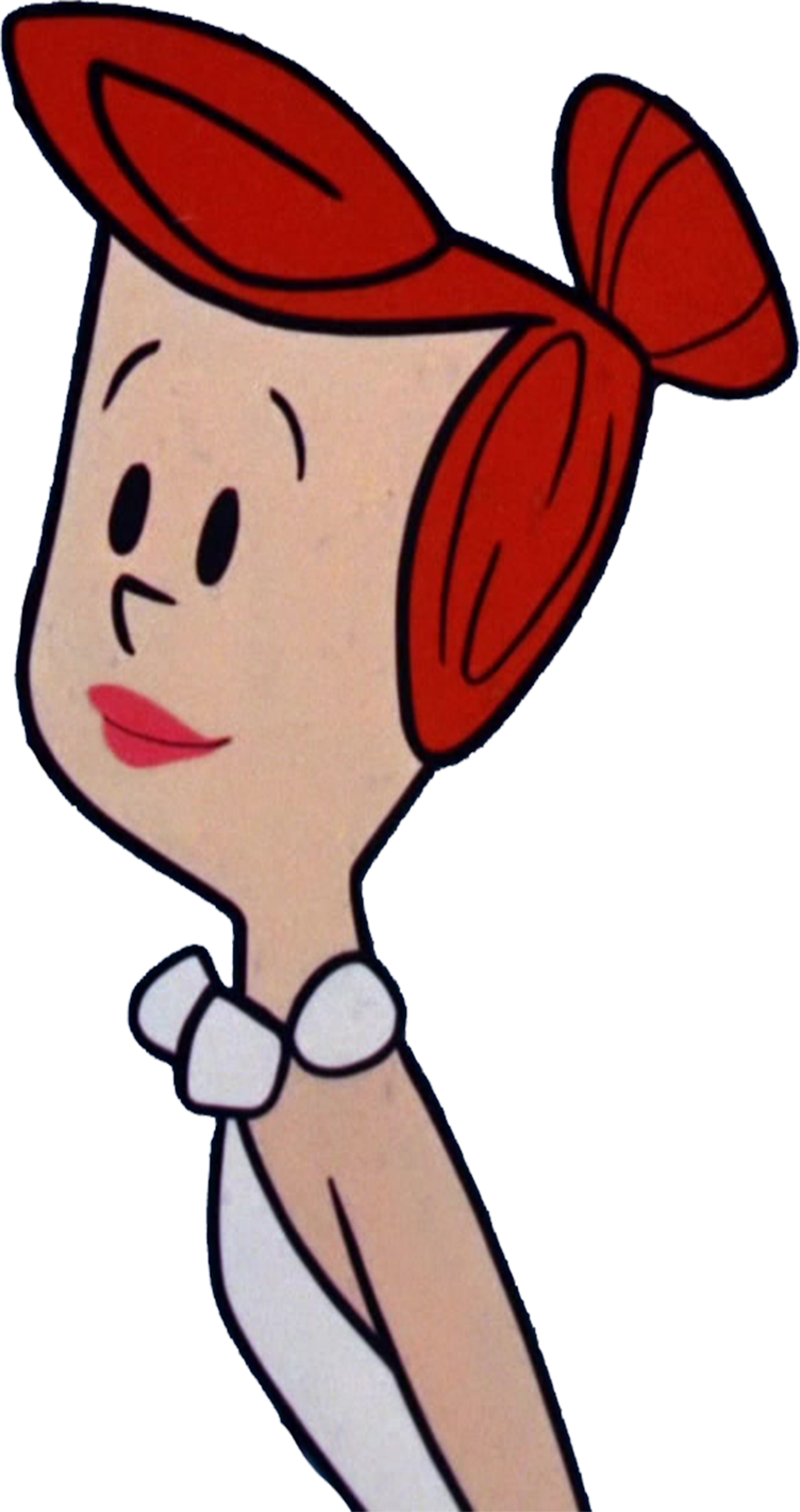
Wilma Flintstone’s maiden name is widely recognized as Slaghoople, though early series continuity occasionally referred to her as Wilma Pebble. The name Slaghoople became the definitive version through later television iterations and t...
Wilma Flintstone’s maiden name is widely recognized as Slaghoople, though early series continuity occasionally referred to her as Wilma Pebble. The name Slaghoople became the definitive version through later television iterations and the live-action prequel The Flintstones in Viva Rock Vegas, which introduced her socialite mother, Pearl Slaghoople.
Contents
The Official Identity: Understanding Wilma Slaghoople
For the vast majority of fans and pop culture historians in 2026, the question of Wilma Flintstone’s maiden name begins and ends with Slaghoople. This surname has been firmly established in the franchise's lore for several decades, serving as more than just a trivia point. The name Slaghoople carries with it a specific social connotation within the world of Bedrock. In various iterations of the show, the Slaghoople family is portrayed as being of a higher social standing than the Flintstones, often leading to the classic sitcom trope of the disapproving mother-in-law.
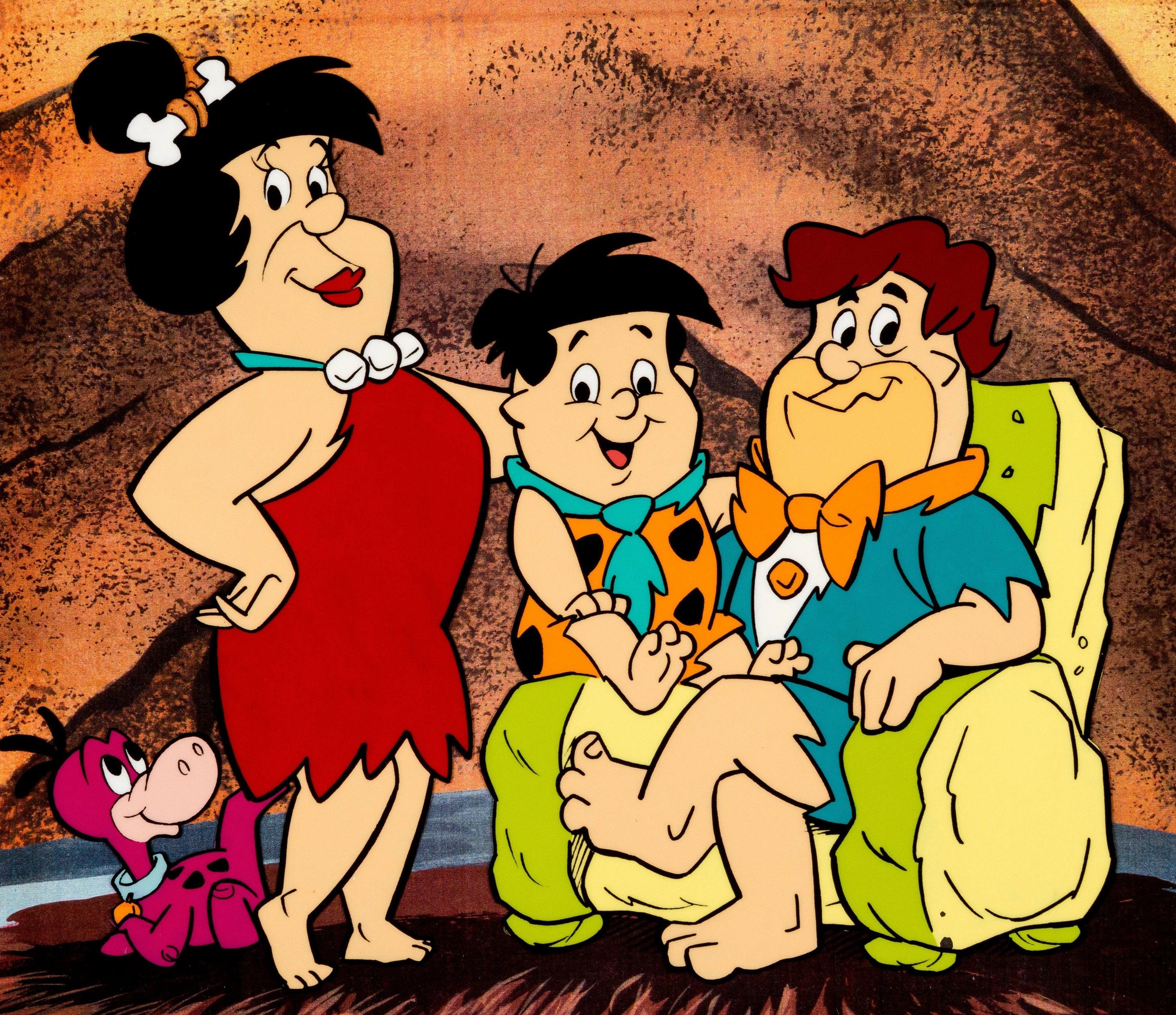
The formalization of the name Slaghoople was largely cemented by the introduction of Wilma’s mother, Pearl Slaghoople. Pearl is a recurring character who first appeared in the original series and became a central figure in later spin-offs and movies. Her character is defined by her skepticism of Fred Flintstone’s ability to provide for Wilma, a dynamic that is enriched by the "posh" sounding nature of the Slaghoople name compared to the more rugged, blue-collar "Flintstone." By the time the live-action film The Flintstones in Viva Rock Vegas was released in 2000, the Slaghoople name was used as a primary plot device, focusing on Wilma’s life before she married Fred and her family's wealthy background.
The Pebble Mystery: A Case of Early Continuity Errors
Despite the dominance of "Slaghoople," dedicated viewers of the original series, which ran from 1960 to 1966, often point to a significant discrepancy. In the Season 2 episode titled "The Birthday Party," there is a clear reference to Wilma’s maiden name being Pebble. This occurrence is one of the most famous examples of a "retcon" or continuity error in early television history. At the time of the original production, Hanna-Barbera writers were focused on episodic humor and situational gags rather than the rigid world-building and "canon" that modern audiences expect from long-running franchises.
The use of the name "Pebble" in those early years likely stemmed from the writers' desire to use stone-themed puns, which are the hallmark of The Flintstones. Interestingly, the name Pebble was eventually repurposed for Fred and Wilma’s daughter, Pebbles Flintstone. This naming choice may have been an intentional nod to the earlier maiden name or simply a coincidence driven by the limited pool of prehistoric-themed names. In the context of 2026 media analysis, the "Pebble" reference is viewed as a historical artifact—a remnant of a time when television production was less concerned with long-term consistency and more concerned with immediate comedic payoff.
The Role of Pearl Slaghoople in Fictional Canon
To understand why Slaghoople became the "real" name, one must look at the character development of Pearl Slaghoople. Pearl represents the bridge between Wilma’s past and her present life with Fred. As a character, Pearl is often depicted wearing elaborate prehistoric jewelry and harboring an air of superiority. This characterization required a surname that sounded slightly more complex and "elitist" than a simple noun like Pebble.
In the expanded universe of The Flintstones, including the various 1980s and 1990s specials, Pearl’s presence solidified the Slaghoople lineage. When writers revisited Wilma’s backstory for the live-action films, they leaned heavily into the Slaghoople identity because it provided more narrative friction. The "revelation" of her maiden name wasn't a single event but a gradual shift in the 1970s and 80s as the writers settled on a consistent backstory for the character to support recurring guest appearances by her mother.
Why Animation Lore Changed Between 1960 and 2026
The evolution of Wilma’s maiden name reflects a broader change in how animated content is produced and consumed. In the early 1960s, The Flintstones was a pioneer—the first animated program to hold a prime-time slot. It was modeled after live-action sitcoms like The Honeymooners. During this era, scripts were often written by different teams who didn't always cross-reference minor biographical details of the characters. The priority was the 22-minute story arc and the sponsors' requirements.
As the series entered syndication and became a global phenomenon, the need for a cohesive "bible" for the characters became apparent. By the time the franchise was being revived for new generations in the late 20th century, the Slaghoople name had been chosen as the standard. In the digital age, fandoms and online databases like the Hanna-Barbera Wiki have archived every line of dialogue, making these early discrepancies more visible to the general public. In 2026, we view these changes through the lens of media evolution, recognizing that the "official" answer is often the one that was most consistently used during the brand's peak expansion periods.
Historical Context of The Flintstones Production
To understand the technical depth of this name change, one must look at the production environment of Hanna-Barbera. William Hanna and Joseph Barbera operated a studio known for "limited animation," a technique that saved time and money by reusing frames. This efficiency-first mindset often extended to the writing room. If a name like "Pebble" worked for a specific joke in 1961, it was used, even if it contradicted a detail from a previous season.
However, as The Flintstones grew into a massive licensing empire, the brand required stabilization. Licensing agreements for toys, vitamins, and spin-off media required a set of "character facts." This is where Slaghoople won out. It was more unique, more protectable as a trademark, and fit the evolving narrative of Wilma coming from a "higher" social class.
Maiden Name Variations in Flintstones Media
The following table summarizes the different names attributed to Wilma throughout the franchise's history and the sources associated with them.
| Maiden Name | Primary Source | Era/Date | Context of Use |
|---|---|---|---|
| Pebble | The Flintstones (Original Series) | Season 2 (1961) | Mentioned by Fred in "The Birthday Party." |
| Slaghoople | The Flintstones (Original Series) | Later Seasons / Spin-offs | Established with the introduction of Pearl Slaghoople. |
| Slaghoople | The Flintstones in Viva Rock Vegas | 2000 | Core plot point regarding Wilma's wealthy upbringing. |
| Slaghoople | Official Brand Merchandise | 1980s–Present | Standardized name for licensing and character bios. |
Why the "Revelation" Still Surprises Fans
Even in 2026, many fans are surprised to learn that Wilma had a maiden name at all, or that it was the subject of a minor continuity war. This is because, for decades, Wilma was primarily defined by her role as a wife and mother. The "revelation" of her maiden name often feels new to casual viewers because the deeper backstory of her family was only explored in depth during later spin-offs like The Flintstone Kids or the live-action prequels.
The name Slaghoople is also phonetically distinct and somewhat difficult to remember compared to "Flintstone" or "Rubble," which contributes to the "did you know?" nature of the fact. It remains a popular question in trivia circles because it rewards those who have watched the show beyond its surface-level gags and paid attention to the occasional glimpses into the characters' pre-marital lives.
Common FAQs About Wilma Flintstone’s Background
Was Wilma Flintstone’s maiden name ever "Pebbles"?
No, "Pebbles" is the name of Fred and Wilma’s daughter. While the maiden name "Pebble" was mentioned once in the second season of the original show, it was singular. The daughter was named Pebbles (plural) when she was introduced in Season 3. The similarity likely contributed to the confusion, but "Pebbles" has always referred to the child.
Why did the writers change her name to Slaghoople?
There was no official "press release" regarding the change, but television historians suggest it was done to facilitate the character of Pearl Slaghoople. Slaghoople sounds more distinctive and "high-society," which fit the storyline of Wilma’s mother being a wealthy woman who felt her daughter married beneath her.
Is Wilma Slaghoople related to Betty Rubble?
In the original series, Wilma and Betty are portrayed as best friends who knew each other before they were married (as seen in various flashback episodes and the prequel movie). However, they are not sisters. Betty’s maiden name is generally cited as McBricker, though like Wilma’s, early episodes occasionally provided conflicting details before settling on a standard.
Where can I see the episode where she is called Wilma Pebble?
The reference occurs in the episode "The Birthday Party," which is the third episode of the second season of the original Flintstones series. In this episode, Fred is trying to plan a surprise party and refers to her as Wilma Pebble. Most modern streaming versions of the episode retain this original dialogue.
Is the Slaghoople name used in modern reboots?
Yes. Every major reboot or modern iteration of The Flintstones since the late 1980s has utilized Slaghoople as the official maiden name. This includes comic book runs by DC Comics and various animated specials produced by Warner Bros. Animation (the current owners of the Hanna-Barbera library).
Summary and Next Actions for Fans
The revelation of Wilma Flintstone’s maiden name as Slaghoople highlights the fascinating evolution of television storytelling. What began as a loosely written animated sitcom in 1960 transformed into a legendary franchise with a defined, albeit sometimes messy, history. While "Pebble" exists as a curious footnote for trivia buffs, "Slaghoople" is the name that carries the weight of the character's full history and family lineage.
For those interested in exploring the prehistoric lore of Bedrock further, the best next action is to view the Season 2 episode "The Birthday Party" to hear the original "Pebble" reference, followed by the 2000 film The Flintstones in Viva Rock Vegas to see the Slaghoople family history fully realized. Understanding these discrepancies provides a deeper appreciation for the creative process of early television and how characters we love today were shaped over decades of broadcast history.
Image Gallery