Understanding the Relationship Between Plutonium and Uranium
The relationship between plutonium and uranium is defined by a parent-offspring dynamic within the nuclear fuel cycle. While uranium is a naturally occurring element, plutonium is primarily a synthetic byproduct created when uranium-23...
The relationship between plutonium and uranium is defined by a parent-offspring dynamic within the nuclear fuel cycle. While uranium is a naturally occurring element, plutonium is primarily a synthetic byproduct created when uranium-238 atoms absorb neutrons inside a nuclear reactor. Together, they form the foundation of modern nuclear energy and strategic defense.
Contents
The Atomic Foundations: Defining Uranium and Plutonium
To understand how these two elements interact, one must first look at their placement on the periodic table. Both are actinides—heavy, radioactive metals with high atomic numbers. Uranium (atomic number 92) is the heaviest naturally occurring element found in significant quantities in the Earth's crust. It is primarily composed of two isotopes: Uranium-238 (U-238), which makes up about 99.3% of natural uranium, and Uranium-235 (U-235), which accounts for approximately 0.7%.
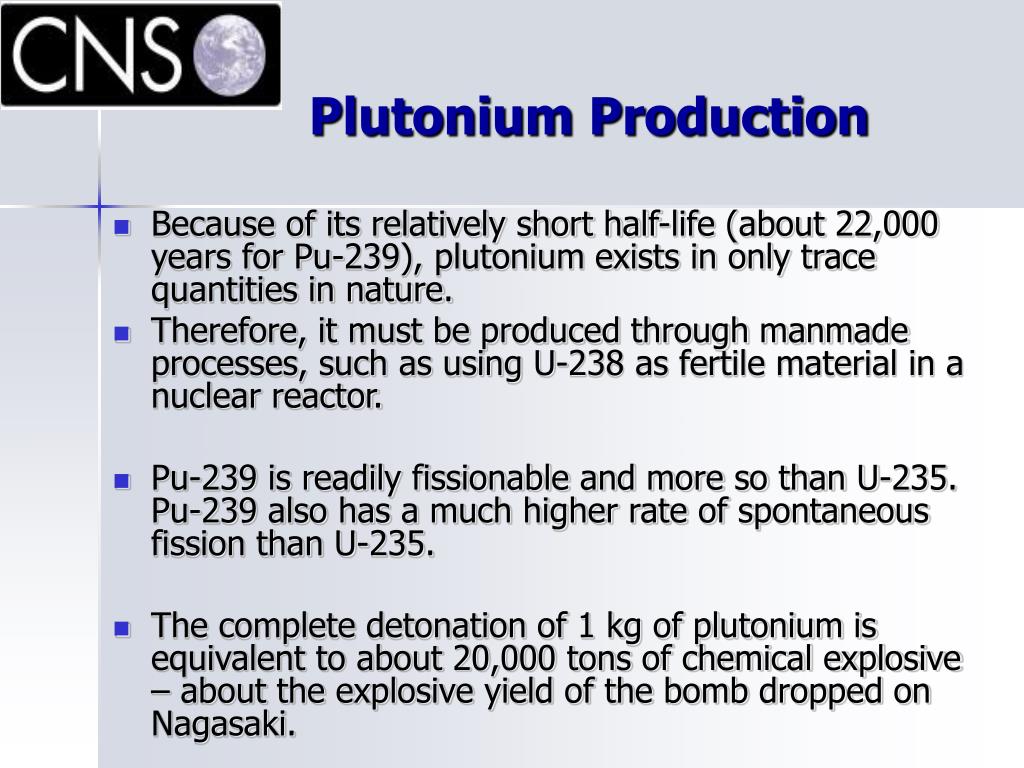
Plutonium (atomic number 94) sits two places beyond uranium. While trace amounts of plutonium exist in nature—specifically plutonium-239 created by the natural bombardment of uranium by neutrons in ore deposits—almost all plutonium in existence today is man-made. The most significant isotope is Plutonium-239 (Pu-239), valued for its fissile properties.
The relationship is fundamentally transformative. In a standard nuclear reactor, U-235 acts as the primary fuel that sustains a fission chain reaction. However, the much more abundant U-238 is "fertile," meaning it can be converted into a "fissile" material—plutonium—through neutron capture. This process essentially allows the nuclear industry to extend the energy potential of uranium resources far beyond what U-235 alone could provide.
Transmutation: How Uranium Becomes Plutonium
The birth of plutonium is a masterclass in nuclear physics known as transmutation. This process occurs continuously within the core of any operating nuclear reactor containing uranium.
- Neutron Capture: When a reactor is running, U-235 atoms split, releasing energy and free neutrons. While some of these neutrons go on to split other U-235 atoms, many are absorbed by the non-fissile U-238 atoms.
- Formation of Uranium-239: Upon absorbing a neutron, U-238 becomes U-239. This isotope is highly unstable.
- Beta Decay to Neptunium: Within minutes, the U-239 undergoes beta decay (emitting an electron and an antineutrino), transforming into Neptunium-239 (Np-239).
- Second Beta Decay to Plutonium: Neptunium-239 is also unstable, with a half-life of about 2.3 days. It undergoes a second beta decay to become Plutonium-239.
As of 2026, this process remains the primary method for producing plutonium globally. In commercial power reactors, this "incidental" plutonium actually contributes to power generation. As Pu-239 builds up in the fuel rods, some of it undergoes fission just like U-235, contributing up to one-third of the total energy produced during a typical fuel cycle. This makes the uranium-to-plutonium pipeline a critical component of the efficiency of modern light-water reactors.
The Nuclear Fuel Cycle: Synergies and Sustainability
The relationship between these elements is most visible in the concept of the "closed fuel cycle." In a traditional "once-through" cycle (common in the United States), spent nuclear fuel is treated as waste. However, in a closed cycle (utilized by countries like France and Japan), the spent fuel is chemically reprocessed to separate the remaining uranium and the newly created plutonium from waste products.
Mixed Oxide (MOX) Fuel
The pinnacle of the uranium-plutonium synergy is Mixed Oxide (MOX) fuel. MOX is created by blending depleted uranium (the byproduct of the enrichment process) with plutonium recovered from reprocessed spent fuel or decommissioned nuclear weapons.
By using MOX fuel, nuclear operators can "recycle" plutonium, reducing the need for fresh uranium mining and enrichment. This helps in managing plutonium stockpiles while simultaneously extracting more energy from the original uranium resource. As of 2026, advanced modular reactors (SMRs) are increasingly being designed to optimize this cycle, aiming for higher "burn-up" rates that utilize plutonium more effectively than previous generations of technology.
Comparison of Uranium and Plutonium Characteristics
| Feature | Uranium (Natural/Enriched) | Plutonium (Reactor Grade) |
|---|---|---|
| Primary Source | Mined from the Earth | Created in nuclear reactors |
| Key Fissile Isotope | U-235 | Pu-239 |
| Natural Abundance | ~0.7% (U-235) | Trace amounts only |
| Critical Mass | Larger (approx. 52 kg for U-235) | Smaller (approx. 10 kg for Pu-239) |
| Half-Life (Primary) | 704 million years (U-235) | 24,100 years (Pu-239) |
| Radioactivity | Alpha emitter (Low activity) | Alpha emitter (High specific activity) |
Strategic and Defense Implications
While their relationship is beneficial for energy, it creates significant challenges for international security and non-proliferation. Both U-235 and Pu-239 are "special nuclear materials" capable of sustaining a fast-neutron chain reaction, which is required for nuclear explosives.
Uranium requires massive, energy-intensive enrichment facilities (using centrifuges or laser separation) to increase the concentration of U-235 from 0.7% to the "weapons-grade" level of over 90%. This process is difficult to hide and technically demanding.
Plutonium, however, is chemically distinct from the uranium it is born from. This means that once uranium has been irradiated in a reactor, the plutonium can be separated through chemical reprocessing rather than physical isotope separation. While reprocessing is still a complex industrial task, it is generally considered a significant proliferation risk. Consequently, the International Atomic Energy Agency (IAEA) maintains strict safeguards on both materials to ensure that the transition from uranium to plutonium remains within the bounds of peaceful energy production.
Radiological Safety and Environmental Management
The health and safety profiles of uranium and plutonium differ significantly, largely due to their specific activity (the rate of radioactive decay).
Uranium, in its natural or low-enriched state, is primarily a chemical toxicity risk rather than a radiological one. Its long half-life means it decays very slowly, making it relatively safe to handle with basic shielding (like gloves) as long as it is not ingested or inhaled.
Plutonium is much more radiologically intense. Because its half-life is much shorter (24,100 years for Pu-239 compared to 700 million years for U-235), it emits alpha particles much more frequently. While alpha radiation cannot penetrate the skin, plutonium is extremely hazardous if inhaled or ingested, where it can settle in the lungs, liver, or bones, causing long-term internal irradiation.
Managing the "waste" relationship between the two requires sophisticated engineering. Spent fuel containing both elements must be cooled in spent fuel pools for several years before being moved to dry cask storage or reprocessing facilities. The U.S. Nuclear Regulatory Commission (NRC) provides extensive guidelines on the handling and storage of these materials to prevent environmental contamination and ensure public safety.
Future Horizons: Breeder Reactors
The most advanced stage of the uranium-plutonium relationship is found in Fast Breeder Reactors (FBRs). While conventional reactors consume more fissile material than they create, a "breeder" is designed to produce more plutonium from a U-238 blanket than it consumes in its core.
In this scenario, uranium is not just a fuel source; it is a limitless feedstock. By effectively converting the world's vast stockpiles of depleted uranium (U-238) into fissile plutonium, breeder reactors could theoretically provide energy for thousands of years. While commercial adoption of breeders has been slow due to cost and proliferation concerns, research into Gen IV reactor designs continues to focus on this symbiotic relationship as a solution for long-term energy security.
Frequently Asked Questions
Can plutonium exist without uranium? In the context of our planet and current technology, no. Because plutonium-239 has a relatively short half-life compared to the age of the Earth, any "primordial" plutonium present at the Earth's formation has long since decayed. Virtually all plutonium currently in existence was created from the transmutation of uranium atoms in man-made reactors.
Which is more powerful for energy production: uranium or plutonium? Plutonium-239 is more "fissile" than Uranium-235. It has a higher "cross-section" for neutron absorption, meaning it is more likely to fission when hit by a neutron. Additionally, plutonium fission releases more neutrons per event than uranium, which can lead to a more intense chain reaction. This makes plutonium highly efficient but also more difficult to control in certain reactor environments.
Is it possible to turn plutonium back into uranium? While radioactive decay naturally leads elements to transform, turning plutonium back into uranium is not a practical or sought-after process. Plutonium-239 eventually decays into Uranium-235 through alpha decay, but this takes tens of thousands of years. In industrial settings, the goal is usually the reverse: turning abundant U-238 into useful Pu-239.
Why don't we use plutonium in all nuclear reactors? Plutonium is more expensive to handle and fabricate into fuel due to its high radioactivity and the strict security measures required to prevent theft. Furthermore, many existing "thermal" reactors are not optimized for 100% plutonium cores. Using MOX fuel (a blend) is a middle-ground solution currently used in many parts of the world.
How does 2026 technology affect the uranium-plutonium relationship? As of 2026, the focus has shifted toward Small Modular Reactors (SMRs) and advanced recycling technologies. These innovations aim to make the chemical separation of plutonium cleaner and more "proliferation-resistant" by keeping the plutonium mixed with other actinides, making it unsuitable for weapons while remaining excellent for fuel.
Summary Recommendation
For those seeking to understand the nuclear landscape, it is essential to view uranium and plutonium not as separate entities, but as two stages of a single energy cycle. Uranium is the raw resource, while plutonium is the synthetic extension of that resource's potential. Organizations looking to invest in or study nuclear energy should focus on the reprocessing and MOX fuel sectors, as these are the primary areas where the uranium-plutonium relationship is leveraged for economic and environmental gain. For further technical specifications on isotopic transitions, consult the official documentation provided by the World Nuclear Association.
Image Gallery