Why Roof Price Per Square Foot Varies So Widely
The price of a new roof per square foot varies widely due to a combination of material costs, architectural complexity, local labor rates, and the condition of the underlying structure. While basic asphalt shingles may cost significant...
The price of a new roof per square foot varies widely due to a combination of material costs, architectural complexity, local labor rates, and the condition of the underlying structure. While basic asphalt shingles may cost significantly less, premium materials like slate or metal, combined with steep pitches or intricate designs, can triple the total expenditure for the same footprint.
Contents
Estimating the cost of a residential or commercial roof is rarely a straightforward calculation of area multiplied by a flat rate. In 2026, the roofing industry continues to navigate a landscape shaped by evolving building codes, fluctuating material supply chains, and a specialized labor market. Homeowners often find that quotes for the same property can vary by thousands of dollars. To understand this variance, one must look beyond the surface level and examine the technical and logistical factors that contractors weigh when producing an estimate.
The Unit of Measure: Square Foot vs. Roofing Square
In the roofing industry, professionals rarely discuss prices in terms of individual square feet. Instead, they use a unit called a "square." One roofing square is equal to 100 square feet of roof surface area. While a consumer might look at the ground-level "footprint" of their home (e.g., a 2,000-square-foot ranch), the actual roof surface area is always larger due to the slope (pitch) and overhangs.
A common point of confusion—and a reason for price variance—is the "waste factor." No roof is a perfect rectangle. Valleys, hips, and ridges require cutting materials to fit, and these off-cuts are generally unusable. Contractors typically add 10% to 15% to the total square footage to account for this waste. On complex roofs with multiple dormers, the waste factor can climb as high as 20%. Therefore, the price per square foot quoted to a homeowner includes not just what is installed, but also the material discarded during the precision-fitting process.
Material Selection: The Greatest Variable
The type of material chosen is the most significant contributor to price fluctuations. In 2026, the market offers a spectrum of options ranging from budget-friendly traditional shingles to high-end architectural systems.
Asphalt Shingles
Asphalt remains the most common roofing material in North America. However, even within this category, prices vary. Three-tab shingles are the most economical but offer the shortest lifespan and lowest wind resistance. Architectural (laminate) shingles, which are thicker and provide a dimensional look, are the current industry standard. In recent years, "cool roof" shingles—engineered to reflect more sunlight—have become mandatory in certain jurisdictions like California under Title 24 standards, slightly increasing the base cost per square foot compared to non-reflective alternatives.
Metal Roofing
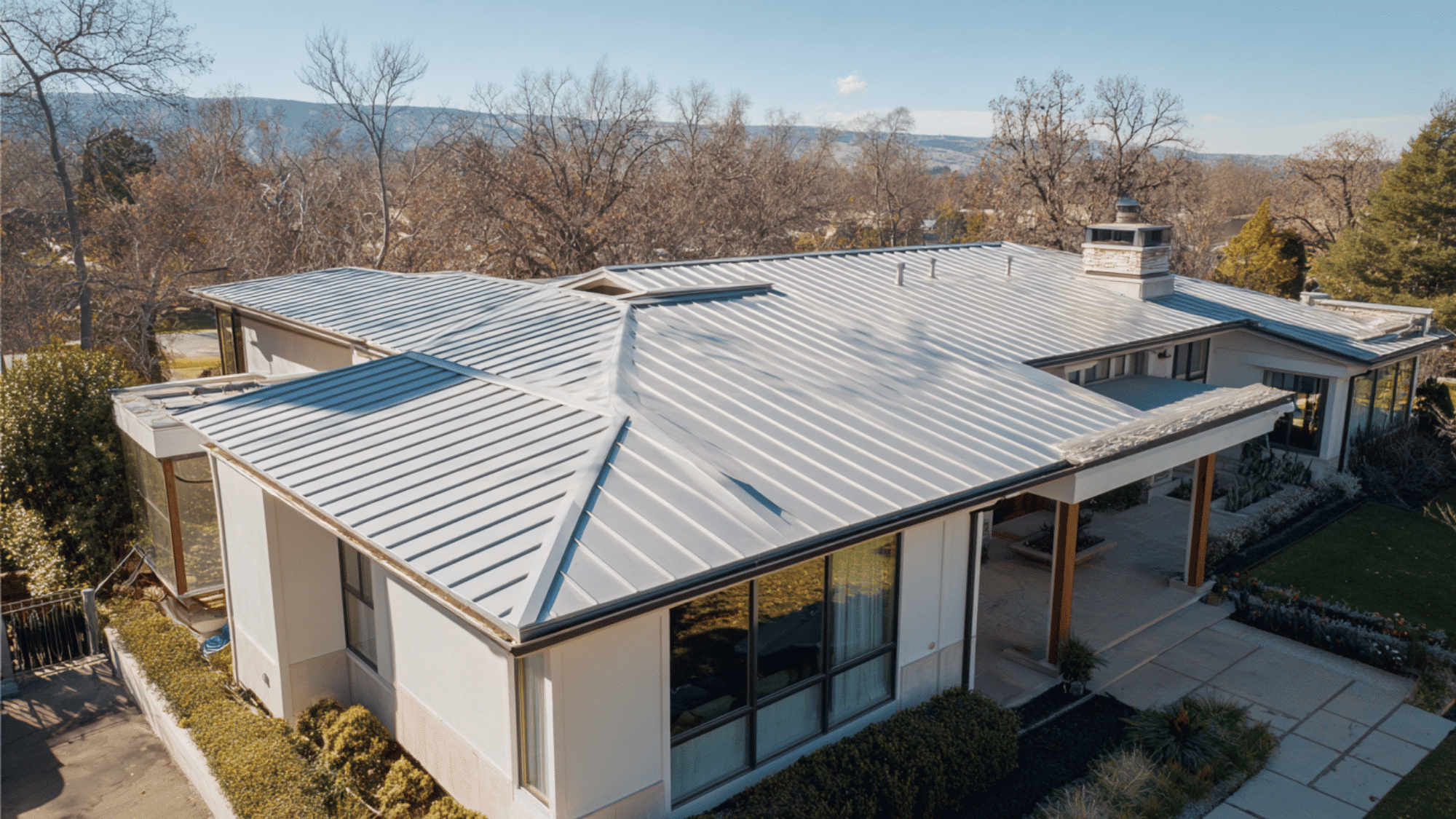
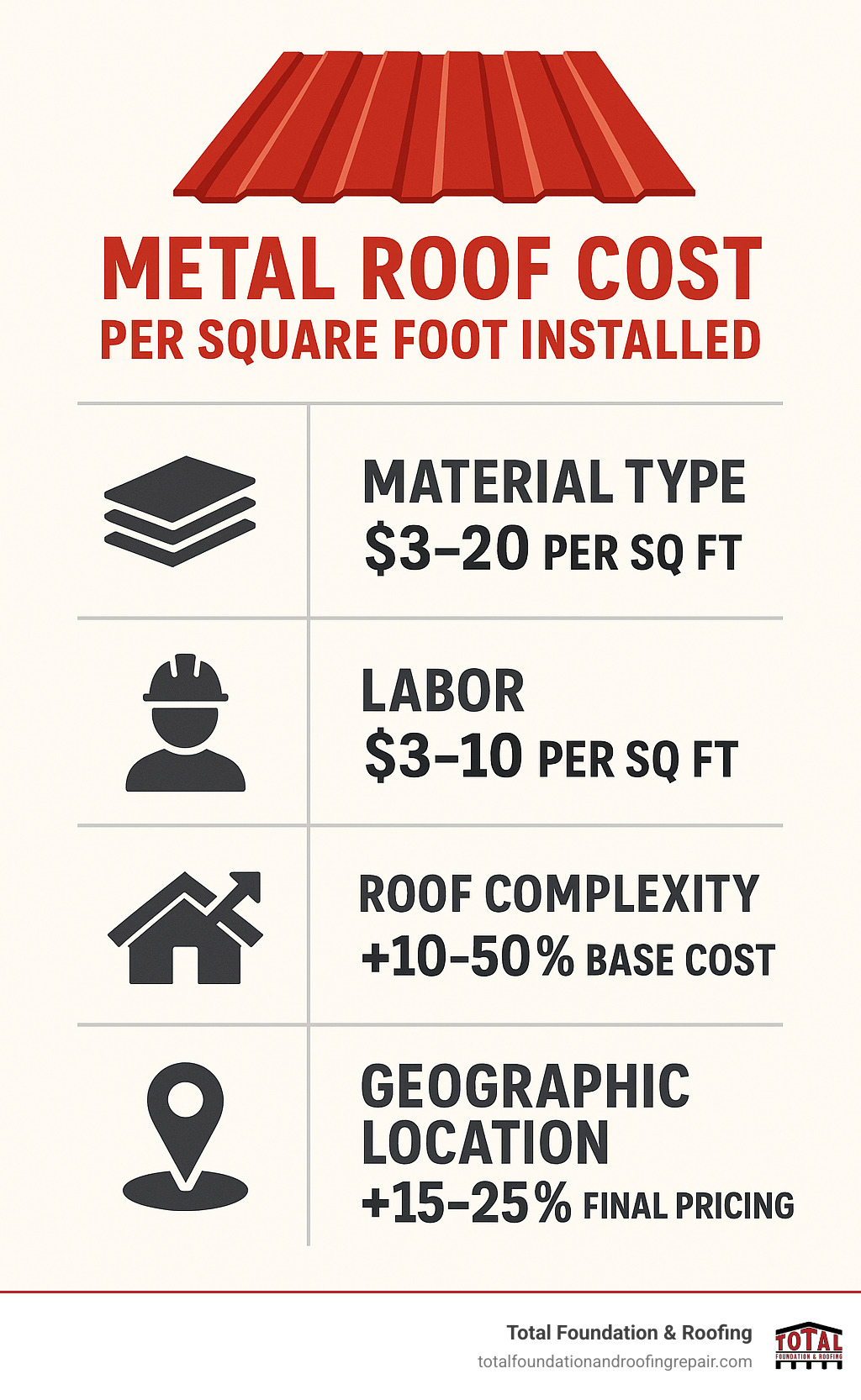
Metal roofing has seen a surge in popularity due to its longevity and fire resistance. The price variance here is massive. Corrugated or screw-down metal panels are relatively affordable but require more maintenance regarding exposed fasteners. Conversely, standing seam metal roofs, where fasteners are concealed within the ribs, involve much higher material costs and specialized labor, often costing two to three times more than asphalt per square foot.
Luxury and Specialized Materials
At the top of the price bracket are slate, clay tile, and synthetic composites. Natural slate is heavy, requiring structural reinforcement of the home's frame, which adds to the square-foot cost. Solar roofing tiles, which became more integrated into standard construction by 2026, represent the highest end of the market, combining the cost of a premium roof with a functional photovoltaic system.
Architectural Complexity and Pitch
The "walkability" of a roof dictates the speed and safety requirements of the job. Roofing pitch is calculated as a ratio of "rise over run"—how many inches the roof rises for every 12 inches it runs horizontally.
- Low-Pitch Roofs (up to 6:12): These are generally "walkable," meaning installers can move freely without extensive harness systems or scaffolding. Labor costs are lower because the work moves faster.
- Steep-Pitch Roofs (7:12 and above): Once a roof reaches a certain steepness, it becomes non-walkable. Installers must use roof jacks, specialized safety gear, and often work more slowly to ensure safety. This significantly increases the labor portion of the price per square foot.
- Complexity Features: Every time a roof plane is interrupted by a chimney, skylight, valley, or dormer, the price increases. These areas require custom flashing—waterproofing strips made of metal or synthetic membranes—to prevent leaks. A roof with ten valleys and four skylights will cost much more per square foot than a simple "up-and-over" gable roof of the same size.
Labor Dynamics and Geographic Location
Labor typically accounts for 40% to 60% of a roofing estimate. Geographic location influences this through local cost-of-living standards and the availability of skilled tradespeople. In 2026, the construction industry continues to face a shortage of experienced roofers, which has driven up wages.
Furthermore, local building codes and permit fees vary by municipality. Some cities require a "mid-roof" inspection, where an official must verify the underlayment and flashing before the shingles are applied. These administrative requirements and the associated delays are baked into the contractor's square-foot price. Insurance is another invisible cost; a reputable contractor must carry high-premium workers' compensation and general liability insurance, which adds to their overhead compared to "under-the-table" operators.
The Condition of the Substrate: The "Hidden" Costs
A roof replacement often involves more than just swapping the outer layer. When a contractor provides a quote, they are making assumptions about what lies beneath the shingles.
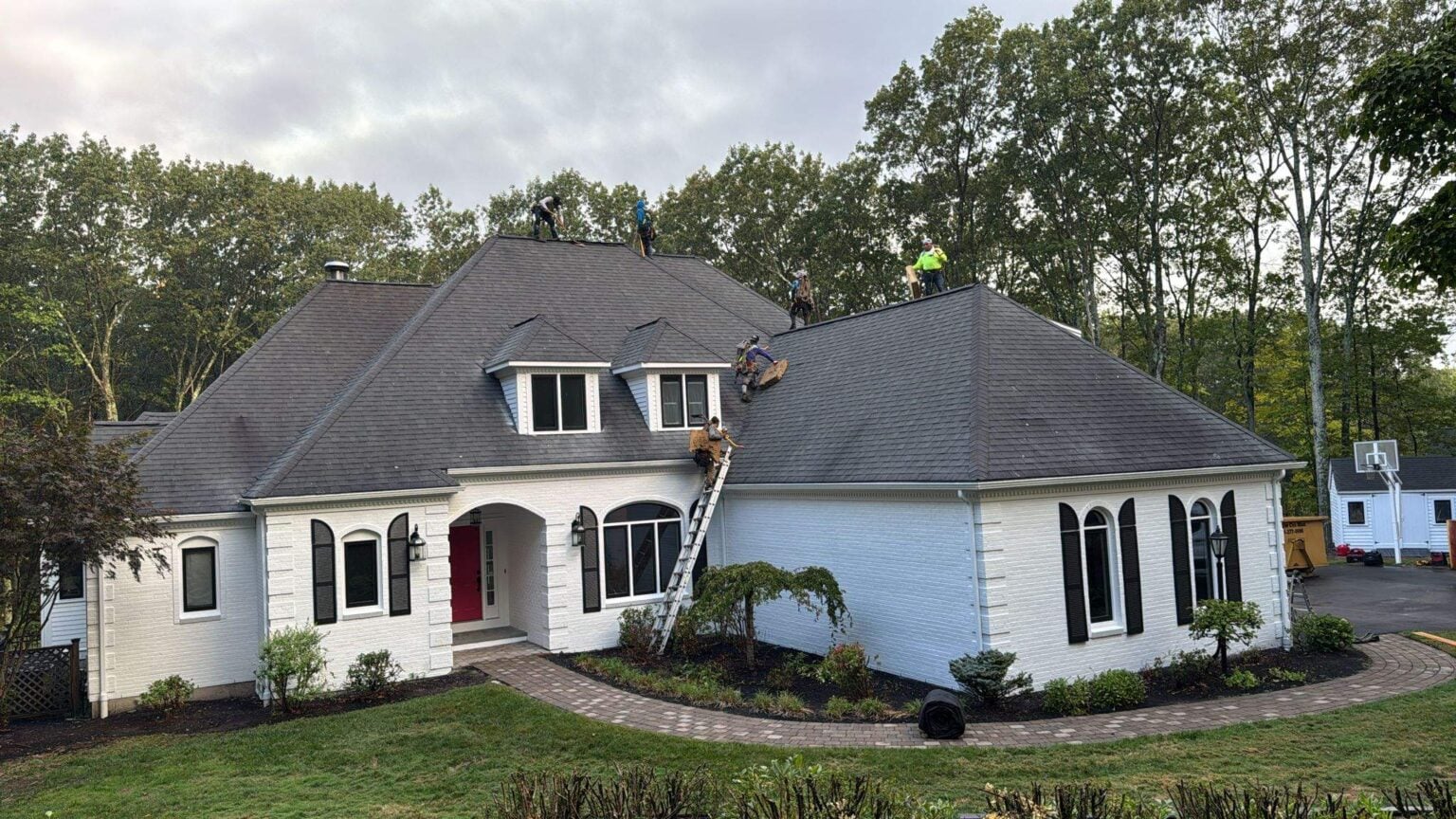
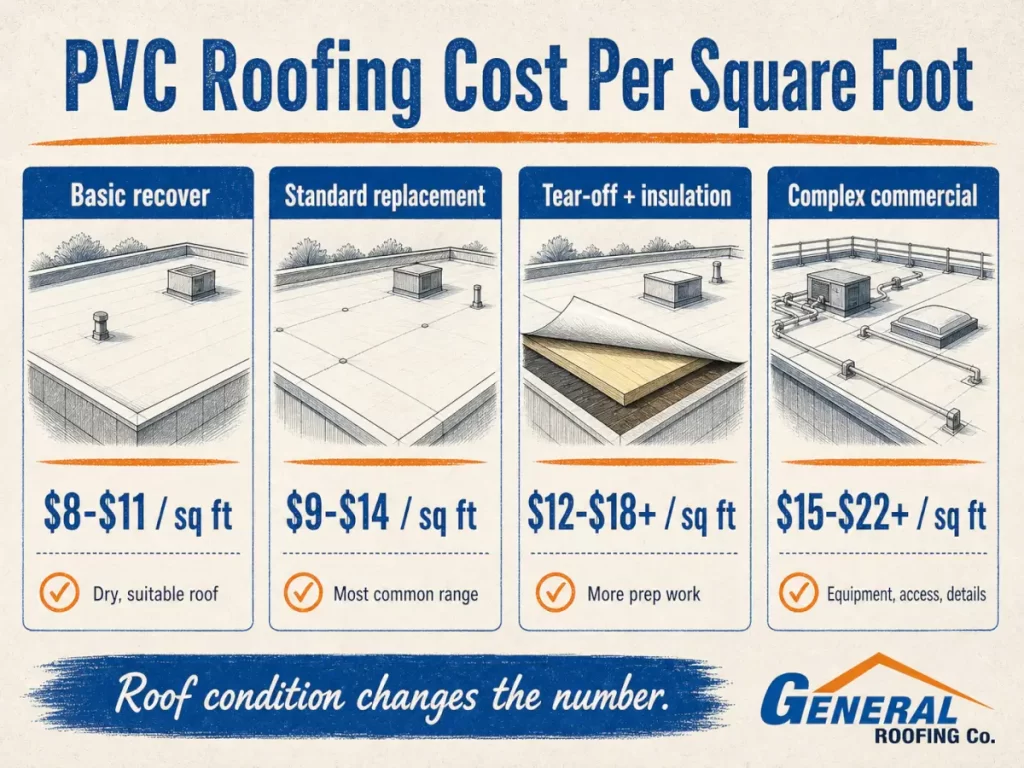
- Tear-off Layers: If a home has two or even three layers of old shingles (common in older structures), the labor to remove and the fees to dispose of that weight increase the price. Most modern codes prohibit more than two layers.
- Decking (Sheathing): Once the old roof is removed, the wood decking is inspected. If there is rot, mold, or "delamination" (the layers of plywood pulling apart), the wood must be replaced. High lumber prices in the mid-2020s mean that replacing even a few sheets of OSB or plywood can add hundreds of dollars to a project.
- Underlayment and Ventilation: A high-quality roof requires synthetic underlayment rather than old-fashioned felt paper. Additionally, if the attic is not properly vented, the new roof will fail prematurely. Installing ridge vents, soffit vents, or motorized fans increases the comprehensive price per square foot.
2026 Estimated Cost Comparison Table
The following table outlines the estimated price ranges per square foot (installed) for various roofing systems in 2026. These figures include material, labor, and standard disposal fees.
| Roofing Material | Price per Sq. Ft. (Installed) | Expected Lifespan | Maintenance Level |
|---|---|---|---|
| Traditional 3-Tab Asphalt | $4.50 – $6.00 | 15–20 Years | Moderate |
| Architectural Shingles | $6.50 – $9.50 | 25–40 Years | Low |
| Standing Seam Metal | $14.00 – $22.00 | 50+ Years | Very Low |
| Natural Slate | $25.00 – $50.00 | 75–100 Years | High (specialized) |
| Synthetic/Composite Slate | $12.00 – $18.00 | 40–50 Years | Low |
| Clay/Concrete Tile | $15.00 – $25.00 | 50+ Years | Moderate |
| Integrated Solar Tiles | $30.00 – $45.00 | 25–30 Years | Moderate (electrical) |
Evaluating Contractor Quotes
When faced with wildly different quotes, homeowners should look for "Scope of Work" details rather than just the bottom line. A lower price per square foot might indicate that the contractor is not replacing the flashings, is using a lower-grade underlayment, or lacks proper insurance coverage.
According to the National Roofing Contractors Association (NRCA), a professional proposal should clearly state the manufacturer of the materials, the wind-resistance rating, the specific type of underlayment, and the warranty terms—both from the manufacturer (for defects) and the contractor (for workmanship). If one quote is significantly lower than others, it often suggests a shortcut in the "waterproofing" stages, such as reuse of old valley tin or drip edges, which are critical failure points.
Frequently Asked Questions
Why is a metal roof so much more expensive than asphalt per square foot?
Metal roofing requires more expensive raw materials and a higher level of technical skill to install correctly. Unlike asphalt shingles, which can be easily trimmed and nailed, metal panels (especially standing seam) require precision bending, specialized tools, and a focus on thermal expansion and contraction. The higher initial cost is balanced by a lifespan that is often double or triple that of asphalt.
Does the time of year affect the price per square foot?
Yes. In many regions, roofing is a seasonal industry. Prices may be higher during the "busy season" (late summer and autumn) when demand is peak. Conversely, some contractors offer "off-season" discounts in late winter or early spring to keep their crews working. However, extreme weather can also increase costs if additional protection or safety measures are required during installation.
Can I save money by installing a new roof over my old one?
While "roof-overs" are legal in many areas if only one layer exists, most experts advise against it. Installing a new roof over an old one traps heat, which can shorten the life of the new shingles, and it prevents the contractor from inspecting the decking for rot. While it reduces the price per square foot by eliminating tear-off and disposal costs, it often costs more in the long run due to reduced lifespan and potential structural issues.
How do local permit fees impact the square foot price?
Permit fees are usually based on the total value of the project or the number of squares being installed. In some high-regulation areas, permit and inspection fees can add $500 to $2,000 to the total project cost. Contractors include these administrative costs in their overall estimate, which can make the price per square foot seem higher in one city compared to a neighboring town with fewer regulations.
What is the "waste factor" in a roofing estimate?
The waste factor accounts for the material that must be cut away to fit the specific shape of your roof, as well as the overlap required for shingles to be waterproof. A standard gable roof has a waste factor of about 10%, while a complex hip roof with many valleys and dormers might require a 15% to 20% waste factor. You pay for this material because the contractor must purchase it to complete the job.
Summary and Next Actions
The wide variance in roofing prices per square foot is a reflection of the unique variables of every home and the market conditions of 2026. To get the most accurate and fair price, homeowners should:
- Request a detailed breakdown of materials, labor, and disposal.
- Verify the waste factor applied to the estimate.
- Check the contractor’s credentials, including local licenses and manufacturer certifications, which often allow for extended warranties.
- Prioritize the "system" over the shingle, ensuring that underlayment, flashing, and ventilation are all being upgraded simultaneously.
Investing in a roof is not merely a purchase of materials; it is an investment in the structural integrity of the entire building. Understanding the factors behind the price helps ensure that you are paying for quality where it matters most.
Image Gallery