What Type of Car is a Nissan Kicks? Understanding This Subcompact SUV
The Nissan Kicks is a subcompact crossover SUV designed primarily for urban environments. It combines the elevated seating position and cargo versatility of an SUV with the fuel efficiency and maneuverability of a small hatchback. As o...
The Nissan Kicks is a subcompact crossover SUV designed primarily for urban environments. It combines the elevated seating position and cargo versatility of an SUV with the fuel efficiency and maneuverability of a small hatchback. As of 2026, it serves as Nissan’s entry-level crossover, offering available all-wheel drive and advanced safety technology.
Contents
Defining the Segment: The Subcompact Crossover SUV
To understand what type of car the Nissan Kicks is, one must first understand the subcompact crossover SUV segment, often referred to as the B-segment in automotive classification. This category emerged to bridge the gap between traditional subcompact cars (like the now-discontinued Nissan Versa Note) and larger compact SUVs (like the Nissan Rogue).
The Nissan Kicks is built on a platform that prioritizes space efficiency. Unlike traditional body-on-frame SUVs designed for heavy towing or extreme off-roading, the Kicks uses unibody construction. This means the frame and body are manufactured as a single solid piece, similar to a sedan. The benefit of this design is a smoother ride, better handling in tight city corners, and significantly higher fuel economy compared to larger, heavier vehicles.
In the Nissan lineup, the Kicks occupies the "entry-level" position. It is smaller and more affordable than the Rogue or the Murano. However, despite its small exterior footprint, its "tall-boy" design allows for a surprising amount of interior headroom and vertical cargo space, which is a hallmark of the crossover category.
Evolution of the Kicks: From Urban Commuter to Versatile Crossover
When the Nissan Kicks first debuted, it was strictly a front-wheel-drive (FWD) vehicle. It was marketed as a stylish, budget-friendly replacement for the subcompact hatchback. However, the second-generation Kicks, which is the current standard in 2026, significantly evolved the vehicle’s identity.
The modern Nissan Kicks is now a more robust contender in the SUV market. The most notable shift occurred with the introduction of Intelligent All-Wheel Drive (AWD). By offering AWD, the Kicks moved from being a "tall hatchback" to a legitimate crossover capable of handling diverse weather conditions, such as snow and rain, which appeals to drivers in northern climates.
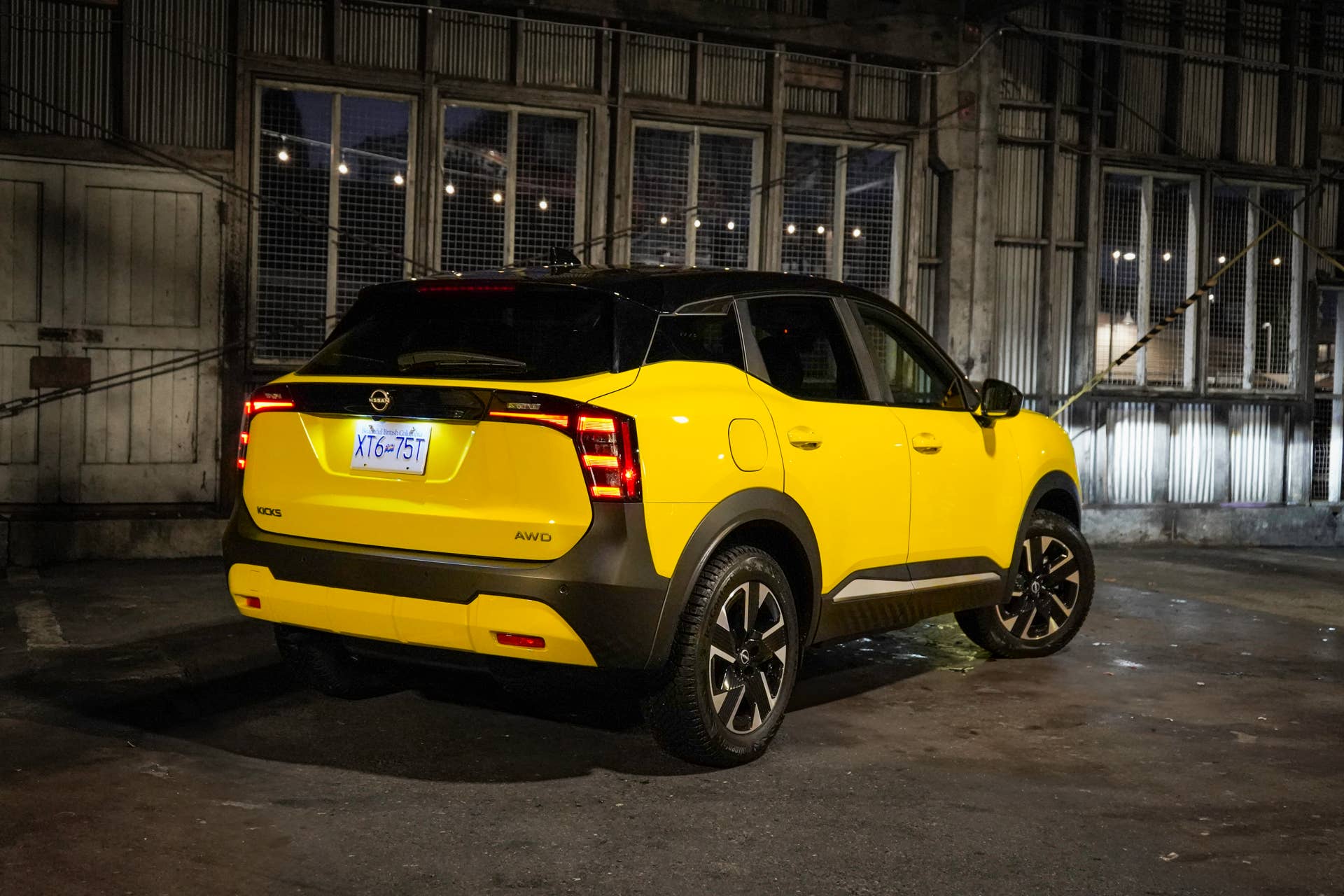
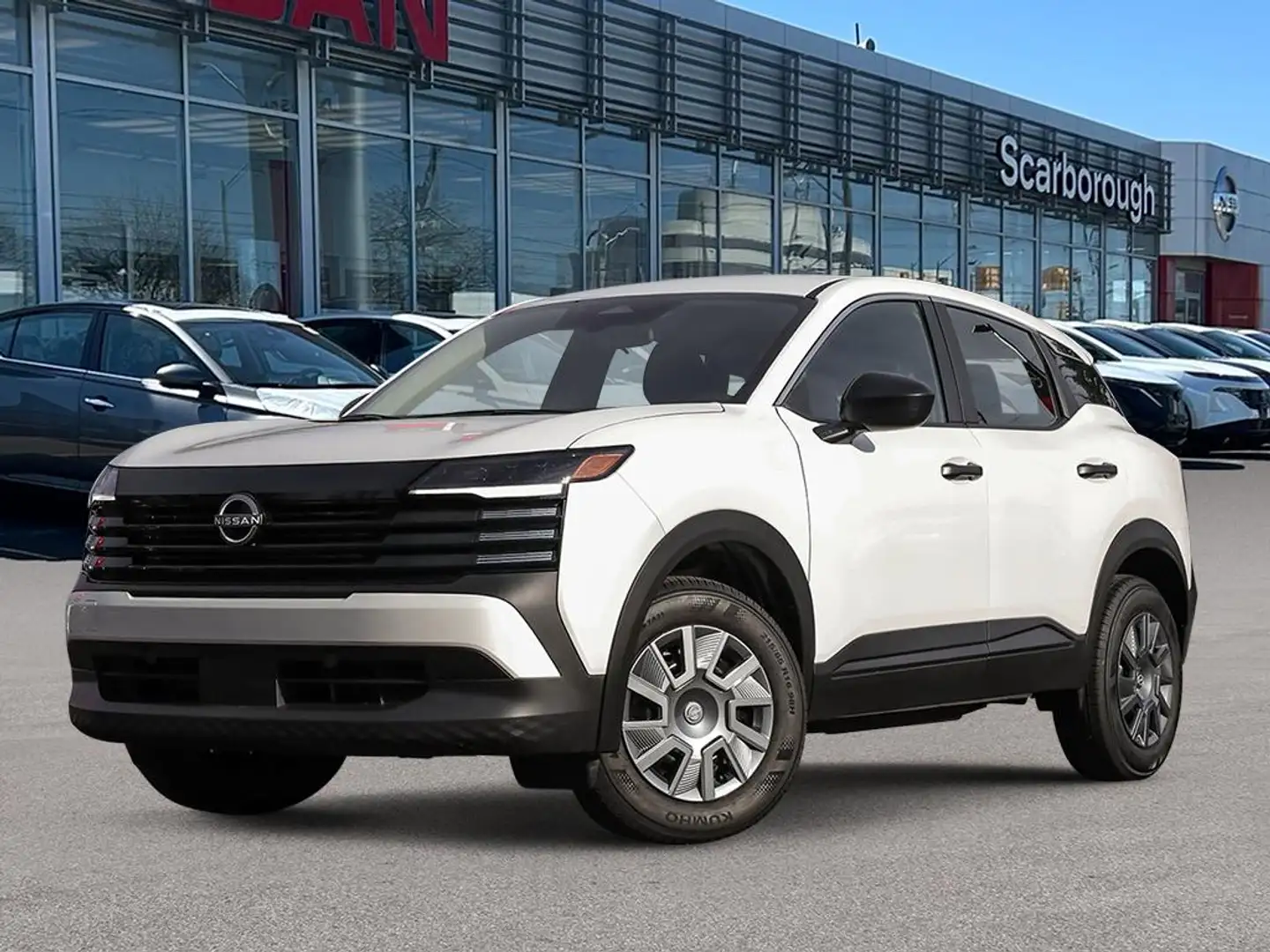
The design language also shifted from the playful, curvaceous lines of the early models to a more "mini-Z" or "mini-Rogue" aesthetic. It features a more squared-off front end, a wider stance, and higher ground clearance. These physical changes reinforce its status as an SUV, providing the "curb appeal" that buyers look for in the crossover market.
Engine, Performance, and Mechanical Specifications
The Nissan Kicks is engineered for efficiency and ease of use rather than high-performance racing. As of 2026, the vehicle features a more powerful powertrain than its predecessors to accommodate its larger frame and the optional AWD system.
Powertrain and Transmission
The heart of the 2026 Nissan Kicks is typically a 2.0-liter four-cylinder engine. This was a significant upgrade from the 1.6-liter engine found in the first generation. This engine produces approximately 141 horsepower and 140 lb-ft of torque. While these numbers are modest compared to a sports car, they are perfectly suited for the vehicle’s weight, providing adequate merging power for highways and responsive "stop-and-go" performance for city driving.
Nissan pairs this engine with its Xtronic Continuously Variable Transmission (CVT). Unlike a traditional automatic transmission with a fixed number of gears, a CVT can vary the gear ratio infinitely. This allows the engine to stay in its most efficient power band, contributing to the Kicks' excellent fuel economy ratings, which often exceed 30 miles per gallon (MPG) in combined driving.
Chassis and Handling
The Kicks utilizes an independent strut front suspension and a twist-beam rear axle (on FWD models) or a multi-link rear suspension (on AWD models). The steering is electrically assisted, making it incredibly light and easy to park in crowded urban garages. With a tight turning radius, it remains one of the most maneuverable vehicles in Nissan’s fleet.
Interior Utility and Technology
The "type" of car a Kicks is can best be described as a "mobile tech hub" for budget-conscious buyers. Nissan has prioritized interior volume and digital integration to compete with rivals like the Honda HR-V and Hyundai Kona.
Cargo and Passenger Space
One of the primary reasons buyers choose a subcompact SUV over a sedan is the cargo flexibility. The Nissan Kicks features a "Zero Gravity" seat design, inspired by NASA technology, which aims to reduce fatigue during long commutes.
The cargo area is particularly impressive for this class. With the rear seats up, the Kicks offers roughly 24 to 30 cubic feet of space (depending on the trim and floor configuration). When the 60/40 split-bench seats are folded down, that capacity expands significantly, allowing owners to transport small furniture, camping gear, or large grocery hauls that would never fit in a traditional trunk.
Infotainment and Connectivity
The 2026 Kicks features a modern dashboard dominated by digital screens. Higher trim levels, such as the SV and SR, come equipped with dual 12.3-inch displays—one for the instrument cluster and one for the central touchscreen. Standard features include:
- Wireless Apple CarPlay and Android Auto: Allowing for seamless smartphone integration without cables.
- Bose Personal Plus Audio: Available on the SR trim, this system includes speakers built directly into the driver’s headrest for an immersive 360-degree sound experience.
- NissanConnect Services: Providing Wi-Fi hotspot capability and remote vehicle access via a smartphone app.
Safety and Driver Assistance Technology
Nissan markets the Kicks as one of the safest vehicles in its price bracket. This is achieved through the Nissan Safety Shield 360 suite, which is standard across all trim levels. This focus on safety defines the Kicks as a practical choice for new drivers and small families.
Key safety components include:
- Automatic Emergency Braking with Pedestrian Detection: The car can automatically apply the brakes if it senses an imminent collision with a vehicle or person.
- Rear Automatic Braking: A rare feature in the subcompact class, this prevents low-speed backing accidents by detecting stationary objects behind the car.
- Blind Spot Warning and Rear Cross Traffic Alert: Essential for navigating highway lane changes and backing out of busy parking spots.
- ProPILOT Assist: Available on higher trims, this system combines steering assist and intelligent cruise control to help keep the vehicle centered in its lane and maintain a safe distance from the car ahead during highway travel.
Comparing the Nissan Kicks to Competitors
To fully understand the Nissan Kicks, it helps to see how it stacks up against other vehicles in the 2026 subcompact SUV market.
| Feature | 2026 Nissan Kicks | Honda HR-V | Hyundai Kona | Chevrolet Trax |
|---|---|---|---|---|
| Engine | 2.0L 4-Cylinder | 2.0L 4-Cylinder | 2.0L or 1.6L Turbo | 1.2L 3-Cylinder Turbo |
| Max Horsepower | 141 hp | 158 hp | 147 - 190 hp | 137 hp |
| AWD Available | Yes | Yes | Yes | No (FWD only) |
| Standard Safety | Safety Shield 360 | Honda Sensing | SmartSense | Chevy Safety Assist |
| Best For | Value & Tech | Rear Seat Space | Styling & Performance | Lowest Starting Price |
Target Audience: Who Should Buy a Nissan Kicks?
The Nissan Kicks is not a "one-size-fits-all" vehicle, but it targets three specific demographics very effectively:
- Urban Dwellers: Because of its compact dimensions and light steering, the Kicks is arguably the best "city SUV." It fits into small parking spaces that would be impossible for a Pathfinder or Armada, yet it offers enough ground clearance to handle potholes and speed bumps without scraping the underbody.
- First-Time Car Buyers: With its relatively low starting MSRP and high standard safety ratings, the Kicks is a popular choice for college students or young professionals buying their first new car. The inclusion of modern tech like wireless charging and smartphone integration appeals to this digitally native audience.
- Empty Nesters and Downsizers: Many older drivers find that they no longer need a three-row SUV but still want the high "H-point" (hip point) of a crossover, which makes it easier to get in and out of the vehicle compared to a low-slung sedan.
Ownership Costs and Reliability
As an entry-level crossover, the Nissan Kicks is designed to be affordable not just at the time of purchase, but throughout its lifecycle.
Fuel Economy: Even with the 2026 model's larger engine and available AWD, the Kicks remains a leader in fuel efficiency for non-hybrid SUVs. Owners can expect low monthly fuel costs, which is a significant factor in its "value-oriented" classification.
Maintenance: The Kicks uses a standard naturally aspirated engine (no turbochargers on the base engine), which generally leads to simpler and more affordable long-term maintenance. Parts for the Kicks are widely available, and because it shares many components with other Nissan models, service is straightforward at any certified dealership.
Insurance: Insurance premiums for the Kicks tend to be lower than those for sports cars or luxury SUVs due to its high safety ratings and lower repair costs for the unibody structure.
Frequently Asked Questions
Is the Nissan Kicks considered a "real" SUV?
Yes, it is classified as a subcompact crossover SUV. While it is not designed for heavy-duty off-roading like a Jeep Wrangler, its increased ground clearance, cargo versatility, and available all-wheel drive satisfy the technical and consumer definitions of an SUV.
Does the Nissan Kicks have All-Wheel Drive (AWD)?
Starting with the 2025 model year and continuing through 2026, the Nissan Kicks offers Intelligent All-Wheel Drive as an option. Earlier models (2018–2024) were only available in front-wheel drive.
Is the Nissan Kicks fuel-efficient?
Yes, the Nissan Kicks is one of the most fuel-efficient vehicles in its class. By utilizing a lightweight chassis and a Continuously Variable Transmission (CVT), it provides fuel economy that rivals many subcompact sedans while offering more interior space.
How much cargo space does the Nissan Kicks have?
The Nissan Kicks typically offers around 30 cubic feet of cargo space behind the second row. With the rear seats folded down, this space expands to approximately 60 cubic feet, which is exceptional for a vehicle of its exterior dimensions.
Is the Nissan Kicks a good car for highway driving?
The 2026 Nissan Kicks is well-suited for highway driving thanks to its 2.0L engine and available ProPILOT Assist technology. While it is built for the city, its updated power ensures it can keep up with highway traffic and merge safely.
Final Recommendation
The Nissan Kicks is a versatile, tech-forward subcompact crossover SUV that excels in value and urban utility. If you are looking for a vehicle that is easy to park, inexpensive to fuel, and packed with the latest safety sensors, the Kicks is an ideal candidate. It effectively bridges the gap between a small car and a large SUV, providing the "best of both worlds" for drivers who prioritize efficiency and modern features over raw towing power or off-road capability. For those living in snowy climates, opting for the AWD SV or SR trims provides the necessary traction to make the Kicks a year-round dependable companion.
Image Gallery