Exploring the Top Ten Largest Cities in the World
Defining the top ten largest cities in the world requires navigating complex demographic metrics, as urban areas can be measured by city proper limits, continuous urban agglomerations, or sprawling metropolitan regions. Depending on th...
Defining the top ten largest cities in the world requires navigating complex demographic metrics, as urban areas can be measured by city proper limits, continuous urban agglomerations, or sprawling metropolitan regions. Depending on the chosen methodology, global population powerhouses like Tokyo, Delhi, and Shanghai consistently rank at the very top of international censuses and demographic studies.
Contents
Evaluating urban size is essential for urban planners, economists, and policymakers who must manage resources, infrastructure, and housing for billions of people. This guide examines the ten largest urban agglomerations globally based on official demographic data, analyzing their population figures, geographic scope, economic significance, and the unique challenges they face in modern urban management.
Understanding Urban Definitions: City Proper vs. Metropolitan Area
When analyzing urban populations, demographers and international bodies like the United Nations utilize distinct boundary definitions. Understanding these distinctions prevents confusion when comparing demographic reports from different global institutions.
- City Proper: This refers to a single administrative jurisdiction governed by a local municipal authority. While legally clear, city proper boundaries are often arbitrary and rarely capture the true physical and economic footprint of a modern metropolis.
- Urban Agglomeration: This metric defines continuous built-up areas without regard for administrative municipal boundaries. It measures the physical spread of buildings, infrastructure, and population density, making it the preferred standard for comparative global studies.
- Metropolitan Area: This encompasses the urban core along with surrounding commuter zones, satellite towns, and economically integrated regions. Metropolitan definitions rely heavily on labor markets and daily commuting patterns rather than purely physical footprints.
Using urban agglomeration data provides the most accurate reflection of human concentration and daily socio-economic activity, which is why major demographic databases favor this metric when ranking the largest cities globally.
The Top Ten Largest Urban Agglomerations
Demographic shifts over recent decades have transformed global urban geography, shifting the concentration of the world's largest cities primarily toward Asia. The following rankings utilize population estimates from recognized demographic research organizations and United Nations projections.
1. Tokyo, Japan
Tokyo stands as the world's largest urban agglomeration, housing an estimated 37 million people within its greater metropolitan area. Despite facing a declining national population in Japan, the Greater Tokyo Area continues to draw residents due to its robust economic opportunities, advanced public transit infrastructure, and cultural centrality. The city seamlessly integrates high-density commercial districts with sprawling residential neighborhoods, all supported by an intricate rail network.
2. Delhi, India
Delhi, encompassing the National Capital Region (NCR), ranks as the second-largest urban area globally, with a population exceeding 33 million. Rapid rural-to-urban migration has fueled explosive growth across Old Delhi, New Delhi, and surrounding satellite cities like Noida and Gurugram. This growth brings severe infrastructure and environmental challenges, prompting massive investments in metro rail expansion and highway networks.
3. Shanghai, China
Shanghai serves as China's financial hub and primary commercial engine, supporting an urban population of approximately 29 million residents. Situated on the Yangtze River Delta, Shanghai has evolved from a historic port into a global epicenter for shipping, manufacturing, and technology. Its continuous expansion incorporates dense high-rise developments alongside reclaimed industrial zones.
4. Dhaka, Bangladesh
As the capital of Bangladesh, Dhaka is one of the most densely populated urban centers on the planet, with an estimated population exceeding 23 million. The city experiences continuous inward migration driven by employment opportunities in the garment manufacturing sector and commerce. This high density places immense pressure on municipal services, water supply, and transport networks.
5. Sao Paulo, Brazil
Sao Paulo is the largest city in the Southern Hemisphere, anchoring Brazil's economic landscape with a metropolitan population of over 22 million. As a financial and cultural powerhouse, the city features a vast industrial base and a diverse demographic profile. Urban sprawl remains a defining characteristic, with expansive peripheral neighborhoods surrounding a heavily developed financial core.
6. Cairo, Egypt
Cairo houses roughly 22 million people within its metropolitan area, making it the largest urban center in both the Arab world and Africa. The city's history spans millennia, blending ancient monuments with modern high-rise developments along the Nile River. To alleviate severe congestion in the historic center, the Egyptian government has pursued the construction of a new administrative capital east of Cairo.
7. Mexico City, Mexico
Mexico City and its surrounding metropolitan valley accommodate approximately 22 million residents. Built on the ancient bed of Lake Texcoco, the city faces unique geological and hydrological challenges, including land subsidence and seismic activity. It remains the political, cultural, and economic heartbeat of Mexico, drawing continuous migration from regional states.
8. Beijing, China
Beijing, the political and cultural capital of China, supports a population of nearly 22 million people. The city has experienced rapid modernization, characterized by massive ring roads, advanced subway systems, and sprawling high-tech districts. Urban planning efforts in Beijing increasingly focus on managing traffic congestion and controlling air pollution through environmental regulations.
9. Mumbai, India
Formerly known as Bombay, Mumbai is India's financial capital and entertainment nexus, with an urban population of approximately 21 million. Confined largely to a peninsula extending into the Arabian Sea, the city's geographic limitations have forced exceptionally high population densities and vertical real estate development. Mumbai handles a massive share of India's maritime trade and commercial transactions.
10. Osaka, Japan
Osaka, situated in the Kansai region of Japan, rounds out the top ten with an urban population of roughly 19 million. Known historically as a merchant city, modern Osaka maintains a strong manufacturing and corporate identity. The Keihanshin metropolitan area (comprising Kyoto, Osaka, and Kobe) functions as an integrated economic zone with world-class rail transit connectivity.
Comparative Overview of the Top Ten Cities
The following table summarizes key demographic and geographic attributes of the ten largest urban agglomerations.
| Rank | City | Country | Estimated Population (Millions) | Primary Geographic Identifier |
|---|---|---|---|---|
| 1 | Tokyo | Japan | 37.0 | Kanto Plain / Tokyo Bay |
| 2 | Delhi | India | 33.0 | National Capital Region / Yamuna River |
| 3 | Shanghai | China | 29.0 | Yangtze River Delta |
| 4 | Dhaka | Bangladesh | 23.5 | Buriganga River Basin |
| 5 | Sao Paulo | Brazil | 22.4 | Brazilian Highlands / Tietê River |
| 6 | Cairo | Egypt | 22.2 | Nile River Valley and Delta |
| 7 | Mexico City | Mexico | 22.1 | Valley of Mexico |
| 8 | Beijing | China | 21.8 | North China Plain |
| 9 | Mumbai | India | 21.3 | Salsette Island / Arabian Sea |
| 10 | Osaka | Japan | 19.0 | Keihanshin Metropolitan Area |
Socioeconomic Impacts and Common Urban Challenges
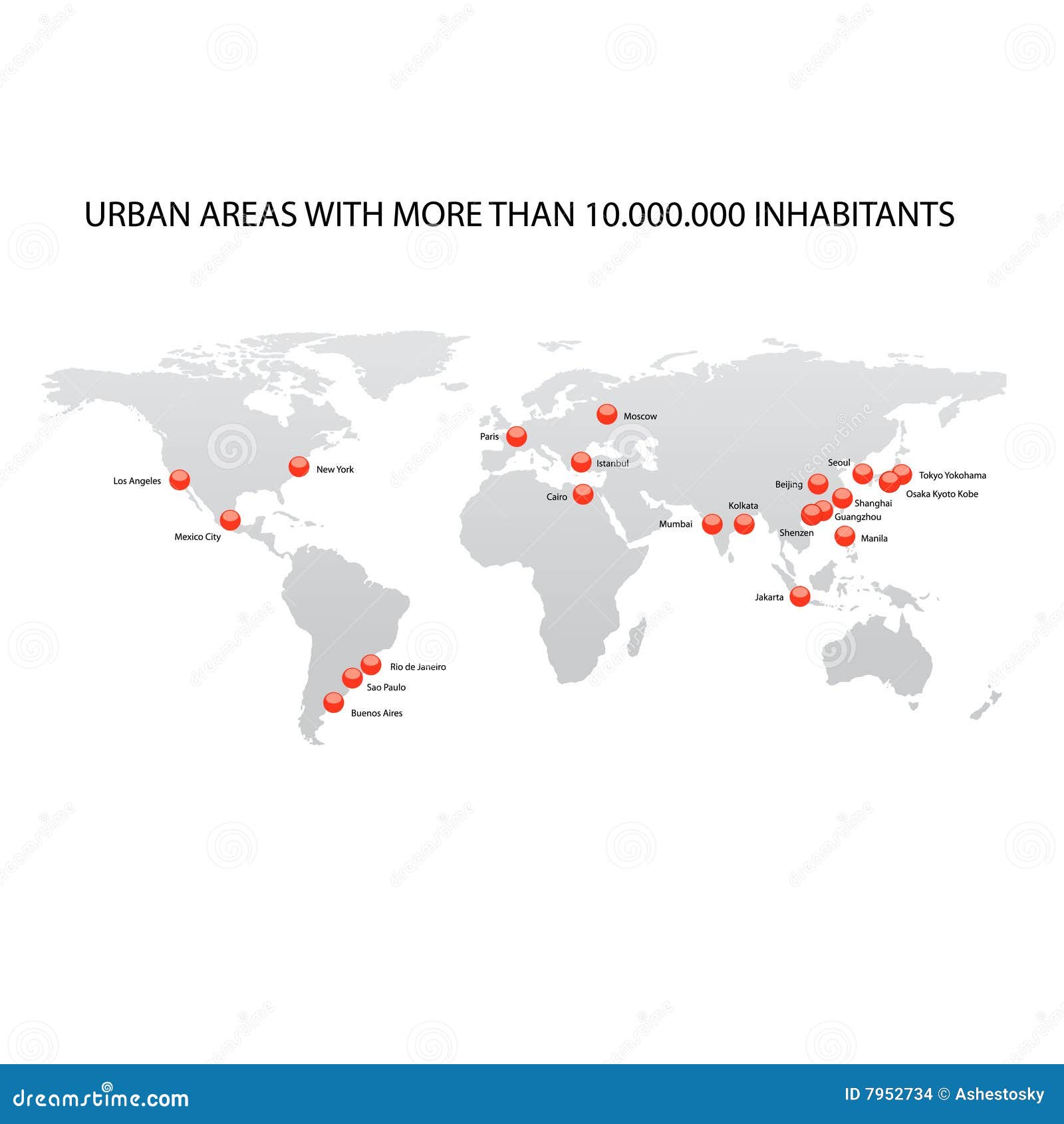
Managing a megacity—defined typically as an urban agglomeration exceeding 10 million residents—involves complex logistical and environmental hurdles. While these cities drive national GDPs and serve as innovation hubs, they share several systemic vulnerabilities.
- Infrastructure Strain: Transport networks, water purification facilities, and electrical grids must constantly expand to keep pace with population growth. Aging infrastructure in historic centers often clashes with modern digital and transit requirements.
- Environmental Sustainability: High concentrations of industrial activity and vehicular traffic contribute to significant air pollution and high carbon emissions. Coastal megacities like Shanghai, Mumbai, and Dhaka face severe threats from rising sea levels and extreme weather events.
- Housing Affordability: Rapid influxes of residents frequently outpace formal housing construction, leading to the proliferation of informal settlements, high rental costs, and spatial segregation.
- Public Health and Waste Management: Processing millions of tons of municipal solid waste daily requires sophisticated recycling and disposal facilities to prevent public health crises and environmental degradation.
Frequently Asked Questions
Which city is officially the largest in the world?
Tokyo is widely recognized as the largest city in the world when measured by urban agglomeration, with a population exceeding 37 million people. This measurement encompasses the continuous built-up area and commuter zones surrounding the core municipality.
Why do population statistics vary between different sources?
Discrepancies arise because different organizations—such as the United Nations, national census bureaus, and demographic research groups—use varying boundary definitions. Some count only the strict administrative city proper, while others measure metropolitan areas or continuous urban agglomerations.
Are all of the world's largest cities located in Asia?
No, while Asian urban centers occupy the majority of the top ten positions—including Tokyo, Delhi, Shanghai, Dhaka, Beijing, Mumbai, and Osaka—the list also features major global cities from the Americas and Africa, such as Sao Paulo, Cairo, and Mexico City.
What defines a megacity?
Demographers and international organizations typically classify any urban agglomeration with a population of 10 million or more inhabitants as a megacity. This threshold signifies a level of scale that introduces distinct governance, logistical, and environmental challenges.
How do megacities manage transportation for tens of millions of people?
Megacities rely heavily on integrated mass transit networks, including high-capacity subway systems, commuter rail lines, and bus rapid transit (BRT) corridors. Effective traffic management increasingly incorporates digital monitoring systems and congestion pricing to optimize flow.
Conclusion and Practical Next Steps
Analyzing the top ten largest cities in the world reveals the sheer scale of modern urbanization and the pivotal role these population centers play in global economics. For researchers, business analysts, and urban planners, tracking demographic trends requires looking beyond simple municipal figures to examine true metropolitan footprints. When conducting urban research or evaluating international markets, always verify the specific demographic boundaries—whether city proper or urban agglomeration—utilized in the source data to ensure accurate comparative analysis.
Image Gallery