Comprehensive Guide to Heating Brighton: Solutions for Coastal Homes and Businesses
Finding reliable heating services in Brighton requires navigating a mix of historic Victorian architecture and modern eco-conscious standards. Effective heating solutions in 2026 prioritize Gas Safe registered repairs for traditional b...
Finding reliable heating services in Brighton requires navigating a mix of historic Victorian architecture and modern eco-conscious standards. Effective heating solutions in 2026 prioritize Gas Safe registered repairs for traditional boilers, MCS-certified heat pump installations for sustainable transitions, and specialized maintenance to combat coastal corrosion, ensuring long-term thermal efficiency and regulatory compliance across East Sussex.
Contents
Navigating the Brighton Heating Landscape in 2026
Brighton and Hove present a unique set of challenges for heating engineers and property owners alike. The city’s architectural diversity—ranging from drafty Regency-era townhouses and Victorian terraces to high-rise coastal apartments—means there is no "one size fits all" solution. In 2026, the focus has shifted significantly toward balancing the immediate need for reliable warmth with the long-term UK government targets for decarbonization.
When seeking heating Brighton services, the primary concern for most residents is the reliability of the local infrastructure. Because much of the city’s housing stock is aging, heating systems often face issues related to outdated pipework and poor insulation. Furthermore, the proximity to the English Channel introduces high salt content in the air, which can accelerate the corrosion of external heating components, such as flue terminals and the outdoor units of air-source heat pumps.
Legal and Safety Requirements for Heating Installations
Before engaging any contractor in Brighton, it is critical to verify their legal standing. Under UK law, any professional working on gas appliances must be on the Gas Safe Register. This is not merely a recommendation but a legal requirement designed to protect occupants from carbon monoxide poisoning and explosive risks.
- Gas Safe Verification: Always check the engineer’s ID card. In 2026, many Brighton firms also hold specialized "hydrogen-ready" certifications, reflecting the gradual transition in the national grid.
- MCS Certification: For those moving toward renewable energy, the Microgeneration Certification Scheme (MCS) is essential. This certification is a prerequisite for accessing government grants like the Boiler Upgrade Scheme (BUS).
- Building Regulations (Part L): Any significant change to a heating system must comply with updated Part L regulations, which dictate minimum efficiency standards and the requirement for self-regulating room controls (like TRVs or smart thermostats).
Core Heating Systems Common in Brighton
The choice of heating system in Brighton is often dictated by the property type and the available space. While gas remains prevalent, the adoption of electric and renewable alternatives has accelerated.
High-Efficiency Gas Boilers
Most Brighton homes still rely on natural gas. Modern "A-rated" condensing boilers are significantly more efficient than those installed even a decade ago.
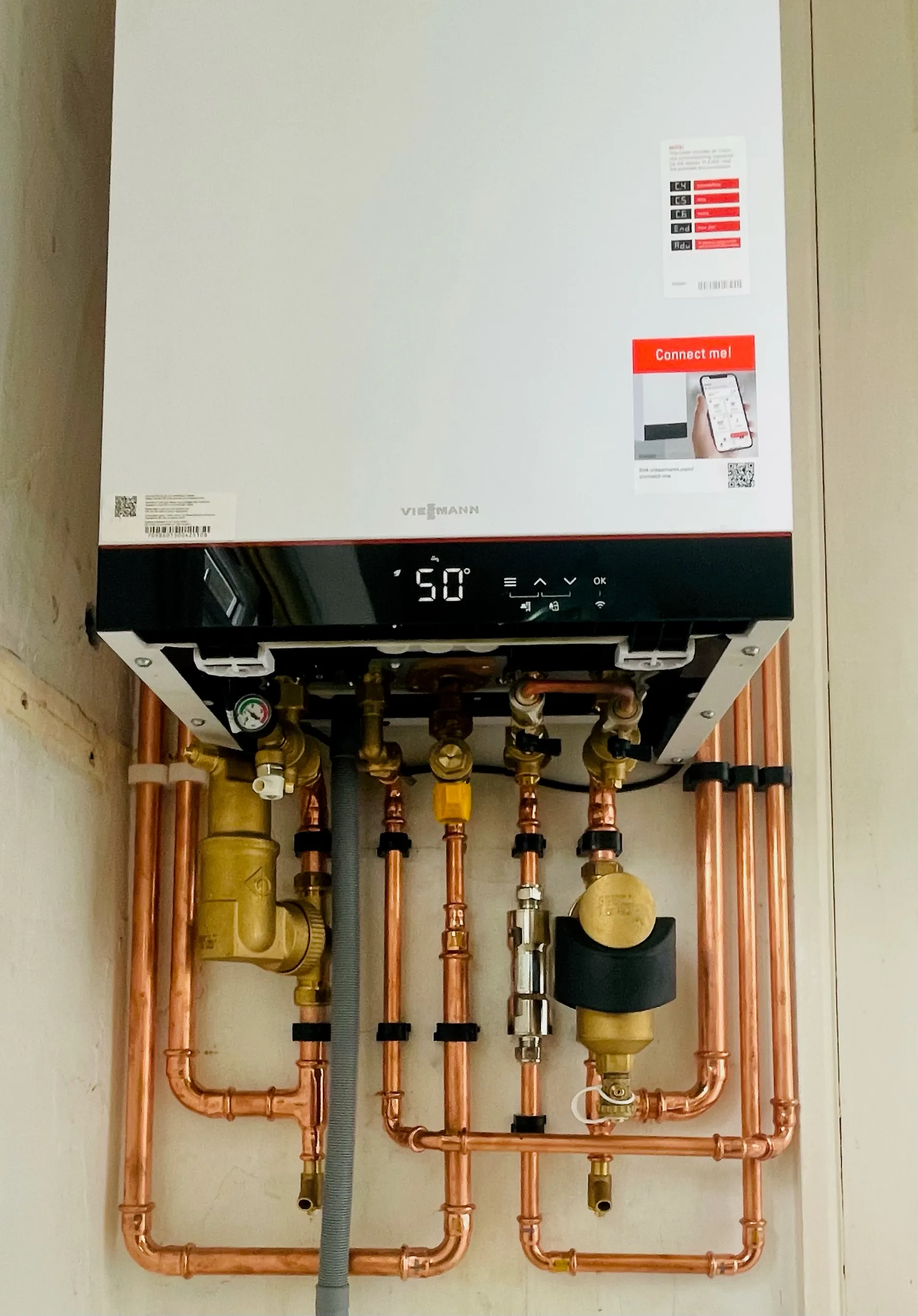
- Combination (Combi) Boilers: These are the most popular choice for Brighton’s many apartments and smaller terraced houses in areas like Hanover or Kemptown. They provide heat and hot water on demand without the need for a storage tank.
- System Boilers: Preferred for larger detached homes in Hove or Preston Park, these require a cylinder for storing hot water but keep the heating components internal to the boiler, making them easier to service.
Air Source Heat Pumps (ASHP)
As we progress through 2026, heat pumps have become a mainstream alternative. However, Brighton’s coastal geography requires specific considerations. Installers must account for "salt-mist" protection for the evaporator coils. In dense areas like the North Laine, planning permission can be an obstacle due to the noise profiles and external space requirements of ASHP units, though newer models have significantly mitigated these issues.
Hybrid Heating Systems
For older Brighton properties that may not be sufficiently insulated for a standalone heat pump, hybrid systems are an increasingly common middle ground. These systems combine a traditional gas boiler with an electric heat pump, using smart logic to switch between the two based on external temperatures and current energy prices.
Essential Maintenance and Performance Optimization
The longevity of a heating system in a coastal environment depends heavily on proactive maintenance. Neglecting a system in Brighton often leads to premature component failure due to the high humidity and salt air.
The Importance of Annual Servicing
An annual service is more than a safety check; it is a performance audit. Engineers in Brighton typically focus on:
- Flue Integrity: Checking for coastal corrosion that could lead to leaks.
- Condensate Trap Cleaning: Essential for preventing boiler lockouts during the rare but sharp East Sussex frosts.
- Efficiency Calibration: Ensuring the gas-to-air ratio is optimized to minimize fuel consumption.
Power Flushing and Magnetic Filtration
Brighton’s water can vary in hardness, leading to limescale and magnetite (black sludge) buildup within radiators. A power flush uses high-velocity water and chemicals to strip this debris away. To prevent future buildup, modern installations in 2026 almost universally include a high-capacity magnetic filter on the return pipework.
Smart Controls and Zoning
With energy prices remaining a significant household expenditure in 2026, smart thermostats (such as Nest, Tado, or Hive) are no longer luxury items. In multi-story Victorian homes, "zoning"—where different floors or rooms are heated on independent schedules—can reduce energy waste by up to 20%.
Comparison of Heating Technologies in Brighton (2026 Data)
| System Type | Average Installation Cost | Expected Lifespan | Efficiency Rating | Best Suited For |
|---|---|---|---|---|
| Gas Combi Boiler | £2,500 – £4,000 | 12–15 Years | 92% - 94% | Flats and small terraced houses |
| Air Source Heat Pump | £8,000 – £14,000* | 20–25 Years | 300% - 400% | Well-insulated modern homes |
| Hybrid System | £5,500 – £9,000 | 15–20 Years | Variable | Large Victorian/Edwardian homes |
| Electric Radiators | £1,500 – £3,500 | 15–20 Years | 100% (at point of use) | Small studios or secondary heating |
*Costs for Heat Pumps are before the application of any Boiler Upgrade Scheme (BUS) grants, which in 2026 continue to offset a portion of the capital expenditure for eligible properties.
Addressing Emergency Repairs and Common Faults
In the peak of winter, the demand for heating Brighton emergency services spikes. Understanding common failure points can help residents describe issues more accurately to engineers, potentially speeding up the repair process.
- Loss of Pressure: Usually indicated by a "F1" or "E1" code on modern boilers. In Brighton’s older properties, this is frequently caused by a pinhole leak in an aging radiator or a failing expansion vessel.
- Ignition Failure: Often the result of a worn electrode or a blocked pilot light assembly.
- Noisy Pipes (Kettling): This is particularly common in Brighton due to the aforementioned limescale buildup. It indicates that the heat exchanger is overheating because water flow is restricted.
- Frozen Condensate Pipe: Despite Brighton’s milder coastal climate, sudden cold snaps can freeze the external plastic pipe that carries wastewater away from the boiler, causing the system to shut down for safety.
Choosing the Right Brighton Heating Engineer
The abundance of contractors in East Sussex can make selection difficult. To ensure high-quality workmanship, follow this selection framework:
- Check Local Reputation: Look for firms with long-standing ties to the Brighton & Hove area. They will be more familiar with the specific quirks of local housing stock.
- Insurance Coverage: Ensure the contractor carries at least £2 million in public liability insurance.
- Written Estimates: Avoid verbal quotes. A professional Brighton heating company will provide a detailed breakdown of parts, labor, and VAT.
- Manufacturer Accreditations: Many top-tier engineers are "Accredited Installers" for brands like Worcester Bosch, Vaillant, or Viessmann, which often allows them to offer extended warranties (sometimes up to 10 or 12 years).
Sustainable Heating and Grants in 2026
The UK Government’s Boiler Upgrade Scheme remains a primary driver for those looking to switch from fossil fuels. In Brighton, many residents in conservation areas must also consult the Brighton & Hove City Council planning department before installing external heat pump units to ensure they meet aesthetic and noise guidelines.
Frequently Asked Questions
How often should I service my boiler in Brighton?
You should service your boiler once every 12 months. In coastal areas like Brighton, this is particularly important to check for signs of salt-air corrosion on external components and to ensure the system is operating at peak efficiency before the winter months begin. Regular servicing is also usually a condition of the manufacturer's warranty.
Are heat pumps effective in old Brighton Victorian houses?
Yes, but only if the property has been properly insulated first. Victorian houses are notoriously "leaky" regarding heat. Before installing a heat pump, it is often necessary to upgrade loft insulation, install floor insulation, and ensure windows are double-glazed. Without these steps, a heat pump may struggle to reach the desired temperature, leading to high electricity bills.
What is the average cost of a boiler repair in Brighton?
In 2026, the average cost for a standard boiler repair in Brighton ranges from £80 to £150 for the initial call-out and first hour of labor, plus the cost of any replacement parts. Emergency out-of-hours repairs or complex issues involving the heat exchanger or PCB (Printed Circuit Board) can significantly increase these costs.
Can I still install a gas boiler in 2026?
Yes, gas boilers can still be installed in existing homes in 2026. While the government has phased out gas boilers in most new-build properties, they remain a legal and viable option for replacement in older homes. Most new boilers sold today are designed to be "hydrogen-blend ready" to future-proof the installation.
Why is my heating taking a long time to warm up?
In Brighton, this is frequently caused by "sludge" or magnetite buildup in the radiators. Because the water in the South East can be hard, minerals and corrosion by-products settle at the bottom of radiators, preventing hot water from circulating effectively. A professional power flush or the installation of a magnetic filter is usually the recommended solution.
Practical Recommendation for Brighton Residents
If your heating system is more than 12 years old, the most cost-effective action is to schedule a comprehensive thermal efficiency audit. This goes beyond a standard service to evaluate whether your current setup is wasting energy. For those in older Brighton terraces, prioritize draught-proofing and insulation before considering a major system overhaul. If your boiler requires frequent repairs, 2026 is an opportune time to explore the Boiler Upgrade Scheme grants to transition to a low-carbon system, as these incentives are designed to decrease as the technology becomes more ubiquitous.
Image Gallery