Crafting Effective Corporate Holiday Party Invitations for Professional Success
Corporate holiday party invitations set the tone for your company's annual celebration, influencing attendance rates, establishing the dress code, and communicating the professional standards of the organization. Balancing festive chee...
Corporate holiday party invitations set the tone for your company's annual celebration, influencing attendance rates, establishing the dress code, and communicating the professional standards of the organization. Balancing festive cheer with professional etiquette requires careful planning, timely delivery, and clear communication regarding venue details, plus-one policies, and RSVP deadlines.
Contents
The Importance of Strategic Planning for Corporate Holiday Invitations
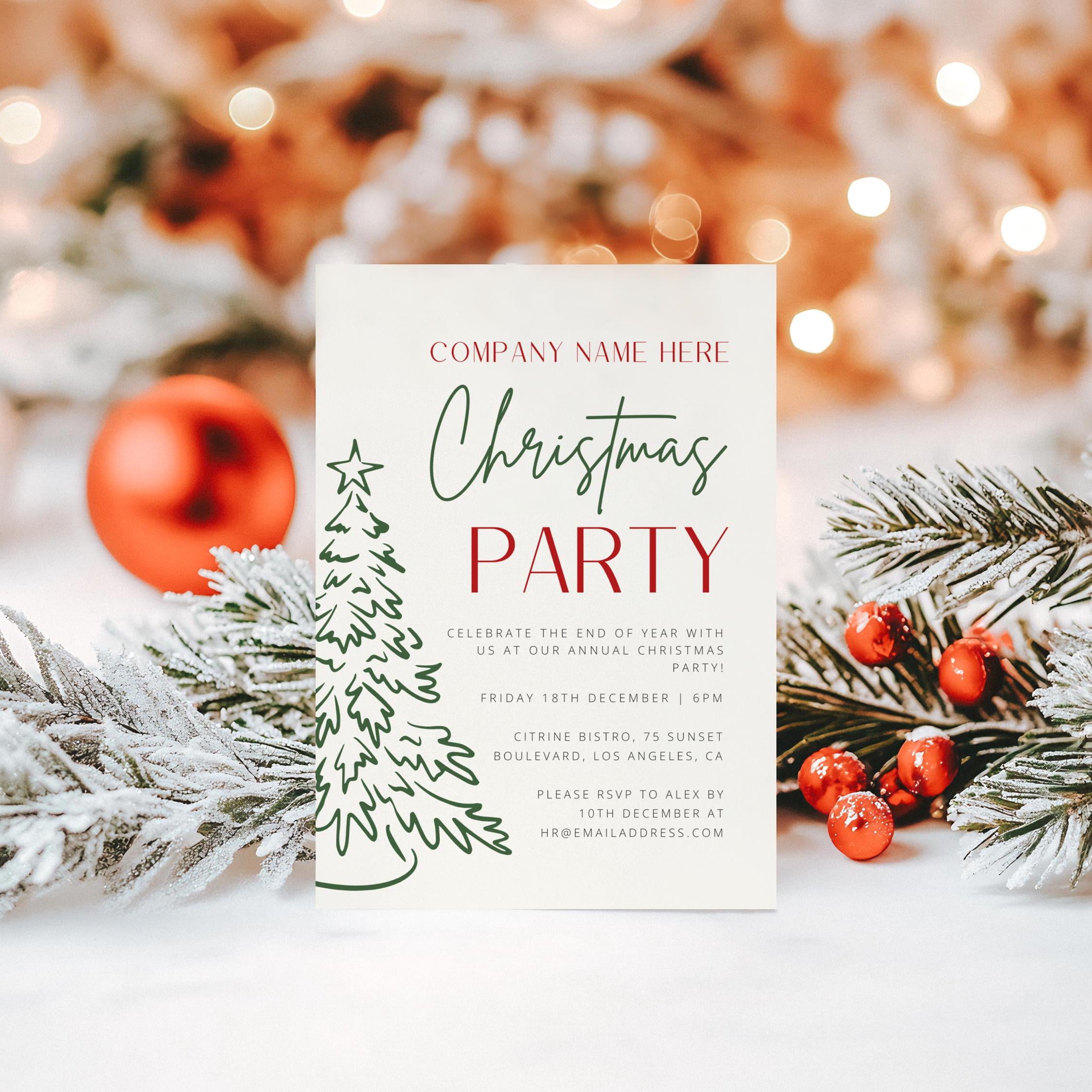
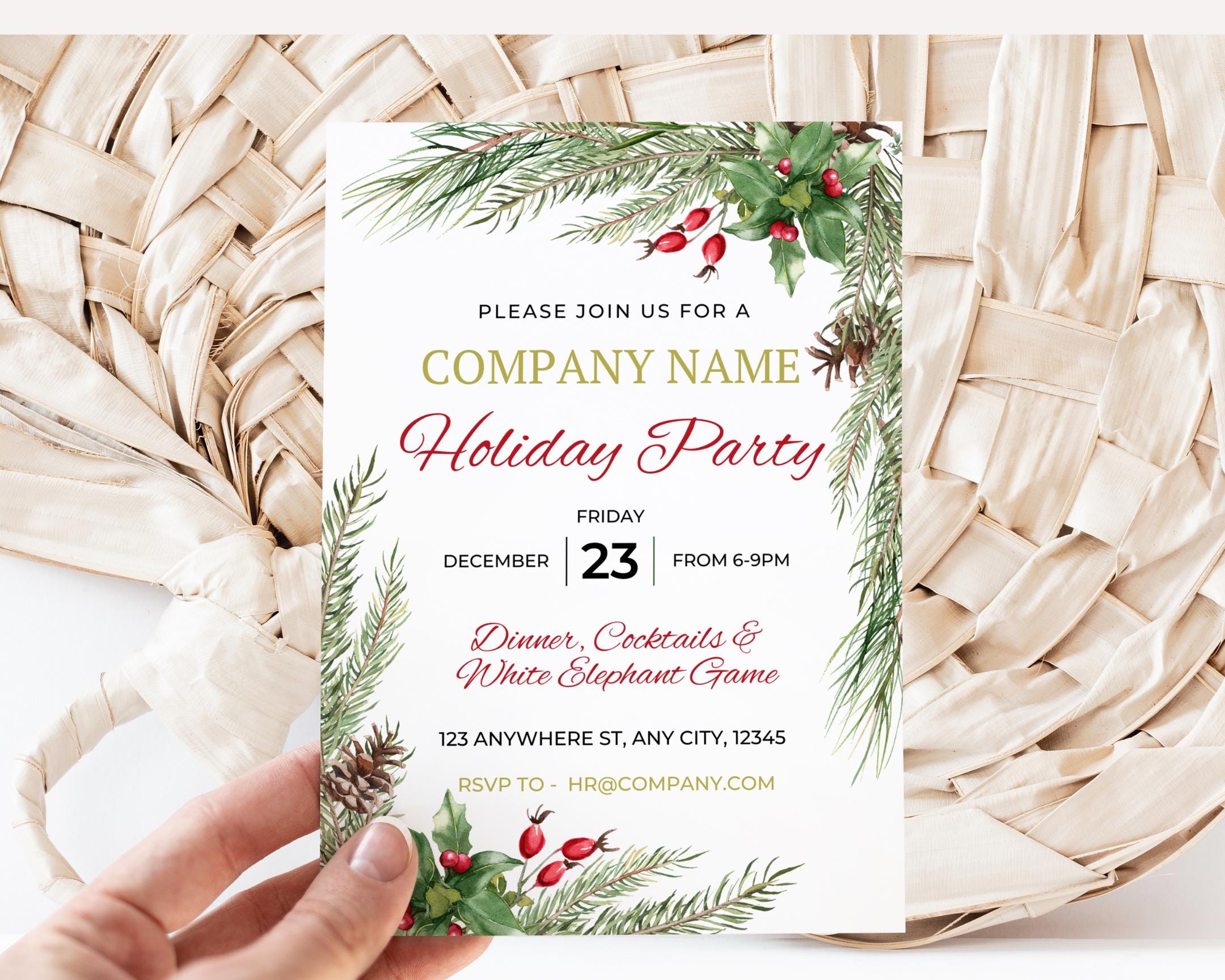
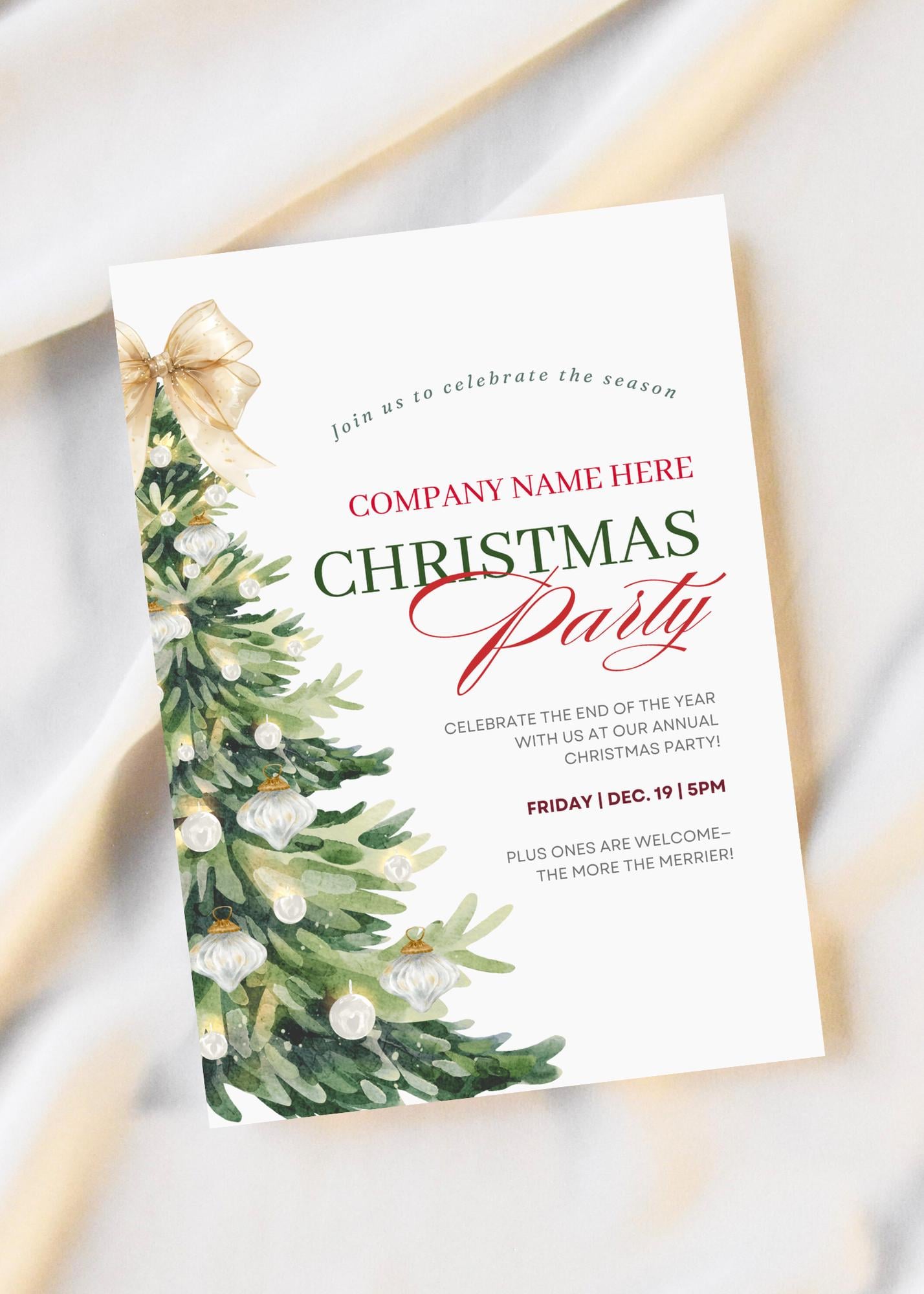
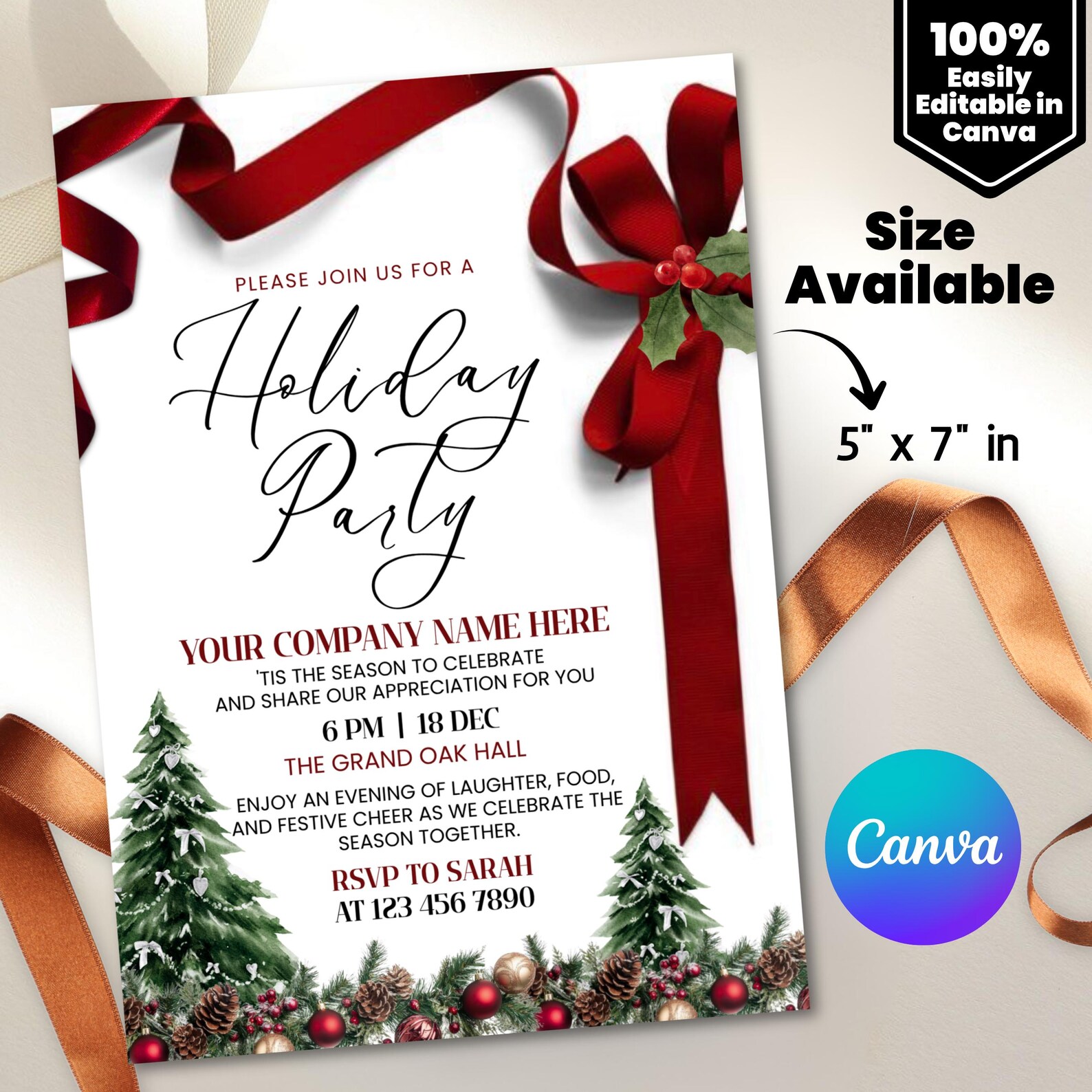
Designing and distributing corporate holiday party invitations is a critical operational task that requires aligning internal communications with organizational culture. A well-crafted invitation does more than simply state a date and time; it reinforces company values, drives engagement, and ensures smooth logistical planning for the venue and catering teams.
When planning your corporate event, the invitation acts as the primary touchpoint between management and staff, or between the enterprise and its external stakeholders. In a professional setting, ambiguity leads to confusion regarding attendance expectations, dietary requirements, and professional conduct. Therefore, establishing a clear timeline for invitation deployment is just as important as the design itself.
Determining the Format: Digital Versus Print Invitations
Choosing between digital and print invitations depends on your company culture, budget, and the formality of the event. Modern corporate environments frequently leverage digital platforms, while formal galas often warrant traditional printed stationery.
Digital Invitations
Digital invitations sent via email or specialized event management platforms offer significant advantages in tracking and speed. They allow for instant RSVPs, automated reminders, and easy updates if venue details change.
- Cost-Effectiveness: Reduces printing and postage expenses, making it ideal for large organizations.
- Interactivity: Can include direct hyperlinks to venue maps, parking instructions, and digital sign-up sheets for activities.
- Tracking Analytics: Provides real-time data on open rates and confirmed headcounts, streamlining caterer coordination.
Print Invitations
Printed invitations convey a sense of prestige and exclusivity. They are well-suited for executive dinners, high-end client appreciation events, or traditional corporate cultures that value tangible keepsakes.
- Tactile Appeal: High-quality cardstock, foil stamping, or embossing elevates the perceived value of the event.
- Reduced Digital Noise: Unlike emails that can be easily overlooked in a crowded inbox, a physical card on a desk or mailed to a home address commands attention.
- Limited Flexibility: Any changes to the date, time, or location require costly reprints or supplementary inserts.
| Feature | Digital Invitations | Print Invitations |
|---|---|---|
| Best Suited For | Casual office parties, large company-wide events, remote teams | Executive dinners, formal galas, VIP client celebrations |
| Turnaround Time | Immediate deployment and adjustment | 2 to 4 weeks for design, printing, and delivery |
| RSVP Tracking | Automated via event software or digital forms | Manual tracking via return cards or email replies |
| Environmental Impact | Minimal digital footprint | Requires paper sourcing and physical shipping |
Essential Elements Every Corporate Invitation Must Contain
Regardless of the chosen format, corporate holiday party invitations must include specific data points to eliminate guesswork and ensure high attendance. Omitting any of these core components can result in logistical hurdles on the day of the event.
1. Clear Event Title and Purpose
The invitation should immediately identify the nature of the gathering. Phrases like "Annual Company Holiday Celebration" or "Client Appreciation Winter Gala" set the correct expectations.
2. Date, Time, and Venue Details
Specify the exact date, arrival time, and scheduled conclusion of the event. Provide the full street address of the venue, along with specific room names if the party is held within a large hotel or convention center. For virtual or hybrid events, include secure access links and dial-in instructions well in advance.
3. Dress Code Specifications
Ambiguity regarding attire creates anxiety for attendees. Use universally understood terms such as:
- Business Casual: Slacks, button-down shirts, sweaters, or casual dresses.
- Cocktail Attire: Suits and ties for men, cocktail dresses or dressy separates for women.
- Black-Tie Optional / Formal: Tuxedos or dark suits, and floor-length gowns or formal evening wear.
4. Plus-One and Family Policies
Explicitly state whether spouses, partners, or children are invited. Vague wording such as "Bring a guest" can lead to budget overruns for catering and venue capacity. Clarify terms by stating "Adults only, spouses and partners welcome" or "Employee plus one."
5. RSVP Deadlines and Dietary Requirements
Set the RSVP deadline at least 10 to 14 days prior to the event to give venues and caterers an accurate headcount. Additionally, include a prompt for dietary restrictions, allergies, and accessibility needs to accommodate all participants comfortably.
Timeline and Best Practices for Deployment
Timing is crucial for maximizing attendance during the busy holiday season. Because employees and clients often balance multiple social and professional commitments in November and December, early outreach is essential.
Phase 1: Save-the-Dates (October to Early November)
For large-scale galas or events requiring significant travel, send save-the-date notices four to six weeks before the official invitation. This reserves space on attendee calendars before competing events fill their schedules.
Phase 2: Official Invitation Deployment (Mid-November)
Send formal invitations three to four weeks prior to the event date. This window provides enough time for planning without causing guests to forget the details.
Phase 3: Automated Reminders (One Week Prior)
For digital platforms, schedule a polite reminder email seven days before the RSVP deadline, and another reminder 48 hours before the event for confirmed attendees, reiterating parking instructions and arrival times.
Common Mistakes to Avoid
Navigating the nuances of corporate event planning involves steering clear of frequent missteps that undermine professionalism or alienate staff.
- Failing to Account for Inclusion: Avoid overly religious holiday imagery if your workforce is diverse; opt for winter-themed or neutral professional designs that celebrate the season inclusively.
- Neglecting Accessibility: Ensure the selected venue offers wheelchair accessibility, adequate lighting, and accommodations for individuals with sensory or mobility needs.
- Vague Logistics: Forgetting to mention parking arrangements, valet availability, or public transit options often leads to late arrivals and frustrated guests.
Frequently Asked Questions
When should corporate holiday party invitations be sent?
Official invitations should be sent three to four weeks before the event. If the gathering is a major gala or requires travel, distribute save-the-date notices up to six weeks in advance to secure higher participation rates.
How should plus-one policies be communicated on the invitation?
State the policy directly next to the RSVP section. Use clear designations such as "We are pleased to invite you and a guest" or "This invitation is extended to the employee only" to prevent miscommunication and manage catering budgets accurately.
What is the best way to handle dietary restrictions on invitations?
Include a dedicated text field or checklist on the digital RSVP form asking guests to specify allergies, vegan, vegetarian, gluten-free, or religious dietary requirements. Forward this consolidated data to your caterer at least one week prior to the event.
Can digital invitations be used for formal executive events?
Yes, provided the design reflects the elevated nature of the occasion. High-end digital platforms offer sophisticated typography, custom animations, and seamless RSVP tracking that rival traditional print materials.
How do we handle RSVPs from employees who fail to respond by the deadline?
Designate a specific human resources or event committee member to follow up individually via a brief, polite email or direct message three days after the deadline, emphasizing the need for a final headcount for the venue.
Next Actions and Implementation
Begin your corporate holiday party planning by establishing a definitive budget and securing the venue date. Once the location is locked in, draft your invitation text, verify all logistical details including dress codes and plus-one allowances, and choose a deployment method that matches your organizational culture to ensure a successful celebration.
Image Gallery