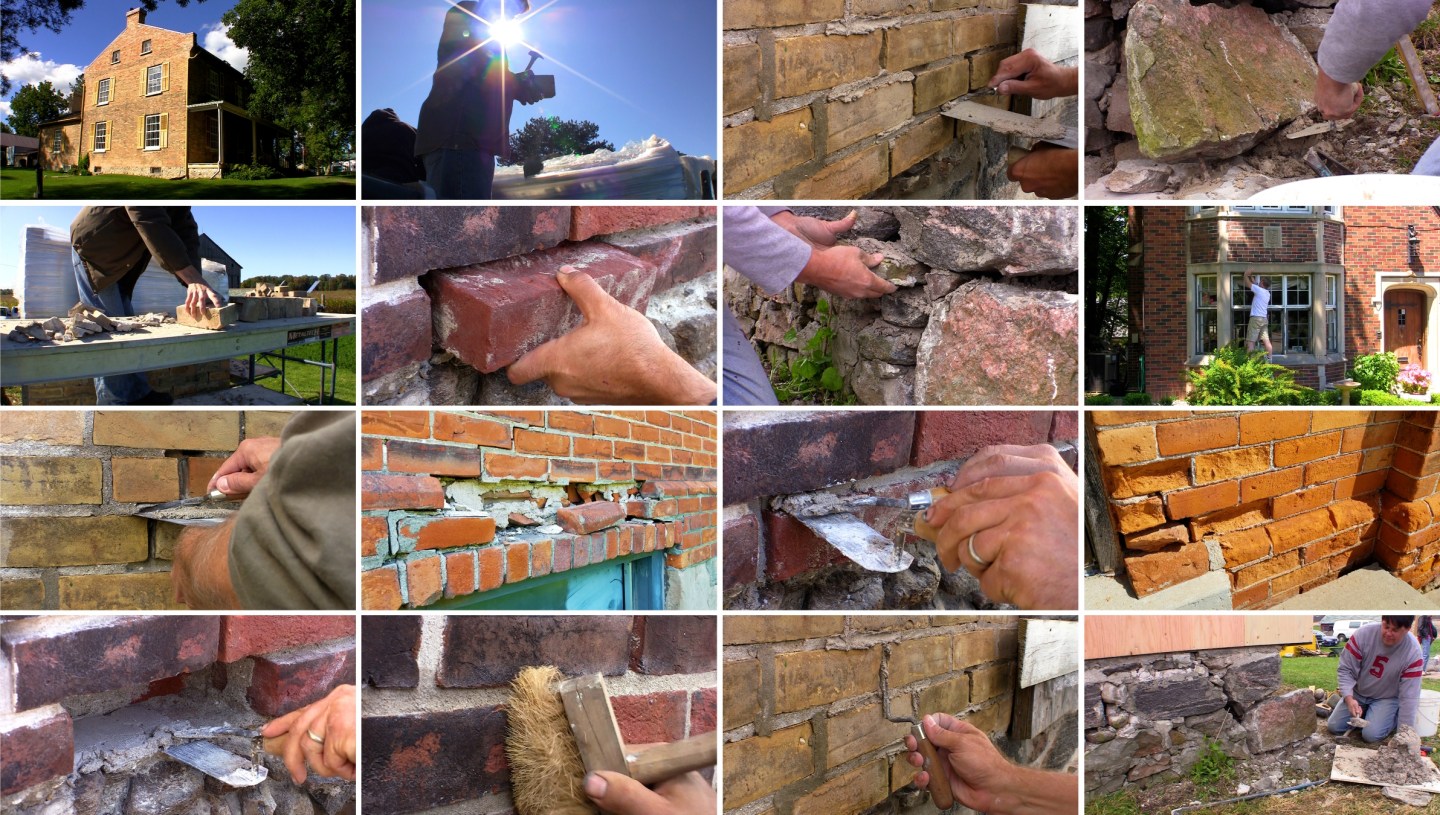
How to Choose Stone and Brick Foundation Repair Near Troy, NY
Choosing the right contractor for stone and brick foundation repair near Troy, New York, requires evaluating specialized experience in historic masonry, local soil dynamics, and structural engineering. Homeowners should select insured...
Choosing the right contractor for stone and brick foundation repair near Troy, New York, requires evaluating specialized experience in historic masonry, local soil dynamics, and structural engineering. Homeowners should select insured contractors who understand traditional lime mortars, local building codes, and foundation stabilization techniques tailored to Upstate New York's freeze-thaw cycles.
Contents
Understanding Troy’s Historic Masonry and Soil Challenges
Properties in Troy, New York—ranging from 19th-century Victorian rowhouses in Washington Park to historic industrial structures and early 20th-century homes in Lansingburgh—frequently rest on stone or brick foundations. Fieldstone, cut limestone, and soft clay brick foundations present distinct structural characteristics compared to modern poured concrete.
The primary challenge facing masonry foundations in the Capital Region stems from the local geology and climate. Troy is situated along the Hudson River valley, where soils often contain high concentrations of dense glacial clay and silt. Clay soils possess high swell-shrink potential, expanding significantly when saturated during spring thaws and shrinking during dry summer stretches. This movement exerts severe hydrostatic pressure against sub-grade foundation walls.
Furthermore, Upstate New York experiences harsh winter freeze-thaw cycles. When moisture penetrates porous stone or low-fired historic brick, freezing water expands by approximately 9%, placing immense internal stress on the masonry units and binder mortar. Over decades, this cycle leads to structural shifting, wall bowing, mortar deterioration, and water infiltration. Choosing a repair specialist requires finding someone who thoroughly understands how these local environmental factors interact with historic building materials.
Common Failure Modes in Troy Stone and Brick Foundations
Before contacting contractors, identifying the specific failure mechanism in your foundation helps frame the scope of work and evaluate incoming bids.
- Mortar Deterioration: Sanding, crumbling mortar joints
- Brick Spalling: Face of brick flaking/popping off
- Hydrostatic Bowing: Horizontal cracking & inward bulging
- Settlement Cracking: Vertical step-cracks along joints
- Efflorescence: White powder from moisture migration
Mortar Deterioration and Dissolution
Historic foundations built before the mid-20th century relied on lime-based mortars rather than modern Portland cement. Over time, ground moisture and acid rain dissolve the binder in soft lime mortar, causing it to turn back into sand. When mortar washes out, individual stones or bricks begin to shift, transferring structural loads unevenly across the wall.
Brick Spalling and Masonry Fracturing
Spalling occurs when the outer face of a brick flakes, chips, or pops off, exposing the softer interior core to accelerated weathering. In Troy homes, spalling often results from an improper past repair where a previous worker applied high-strength Portland cement mortar over soft historic brick. Because modern Portland cement is rigid and impermeable, trapped moisture cannot escape through the mortar joint; instead, it forces its way through the brick face, causing freeze-thaw spalling.
Hydrostatic Pressure and Inward Bowing
Excessive water accumulation in the clay soil surrounding a basement creates lateral pressure. Over time, fieldstone walls can bulge inward, and multi-wythe brick walls can develop horizontal cracking or separation between the inner and outer courses.
Differential Settlement and Step Cracking
Uneven settling of the footings—caused by changing moisture levels, soil erosion, or inadequate drainage—manifests as diagonal or "stair-step" cracking along brick mortar joints. If left unaddressed, settlement compromises structural integrity across the entire superstructure.
Essential Qualifications for a Troy Foundation Repair Specialist
Selecting a qualified repair professional in the Troy area requires distinguishing between standard concrete contractors, general masons, and specialized structural foundation contractors.
- Licensing & Troy Permits Awareness
- General Liability & Workers' Comp Insurance
- Historic Mortar Knowledge (NHL / Lime Ratios)
- Structural Engineering Collaboration Capability
- Local Troy & Rensselaer County References
1. Expertise in Historic Lime Mortars (ASTM C270 Standards)
For stone and soft brick foundations, using the correct mortar mix is critical. A qualified specialist must understand the difference between soft lime mortars (such as Type O, Type K, or Natural Hydraulic Lime/NHL) and high-strength mortars (Type S or Type M). If a contractor suggests repointing an 1880s brick foundation using standard quick-setting Portland cement, they lack the historical preservation knowledge needed to protect your masonry from long-term spalling.
2. Insurance and Licensing Requirements
Verify that any contractor operating in Rensselaer County carries complete General Liability insurance and Workers’ Compensation coverage. Foundation work involves heavy excavation, shoring, and potential structural risk; hiring an uninsured contractor exposes the property owner to immense financial liability if a wall collapses or an employee is injured on site.
3. Familiarity with Local Code Enforcement
The City of Troy Bureau of Code Enforcement requires permits for major structural modifications, foundation underpinning, and substantial alterations. A reputable local contractor will be familiar with Troy's permitting procedures and local zoning requirements, particularly if the property falls within designated historic districts governed by the Troy Historic Review Commission.
4. Experience with Structural Engineers
Top-tier repair contractors routinely collaborate with licensed New York State Professional Engineers (PE). For significant settling or bowing, a reputable contractor will recommend or require an independent engineering assessment before executing structural stabilization like push piers or wall anchors.
Evaluating Repair Techniques: What Your Contractor Should Recommend
Different foundation defects require specific engineering solutions. A competent contractor should present a targeted strategy rather than a one-size-fits-all approach.
Tuckpointing and Lime Repointing
For crumbling joints without structural displacement, the proper technique involves raking back damaged mortar to a depth equal to twice the joint width (or down to sound mortar) using hand tools or specialized low-speed grinders. The joints are then repointed in lifts using breathable, historic-matched lime mortar.
Structural Stabilization: Helical Piers and Underpinning
When a stone or brick foundation experiences settlement, contractors install helical piers or push piers driven deep into the ground until they reach load-bearing stratum or bedrock. Hydraulic jacks then stabilize or lift the foundation footings. Ensure the contractor has explicit experience attaching pier brackets to irregular fieldstone or multi-wythe brick footings.
Wall Anchors and Carbon Fiber Reinforcement
For inward-bowing masonry walls, contractors may utilize carbon fiber straps or wall anchor systems. Wall anchors involve driving a steel rod through the foundation wall into stable soil outside the foundation, attached to an interior plate that can be tightened over time. Carbon fiber grid straps provide high tensile strength to stop further wall movement, provided the masonry substrate is structurally sound enough to anchor the system.
Drainage Solutions vs. Waterproofing Coatings
Coatings applied to interior basement walls (such as rubberized paints) trap moisture inside historic stone and brick, accelerating freeze-thaw decay. A knowledgeable contractor will prioritize positive exterior slope grading, properly positioned gutter downspouts, exterior excavation with waterproof membranes, or interior perimeter drain tile (French drain) systems connected to a sump pump.
Step-by-Step Selection Process for Troy Homeowners
Follow this structured framework to select a foundation repair professional near Troy, NY:
- Step 1: Initial Assessment & Independent Structural Inspection
- Step 2: Sourcing Capital Region Candidates
- Step 3: Site Visits & Proposal Review
- Step 4: Verification of Credentials & Local References
- Step 5: Final Contract Execution & Permitting
Step 1: Secure an Independent Engineering Report
Before calling repair contractors, consider hiring an independent structural engineer with historic masonry experience. An independent engineer does not sell repair services and will provide an objective report detailing the structural root cause, structural safety, and required remedial actions.
Step 2: Source Specialized Candidates
Look for local contractors serving Troy, Albany, Schenectady, and Rensselaer County who explicitly cite stone foundation repointing, historic brick repair, or structural underpinning in their project portfolios.
Step 3: Conduct On-Site Inspections and Solicit Detailed Bids
Request comprehensive proposals from at least three contractors. A thorough contractor will inspect both the interior basement walls and exterior grading, measure wall deflections, evaluate mortar hardness, and inspect exterior water run-off.
Ensure each bid breaks down:
- Scope of prep work (shoring, excavation, debris removal).
- Specific materials used (exact mortar types, pier specifications).
- Water management integration.
- Project schedule and cleanup terms.
Step 4: Verify Local References and Past Projects
Ask the contractor for references involving properties of similar age and construction type in Troy, Cohoes, Watervliet, or Albany. Contact previous clients to ask about the contractor's punctuality, adherence to the budget, job site cleanliness, and long-term repair performance.
Comparing Foundation Repair Methods and Estimated Costs in Troy, NY
The table below outlines common repair methods, primary applications, approximate regional cost ranges in the Capital Region, and key structural considerations.
| Repair Method | Primary Application | Typical Troy, NY Cost Range | Key Considerations & Limitations |
|---|---|---|---|
| Historic Lime Repointing | Crumbling mortar, surface erosion on stone/brick joints | $15 – $40 per linear/square foot | Must use soft lime mortar (NHL/Type O); avoid Portland cement. |
| Interior Perimeter Drain Tile & Sump Pump | Hydrostatic water management, interior seepage | $4,000 – $12,000 (standard basement) | Relieves hydrostatic pressure; does not correct structural wall bowing. |
| Helical / Push Piers | Differential settlement, sinking foundation footings | $1,800 – $3,500 per pier installed | Requires adequate bearing soil; brackets must adapt to historic footings. |
| Wall Anchors / Tie-Backs | Inward-bowing stone or multi-wythe brick walls | $1,000 – $2,200 per anchor | Requires available exterior yard space for anchor placement. |
| Carbon Fiber Strapping | Minor wall bowing/cracking on sound masonry | $700 – $1,500 per strap | Effective only on walls with minor deflection; requires flat, sound surface. |
| Full Exterior Excavation & Waterproofing | Severe moisture ingress, damp stone/brick walls | $10,000 – $25,000+ depending on depth | Highly invasive; solves water intrusion at the exterior face. |
Note: Prices reflect typical Capital District market conditions and vary based on site accessibility, wall height, soil conditions, and structural scope.
Common Mistakes to Avoid
- Failing to Fix Exterior Water Problems First: Repointing or installing piers will not prevent future decay if roof runoff empties directly adjacent to your basement walls. Fix gutters, downspouts, and site grading first.
- Applying Spray Foam to Damp Historic Stone: Encapsulating damp stone or brick foundations with impermeable closed-cell spray foam without addressing moisture entry traps water inside the wall, accelerating mortar breakdown hidden from view.
- Accepting Vague Proposals: Avoid quotes that simply list "repair basement wall." Demands specific details, including mortar specifications, steel gauge, pier depth criteria, and clear warranty exclusions.
- Ignoring Historic District Guidelines: If your home is in a recognized Troy historic district, altered exterior masonry may require approval. Unapproved changes can lead to stop-work orders and municipal fines.
Frequently Asked Questions
Can I use standard cement from a home improvement store to fix my stone foundation?
No. Standard bagged concrete or mortar mixes usually contain high proportions of Portland cement, making them far too rigid and non-breathable for historic stone and soft brick foundations. Over time, rigid cement forces natural expansion stress into the soft brick or stone, causing the historic masonry units to spall and crack. Use proper low-strength lime mortars specifically formulated for historic preservation.
How do I know if my foundation crack is structural or cosmetic?
Hairline vertical cracks along mortar joints are often cosmetic or caused by normal minor settling. However, cracks wider than 1/4 inch, horizontal cracks running across brick courses, stair-step cracks that widen at the top, or walls bulging inward indicate structural instability requiring immediate professional evaluation.
Do foundation repair contractors in Troy handle municipal permits?
Reputable local foundation repair specialists usually pull necessary building permits from the City of Troy Bureau of Code Enforcement as part of their contract services. Always verify who is responsible for pulling permits in your contract before work commences.
How long does stone and brick foundation repair usually take?
Minor repointing and localized crack injection can take 1 to 3 days. Major projects involving structural underpinning, exterior excavation, or complete interior drain system installations typically take 5 to 10 working days, depending on weather and site accessibility.
Is an interior sump pump enough to fix a leaking stone basement in Troy?
An interior sump pump paired with a perimeter drain system controls groundwater that enters your basement, relieving hydrostatic pressure under the floor and walls. However, it does not stop water from passing through the wall itself, nor does it repair damaged, eroded mortar joints. Structural repair and mortar restoration must be performed in conjunction with water management.
Next Steps for Homeowners
- Perform a Visual Audit: Walk around your basement perimeter with a flashlight. Document areas of crumbling mortar, white efflorescence, water stains, and wall bulges. Inspect exterior downspouts and ensure soil slopes away from the foundation.
- Consult a Structural Engineer: If you observe wall bowing, horizontal cracking, or floor sagging, schedule an inspection with an independent New York State licensed professional engineer before calling repair companies.
- Request Vetted Bids: Reach out to local masonry and structural stabilization contractors serving Troy and Rensselaer County. Ask for explicit proposals detailing mortar types, stabilization techniques, timeline, permitting responsibility, and warranty terms.
- Verify Licensing and History: Confirm active liability insurance, inspect references from local historic homes, and select the professional offering the most structurally sound, material-compatible solution rather than the lowest initial bid.
Image Gallery