Why a Business Sued for Workers Compensation Can Change Your Claim
If a business is sued for workers' compensation—either by an employee bypassing the exclusive remedy rule or by a regulatory body for non-compliance—it fundamentally shifts your claim from a routine administrative process to a high-sta...
If a business is sued for workers' compensation—either by an employee bypassing the exclusive remedy rule or by a regulatory body for non-compliance—it fundamentally shifts your claim from a routine administrative process to a high-stakes legal dispute. This change often increases potential damages but complicates timelines, evidence requirements, and the recovery of benefits.
Contents
Workers' compensation was designed to be a "no-fault" system, providing a safety net for injured employees while protecting employers from costly litigation. However, when the standard administrative framework is breached and a lawsuit enters the picture, the rules of engagement change. In 2026, the intersection of statutory benefits and civil litigation remains one of the most complex areas of employment law. Understanding how these two paths interact is essential for any claimant or business owner navigating a workplace injury.
The Exclusive Remedy Rule and Its Modern Exceptions
The foundation of the workers' compensation system is the exclusive remedy rule. This legal principle dictates that in exchange for guaranteed medical benefits and wage replacement, employees waive their right to sue their employers for negligence. This "grand bargain" is intended to keep cases out of the courtroom.
However, as of 2026, several critical exceptions allow a business to be sued, effectively "changing" the nature of a standard claim:
- Intentional Torts: If an employer acted with a specific intent to harm an employee, the exclusive remedy rule often does not apply. This is a high bar to clear, requiring evidence that the business knowingly created a dangerous environment or committed a physical assault.
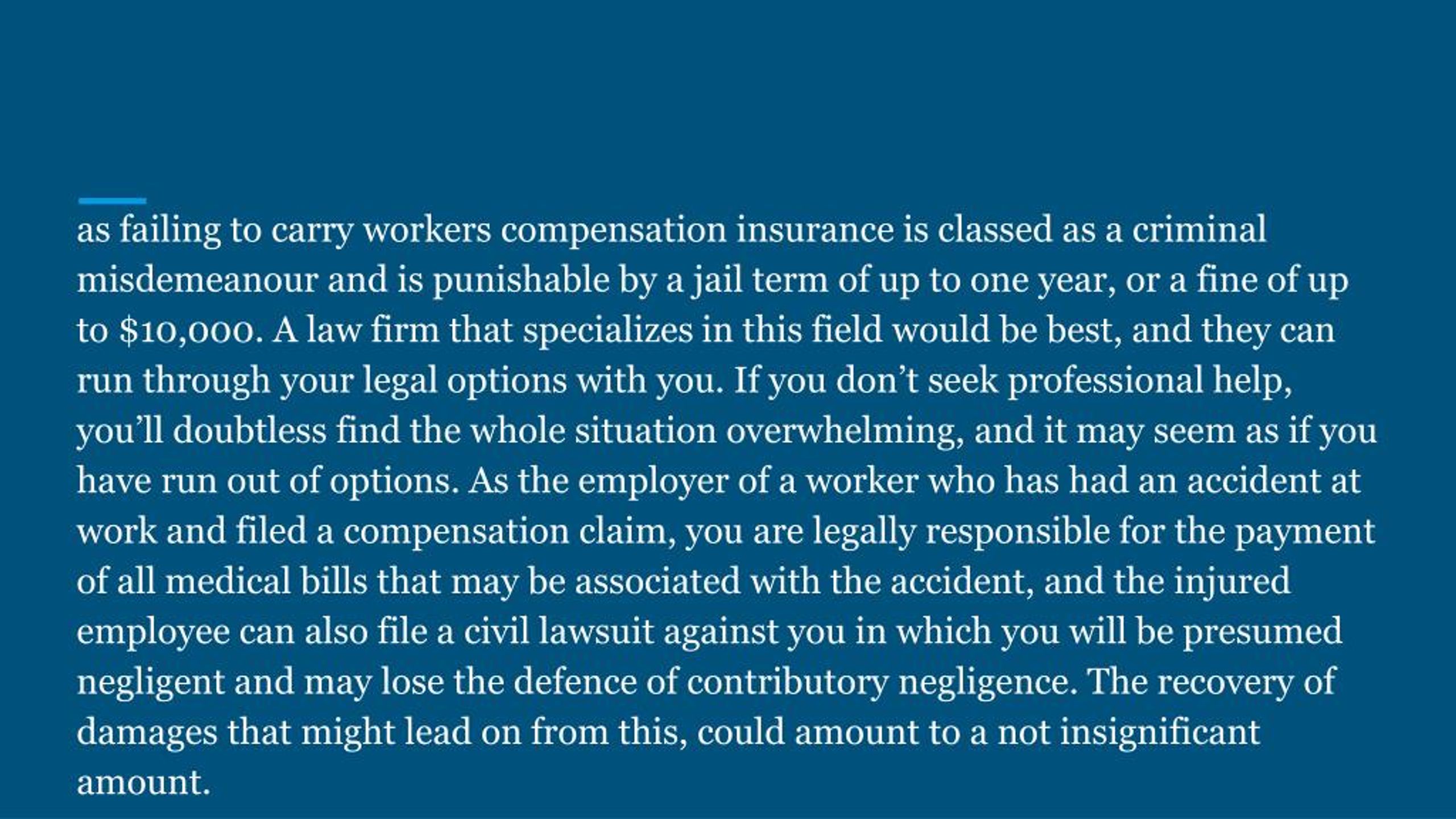
- Lack of Mandatory Insurance: If a business fails to carry the legally required workers' compensation insurance, many jurisdictions allow the injured worker to sue the employer in civil court. In these instances, the employer may lose standard common-law defenses, such as "assumption of risk" or "contributory negligence."
- Dual Capacity Doctrine: This occurs when the employer has a second relationship with the employee that is independent of the employment status. For example, if a worker is injured by a defective product manufactured by their employer (acting as a manufacturer rather than an employer), a product liability suit may follow.
- Fraudulent Concealment: If an employer knows about a work-related injury or illness and hides it from the employee, leading to an aggravation of the condition, a separate lawsuit may be permitted.
How a Lawsuit Alters the Claim Process
When a business is sued outside of the normal workers' compensation commission, the procedural landscape shifts from an administrative hearing to a civil courtroom. This has several immediate impacts on the claimant.
Expanded Discovery and Evidence
In a standard workers' comp claim, the evidence is focused on whether the injury was "arising out of and in the course of employment." When a lawsuit is filed, the discovery process becomes much more invasive. Both parties have the right to request extensive documentation, conduct multi-day sworn depositions, and hire expert witnesses to testify on negligence or intent. This often unearths details about company safety records and internal communications that would never be scrutinized in a simple benefit claim.
The Impact of Subrogation and Liens
One of the most significant ways a lawsuit changes your claim is through subrogation. If you receive workers' compensation benefits and then win a civil lawsuit against your employer (or a third party), the insurance carrier typically has a "lien" against your settlement. This means they are entitled to be reimbursed for the medical bills and lost wages they already paid out. In 2026, navigating these liens requires careful legal calculation to ensure the claimant isn't left with less money after a "win" than they would have had through the standard claim alone.
Damage Calculations: Beyond Medicals and Wages
Standard workers' compensation is limited; it covers medical expenses and a portion of lost wages, but it does not account for "pain and suffering." A lawsuit changes the claim by introducing compensatory and punitive damages. Claimants can seek recovery for emotional distress, loss of enjoyment of life, and, in cases of gross negligence, damages meant to punish the business.
Comparison: Administrative Claim vs. Civil Lawsuit
| Feature | Standard Workers' Comp Claim | Civil Lawsuit (Employer Sued) |
|---|---|---|
| Basis of Liability | No-fault; injury just needs to be work-related. | Requires proof of intent, gross negligence, or lack of insurance. |
| Pain and Suffering | Not available. | Available and often the largest part of the award. |
| Speed of Resolution | Generally faster (months). | Can take years to reach trial or settlement. |
| Standard of Proof | Preponderance of evidence (administrative). | Often higher thresholds for intentional acts. |
| Legal Fees | Often capped by state law. | Typically contingency-based (33% to 40%). |
| Exclusive Remedy | Protected by the "Grand Bargain." | Bypassed due to specific legal exceptions. |
The Role of Third-Party Liability in 2026
Often, when people talk about a "business sued for workers' compensation," they are actually referring to a third-party claim. This happens when an employee is injured on the job, but the fault lies with a separate entity—such as a contractor, a property owner, or an equipment manufacturer.
In these scenarios, the claimant maintains their standard workers' compensation claim with their own employer while simultaneously suing the third-party business. This "dual track" system is common in construction and transportation. It allows the worker to get immediate medical care through the no-fault system while pursuing the third party for the full scope of damages in civil court. This significantly increases the total potential recovery but requires coordinating two different legal timelines.
Risks and Procedural Cautions
While the prospect of a lawsuit may seem more lucrative, it introduces substantial risks that can jeopardize the original workers' compensation claim:
- The "Election of Remedies": In some jurisdictions, if you choose to sue your employer for lack of insurance, you might be barred from later seeking benefits from a state-funded uninsured employers' fund. Choosing the wrong path early can be a permanent mistake.
- Admissibility of Statements: Statements made during a civil deposition can be used against the claimant in their workers' compensation hearing. If a worker exaggerates their symptoms in a lawsuit to increase "pain and suffering" damages, it can lead to a denial of the underlying medical claim based on fraud or inconsistency.
- Employer Retaliation: Although illegal in most states, the tension of a civil lawsuit often strains the employment relationship far more than a standard insurance claim. While workers are protected under OSHA's anti-retaliation provisions, the reality of ongoing litigation often makes returning to the same workplace difficult.
Frequently Asked Questions
Can I sue my employer for a workers' comp claim if they don't have insurance?
Yes. In 2026, most state laws permit employees to sue their employers in civil court if the business has failed to maintain required workers' compensation coverage. In these cases, the employer is often stripped of their right to argue that the employee was partially at fault for the injury.
What happens to my weekly checks if I sue the company?
Usually, you can continue to receive workers' compensation benefits while a lawsuit is pending, provided the lawsuit is based on an exception like third-party liability. However, if the lawsuit is against your own employer for an intentional act, the insurance company may attempt to suspend benefits pending the outcome of the litigation.
Does a lawsuit mean I get more money than a standard claim?
Potentially, yes. A lawsuit allows for "non-economic damages" like pain and suffering, which are not available in standard workers' comp. However, lawsuits also involve higher legal fees and the risk of losing entirely, whereas workers' comp is guaranteed if the injury is work-related.
Why would a business be sued by the state regarding my claim?
A business might be sued by a state labor department or the Department of Labor (DOL) for "premium fraud" or "misclassification." If a business tells the state you are an independent contractor but you are actually an employee, they may be sued for back taxes and penalties. This can change your claim by officially reclassifying your status, making you eligible for benefits you were previously denied.
Can I settle my workers' comp claim and still sue the business?
This depends on the language of the settlement agreement. Most "full and final" settlements include a release that prevents you from filing any further lawsuits against the employer related to that injury. It is vital to have a lawyer review any release before signing if you intend to pursue a civil suit.
Strategic Recommendations
If your workplace injury involves a business being sued—whether it is your own employer or a third party—take the following steps immediately:
- Preserve Evidence: In a civil lawsuit, physical evidence (like a broken tool or a surveillance video) is much more important than in a no-fault claim. Ensure that any relevant items are documented or secured.
- Check Insurance Status: Verify through your state's Workers' Compensation Board whether your employer was properly insured on the date of your accident.
- Coordinate Counsel: If you have one lawyer for your workers' comp claim and another for a civil suit, they must communicate. Inconsistent statements across the two tracks are the leading cause of denied claims in 2026.
- Evaluate the Lien: Before settling any lawsuit, obtain a written "payoff" amount from the workers' compensation insurance carrier. You must know exactly how much of your settlement will go toward reimbursing them for medical bills already paid.
Image Gallery