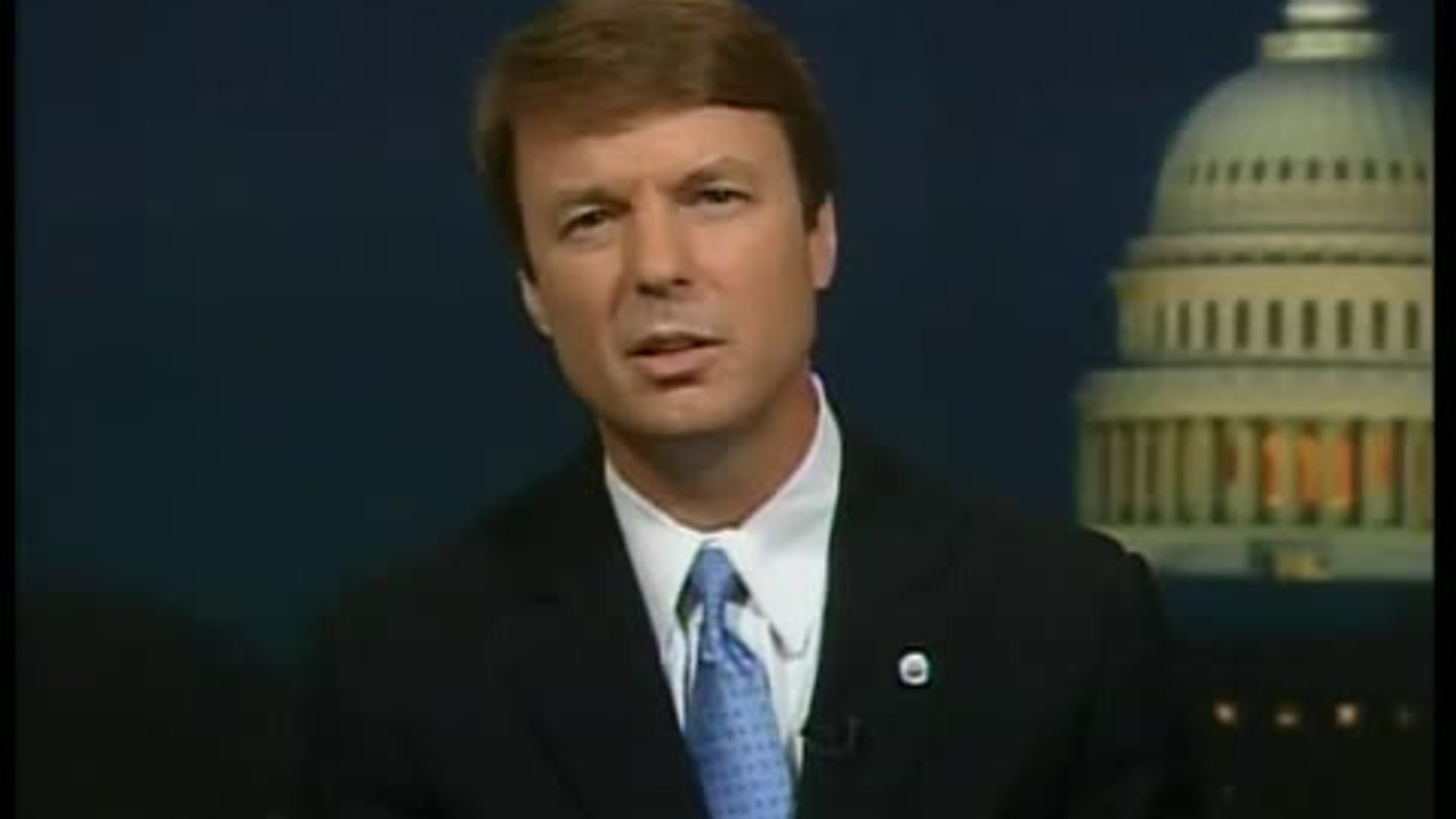
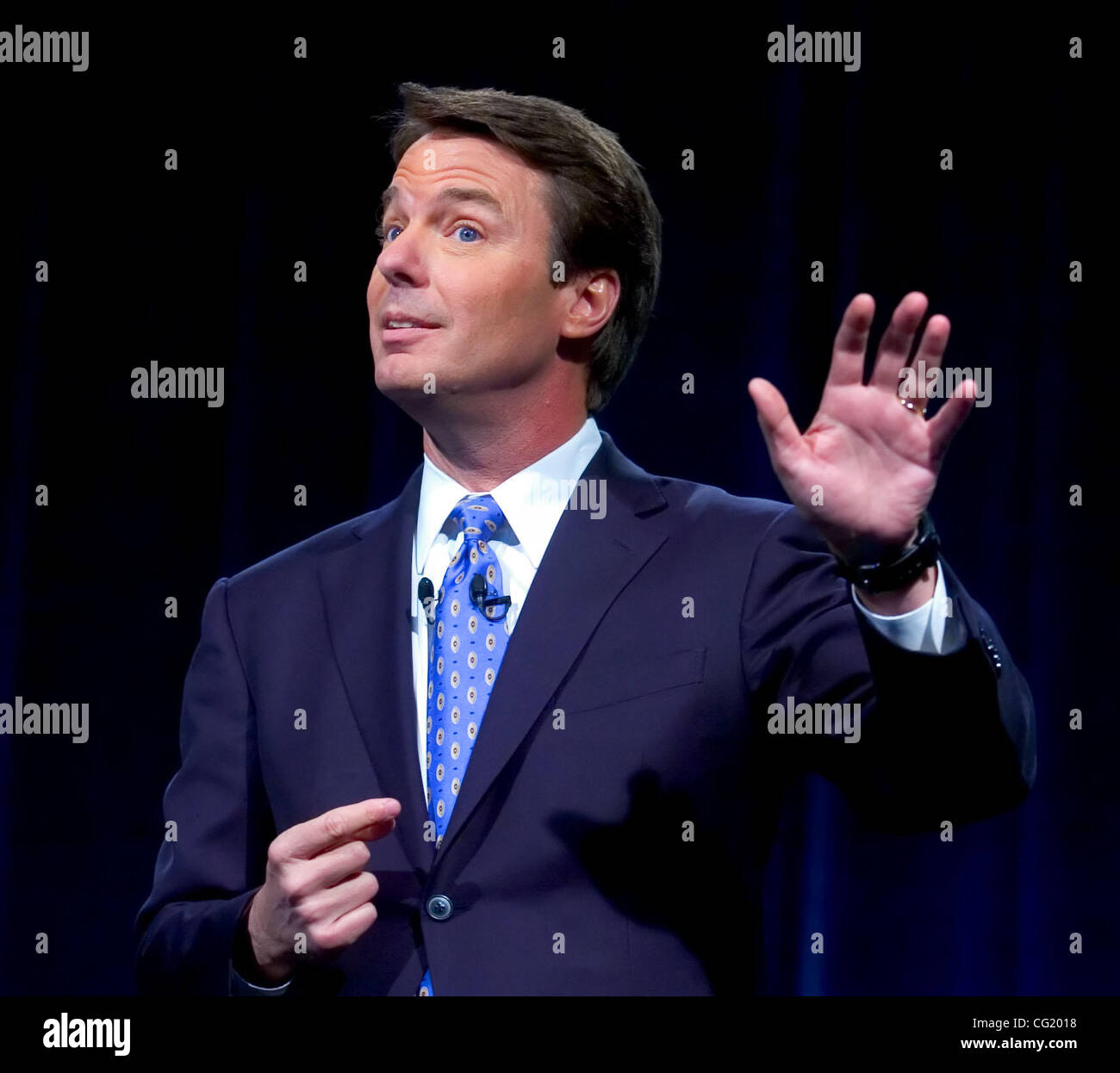
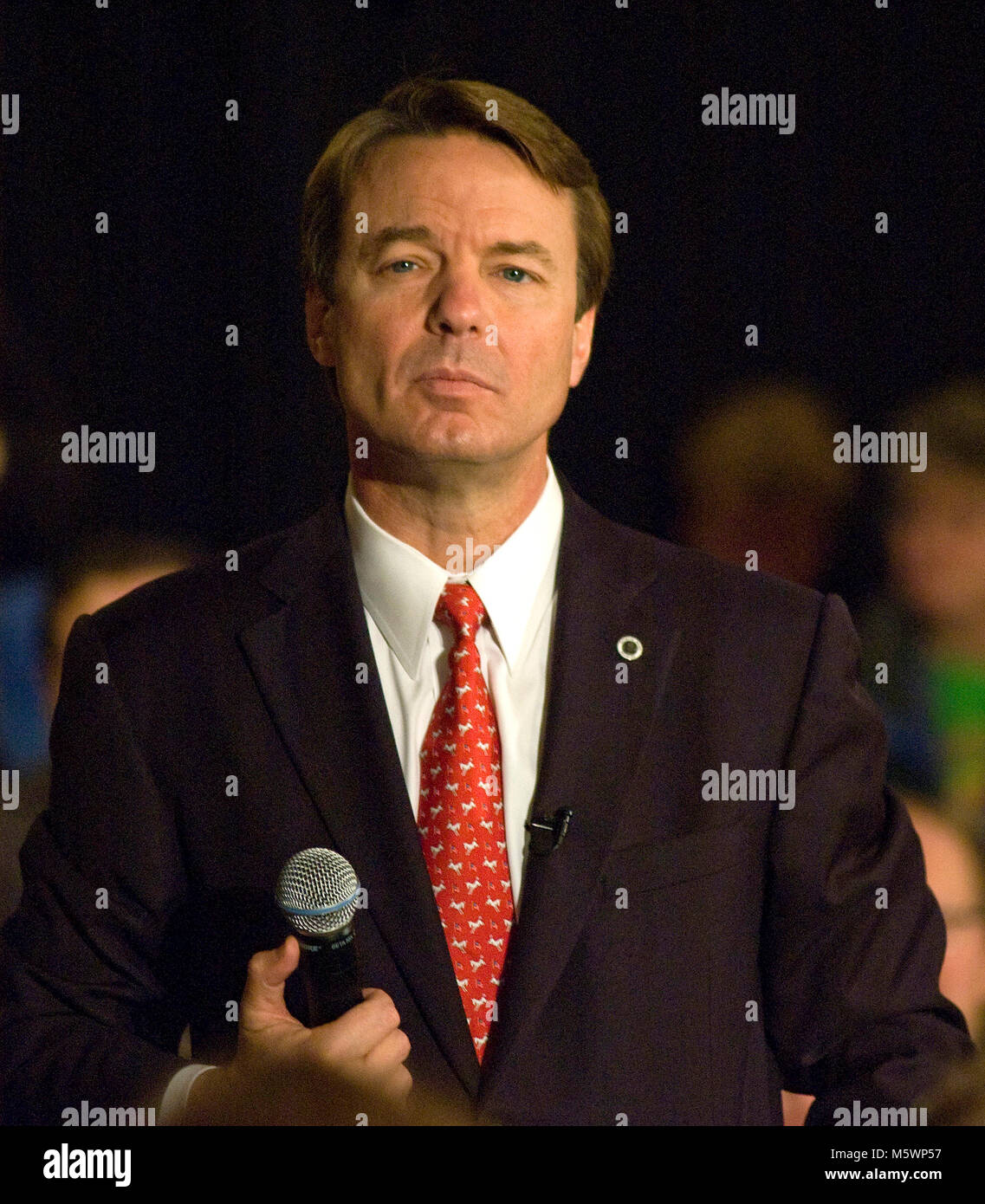
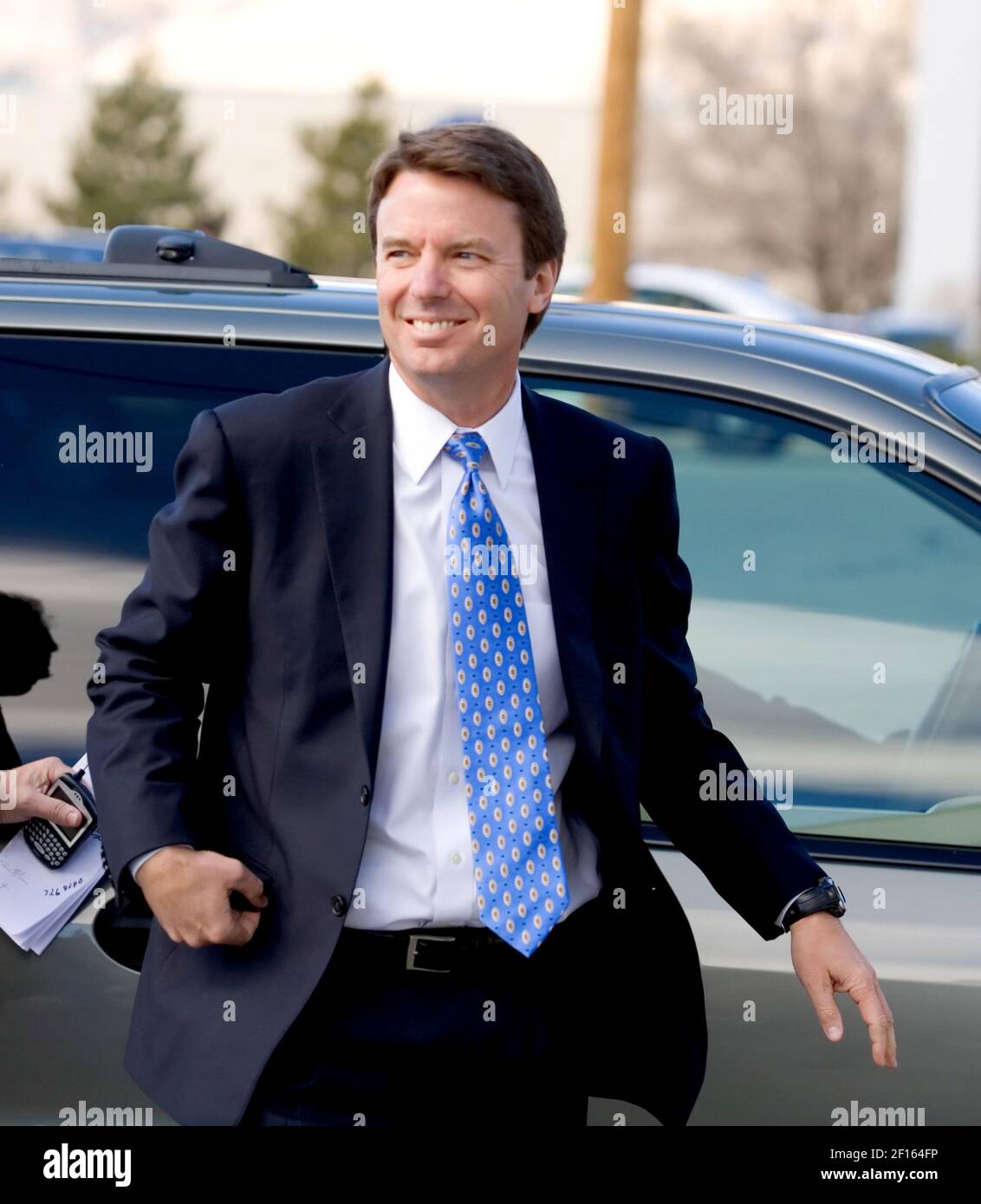
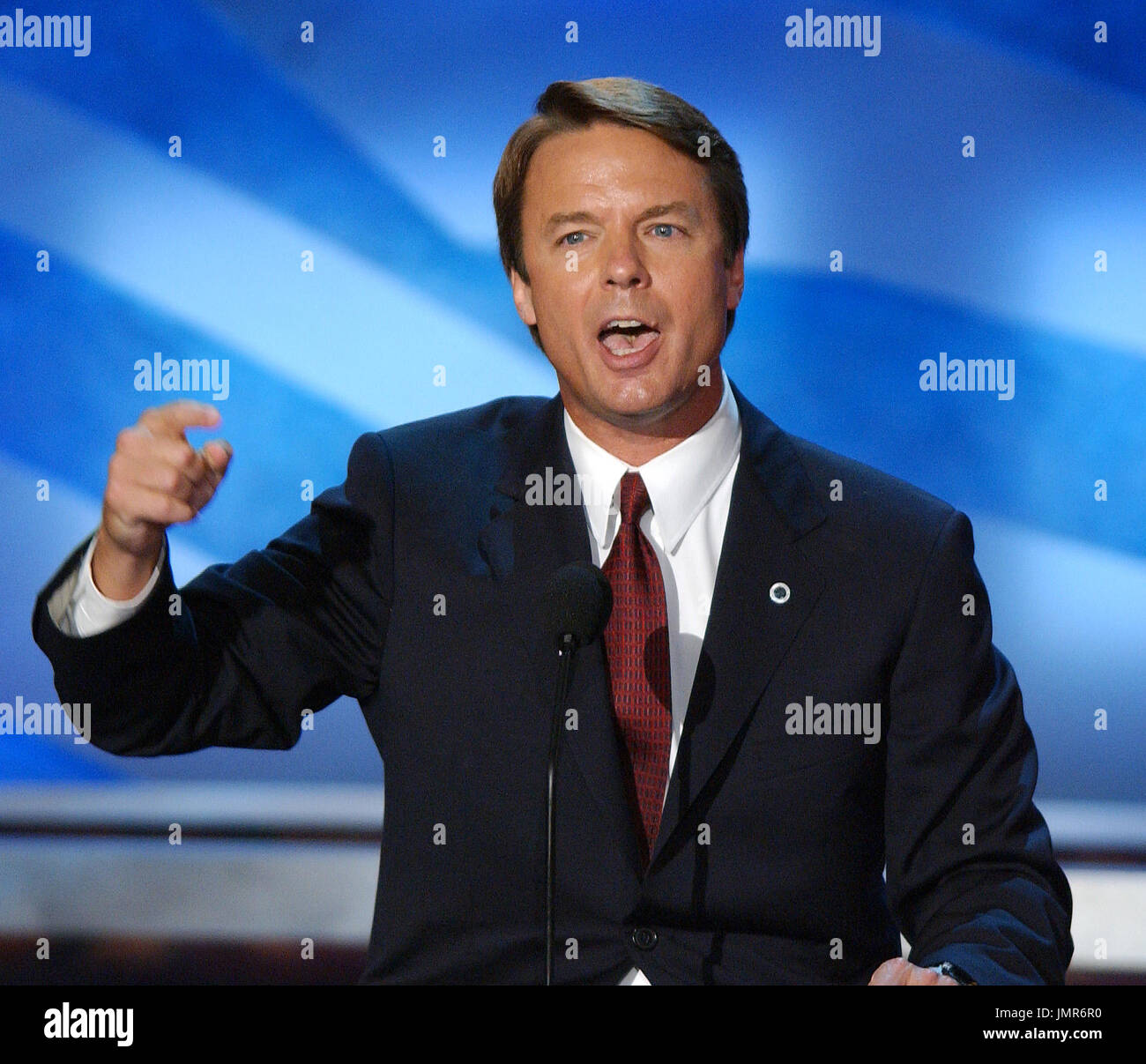
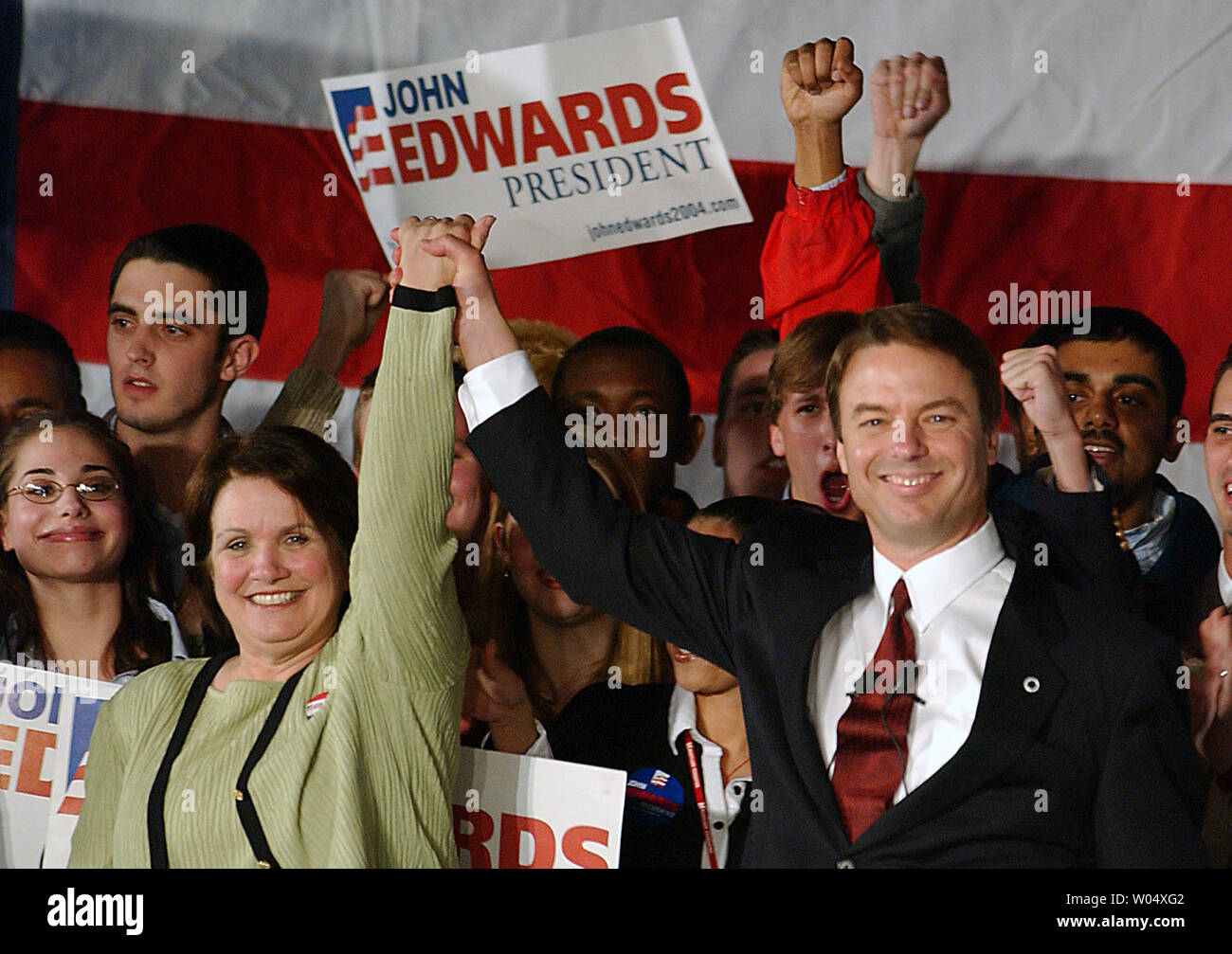
Senator John Edwards: The Political Rise, Legal Career, and Legacy of North Carolina's Former Senator
John Edwards is a former American attorney and Democratic politician who served as a United States Senator representing North Carolina from 1999 to 2005. He achieved national prominence as the Democratic nominee for Vice President in 2...
John Edwards is a former American attorney and Democratic politician who served as a United States Senator representing North Carolina from 1999 to 2005. He achieved national prominence as the Democratic nominee for Vice President in 2004 and as a major candidate for the U.S. presidency in 2004 and 2008. Before entering national politics, Edwards built a lucrative career as a high-profile plaintiff's trial lawyer in North Carolina.
Contents
Early Life, Education, and Legal Background
Johnny Reid Edwards was born on June 10, 1953, in Seneca, South Carolina, and grew up in Robbins, North Carolina, where his father worked as a textile mill worker and his mother worked for the U.S. Postal Service. Edwards was the first member of his immediate family to attend college. He earned a Bachelor of Science degree in textile management from North Carolina State University in 1974 and completed his Juris Doctor at the University of North Carolina School of Law at Chapel Hill in 1977.
Following law school, Edwards began practicing law, quickly specializing in civil litigation with an emphasis on personal injury, medical malpractice, and product liability cases. Over two decades, he established a reputation as one of North Carolina's most effective courtroom attorneys.
| Case / Focus | Key Outcome / Significance |
|---|---|
| Howard v. Miller (1985) | Secured a $6.5M medical malpractice verdict, setting a record in North Carolina at the time. |
| Lakey v. Pittman (1997) | Won a $25M verdict for a child injured by a defective pool drain; led to national safety regulations. |
| Commercial Litigation | Represented individuals against major corporations, establishing a populist legal brand. |
Edwards' legal practice concentrated heavily on catastrophic injury claims. His success in front of North Carolina juries yielded dozens of multi-million-dollar verdicts and settlements. Critics argued that his legal strategies contributed to rising medical malpractice insurance premiums, while supporters viewed him as a champion for working-class families facing powerful corporate and institutional defendants. This public persona as an advocate for ordinary people served as the bedrock for his transition into electoral politics.
The 1998 U.S. Senate Election in North Carolina
In 1998, Edwards launched his first bid for public office, challenging incumbent Republican U.S. Senator Lauch Faircloth. Faircloth, a conservative politician aligned with Senator Jesse Helms, was seeking a second term. Edwards ran as a moderate, populist Democrat capable of bridging the gap between urban professionals and rural voters across North Carolina.
Edwards funded a significant portion of his early primary campaign using personal wealth accumulated from his trial practice. His campaign messaging highlighted his background as the son of a mill worker and emphasized health care reform, public education, and consumer rights.
1998 North Carolina U.S. Senate Election Results:
- John Edwards (Democratic): 1,029,237 votes (51.15%)
- Lauch Faircloth (Republican): 945,943 votes (47.01%)
Edwards defeated Faircloth in the November 1998 general election by roughly four percentage points. His victory was regarded as a major pickup for the Democratic Party in the American South, demonstrating that a well-funded candidate with populist appeal could win statewide office in an increasingly conservative region.
Tenure in the United States Senate (1999–2005)
John Edwards assumed office as North Carolina's junior U.S. Senator on January 3, 1999. During his six-year term, his legislative efforts focused on healthcare governance, civil justice, and consumer protection.
Healthcare Policy and the Patients' Bill of Rights
One of Edwards' primary legislative initiatives was the Bipartisan Patients' Bill of Rights, co-sponsored alongside Democratic Senator Edward M. Kennedy of Massachusetts and Republican Senator John McCain of Arizona. The bill aimed to extend federal protections to managed-care patients, granting individuals the right to choose their primary care physician, access emergency care without prior approval, and sue health maintenance organizations (HMOs) in state courts for denial of care.
Although the legislation faced strong opposition from insurance providers and conservative lawmakers—ultimately stalling in Congress due to disputes over liability caps—it established Edwards as a key voice in national healthcare debates.
Foreign Policy and Intelligence Operations
Edwards served on the Senate Select Committee on Intelligence and the Senate Judiciary Committee. Following the September 11, 2001 terrorist attacks, he contributed to federal legislation strengthening border security, law enforcement intelligence-sharing, and counterterrorism measures.
In October 2002, Edwards voted in favor of the Iraq Resolution, which authorized President George W. Bush to use military force against Iraq. Edwards later expressed regret over his vote, stating in subsequent national campaigns that his decision had been based on faulty intelligence and that the resulting war was a mistake.
Edwards decided against seeking re-election to the Senate in 2004, choosing instead to focus entirely on his campaign for the Democratic presidential nomination.
National Political Campaigns: 2004 and 2008
Edwards' rapid rise in national politics brought him to the forefront of the Democratic Party during the 2004 and 2008 presidential election cycles.
JOHN EDWARDS National Political Timeline:
- 2004 Campaigns
- Democratic Primary Winner (Finished 2nd to Kerry)
- Vice Presidential Nominee (Kerry-Edwards Ticket)
- 2008 Campaign
- Focused on Economic Equity
- "Two Americas" Platform
- Withdrew in Jan 2008
The 2004 Vice Presidential Candidacy
Edwards entered the 2004 Democratic presidential primary as a dark-horse candidate. His campaign gained momentum following an unexpected second-place finish in the Iowa caucuses and a victory in the South Carolina primary. His platform centered on the concept of "Two Americas"—one composed of wealthy citizens with access to economic opportunity, and another of working-class families struggling to meet basic needs.
After Senator John Kerry of Massachusetts secured the Democratic presidential nomination, Kerry selected Edwards as his vice presidential running mate in July 2004. The Kerry-Edwards ticket focused its campaign on economic growth, healthcare expansion, and foreign policy reform. However, the ticket lost the general election to incumbents George W. Bush and Dick Cheney, securing 252 electoral votes to Bush's 286.
The 2008 Presidential Campaign
In December 2006, Edwards announced his second campaign for the Democratic presidential nomination. His 2008 platform expanded on his economic populist themes, proposing universal healthcare coverage, anti-poverty initiatives, and repeal of the Bush-era tax cuts for high-income earners.
Edwards faced stiff competition in the 2008 primaries from Senator Hillary Clinton and Senator Barack Obama. After placing third in the Iowa caucuses and the New Hampshire primary, Edwards officially suspended his campaign on January 30, 2008.
Campaign Finance Scandals, Indictment, and Legal Trial
Following his withdrawal from the 2008 presidential race, Edwards became the subject of intense media scrutiny regarding personal conduct and financial transactions during his campaign.
Extramarital Affair and Cover-Up
Reports surfaced detailing an extramarital affair between Edwards and Rielle Hunter, a filmmaker hired to produce campaign videos during his 2008 presidential run. The affair occurred while Edwards' wife, Elizabeth Edwards, was undergoing treatment for terminal breast cancer.
Initially, Edwards denied the allegations. However, subsequent investigative reporting and statements by former campaign staffer Andrew Young revealed that secret payments totaling over $900,000 had been provided by wealthy campaign donors—including Rachel "Bunny" Mellon and Fred Baron—to cover Hunter's living and travel expenses to keep the affair hidden from the public and media.
Federal Indictment and Outcome
In June 2011, a federal grand jury in North Carolina indicted Edwards on six felony counts, including:
- Accepting illegal campaign contributions
- Making false statements
- Conspiring to violate federal campaign finance laws
Federal prosecutors contended that the funds provided by Mellon and Baron constituted illegal campaign contributions exceeding statutory limits because the money was intended to preserve Edwards' viability as a presidential candidate. The defense argued that the funds were private gifts from personal friends aimed solely at hiding the affair from his wife, rather than campaign contributions subject to federal regulations.
| Issue | Details / Outcome |
|---|---|
| Jurisdiction | U.S. District Court for the Middle District of NC |
| Charges | 6 Counts (Campaign Finance Violations & Conspiracy) |
| Count 3 Verdict | Not Guilty (Receiving illegal contribution in 2008) |
| Counts 1, 2, 4, 5, 6 | Mistrial (Jury hung; unable to reach consensus) |
| Final DOJ Action | All remaining charges dismissed; no retrial sought |
The trial concluded in May 2012. On May 31, 2012, the jury found Edwards not guilty on Count 3 (illegal campaign contributions from Rachel Mellon in 2008) and deadlocked on the remaining five counts. U.S. District Judge Catherine Eagles declared a mistrial for the unresolved counts. In June 2012, the Department of Justice announced it would not seek a retrial, closing the federal criminal case against Edwards.
Key Political and Legal Milestones
The timeline below summarizes the critical milestones of John Edwards' career across law and politics.
| Year | Event / Milestone | Impact / Result |
|---|---|---|
| 1977 | Earns J.D. from UNC School of Law | Begins civil litigation career in North Carolina |
| 1997 | Secures verdict in Lakey v. Pittman | Establishes national reputation as a trial attorney |
| 1998 | Elected to U.S. Senate from NC | Defeats incumbent Republican Lauch Faircloth |
| 2001 | Co-sponsors Patients' Bill of Rights | Emerges as a key Democratic spokesman on health policy |
| 2004 | Nominated for U.S. Vice President | Serves as running mate to Senator John Kerry |
| 2008 | Runs second presidential campaign | Suspends campaign in January 2008; affair exposed |
| 2011 | Indicted on federal charges | Charged with 6 counts of campaign finance violations |
| 2012 | Acquitted on 1 count; 5 counts mistried | Department of Justice drops all remaining charges |
| 2013 | Reactivates legal license | Co-founds Edwards Kirby law firm in Raleigh, NC |
Return to Legal Practice and Modern Status
Following the resolution of his federal criminal trial, Edwards stepped back from national political life and returned to his legal career in North Carolina.
In 2013, Edwards co-founded the law firm Edwards Kirby in Raleigh, North Carolina, alongside attorney Mark Kirby. His daughter, Cate Edwards, later joined the firm as a partner. The firm represents plaintiffs in complex civil litigation, focusing on catastrophic personal injury, medical negligence, product liability, and civil rights cases.
Edwards has continued to secure multi-million-dollar settlements and jury verdicts in North Carolina courts, restoring his practice as a prominent civil trial lawyer. Although his public image was reshaped by the events of 2008–2012, his early legislative contributions and legal cases continue to be studied within North Carolina political and legal history.
Frequently Asked Questions
What office did John Edwards hold in North Carolina?
John Edwards represented North Carolina in the United States Senate from January 3, 1999, to January 3, 2005. He served one term before deciding not to seek re-election in 2004 to run for President of the United States.
What was the result of John Edwards' 2012 federal trial?
In May 2012, a federal jury found John Edwards not guilty on one count of accepting illegal campaign contributions. The jury deadlocked on the remaining five counts, leading the judge to declare a mistrial. The Department of Justice subsequently dropped all remaining charges and chose not to retry him.
What was the "Two Americas" speech by John Edwards?
The "Two Americas" was John Edwards' signature campaign theme during his 2004 and 2008 presidential runs. The message focused on economic inequality, arguing that the United States was divided into two groups: one made up of wealthy individuals who influenced government policy, and another consisting of working-class families struggling to cover basic costs like healthcare and housing.
What is John Edwards doing now?
John Edwards works as a personal injury and civil litigation attorney in Raleigh, North Carolina. He serves as a partner at the law firm Edwards Kirby, which he co-founded in 2013 with attorney Mark Kirby.
Why did John Edwards not seek re-election to the Senate in 2004?
Edwards chose not to seek a second term in the U.S. Senate in 2004 in order to focus entirely on his campaign for the Democratic presidential nomination. Republican Richard Burr ultimately won the Senate seat in the November 2004 election.
What major legal cases did John Edwards handle before entering politics?
Before entering politics, Edwards was a trial lawyer handling major personal injury and medical malpractice suits. His most famous case was Lakey v. Pittman in 1997, where he secured a $25 million verdict for a young girl injured by a defective swimming pool drain, which influenced subsequent drain safety standards.
Legal and Historical Context
John Edwards' career illustrates the intersection of civil law, political fundraising, and campaign strategy in modern American politics. His 1998 victory demonstrated the viability of populist messaging in Southern Senate races, while his 2012 trial highlighted the complex legal boundaries separating personal gifts from regulated political contributions under U.S. federal election law. Scholars and legal historians continue to evaluate his legislative work alongside his trial contributions when reviewing North Carolina's political evolution at the turn of the 21st century.
Image Gallery