Ultimate Guide to Argentina Ski Resorts: Terrain, Logistics, and Winter Planning
Argentina ski resorts offer world-class winter sports during the Northern Hemisphere summer, running from mid-June through October across the Andes Mountains. Featuring massive terrain hubs like Catedral Alta Patagonia, legendary steep...
Argentina ski resorts offer world-class winter sports during the Northern Hemisphere summer, running from mid-June through October across the Andes Mountains. Featuring massive terrain hubs like Catedral Alta Patagonia, legendary steep freeride powder at Las Leñas, and cold, consistent snow at Cerro Castor in Ushuaia, Argentina caters to beginners, luxury vacationers, and expert off-piste skiers alike.
Contents
Understanding the Argentine Ski Season and Climate
The ski season in Argentina runs inversely to the Northern Hemisphere calendar, typically opening in mid-to-late June and extending through late September or mid-October. Understanding regional climate variations across the Andes is critical for selecting the right destination and timing for a trip.
The Argentine Andes span over 2,000 miles from north to south, resulting in distinct weather regimes across three primary ski zones:
- Central Andes (Mendoza Province): Located at high elevations above 7,000 feet, resorts like Las Leñas rely on continental storm cycles. Snowpack here is typically dry and deep, but high-altitude weather can produce high winds and temporary lift closures.
- Northern Patagonia (Neuquén and Río Negro Provinces): Home to Catedral Alta Patagonia, Chapelco, and Cerro Bayo, this region benefits from maritime precipitation crossing the Andes from Chile. Weather patterns bring heavy, frequent snowfall interspersed with clear days, paired with low tree-lines dominated by native Lenga (native beech) forests.
- Southern Patagonia & Tierra del Fuego: Cerro Castor near Ushuaia experiences a subpolar oceanic climate. While mountain base elevations are low (near sea level), the extreme southern latitude delivers low temperatures, minimal snowmelt, and exceptionally reliable, dry snow conditions throughout the winter.
Peak season across all resorts occurs in July, aligning with South American school winter holidays. During July, mountain infrastructure experiences maximum crowds, and lift tickets and lodging reach peak rates. August brings stabilized snowpacks, reduced crowd density, and optimal freeride conditions. September offers excellent spring skiing, lower rates, and longer daylight hours.
Major Argentina Ski Resorts: In-Depth Profiles
Catedral Alta Patagonia: The Continent's Premier Mountain Hub
Located 12 miles from the alpine city of San Carlos de Bariloche, Catedral Alta Patagonia is the largest ski resort in South America by lift capacity and groomed acreage. Named after the granite spires topping its peaks that resemble a Gothic cathedral, the resort offers more than 120 kilometers (75 miles) of marked trails across 1,900 skiable acres, serviced by over 30 lifts including high-speed quads and gondolas.
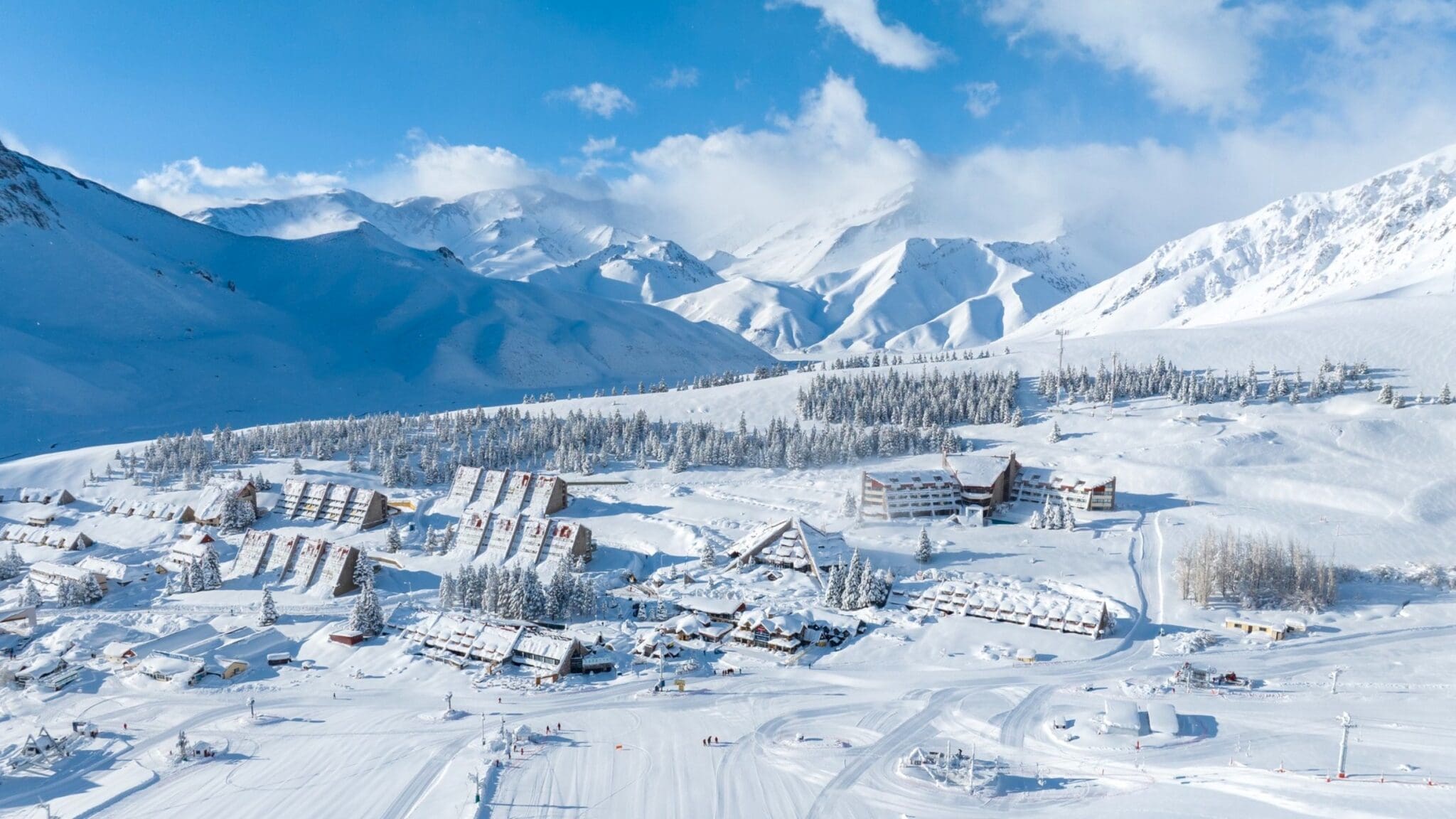
Catedral features a modern ski village at its base, complete with equipment rentals, ski schools, fine dining, and mid-mountain lodges. The terrain is divided into distinct zones:
- Base and Mid-Mountain: Wide, gently sloped terrain tailored for beginners and intermediates.
- La Hoya and Nubes Sectors: Advanced alpine bowls providing steep groomers, moguls, and high-speed cruising.
- Off-Piste and Backcountry: Accessible via upper lifts, tree runs through Lenga forests and expansive backcountry terrain (such as the Van Titter and Rucaco valleys) attract expert tourers.
The nearby city of Bariloche serves as a major culinary and logistics center, offering extensive lodging options, microbreweries, and famed artisan chocolate shops.
Las Leñas: The Mecca for Steep Freeriding
Situated in the Malargüe Department of Mendoza Province, Las Leñas is world-renowned for its extreme terrain, steep chutes, and expansive off-piste access. Operating at a base elevation of 2,240 meters (7,350 feet) and extending to a summit elevation of 3,430 meters (11,250 feet), the resort offers a vertical drop of over 1,100 meters.
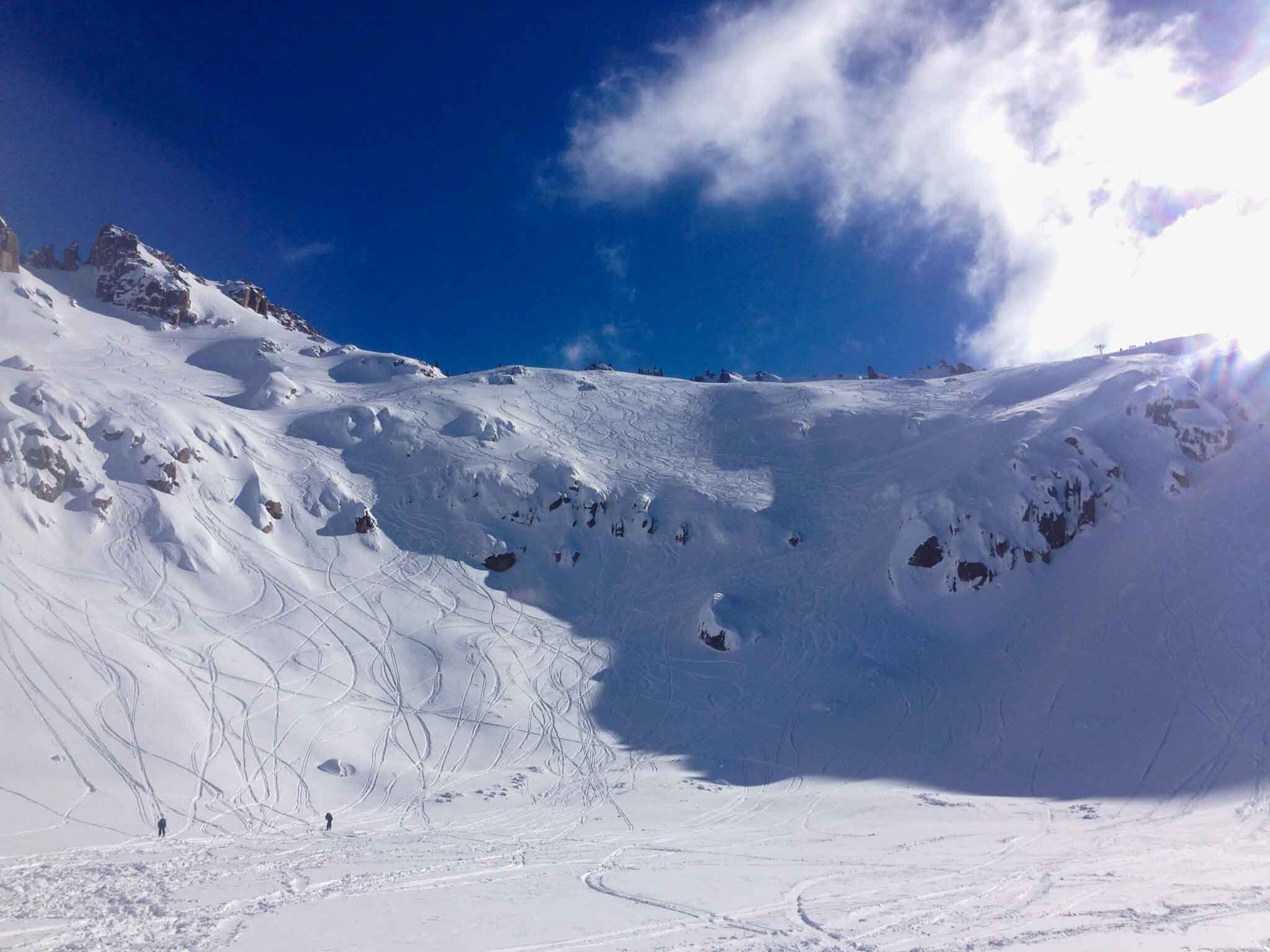
The resort's crown jewel is the Marte chairlift, a double chair that opens thousands of acres of unmanaged, high-alpine freeride terrain. Skiers and snowboarders travel from across the globe to ride iconic chutes like Eduardo, Manhattan, and the Couloir de la Laguna.
Because Las Leñas is above the tree line and exposed to high-altitude storm tracks, wind holds on the Marte lift are common. On storm days, skiing is limited to lower-mountain intermediate slopes. The resort functions as an isolated, self-contained village where guests stay in slope-side hotels or apartments and utilize fully inclusive ski packages.
Cerro Castor: Southernmost Latitude and Cold Snow
Located just 16 miles from Ushuaia at 54°S latitude, Cerro Castor is the world's southernmost ski resort. Because of its extreme southern location, the resort operates under low temperatures that maintain high snow quality from mid-June through October, with minimal freeze-thaw cycles.
Cerro Castor features 35 kilometers of groomed pistes, 650 meters of vertical drop, and modern Doppelmayr lift infrastructure. Its base elevation sits at just 195 meters above sea level, topping out at 1,057 meters. The mountain’s low elevation eliminates high-altitude altitude sickness while delivering alpine conditions.
Due to its consistent snow pack and cold temperatures, Cerro Castor is the primary southern hemisphere winter training base for European and North American national FIS World Cup alpine ski teams. Intermediate and advanced skiers will find immaculate grooming, quiet tree runs, and panoramic views of the Beagle Channel.
Chapelco and Cerro Bayo: Lake District Precision and Atmosphere
Located in Neuquén Province, Chapelco (near San Martín de los Andes) and Cerro Bayo (near Villa La Angostura) represent boutique alternatives to Catedral Alta Patagonia.
- Chapelco: Designed with assistance from European mountain planners, Chapelco features a modern gondola, high-speed detachable quads, and beautifully manicured trails weaving through dense Lenga forests. It offers views of Lake Lácar and the snow-capped Lanín Volcano. Chapelco is widely regarded as one of South America's most family-friendly and operationally efficient resorts.
- Cerro Bayo: Positioned directly above Lake Nahuel Huapi, Cerro Bayo emphasizes a luxury boutique experience. While smaller in overall acreage, it boasts deep powder in its upper alpine amphitheaters, tree skiing, and upscale dining options both on the mountain and in the adjacent town of Villa La Angostura.
Specialized Regional Resorts: La Hoya and Caviahue
For travelers seeking off-the-beaten-path options:
- La Hoya (Esquel, Chubut): Features a north-facing orientation that protects cold powder snow long after storms pass. It offers affordable lift tickets, a laid-back family atmosphere, and accessible off-piste terrain.
- Caviahue (Neuquén): Nestled at the base of the active Copahue Volcano, Caviahue allows skiers to carve between ancient Araucaria (Monkey Puzzle) trees. The resort offers thermal hot springs and snowmobile access to the volcanic crater rim.
Comprehensive Argentina Ski Resort Comparison
The following matrix compares primary operational specs, mountain features, and targeted skier levels across major Argentine ski destinations:
| Resort Name | Province / Region | Base Elevation | Summit Elevation | Skiable Pistes (km) | Top Feature | Target Skier Level |
|---|---|---|---|---|---|---|
| Catedral Alta Patagonia | Río Negro (Bariloche) | 1,030 m | 2,180 m | 120 km | Extensive lifts, vibrant city nightlife | All Levels / Families |
| Las Leñas | Mendoza (Malargüe) | 2,240 m | 3,430 m | 52 km | Extreme steep chutes via Marte Lift | Expert / Advanced Freeride |
| Cerro Castor | Tierra del Fuego (Ushuaia) | 195 m | 1,057 m | 35 km | Exceptional snow retention, FIS training | Intermediate / Advanced |
| Chapelco | Neuquén (San Martín) | 1,250 m | 1,980 m | 28 km | Forest trails, Lanín Volcano views | Beginners / Intermediates |
| Cerro Bayo | Neuquén (La Angostura) | 1,050 m | 1,800 m | 14 km | Panoramic lake views, boutique amenities | Families / Intermediates |
| La Hoya | Chubut (Esquel) | 1,350 m | 2,075 m | 30 km | Dry cold powder retention, low rates | Intermediate / Off-Piste |
| Caviahue | Neuquén (Copahue) | 1,640 m | 2,045 m | 32 km | Araucaria forests, volcanic springs | Beginners / Intermediates |
Practical Planning and Travel Logistics
Air Travel and Gateways
Reaching Argentine ski resorts requires connecting through Buenos Aires. Flights from North America and Europe land at Ministro Pistarini International Airport (EZE). Domestic flights to mountain gateways typically depart from Aeroparque Jorge Newbery (AEP), located in downtown Buenos Aires, though select domestic legs depart directly from EZE. Allow a minimum of four to five hours to clear customs, transfer between EZE and AEP, and check in for domestic flights.
Key regional airport hubs include:
- San Carlos de Bariloche Airport (BRC): Serves Catedral Alta Patagonia and offers shuttle access to Cerro Bayo (1.5 hours) and Chapelco (3 hours).
- Aviador Carlos Campos Airport / Chapelco (CPC): Serves San Martín de los Andes directly.
- Malargüe Airport (LGS) / San Rafael (AFA) / Mendoza (MDZ): Access points for Las Leñas. Shuttle services run directly from San Rafael or Mendoza to the resort village.
- Ushuaia Malvinas Argentinas International Airport (USH): Located 20 minutes from Cerro Castor’s base lodge.
Equipment Rentals and Gear Performance
While main resort bases rent modern high-performance demo skis and snowboards, availability in specific boots, specialized wide powder skis, or avalanche safety equipment (beacon, probe, shovel) can be limited during peak July weeks.
- Freeride & Backcountry Skiers: If planning off-piste excursions at Las Leñas or Catedral, bring personal avalanche safety equipment, touring bindings, and fitted boots.
- On-Piste Skiers: High-end rental shops in Bariloche, San Martín de los Andes, and resort base areas carry current-season carving and all-mountain packages from major brands.
Backcountry Safety and Mountain Rules
Unlike North American resort boundaries, off-piste terrain accessible from lifts in Argentina is often unmanaged, unpatrolled, and unmitigated for avalanche risks once outside marked resort edges.
- Avalanche Preparedness: Always carry avalanche equipment and check local snow stability evaluations before exiting marked runs.
- Guided Services: Hiring certified mountain guides (AAGM - Asociación Argentina de Guías de Montaña or IFMGA certified) is highly recommended for exploring off-piste bowls at Las Leñas, the back bowls of Catedral, or backcountry routes in Patagonia.
Financial Dynamics, Budgeting, and Local Payments
Planning a ski trip to Argentina involves managing foreign exchange systems and peak pricing periods.
Currency Exchange and Card Payments
Argentina utilizes foreign payment processing mechanisms that benefit international tourists. Foreign credit and debit cards generally process transactions using the MEP exchange rate (Electronic Payment Market), which tracks close to the informal market rate and offers significantly better value than official bank rates.
- Credit Cards: Visa and Mastercard are accepted at major hotels, resort ticket windows, ski rental shops, and restaurants in Bariloche, Ushuaia, and Las Leñas.
- Cash (Argentine Pesos): It remains essential to carry local cash for small tips, taxi fares, rural mountain huts, and small venues. Cash can be withdrawn via Western Union transfers or converted at official exchange houses (casas de cambio).
Lift Pass Pricing Structures
Lift ticket prices vary between peak season (July) and low/shoulder seasons (June, late September, October). Many resorts sell multi-day "Flexi-Passes" that allow non-consecutive days of skiing over a set period, providing flexibility if weather delays occur. Multi-resort season pass programs periodically feature partner access with select South American resorts; verify current international pass access prior to travel.
Frequently Asked Questions
When is the absolute best time to ski in Argentina?
Mid-August through early September offers the best combination of deep snowpacks, cold temperatures, manageable crowds, and stable weather. July features excellent snow conditions but coincides with intense crowd levels and peak holiday pricing due to South American school vacations.
Do I need a 4WD vehicle to travel to Argentina ski resorts?
A 4WD or AWD vehicle is helpful, but not always required if staying in major resort towns with organized transit. However, carrying tire snow chains (cadenas) is legally mandatory on mountain access roads during winter conditions, such as the climb to Las Leñas, Chapelco, or Cerro Castor during active winter storms.
Which Argentina ski resort offers the best terrain for beginners?
Catedral Alta Patagonia and Chapelco offer the most comprehensive facilities for beginners. Both feature designated learning zones, high-capacity gondolas for comfortable mountain transport, and extensive broad, gentle slopes staffed by English-speaking ski instructors.
How do I travel between Buenos Aires airports for my connecting flight?
Transfers between EZE (International) and AEP (Domestic) can be made using official airport shuttles (such as Tienda León), private hire cars (remises), or taxis. The transit time typically ranges between 50 and 90 minutes depending on traffic conditions; planners should allow at least four hours between connecting flights.
Is English widely spoken at Argentine ski resorts?
English is widely spoken by staff at major hotels, high-end rental shops, ski schools, and guest service desks in primary hubs like Bariloche, Las Leñas, and Chapelco. However, basic Spanish phrases are helpful when traveling through smaller regional airports, rural transport networks, and local dining spots.
Strategic Recommendations for Your Ski Trip
To execute a seamless Argentine ski trip, select a resort tailored directly to your skill level and travel style. Advanced freeriders looking for steep off-piste terrain should target Las Leñas in August, incorporating buffer days for potential weather delays on high-mountain lifts. Skiers seeking a blend of infrastructure, varied terrain, fine dining, and vibrant nightlife will find Catedral Alta Patagonia and the surrounding city of Bariloche ideal.
For reliable snow quality, quiet pistes, and seamless logistics, pair Cerro Castor with a visit to Ushuaia, or combine Chapelco and Cerro Bayo for a multi-stop road trip through the lakes region of Northern Patagonia. Reserve flights, mountain lodging, and private guides four to six months in advance when planning to travel during the peak July holiday window.
Image Gallery