The Evolution of sbe: How Sam Nazarian Redefined Hospitality Through Technology
Sam Nazarian’s sbe Entertainment Group transitioned from a traditional luxury hotel and nightlife operator into a global hospitality technology powerhouse by pivoting to a "digital-first" culinary ecosystem. Central to this rise is C3...
Sam Nazarian’s sbe Entertainment Group transitioned from a traditional luxury hotel and nightlife operator into a global hospitality technology powerhouse by pivoting to a "digital-first" culinary ecosystem. Central to this rise is C3 (Creating Culinary Communities), a platform that integrates intellectual property (IP) branding with ghost kitchens and proprietary software to scale premium dining brands globally.
Contents
For decades, the name Sam Nazarian was synonymous with the glitz of Los Angeles nightlife and the opulence of the SLS and Mondrian hotel brands. However, as we look at the landscape in 2026, the narrative has shifted. The "King of Nightlife" is now arguably the "Architect of Hospitality Tech." This transformation was not accidental but a calculated response to shifting consumer behaviors, the rise of the gig economy, and a fundamental change in how real estate and food interact.
The rise of sbe in the technology sector represents a blueprint for how legacy hospitality companies can survive and thrive by treating food and beverage (F&B) not just as a service, but as scalable, digital intellectual property.
The Strategic Pivot: From Bricks and Mortar to Bytes and Flavor
The pivotal moment in sbe’s tech evolution occurred in late 2020 when Sam Nazarian sold sbe’s remaining 50% stake in its hotel brands—including SLS, Delano, and Mondrian—to the French hospitality giant Accor. While Accor took over the "bricks," Nazarian kept the "brains"—specifically the high-value culinary brands and the tech-driven platform he had been quietly building: C3.
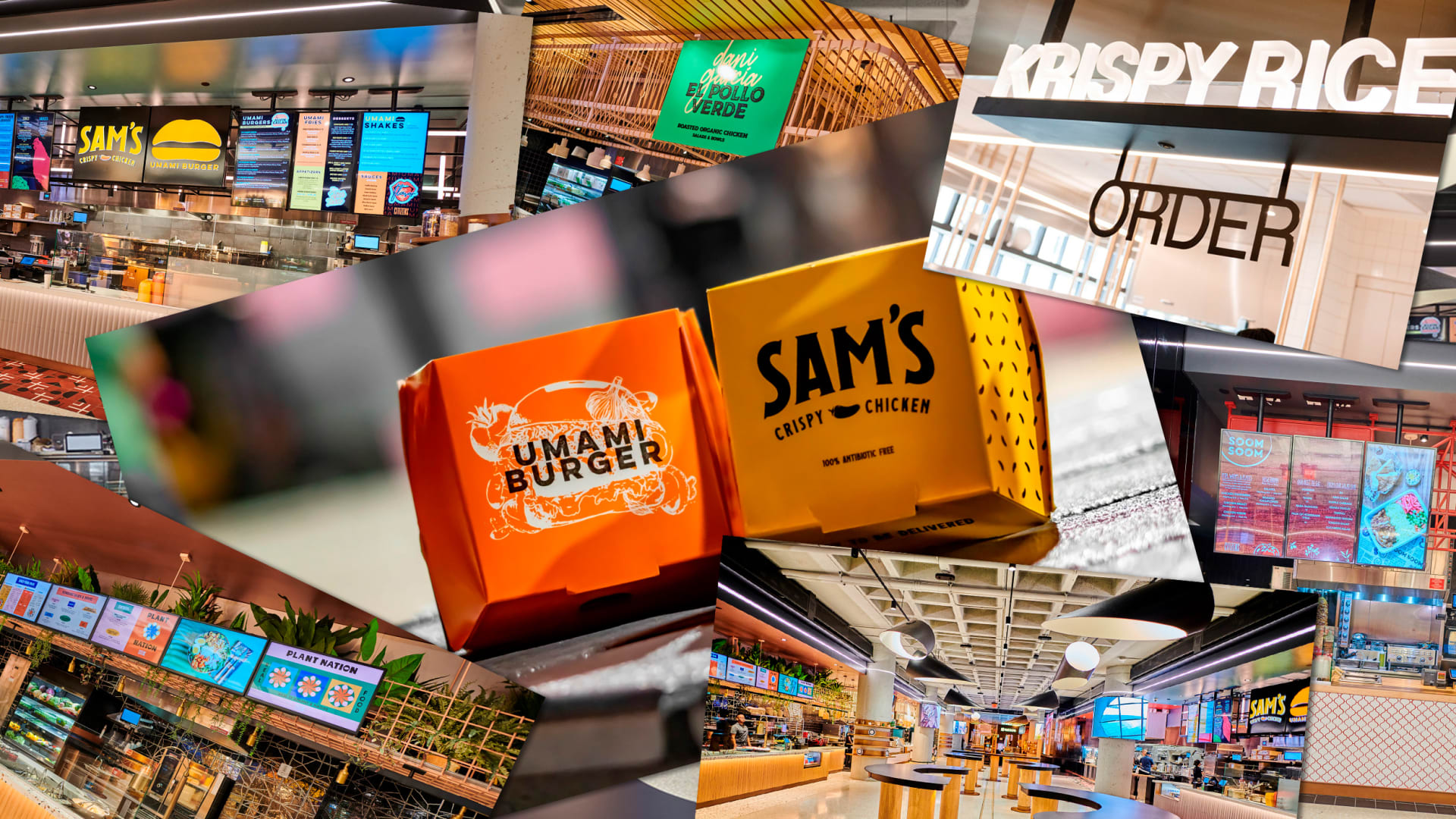
By divesting from the capital-intensive world of hotel ownership and management, Nazarian freed up the resources necessary to build a software-enabled culinary empire. This shift moved sbe from a low-margin, high-overhead physical business to a high-margin, asset-light technology model. The strategy focused on "omnichannel" hospitality, where a brand like Umami Burger or Krispy Rice could exist simultaneously in a luxury food hall, a delivery-only ghost kitchen, and a standard restaurant kitchen via licensing.
C3: The Engine of Digital Hospitality
C3 (Creating Culinary Communities) serves as the primary vehicle for sbe’s tech dominance. It is more than just a collection of ghost kitchens; it is a full-stack hospitality platform. By 2026, C3 has perfected the art of "culinary IP," where famous chefs (such as Dani García and Masaharu Morimoto) partner with sbe to create digital-native brands.
The Digital Food Hall Concept
Unlike traditional ghost kitchens that often struggle with quality control and brand recognition, C3 utilizes a "Digital Food Hall" model. This allows customers to order from multiple brands—say, sushi from Krispy Rice and a burger from Umami Burger—in a single transaction. This solves a major pain point in the delivery industry: the "family veto," where a group cannot agree on one restaurant.
Citizens Go: The Proprietary Ecosystem
The backbone of this operation is the Citizens Go app. By owning the platform, sbe circumvents the massive commission fees typically charged by third-party delivery giants like UberEats or DoorDash. More importantly, it allows sbe to own the customer data. In 2026, this data is used to predict localized demand, allowing sbe to adjust kitchen staffing and inventory in real-time based on hyper-local trends.
Technical Infrastructure and Automation
The rise of sbe in tech is also defined by its integration of kitchen robotics and automated logistics. To maintain consistency across thousands of touchpoints, sbe has invested heavily in standardized, tech-enabled cooking processes.
- Demand Forecasting AI: sbe uses machine learning to analyze historical order data, local weather, and even social media trends to predict order volume. This reduces food waste by up to 30%, a critical factor in the low-margin food industry.
- Robotic Integration: In many of their "Citizens" food halls, sbe has pioneered the use of automated delivery bots (in partnership with robotics firms) to shuttle food from the kitchen to the customer or to designated pick-up points, reducing labor friction.
- Kitchen Operating System (KOS): Every C3-affiliated kitchen runs on a proprietary KOS that streamlines orders from multiple platforms into a single, unified workflow. This prevents kitchen staff from being overwhelmed by disparate tablets and notification sounds.
Global Scalability through Asset-Light Partnerships
Nazarian’s genius lies in his ability to scale without the traditional burdens of real estate acquisition. sbe has formed massive partnerships that turn existing, underutilized real estate into profit centers.
- Accor Partnership: Even after the hotel sale, sbe remains a preferred F&B partner for Accor. This gives C3 instant access to thousands of hotel kitchens globally that are often underutilized during off-peak hours.
- REEF Technology: By partnering with ghost kitchen providers like REEF, sbe was able to deploy its brands into mobile vessels and modular kitchens in parking lots across North America almost overnight.
- Middle East Expansion: Through joint ventures in Saudi Arabia and the UAE, sbe has exported its "Digital Food Hall" model to regions with high smartphone penetration and a massive appetite for premium delivery.
Comparing the Legacy Model vs. The Tech-Driven Model
The following table highlights the radical shift in sbe’s operational metrics as it moved into the hospitality tech space.
| Metric | Traditional sbe (Pre-2020) | Tech-Enabled sbe / C3 (2026) |
|---|---|---|
| Primary Asset | Physical Real Estate / Hotel Management | Intellectual Property / Data / Software |
| Scalability | Slow (Years to build a hotel) | Rapid (Weeks to launch a digital brand) |
| Profit Margins | 10% - 15% (Typical for Hotels/Dining) | 25% - 35% (SaaS-like IP Licensing) |
| Customer Data | Limited to guests and manual CRM | Deep, real-time analytics via Citizens Go |
| Revenue Stream | Room nights, Table service | Delivery fees, Licensing, App transactions |
| Labor Intensity | Very High (Staff-to-guest ratio) | Moderate to Low (Automation assisted) |
Challenges and The "Quality Control" Hurdle
The rise of sbe in hospitality tech has not been without its hurdles. One of the primary criticisms of the ghost kitchen model is the potential for brand dilution. When a high-end brand is cooked in a third-party kitchen, maintaining the "Nazarian standard" becomes difficult.
To solve this, sbe implemented a rigorous certification and auditing tech stack. In 2026, kitchens using C3 IP are required to use IoT-connected sensors that monitor fridge temperatures and oven timings, reporting back to sbe’s central headquarters. If a kitchen deviates from the prescribed "digital recipe," the platform can automatically pause the brand's availability on delivery apps until the issue is rectified.
The Future: AI-Driven Personalization in 2026
As of 2026, the next frontier for sbe is the "Everything Kitchen." This concept involves using generative AI to create personalized menus for individual users based on their health data (from wearable devices) and past preferences. Imagine an app that knows you had a heavy workout and suggests a "Krispy Rice" bowl with extra protein and specific macro-nutrients, delivered precisely when you arrive home.
This level of integration moves sbe away from being a "restaurant company" and toward being a "lifestyle technology company." The rise of Sam Nazarian in this space proves that the future of hospitality isn't just about the bed or the plate—it's about the data that connects them to the consumer.
Frequently Asked Questions
What is the difference between sbe and C3? sbe is the parent entertainment group founded by Sam Nazarian. C3 (Creating Culinary Communities) is the specific subsidiary focused on food technology, digital brands, and ghost kitchens. While sbe still manages some luxury nightlife and lifestyle venues, C3 is the primary driver of the company’s tech-based growth.
Does Sam Nazarian still own hotels? Following the 2020 deal with Accor, Nazarian moved away from the majority ownership of hotel brands like SLS and Mondrian. However, he maintains a close strategic relationship with Accor, and sbe often provides the "programming" (the food, tech, and nightlife) for these hotel properties without owning the underlying real estate.
What is the "Citizens Go" app? Citizens Go is sbe’s proprietary mobile application that allows users to order from various C3 digital brands in a single basket. It is designed to capture first-party data and provide a unified loyalty program, reducing the company's reliance on third-party aggregators like UberEats.
How does sbe ensure food quality in ghost kitchens? sbe uses a combination of standardized digital recipes, Kitchen Operating Systems (KOS), and IoT monitoring. By 2026, they have implemented real-time tracking of preparation steps and automated quality checks to ensure that a burger in New York tastes identical to one in Dubai.
Are sbe brands available globally? Yes. Through a "light-asset" licensing model, sbe brands like Umami Burger, Krispy Rice, and Kumi have expanded into Europe, the Middle East, and Asia. This is achieved by partnering with existing local kitchen operators who license the brands and the technology stack.
Practical Recommendation
For hospitality professionals or investors looking to emulate sbe's success, the path forward is clear: prioritize intellectual property over physical assets. Focus on building "omnichannel" brands that can exist in multiple formats—delivery, pick-up, and dine-in. By investing in a proprietary tech stack (especially a first-party ordering app), you can reclaim the customer data and profit margins that are currently being lost to third-party delivery platforms. In 2026, the value of a hospitality brand is determined by its digital reach as much as its physical presence.
Image Gallery