What Is the Top Rated Shampoo for Hair Loss? Evidence-Based Guide and Reviews
The top-rated shampoo for hair loss overall is Nizoral Anti-Dandruff Shampoo containing 1% ketoconazole, widely recommended by dermatologists for reducing scalp inflammation and inhibiting localized dihydrotestosterone (DHT) activity....
The top-rated shampoo for hair loss overall is Nizoral Anti-Dandruff Shampoo containing 1% ketoconazole, widely recommended by dermatologists for reducing scalp inflammation and inhibiting localized dihydrotestosterone (DHT) activity. For natural botanical maintenance, Pura D'or Original Gold Label ranks highest in consumer satisfaction. However, shampoos act primarily as supportive scalp therapies rather than standalone restoration cures.
Contents
Medical Disclaimer
This article is for informational and educational purposes only and does not constitute formal medical advice, diagnosis, or treatment. Hair loss (alopecia) can stem from complex hormonal, genetic, nutritional, or autoimmune underlying causes. Always consult a board-certified dermatologist or qualified healthcare provider before initiating new therapeutic regimens for scalp conditions or hair loss.
Understanding the Role of Shampoo in Hair Loss Treatment
To evaluate hair loss shampoos accurately, it is essential to establish realistic expectations regarding what topical cleansing agents can and cannot achieve. Shampoos primarily interact with the stratum corneum (the outermost layer of the epidermis) and the superficial portion of the hair follicle opening. Because hair follicle growth centers (the dermal papillae) reside deep within the dermis, rinse-off shampoo products have limited penetration time.
Hair loss shampoos do not act as primary cures for genetic androgenetic alopecia (pattern baldness). Instead, top-rated anti-hair loss formulations function as vital adjunct therapies designed to optimize the scalp microenvironment. They achieve this through four principal mechanisms:
- Reducing Scalp Inflammation: Chronic inflammation around the pilosebaceous unit accelerates follicular miniaturization. Anti-inflammatory active ingredients soothe micro-irritation.
- Clearing Excess Sebum and DHT: Sebum carries high concentrations of dihydrotestosterone (DHT), the androgen hormone responsible for shrinking susceptible hair follicles. Daily or targeted cleansing prevents sebum accumulation.
- Controlling Fungal Microflora: Overgrowth of Malassezia yeast causes seborrheic dermatitis and dandruff, conditions strongly correlated with increased telogen (shedding phase) hair loss.
- Improving Hair Shaft Diameter: Volumizing polymers and wheat proteins temporarily coat the hair shaft, making existing fine hair appear thicker and less prone to mechanical breakage.
When used alongside FDA-approved systemic or topical medical treatments—such as topical minoxidil or oral finasteride—the right functional shampoo creates a healthy foundation that supports maximum follicle retention.
Top Rated Shampoos for Hair Loss: Detailed Product Reviews
Based on clinical research, dermatological recommendations, ingredient safety profiles, and verified user satisfaction, the following products represent the top-rated hair loss shampoos available.
1. Nizoral Anti-Dandruff Shampoo (Ketoconazole 1%) — Best Overall Clinical Formula
Nizoral is widely regarded by dermatologists as the premier over-the-counter therapeutic shampoo for hair thinning. Its active ingredient, ketoconazole (1% OTC; 2% by prescription), is a broad-spectrum synthetic antifungal agent that targets Malassezia yeasts on the scalp.
Beyond its antifungal properties, clinical studies published in journals such as the National Center for Biotechnology Information (NCBI) suggest that topical ketoconazole exhibits mild anti-androgenic action. Ketoconazole disrupts local DHT binding to androgen receptors around the follicle, helping to arrest miniaturization.
- Primary Active Ingredient: Ketoconazole 1%
- Best For: Androgenetic alopecia combined with scalp itching, flaking, or seborrheic dermatitis.
- Pros: Clinically proven mechanism; strong dermatological support; cost-effective.
- Cons: Can be drying to hair strands if used daily; requires a hydrating conditioner on mid-lengths to ends.
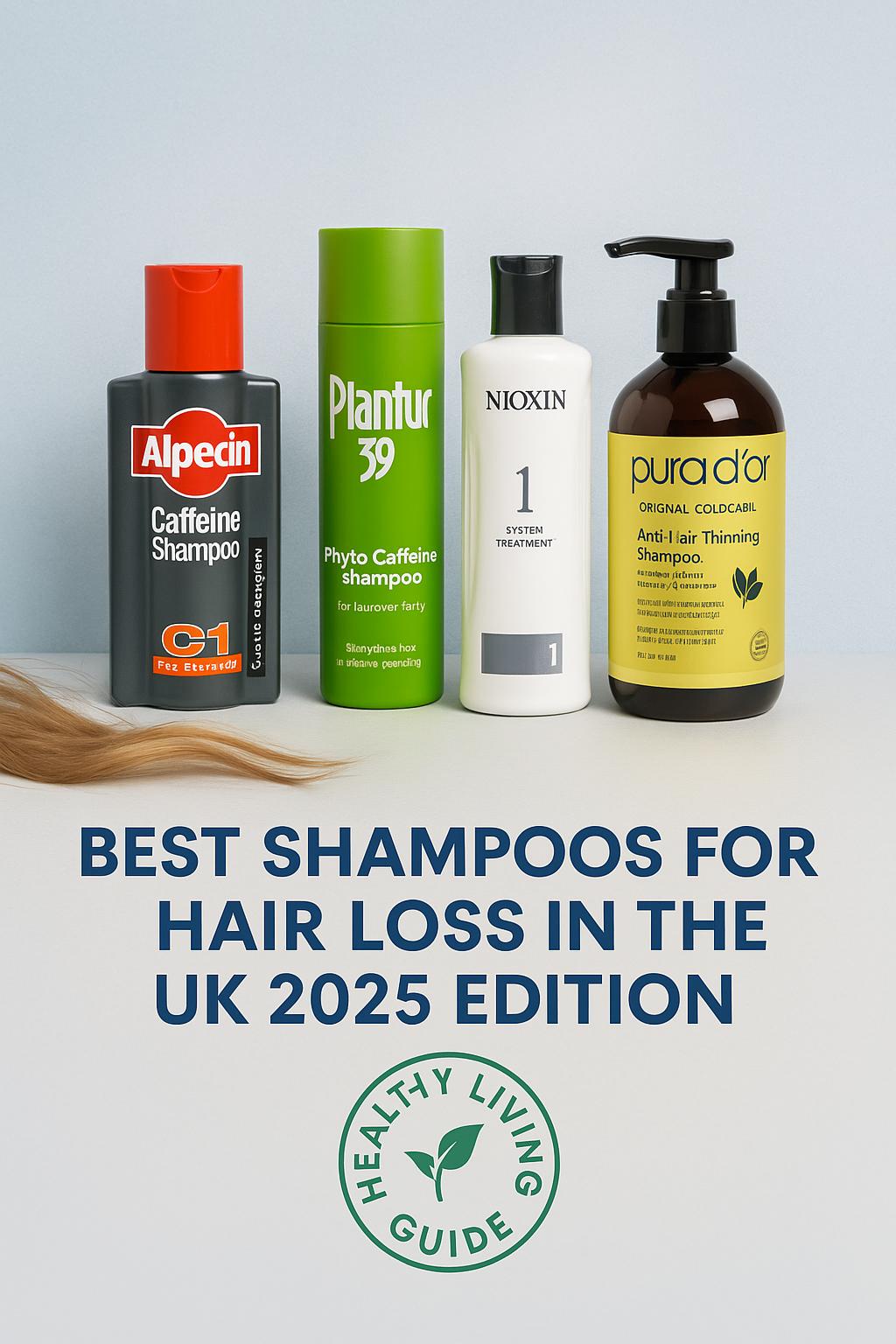
2. Pura D'or Original Gold Label Anti-Hair Thinning Shampoo — Best Natural & Botanical Option
Pura D'or Original Gold Label consistently earns top consumer satisfaction ratings across major retail platforms. Unlike standard shampoos that rely on water bases, this formula utilizes an organic aloe vera base enriched with 17 active herbal ingredients designed to reduce hair breakage and clear scalp buildup.
Key botanical components include saw palmetto extract, nettle leaf extract, biotin, pumpkin seed oil, and pygeum bark extract. Saw palmetto and pumpkin seed oil contain phytosterols that help inhibit 5-alpha reductase, the enzyme responsible for converting testosterone into DHT.
- Primary Active Ingredients: Saw Palmetto, Pumpkin Seed Oil, Biotin, Niacin, Argan Oil.
- Best For: Individuals seeking a sulfate-free, botanical shampoo to reduce hair breakage and support daily scalp health.
- Pros: Free from harsh sulfates, parabens, and synthetic dyes; gentle enough for daily use; color-safe.
- Cons: Rich botanical oil profile may feel heavy on extremely oily, fine hair.
3. Revita High-Performance Hair Stimulating Shampoo (DS Laboratories) — Best Multi-Active Technology
Revita Shampoo by DS Laboratories is an advanced science-backed formulation that combines anti-androgenic, anti-inflammatory, and antioxidant ingredients. It incorporates ketoconazole, caffeine, copper peptides, rooibos tea extract, and amino acids delivered through a liposomal delivery vehicle designed to enhance ingredient penetration despite short rinse times.
Caffeine within the formula acts as a counter-agent to androgenic suppression, stimulating cellular metabolism within human hair follicles in vitro. Copper peptides (GHK-Cu) support tissue remodeling and scalp health.
- Primary Active Ingredients: Ketoconazole, Caffeine, Copper Peptides, Biotin, Rooibos Tea.
- Best For: Early-to-moderate pattern hair thinning in both men and women requiring an all-in-one high-tech cleanser.
- Pros: Sulfate-free; comprehensive ingredient stack addressing multiple hair loss pathways.
- Cons: Premium price point; requires consistent contact time (3–5 minutes) per application.
4. Nioxin System Cleanser Shampoos (Systems 1–6) — Best for Immediate Density & Fine Hair
Nioxin offers specialized scalp cleansers divided into six tailored systems based on hair type (fine vs. coarse), texture (natural vs. chemically treated), and degree of thinning (light vs. progressed). Nioxin Cleansers prioritize complete decontamination of the follicle orifice.
Formulated with salicylic acid, peppermint oil, and white tea extract, Nioxin strips away hardened sebum plugs, environmental pollutants, and cosmetic residue that weigh hair down. The cooling sensation promotes localized scalp microcirculation, while niacinamide (Vitamin B3) strengthens the scalp barrier.
- Primary Active Ingredients: Salicylic Acid, Niacinamide, Peppermint Oil, Panthenol.
- Best For: Fine, limp hair needing immediate visual density, volume, and deep scalp clarification.
- Pros: Excellent scalp feel; creates immediate physical lift at the hair root; customized system choices.
- Cons: Cleanses aggressively; not designed to block DHT systemically.
5. Ultrax Labs Hair Surge Caffeine Hair Loss Shampoo — Best Topical Caffeine Formula
Ultrax Labs Hair Surge utilizes micro-blended caffeine compounds combined with 0.2% ketoconazole and saw palmetto extract. Research indicates that topical caffeine can extend the anagen (growth) phase of hair follicles and counteract the growth-inhibiting effects of testosterone on human hair follicles.
This formulation is engineered to linger on the scalp surface after rinsing, allowing active compounds to absorb into the upper follicular structure.
- Primary Active Ingredients: Caffeine, Ketoconazole (0.2%), Saw Palmetto.
- Best For: Users seeking a high-potency caffeine-boosted shampoo to complement existing regrowth treatments.
- Pros: Powerful synergistic blend of caffeine and low-dose ketoconazole; high satisfaction among long-term users.
- Cons: High cost per ounce; strong scent profile.
Comparison of Top Rated Hair Loss Shampoos
The following matrix highlights the differences in active ingredients, primary scalp target, recommended usage frequency, and relative price tier among top choices.
| Product Name | Key Active Ingredients | Primary Targeted Cause | Recommended Frequency | Relative Price Tier |
|---|---|---|---|---|
| Nizoral Anti-Dandruff | Ketoconazole 1% | Scalp Inflammation, Yeast overgrowth, Local DHT | 2 times per week | Budget ($) |
| Pura D'or Gold Label | Saw Palmetto, Biotin, Pumpkin Seed Oil | Hair breakage, Scalp buildup, Botanical DHT support | Daily or 3–4x weekly | Moderate ($$) |
| Revita Shampoo | Ketoconazole, Caffeine, Copper Peptides | Multi-factor androgenetic thinning & scalp micro-environment | 4–5 times per week | Premium ($$$) |
| Nioxin Cleanser System | Salicylic Acid, Niacinamide, Peppermint Oil | Follicular sebum obstruction, Fine/limp hair density | Daily | Moderate ($$) |
| Ultrax Labs Hair Surge | Caffeine, Ketoconazole (0.2%), Saw Palmetto | Follicular stimulation, Early androgenetic thinning | 5 times per week | Premium ($$$) |
Key Active Ingredients to Look for in Hair Loss Shampoos
When evaluating anti-hair loss shampoos, reviewing the drug facts and active ingredient label is far more reliable than relying on front-label marketing claims. According to guidelines from the American Academy of Dermatology (AAD), consumer selection should prioritize clinically studied agents.
- Key Active Shampoo Ingredients
- Antifungal & Anti-Androgenic
- Ketoconazole
- Zinc Pyrithione
- Salicylic Acid
- Botanical & Stimulating
- Saw Palmetto
- Caffeine
- Biotin & Niacin
- Antifungal & Anti-Androgenic
1. Ketoconazole
Ketoconazole is an imidazole antifungal drug. When applied topically to the scalp, it effectively eradicates Malassezia yeasts that cause seborrheic dermatitis. Clinical evidence shows it helps reduce inflammation around the hair follicle base and displays mild 5-alpha reductase inhibition, aiding in the preservation of hair density.
2. Saw Palmetto (Serenoa repens)
Saw palmetto fruit extract is rich in fatty acids and phytosterols. In dermatological studies, saw palmetto has been shown to partially inhibit the enzyme 5-alpha reductase (types 1 and 2), reducing the local conversion of testosterone into dihydrotestosterone (DHT).
3. Caffeine
Topical caffeine acts as a stimulant for hair follicles. Studies show that caffeine penetrates the hair follicle sheath within minutes of application, helping to increase cellular proliferation, prolong the anagen (growth) phase, and neutralize local testosterone toxicity within the follicle.
4. Salicylic Acid & Zinc Pyrithione
- Salicylic Acid: A beta-hydroxy acid (BHA) that exfoliates dead skin cells and dissolves oxidized sebum crusts around follicle openings, preventing inflammatory plugging.
- Zinc Pyrithione: An antibacterial and antifungal compound that calms irritated scalps, preventing inflammatory shedding episodes linked to dandruff.
5. Biotin and B-Complex Vitamins
While topical biotin (Vitamin B7) does not directly alter hormonal hair loss, it acts as a conditioning nutrient that strengthens the keratin matrix of the hair shaft. This improves tensile strength and reduces premature hair breakage caused by brushing or styling.
How to Select the Right Shampoo for Your Hair Loss Type
Choosing the top shampoo requires matching active ingredients to the specific underlying cause of your hair loss.
1. Androgenetic Alopecia (Male/Female Pattern Baldness)
- Underlying Mechanism: Genetic sensitivity of hair follicles to DHT, causing progressive follicular miniaturization.
- Best Choice: Choose shampoos containing Ketoconazole (such as Nizoral or Revita) or Caffeine + Saw Palmetto (such as Ultrax Labs).
- Strategy: Use ketoconazole formulations 2–3 times weekly to suppress localized DHT pathways and reduce perifollicular micro-inflammation.
2. Telogen Effluvium (Stress or Illness-Induced Shedding)
- Underlying Mechanism: A sudden shift of numerous hair follicles into the resting (telogen) phase following physiological stress, illness, or nutritional deficiency.
- Best Choice: Gentle, sulfate-free, nutrient-dense shampoos like Pura D'or Original Gold Label.
- Strategy: Avoid aggressive chemical clarifiers. Focus on soothing the scalp, preserving existing fragile strands, and minimizing hair breakage while normal growth cycles reset.
3. Seborrheic Dermatitis & Scalp Inflammation
- Underlying Mechanism: Inflammatory skin condition driven by sebum overproduction and yeast proliferation, resulting in heavy flaking, redness, and secondary hair shedding.
- Best Choice: Nizoral 1% Ketoconazole or formulations with Zinc Pyrithione and Salicylic Acid (like Nioxin).
- Strategy: Treat active flare-ups twice weekly, leaving the shampoo on the scalp for several minutes before rinsing to eradicate fungal colonies.
How to Correctly Use Hair Loss Shampoos for Maximum Efficacy
Improper application techniques often explain why individuals fail to see results from high-rated hair loss shampoos. Because rinse-off products have short scalp exposure, following proper protocol is critical.
Step 1: Pre-Rinse and Wetting
Thoroughly saturate the scalp and hair with lukewarm water for at least 60 seconds. Avoid hot water, which can strip essential scalp lipids, aggravate inflammation, and trigger compensatory sebum overproduction.
Step 2: Direct Scalp Application
Dispense a nickel-to-quarter-sized amount of shampoo into your palms. Apply the product directly to the scalp, not just to the length of the hair strands. Use the pads of your fingertips—never fingernails—to massage the cleanser across the crown, hairline, and nape using gentle circular motions.
Step 3: Mandated Contact Time (The "Dwell" Phase)
Unlike standard shampoos that are rinsed out immediately, therapeutic hair loss shampoos require adequate contact time for active molecules (like ketoconazole or caffeine) to penetrate the epidermis and hair follicles.
- Target Contact Time: Leave the lather on the scalp for 3 to 5 minutes before rinsing.
Step 4: Thorough Rinsing and Conditioning
Rinse the scalp completely with lukewarm water until no residue remains. Because active therapeutic ingredients (especially ketoconazole) can leave the hair shaft feeling dry or stiff, follow up with a weightless, silicone-free conditioner applied only to the mid-lengths and ends of the hair. Avoid heavy conditioners on the scalp to prevent clogging freshly cleared follicle pores.
Frequently Asked Questions
Can a shampoo regrow lost hair on its own?
No. Shampoos alone cannot fully restore hair in areas where follicles have completely atrophied or closed. Shampoos function as supportive tools to optimize scalp health, clear sebum/DHT, reduce inflammation, and stop excess shedding. Significant hair regrowth typically requires FDA-approved topical or oral medical therapies prescribed by a dermatologist.
How long does it take to see results from a hair loss shampoo?
Topical scalp therapies require consistent use over 3 to 6 months before visible changes occur. Initial benefits—such as reduced dandruff, less oiliness, and diminished daily hair shedding in the shower—are often noticeable within 2 to 4 weeks.
Can I use Nizoral shampoo every day?
No. Nizoral (Ketoconazole 1%) should generally not be used every day, as it can cause dryness, scalp irritation, or straw-like hair texture. Use Nizoral 2 to 3 times per week. On alternate days, use a gentle, hydrating, sulfate-free shampoo.
Do sulfate-free shampoos help with hair loss?
Sulfate-free shampoos use gentler surfactants that cleanse without stripping natural scalp moisture. For individuals with dry, brittle, or chemically treated hair, sulfate-free options (such as Pura D'or) reduce hair breakage, helping retain hair volume over time.
Is biotin shampoo effective for male pattern baldness?
Topical biotin cleansers help strengthen the outer keratin structure of the hair shaft, making fine strands appear thicker and reducing physical breakage. However, topical biotin does not block DHT or alter genetic androgenetic alopecia.
Final Recommendation and Next Steps
If you are looking for the overall top-rated shampoo backed by clinical evidence, Nizoral Anti-Dandruff Shampoo (Ketoconazole 1%) remains the premier dermatological recommendation for controlling scalp inflammation, clearing yeast, and supporting hair retention. If you prefer a daily natural formulation that minimizes hair breakage through botanical DHT blockers, Pura D'or Original Gold Label is the top consumer-rated alternative.
To achieve optimal results:
- Identify your primary underlying issue (e.g., genetic thinning vs. scalp inflammation).
- Maintain a strict 3- to 5-minute dwell time on the scalp during every wash.
- Combine your shampoo routine with proven medical interventions—such as topical minoxidil or prescription therapies—and schedule an evaluation with a board-certified dermatologist for a comprehensive diagnostic plan.
Image Gallery