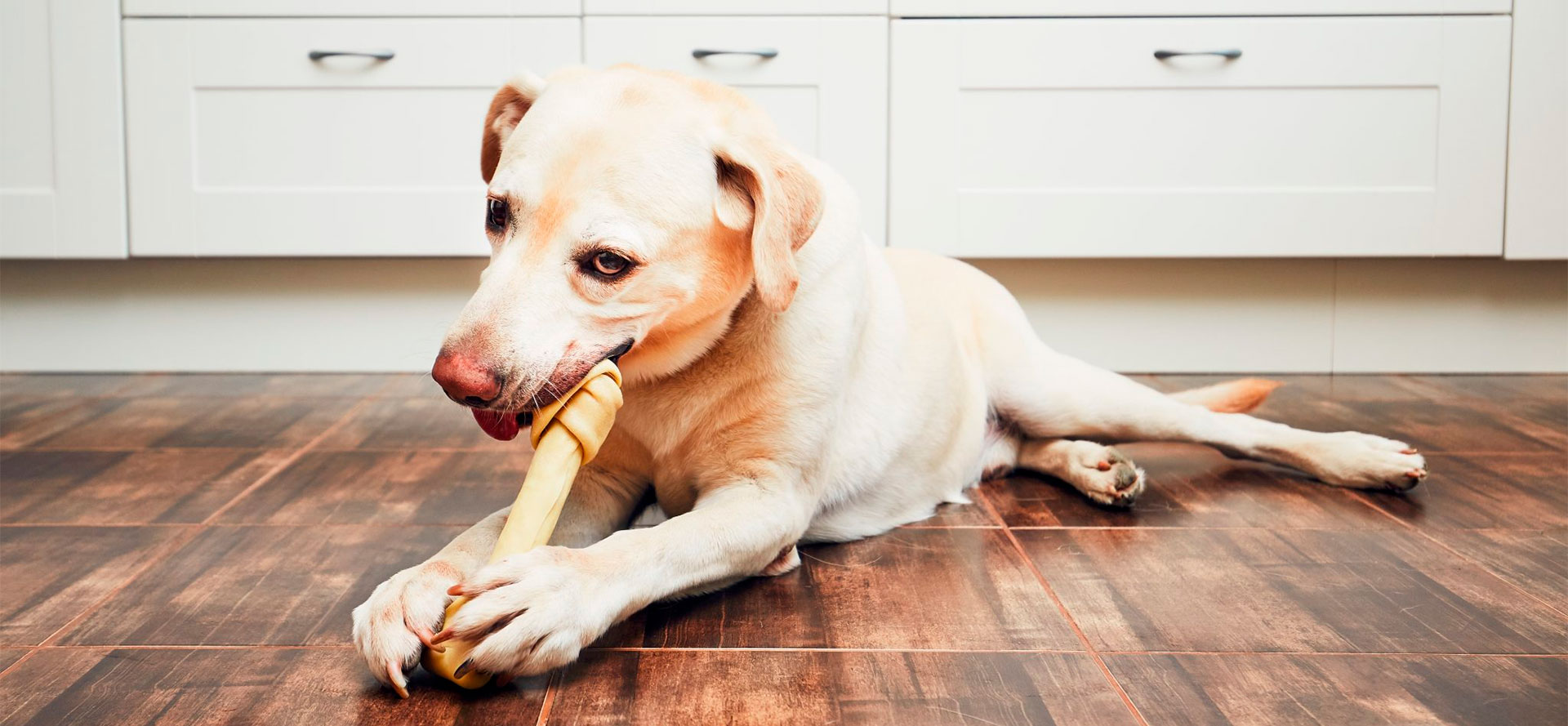
Why Dogs Like Bones: Evolutionary Biology, Nutrition, and Behavioral Science
Dogs like bones because of a combination of evolutionary biological drives, nutritional requirements, and psychological needs. As descendants of apex scavengers and hunters, dogs are biologically wired to seek out bone marrow for its h...
Dogs like bones because of a combination of evolutionary biological drives, nutritional requirements, and psychological needs. As descendants of apex scavengers and hunters, dogs are biologically wired to seek out bone marrow for its high fat and mineral content. Furthermore, the act of chewing releases endorphins in the brain, providing mental stimulation and stress relief while simultaneously assisting in mechanical dental cleaning.
Contents
The Evolutionary Heritage of the Hypercarnivore
To understand why dogs like bones in 2026, we must look back thousands of years to their ancestors, the gray wolves (Canis lupus). Modern dogs share approximately 99% of their DNA with wolves, and this genetic legacy dictates much of their behavior regarding food. Wolves are classified as "hypercarnivores," a term used by biologists to describe animals whose diets consist of more than 70% meat.
In the wild, a kill is not always immediate or guaranteed. Canines evolved as opportunistic feeders capable of consuming almost every part of a carcass. While the muscle meat provides protein, the bones offer a concentrated source of energy that remains viable long after the soft tissue has decayed or been consumed by other predators. The ability to crack open large femurs to access the nutrient-dense marrow gave ancient canines a significant survival advantage during periods of scarcity.
Evolution has equipped dogs with specialized dental morphology and powerful jaw musculature designed specifically for bone consumption. Their premolars and molars are shaped to act as shears and crushers. When a dog gnaws on a bone, they are engaging in a "fixed action pattern"—an instinctive behavioral sequence that has been preserved through domestic evolution because it was once essential for the species' survival.
The Nutritional Gold Mine: Marrow and Minerals
One of the primary reasons dogs are drawn to bones is the olfactory appeal of bone marrow. To a dog, a bone is not just a hard object; it is a pressurized vessel containing "yellow marrow" (primarily adipose tissue) and "red marrow" (where blood cells are produced).
Bone Marrow Composition
Bone marrow is exceptionally high in caloric density. For a scavenging ancestor, the fat found in marrow was a vital fuel source. In a modern context, dogs still perceive this high-fat scent as a high-value reward. Marrow contains essential fatty acids, including adiponectin, which has been linked to insulin sensitivity and fat breakdown in mammals.
The Mineral Matrix
The skeletal structure of the bone itself is composed of a mineralized matrix, primarily hydroxyapatite, which is rich in:
- Calcium: Essential for skeletal integrity, muscle contraction, and nerve signaling.
- Phosphorus: Critical for cell repair and the filtration of waste in the kidneys.
- Magnesium: Involved in over 300 enzymatic reactions in the canine body.
While modern commercial dog foods are formulated to provide these minerals in balanced ratios, the instinctual drive to seek them out in their raw, organic form remains. Dogs often "mouth" bones to taste these minerals, even if they cannot immediately consume the entire structure.
The Psychological Reward: Endorphins and the "Chew Drive"
Beyond nutrition, the "why" behind a dog's love for bones is deeply rooted in neurobiology. Chewing is a self-soothing behavior for dogs. When a dog engages in a prolonged chewing session, the pituitary gland and hypothalamus trigger the release of endorphins—specifically dopamine and serotonin.
This chemical release creates a state of mild euphoria and relaxation. This is why many owners notice their dogs become remarkably calm or even sleepy after 20 to 30 minutes of working on a bone. It is a productive outlet for energy that might otherwise manifest as anxiety or destructive chewing of household furniture.
In the veterinary community, this is often referred to as meeting the "biological fulfillment" of the animal. For a dog, chewing is a job. It requires focus, physical effort, and problem-solving skills (such as figuring out how to angle the jaw to reach a specific crevice). This mental "work" is just as exhausting and rewarding as a long walk, making bones a primary tool for environmental enrichment.
Dental Hygiene and Mechanical Abrasion
Dogs also like bones because they provide a tactile sensation that cleans the mouth. In 2026, veterinary dentistry continues to emphasize the role of mechanical abrasion in preventing periodontal disease. As a dog gnaws on a hard, porous surface, the material scrapes against the enamel of the teeth.
This scraping action helps to:
- Disrupt Biofilm: Before plaque hardens into tartar (calculus), it exists as a soft biofilm. The friction from a bone can remove this layer.
- Massage the Gingiva: Chewing increases blood flow to the gums, which supports overall oral tissue health.
- Exercise the Jaw: The masseter and temporal muscles require regular resistance training to maintain tone, especially in large-breed dogs.
However, it is important to note that not all bones are created equal for dental health. While some provide a "brushing" effect, others are too hard and can lead to slab fractures—a common injury where the side of a tooth shears off due to excessive force.
Comparative Analysis of Bone Types and Safety
Choosing the right bone is critical for safety. The following table compares common bone types available to dog owners in 2026, highlighting their benefits and inherent risks.
| Bone Type | Description | Primary Benefit | Risk Level | Notable Hazards |
|---|---|---|---|---|
| Raw Marrow Bones | Large, uncooked beef or bison femurs. | High nutritional value and longevity. | Moderate | Can cause tooth fractures if the dog is an aggressive chewer. |
| Cooked Bones | Leftovers from human meals (chicken, pork, beef). | Palatability. | Extremely High | Cooking changes bone structure, causing it to splinter and perforate the GI tract. |
| Recreational Raw Bones | Large knuckles or ribs with some meat attached. | Mental stimulation and dental scraping. | Low | Must be sized correctly to prevent swallowing/choking. |
| Synthetic Nylon Bones | Non-edible, bone-shaped chew toys. | Safety and durability. | Very Low | Risk of ingesting large plastic shards if the toy is damaged. |
| Dehydrated Chews | Bully sticks, ears, or "no-hide" alternatives. | High protein and fully digestible. | Low | Can be high in calories; potential for bacterial contamination. |
The Dangers of Cooked Bones: A Technical Explanation
The most common mistake pet owners make is offering "soup bones" or leftovers from a roast. From a technical standpoint, the heat of cooking (whether boiling, baking, or frying) denatures the collagen fibers within the bone matrix. In a raw bone, collagen provides a degree of flexibility and "give."
Once cooked, the bone becomes calcified and brittle. Instead of wearing down gradually under the pressure of canine teeth, a cooked bone is prone to "shattering" into needle-like shards. These shards can cause:
- Esophageal Lacerations: Tearing the lining of the throat during swallowing.
- Gastrointestinal Obstruction: Large fragments becoming lodged in the narrow sphincters of the stomach or intestines.
- Peritonitis: If a shard punctures the intestinal wall, bacteria and digestive matter can leak into the abdominal cavity, a life-threatening emergency.
For these reasons, the veterinary consensus in 2026 remains firm: only raw, size-appropriate recreational bones or veterinarian-approved synthetic alternatives should be provided.
FAQ: Understanding Canine Bone Behavior
Why does my dog try to bury their bones? This is an instinctive behavior known as "caching." In the wild, canines bury surplus food to protect it from scavengers and to keep it cool. The soil acts as a natural refrigerator, preserving the bone for a time when food is scarce. Even well-fed domestic dogs retain this "hoarding" instinct.
Are chicken bones actually dangerous for dogs? Raw chicken bones are generally soft and flexible, but cooked chicken bones are notoriously dangerous. Because bird bones are hollow (pneumatized) to allow for flight, they are thin-walled and splinter into extremely sharp points when cooked and chewed, posing a high risk of internal perforation.
Can puppies have bones? Puppies can benefit from soft, raw bones or rubber chew toys during the teething phase (usually 4 to 6 months of age). However, their permanent teeth and jaw structures are not fully developed. Owners should avoid hard marrow bones for puppies to prevent damaging their developing adult teeth.
What should I do if my dog swallows a large bone fragment? If the dog is not choking, monitor them closely for signs of distress, such as lethargy, vomiting, or abdominal pain. Do not induce vomiting, as a sharp fragment could cause more damage on the way back up. Contact a veterinarian immediately, as imaging (X-rays) may be required to track the fragment's progress through the digestive tract.
How long should I let my dog chew on a bone? It is recommended to limit bone sessions to 15–20 minutes at a time. This prevents excessive wear on the teeth and reduces the likelihood of digestive upset from consuming too much rich marrow at once. Always supervise your dog during these sessions to ensure they do not attempt to swallow large pieces.
Recommended Next Steps for Owners
To safely satisfy your dog's instinctual love for bones, follow a structured approach to selection and supervision. First, identify your dog's chewing style: are they a "nibbler" or a "power chewer"? For power chewers, opt for large, raw beef knuckles that are too big to fit entirely in the mouth. For more cautious chewers, a raw rib bone or a high-quality synthetic chew may be more appropriate.
Always inspect bones before and after use. If a bone becomes small enough to be swallowed whole, or if you notice any sharp edges or blood on the bone (indicating gum injury), remove it immediately. By aligning your dog's biological drives with modern safety standards, you can provide them with a rewarding, healthy, and mentally stimulating experience.
Image Gallery