How Much Money Do You Get to Donate Plasma in 2026: Complete Payout Guide
Plasma donation compensation ranges between $30 and $70 per standard appointment, while new donor promotional incentives consistently yield between $500 and $1,000 across your first month. Because commercial plasma collection facilitie...
Plasma donation compensation ranges between $30 and $70 per standard appointment, while new donor promotional incentives consistently yield between $500 and $1,000 across your first month. Because commercial plasma collection facilities operate under specialized biopharmaceutical models, your financial payout depends heavily on your body weight, donation frequency, geographic location, and active donor loyalty programs.
Contents
Understanding the mechanics of source plasma collection—medically known as plasmapheresis—clarifies why private companies compensate individuals for their time. Unlike whole blood donations handled by charitable organizations like the American Red Cross, source plasma collected by private biopharmaceutical corporations feeds commercial supply chains for therapies treating primary immunodeficiencies, hemophilia, and severe trauma. Consequently, donors are compensated for the extensive time commitment and physiological biological yield provided during each clinical visit.
Plasma Donation Compensation Rates in 2026
Base pay structures reflect a tiered payment model designed to reward consistency and optimize collection volumes within United States Food and Drug Administration (FDA) safety thresholds.
Average Payout per Visit
Returning donors who have completed initial promotional intake periods earn a predictable per-visit rate. Most centers split payments across a two-donation weekly cycle, offering higher compensation for the second visit within a rolling seven-day window:
- First Donation of the Week: Typically pays between $35 and $50.
- Second Donation of the Week: Typically steps up to between $55 and $85.
- Monthly Base Total: Donating twice weekly (the maximum permitted under federal regulations) generates between $360 and $540 per month.
New Donor Incentives and Bonuses
Private collection companies commit significant capital to acquire qualified donors. First-time donors undergo extensive physical screenings, complete comprehensive health questionnaires, and submit to communicable disease testing before their collected plasma can enter production fractions.
To offset this upfront investment of donor time, leading centers offer introductory bonuses structured across a sequence:
- First Month Packages: Total bonuses range from $600 to $1,000, distributed across the first six to eight successful appointments.
- Milestone Payouts: Individual visits during the promotional window frequently pay out at $75 to $125 per session, provided the full series is completed within thirty to forty-five calendar days.
- Lapsed Donor Reactivation: Donors who have remained inactive for six months or longer frequently receive targeted return offers mirroring new donor payouts.
2026 Compensation Comparison: Major Plasma Donation Networks
Collection networks adjust their payouts dynamically based on local operational overhead, regional living costs, and industrial protein inventory requirements. The following figures reflect verified compensation frameworks across the primary nationwide operators:
| Operator Network | Average Pay Per Standard Visit | New Donor First-Month Range | Typical Payment Method | Frequency Cap |
|---|---|---|---|---|
| CSL Plasma | $40 – $75 | $650 – $900 | CSL Plasma Reloadable Prepaid Card | 2 times per 7-day period (min. 48 hours apart) |
| BioLife Plasma Services | $40 – $80 | $700 – $1,000 | BioLife Prepaid Mastercard | 2 times per 7-day period (min. 48 hours apart) |
| Grifols (Biomat USA / Talecris) | $35 – $70 | $550 – $850 | Grifols Prepaid Visa Card | 2 times per 7-day period (min. 48 hours apart) |
| Octapharma Plasma | $45 – $75 | $600 – $900 | Octapharma Prepaid Card | 2 times per 7-day period (min. 48 hours apart) |
| Kedplasma | $35 – $65 | $500 – $800 | Wirecard / Paysign Debit Card | 2 times per 7-day period (min. 48 hours apart) |
Factors That Dictate Your Total Payout
Plasma centers do not apply a flat compensation rate to all participants. Variable operational, biological, and promotional criteria determine the balance transferred to your card upon disconnection from the apheresis machine.
Body Weight and Fluid Volume Tiers
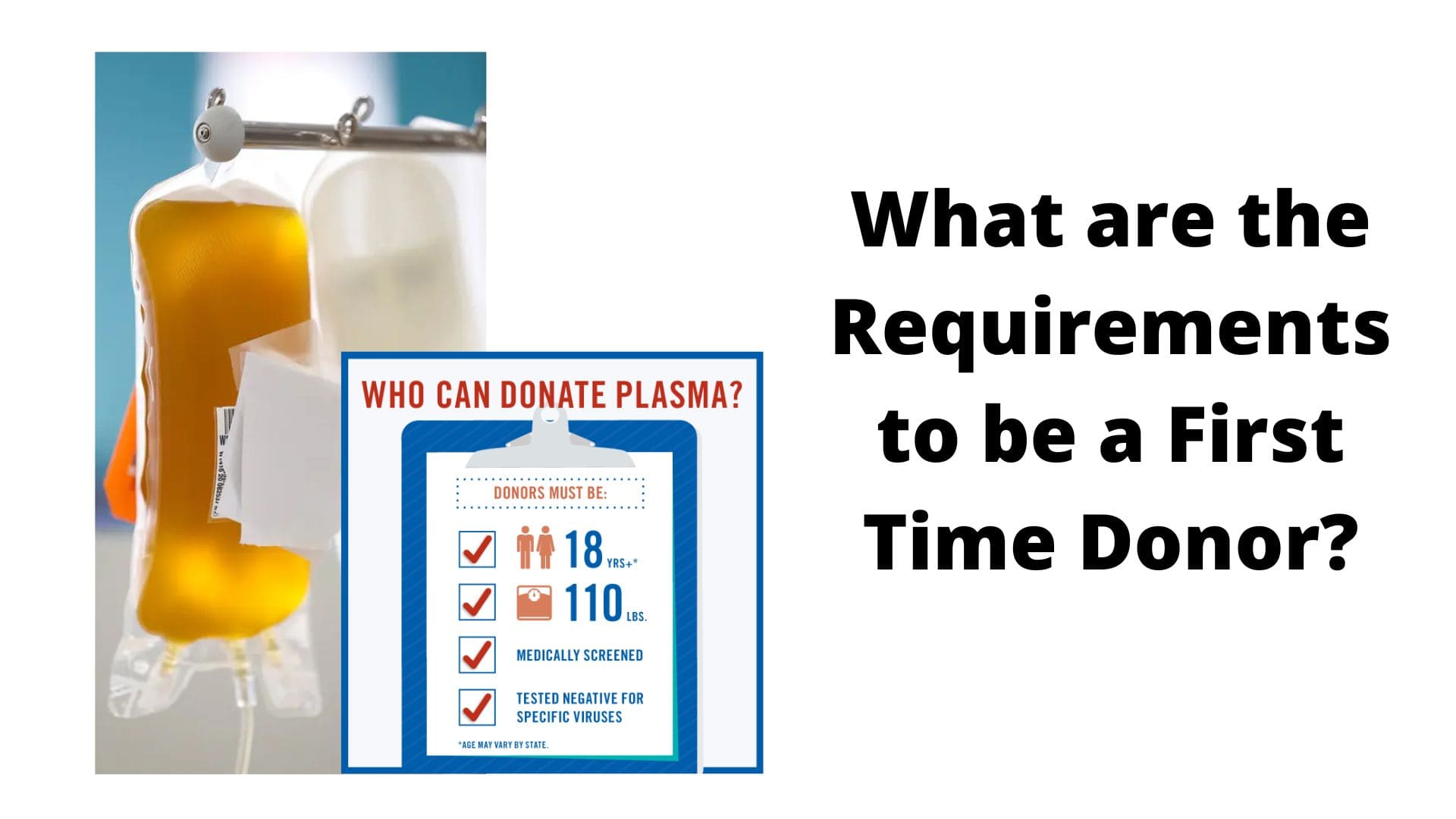
Federal regulations established by the Code of Federal Regulations (21 CFR 640.65) dictate maximum safe plasma collection limits based exclusively on the donor's weight. Because higher body weights correlate to greater total blood volume, centers extract more plasma from heavier individuals:
- Tier 1 (110 to 149 lbs): Donors provide approximately 690 mL of plasma. These donors occupy the lowest pay tier.
- Tier 2 (150 to 174 lbs): Donors provide approximately 825 mL of plasma. Payments typically increase by $5 to $10 per session relative to Tier 1.
- Tier 3 (175 to 400 lbs): Donors provide approximately 880 mL of plasma. Donors in this tier command top-rate compensation because they yield the greatest therapeutic volume per cycle.
Donation Frequency and Adherence
The FDA allows an individual to donate source plasma up to twice within a rolling seven-day calendar window, mandating at least 48 hours between collection procedures. Plasma proteins and cellular fluids replenish rapidly, but operational logistics require steady compliance.
Collection centers structure compensation to penalize irregular attendance. Missing the second weekly appointment forfeits the higher-tier payment step-up, reducing your effective hourly return.
Specialized Antibodies and Specialty Programs
Individuals possessing elevated titers of specific immune proteins command premium payments exceeding typical consumer donor rates.
- Anti-D (Rh Negative Program): Rh-negative mothers or sensitized individuals who develop Anti-D antibodies (essential for manufacturing RhoGAM to prevent hemolytic disease of the newborn) can earn between $200 and $500 per visit.
- Tetanus and Rabies Hyperimmune: Individuals recently vaccinated or possessing sustained high-titer antibodies against specific pathogens often qualify for proprietary specialty programs with dedicated bonus pay structures.
- Hepatitis B Surface Antigen: Monitored programs seeking plasma containing specific antibodies for intravenous immunoglobulin therapies yield payouts significantly above baseline commercial rates.
Step-by-Step Plasma Donation Process
Entering a plasma center for the first time involves strict clinical governance to safeguard donor health and maintain biological batch sterility. Expect your inaugural appointment to last between two and two-and-a-half hours, while return donations run forty-five to seventy minutes.
- Check-In and Identity Verification: You must present a valid government-issued photo ID, proof of your Social Security Number (or TIN card), and documentation proving your current permanent address within the center's designated geographic draw zone.
- Pre-Donation Medical Triage: A technician checks your baseline vitals:
- Blood Pressure: Systolic between 90–180 mmHg; Diastolic between 50–100 mmHg.
- Pulse: Regular, between 50 and 100 beats per minute.
- Temperature: At or below 99.5 degrees Fahrenheit.
- Hematocrit (Red Blood Cell Ratio): Must clear 38% to 54% via fingerstick capillary tube centrifuge.
- Total Protein: Refractometer readings must verify serum protein levels between 6.0 and 9.0 g/dL.
- Comprehensive Physical Examination: First-time donors and those completing mandatory annual updates meet with a physician, nurse practitioner, or designated medical professional. This includes heart and lung auscultation, abdominal palpation, basic neurological evaluations, and injection site skin checks to verify vein health and screen for illicit intravenous drug markers.
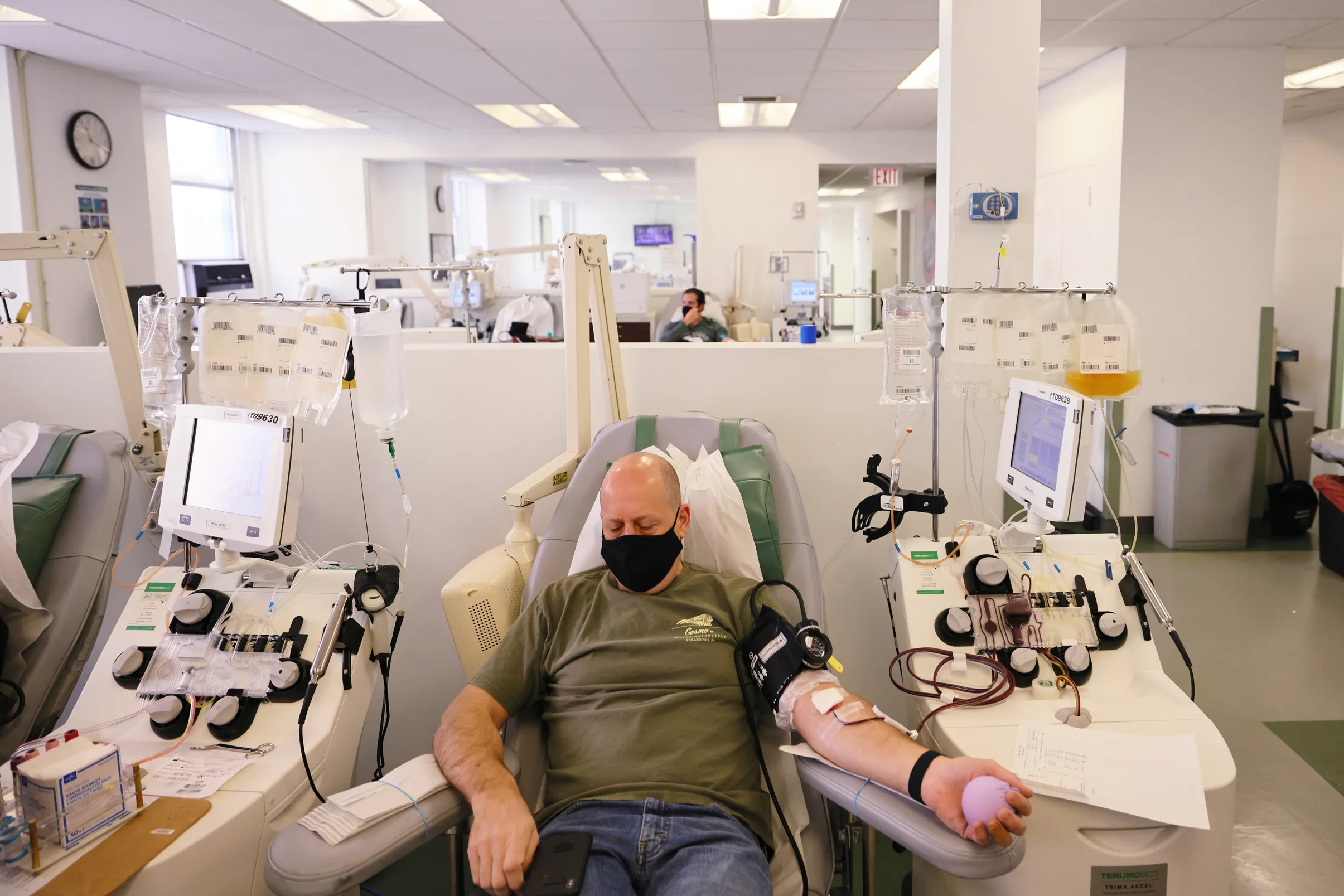
- Apheresis Phlebotomy: You are escorted to a donor bed where an automated plasmapheresis machine (such as a Haemonetics or Fenwal system) connects via a single venipuncture. Whole blood is drawn into an anticoagulant-primed centrifugal centrifuge bowl.
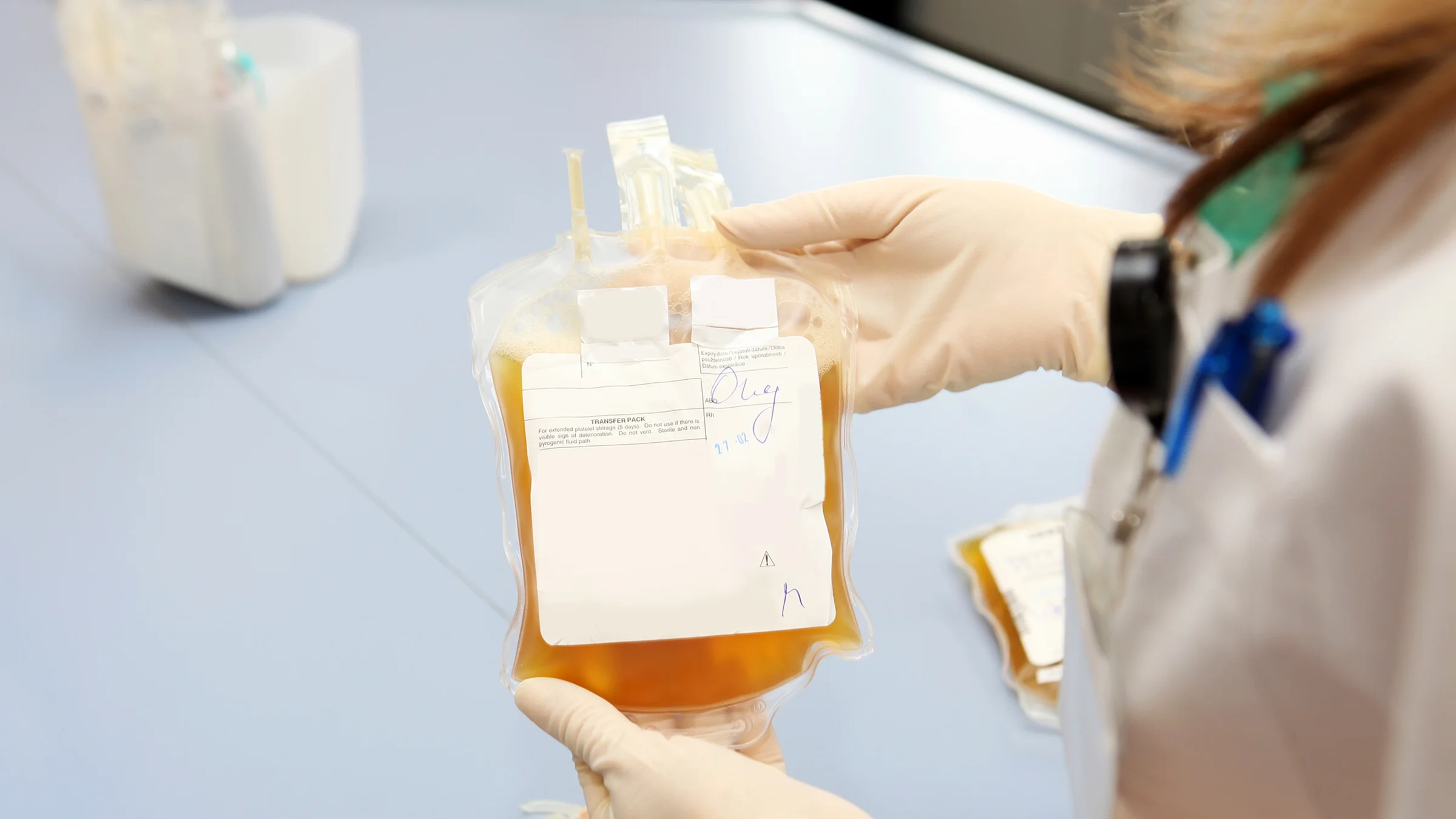
- Component Separation and Return: The machine isolates yellow plasma into a separate collection bag and pumps red blood cells, platelets, and white cells back into your bloodstream along with a sterile saline solution replacement to preserve vascular volume.
- Card Loading and Rest Period: Upon disconnection and dressing of the venipuncture site, the clinical software logs the successful batch, immediately issuing an automated funds transfer to your center-issued prepaid debit card. You are instructed to spend ten to fifteen minutes in a hydration recovery area before departing.
Financial and Lifestyle Analysis: Is Plasma Donation Worth It?
Assessing plasma donation as a supplemental income stream involves analyzing physical toll versus financial return.
Financial Advantages
- Immediate Liquidity: Funds are loaded to a prepaid debit card within minutes of completing the apheresis cycle, bypassing traditional multi-day payroll delays.
- Reliable Side Revenue: Maintaining a disciplined, two-visit weekly routine reliably supplements cash flow by $400 to $600 monthly, tax-advantaged in tracking compared to direct W-2 employment withholding.
- Continuous Health Monitoring: Donors receive bi-weekly vital sign readings, protein concentration checks, and frequent non-diagnostic laboratory screenings for infectious diseases including HIV, Hepatitis B, and Hepatitis C.
Physical and Practical Drawbacks
- Time Consumption: When accounting for travel, check-in waiting queues, physical screenings, and apheresis processing, regular donors commit three to six hours per week to the process.
- Vein Integrity and Scarring: Continuous venipunctures with large-gauge needles (typically 16-gauge or 17-gauge to prevent hemolysis during cell separation) can cause cutaneous scar tissue build-up, localized hematomas, and vein collapse over extended periods.
- Systemic Fatigue and Dehydration: Citrate reaction, temporary low-protein levels, and rapid fluid redistribution can induce dizziness, nausea, prolonged physical lethargy, or tingling sensations in the extremities if nutrition and fluid intake are sub-optimal.
Physical Optimization: Maximizing Safety and Payout Efficiency
Operational delays, low-volume collections, or failed screening tests forfeit your compensation for the day. Applying technical protocols ensures rapid, complication-free collection sessions:
Clinical Preparation Standards
Fluid Hydration Protocol: Consume 64 to 96 ounces of water or electrolyte-supplemented fluids beginning 24 hours prior to your scheduled appointment. Plasma is over 90% water; dehydration slows machine cycle speeds, elevates hematocrit falsely past permissible cutoffs, and drastically prolongs bed time.
Protein-Dense Diet: Maintain daily intake of lean proteins such as poultry, eggs, beans, or Greek yogurt. Centers immediately defer any individual whose total serum protein falls below 6.0 g/dL on fingerstick refractometry tests.
Avoid High-Fat Meals: Refrain from consuming greasy, high-fat foods within three to four hours of phlebotomy. Elevated circulating lipid levels generate lipemic plasma—a cloudy, milky serum state that forces technicians to abort the donation, defer the individual, and discard the batch.
Eliminate Vasoconstrictors: Avoid caffeine and tobacco products for two hours before screening. Both compounds act as vasoconstrictors and elevate resting pulse and blood pressure, triggering automatic software deferrals during preliminary vitals checks.
Frequently Asked Questions
How much do you get paid the very first time you donate plasma?
First-time plasma donors typically earn between $75 and $125 for their initial visit under active promotional structures. Centers back-load or distribute higher payments across your first month, allowing new donors who fulfill five to eight appointments within thirty to forty-five days to collect total compensation between $500 and $1,000.
Are payments for plasma donations considered taxable income?
Yes, compensation received for plasma donation is considered taxable gross income under Internal Revenue Service (IRS) regulations. Collection centers generally do not withhold taxes directly, nor do they automatically issue a Form 1099-MISC or 1099-NEC unless total cumulative annual compensation from that specific company reaches or exceeds federal reporting thresholds; however, taxpayers remain legally responsible for declaring all income on their annual returns.
Why do heavier individuals receive more money for donating?
Heavier individuals get paid more because FDA regulations permit centers to collect a larger volume of source plasma from donors with higher total circulating blood volumes. Collection volumes step upward across weight tiers (110–149 lbs, 150–174 lbs, and 175+ lbs), and centers pay higher compensation for the additional therapeutic material harvested during the same apheresis machine cycle.
What causes a temporary or permanent deferral from donating plasma?
Low hematocrit levels, insufficient total protein readings, high blood pressure, and low body weight (under 110 lbs) are the most frequent causes of temporary one-day deferrals. Permanent deferrals stem from reactive viral markers (such as positive tests for HIV or Hepatitis B/C), history of specific blood-borne malignancies, cardiovascular complications, or tissue conditions that make repeat venipuncture medically unsafe.
How are plasma donation funds disbursed to the donor?
Compensation is loaded electronically onto a reloadable, center-branded prepaid debit card (provided by networks such as Paysign, Onbe, or North Lane) within twenty minutes of the appointment's conclusion. These debit cards function on major networks like Visa or Mastercard, allowing immediate automated teller machine (ATM) cash withdrawals, online transactions, or direct merchant point-of-sale spending.
Maximizing Your Plasma Earnings
Monetizing plasma donation relies on strategic planning, physiological preparation, and disciplined adherence to promotional schedules. If you are preparing to donate, locate multiple FDA-licensed commercial collection facilities within your municipal radius, compare active first-month bonus structures, and align your appointments to maximize second-visit weekly incentives while prioritizing proper hydration, balanced nutrition, and safe vascular rest.
Image Gallery