The Ultimate Guide to Two Layer Braids: Styles, Maintenance, and Expert Techniques for 2026
Two layer braids have established themselves as a premier protective hairstyle, combining structural versatility with striking aesthetic appeal. As braiding techniques evolve, mastering this intricate style requires precision, proper h...
Two layer braids have established themselves as a premier protective hairstyle, combining structural versatility with striking aesthetic appeal. As braiding techniques evolve, mastering this intricate style requires precision, proper hair preparation, and advanced maintenance strategies. This comprehensive guide details everything you need to know about executing, wearing, and maintaining two layer braids in 2026.
Contents
Understanding the Anatomy of Two Layer Braids
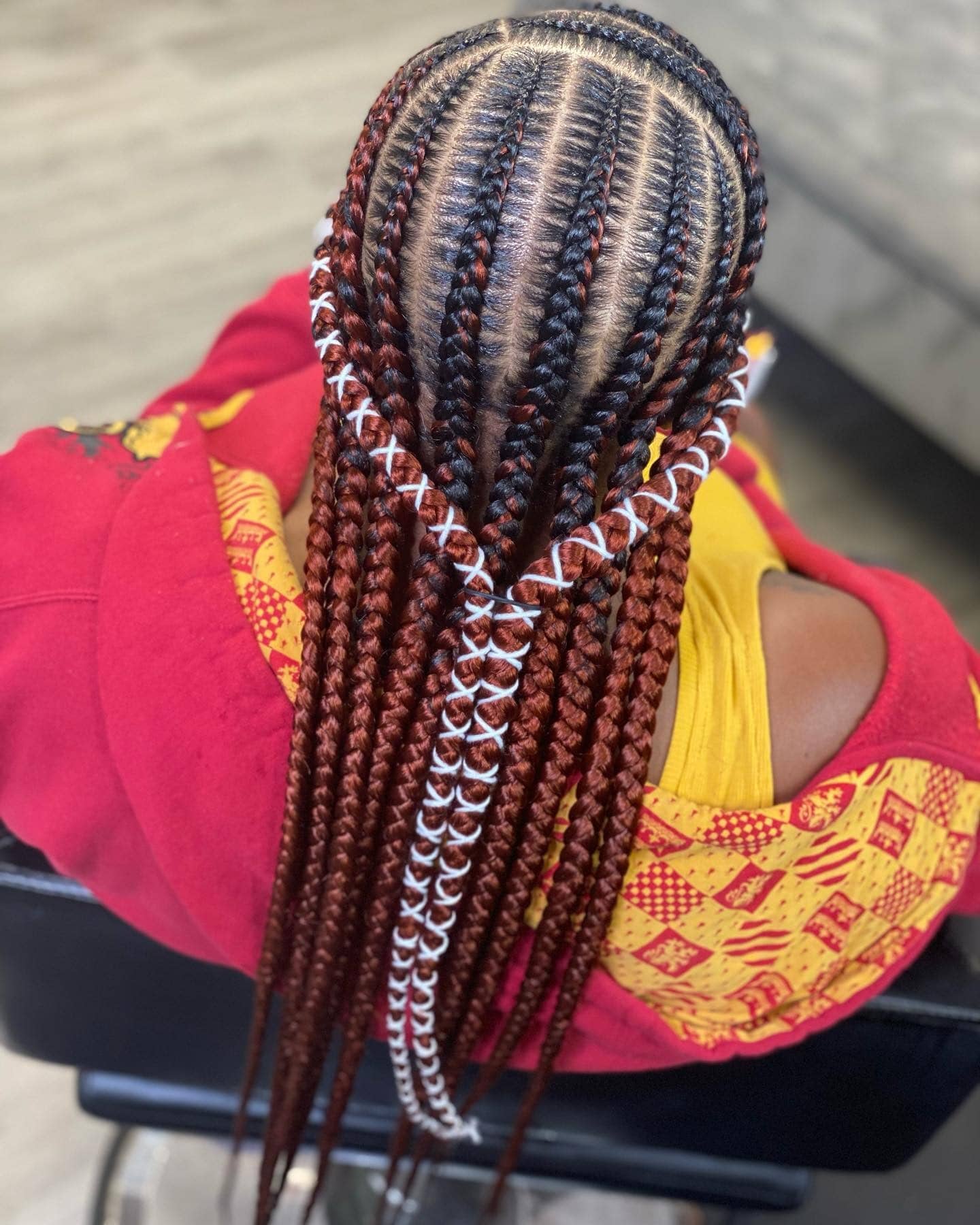
The distinctive architecture of two layer braids relies on a segmented parting method that stacks or splits hair into two distinct tiers. Typically, the top layer consists of cornrows, stitch braids, or feed-in braids styled flat against the scalp, while the bottom layer flows freely as box braids, knotless braids, or loose waves.
Achieving structural integrity in this style demands careful tension control. Stylists must evaluate scalp sensitivity and hair density before executing the initial partings. Improper tension during the foundation phase can lead to traction alopecia or severe discomfort.
- Top Layer Foundation: Usually executed using a clean, geometric parting grid such as squares, triangles, or zig-zags to enhance visual contrast.
- Bottom Layer Integration: Seamlessly blended with synthetic or human braiding hair to add length, volume, and color dimensions without overwhelming the natural roots.
- Transition Zones: The area where the top layer feeds into the bottom layer, requiring specialized securing techniques to prevent premature unraveling.
Essential Preparation and Required Tools
Proper preparation minimizes hair breakage and extends the lifespan of the style. Natural hair must undergo a thorough cleansing and conditioning process to ensure maximum moisture retention before synthetic fibers are introduced.
Professional Preparation Note: Always clarify the hair using a chelating shampoo to remove mineral deposits and product buildup. Follow up with a deep protein-moisture balancing treatment at least 48 hours prior to braiding to strengthen the hair shaft against mechanical stress.
Tool Checklist for Professional Execution
- Rat-Tail Comb: Essential for executing razor-sharp, clean partings that define the two distinct layers.
- Edge Control and Styling Gel: High-hold, flaking-free formulas to lay down flyaways and secure the top cornrow layer.
- Pre-Stretched Braiding Hair: Minimizes preparation time and prevents blunt ends that tangle easily.
- Mousse and Handheld Dryer: Used post-installation to set the braids and eliminate frizz.
Step-by-Step Installation Methodology
Executing flawless two layer braids requires a methodical workflow that separates the foundation design from the hanging extensions. Follow this step-by-step breakdown for optimal results.
Phase 1: Sectioning and Parting
Begin by dividing the head horizontally from ear to ear, separating the top section from the bottom section. Clip the bottom section completely out of the way. On the top section, map out your desired cornrow or stitch braid pattern using a rat-tail comb. Ensure the parts are crisp, as the geometry of the top layer dictates the overall cleanliness of the finished look.
Phase 2: Constructing the Top Layer
Apply a small amount of styling gel along the parted lines. Begin braiding the top layer from the hairline backward, utilizing the feed-in method to add synthetic hair gradually for a natural look. Feed-in braids distribute weight evenly across the scalp, reducing localized tension. Continue this process until all top-layer cornrows reach the designated transition point near the crown or nape.
Phase 3: Securing and Blending the Bottom Layer
Unclip the bottom section and partition it according to your desired size (medium box braids or knotless braids are standard). Incorporate the ends of the top cornrows directly into the upper rows of the bottom layer, or secure them neatly beneath the hanging extensions using a crochet hook and knotting technique. Ensure that the transition is seamless and free of bulky bumps.
Comprehensive Comparison: Two Layer Styles vs. Traditional Styles
| Feature | Two Layer Braids | Traditional Box Braids | Traditional Cornrows |
|---|---|---|---|
| Versatility | High; allows for half-up, half-down styling and varied parting patterns. | Moderate; restricted primarily to hanging styles or ponytails. | Low to Moderate; limited to scalp designs. |
| Installation Time | 4 to 7 hours depending on complexity and length. | 5 to 8 hours depending on parting size. | 2 to 4 hours. |
| Tension Level | Moderate to High at the transition zones; requires expert execution. | Uniform tension across the scalp. | High localized tension along the braid tracks. |
| Maintenance Ease | Moderate; requires targeted scalp cleansing for the top layer. | Easy; full scalp access for oiling and washing. | High; easy to access the entire scalp. |
Advanced Maintenance and Longevity Protocols
Maintaining two layer braids for 6 to 8 weeks requires a disciplined regimen focused on moisture balance and scalp hygiene. Because the top layer sits flat against the scalp while the bottom layer hangs freely, care routines must address both areas differently.
- Scalp Cleansing: Use a cotton ball soaked in witch hazel or a specialized scalp cleanser to wipe down the exposed parts of the top layer weekly.
- Hydration Sprays: Apply a lightweight, alcohol-free leave-in conditioning spray to the roots and lengths every 2 to 3 days to prevent brittleness.
- Nighttime Protection: Always tie down the top layer with a satin or silk scarf, and place the hanging bottom layer into a loose, low satin bonnet to minimize friction-induced frizz.
Pros and Cons of Two Layer Braids
Advantages
- Unique Aesthetic: Offers a dynamic, multi-dimensional look that stands out from standard protective styles.
- Styling Flexibility: The combination of cornrows and hanging braids permits numerous updo and half-up configurations.
- Reduced Bulk: Distributes hair weight more strategically than traditional full-head box braids.
Disadvantages
- Complex Removal: The integration points between the top and bottom layers require patience during takedown to avoid cutting natural hair.
- Tension Risks: Poorly executed transition points can cause localized breakage if the weight of the bottom layer pulls too heavily on the cornrow anchors.
- Longer Salon Hours: The intricate parting and dual-layer structure demand extended time in the stylist's chair.
Frequently Asked Questions
How long do two layer braids typically last?
Two layer braids generally last between 4 to 8 weeks when properly maintained and protected at night. Regular upkeep of the edges and scalp will help maximize their lifespan without causing excessive new-growth tangling.
Can I wash my hair while wearing two layer braids?
Yes, you can wash your hair by diluting a sulfate-free shampoo in an applicator bottle, massaging it gently along the scalp and top layer, and rinsing thoroughly with lukewarm water. Ensure the hair is completely dried under a hooded dryer afterward to prevent mildew or odor.
Are two layer braids heavy on the scalp?
They can feel slightly heavier than traditional styles if dense synthetic hair is used in excessive quantities. Opting for lightweight, pre-stretched kanekalon hair or human hair blends significantly reduces scalp strain.
Do two layer braids cause hair breakage?
They do not cause breakage when installed by a professional who manages tension correctly and ensures the natural hair is strong and well-moisturized. Breakage only occurs due to excessive tightness, prolonged wear past 8 weeks, or improper removal.
How do I prevent frizz on the top cornrows?
Applying a firm-hold styling foam, wrapping the hair tightly with a silk scarf, and sitting under a hooded dryer for 15 minutes will instantly smooth down flyaways and refresh the top layer.
Professional Consultation and Booking
To achieve flawless, scalp-safe two layer braids tailored to your hair density and texture, schedule a consultation with a certified professional stylist today. Ensure your natural hair is clean, detangled, and primed for styling to guarantee the best possible foundation for your protective journey.
Image Gallery