The Historical and Legal Status of JFK Autopsy Photos in 2026
The search for John F. Kennedy autopsy materials remains a focal point of historical inquiry, forensic interest, and archival research. This article examines the provenance, legal status, and current accessibility of these records in 2...
The search for John F. Kennedy autopsy materials remains a focal point of historical inquiry, forensic interest, and archival research. This article examines the provenance, legal status, and current accessibility of these records in 2026.
Contents
Understanding the Legal Status and Archival Custody
The autopsy photographs and X-rays of President John F. Kennedy are not public domain records. They are governed by specific legal agreements executed between the Kennedy family and the United States government. As of 2026, the materials remain under the strict custodial control of the National Archives and Records Administration (NARA).
The legal framework is anchored in a 1966 deed of gift. Under this agreement, the Kennedy family donated the materials to the National Archives, but imposed restrictive conditions on their public release to ensure dignity and privacy. These restrictions have been periodically reviewed by subsequent presidential administrations and historical boards. As of 2026, the materials are classified as restricted records, meaning they are exempt from standard Freedom of Information Act (FOIA) releases that apply to most other federal documentation related to the assassination.
Forensic Significance and Modern Analytical Approaches
From a forensic perspective, the autopsy records represent a case study in mid-20th-century medico-legal standards. While forensic pathology has advanced significantly by 2026, the primary debate regarding these records centers on the interpretation of the ballistic evidence and the anatomical documentation provided by the pathologists at Bethesda Naval Hospital in 1963.
Modern forensic researchers utilize high-resolution digital imaging and 3D reconstruction technologies to analyze the data reported in the autopsy findings. Because the original physical evidence is restricted, researchers rely on peer-reviewed forensic studies, the Warren Commission reports, and the findings of the House Select Committee on Assassinations (HSCA) to reconstruct the events.
Comparative Analysis of Investigative Milestones
The following table outlines the status of investigative bodies and their relationship to the autopsy documentation.
| Entity | Primary Focus | Access Status (2026) |
|---|---|---|
| Warren Commission | Investigative findings | Publicly accessible records |
| HSCA (1970s) | Re-examination of evidence | Publicly accessible reports |
| ARRB (1990s) | Document declassification | Publicly accessible indices |
| Current Researchers | Forensic validation | Restricted (Materials held by NARA) |
Institutional Guidelines for Researchers
Researchers attempting to verify details regarding the JFK autopsy must navigate the complex administrative requirements set forth by NARA. There is no legitimate pathway for private individuals to view the physical or original digital autopsy photographs in 2026.
Important Regulatory Note: The National Archives maintains an active digital catalog of declassified records. While the autopsy photographs themselves are restricted, millions of pages of supporting forensic documentation, internal memos, and peripheral medical records are available through the NARA online portal. Researchers are advised to use the official NARA Discovery Catalog rather than third-party repositories, which may contain unverified or manipulated versions of the files.
Technical Standards for Historical Data Verification
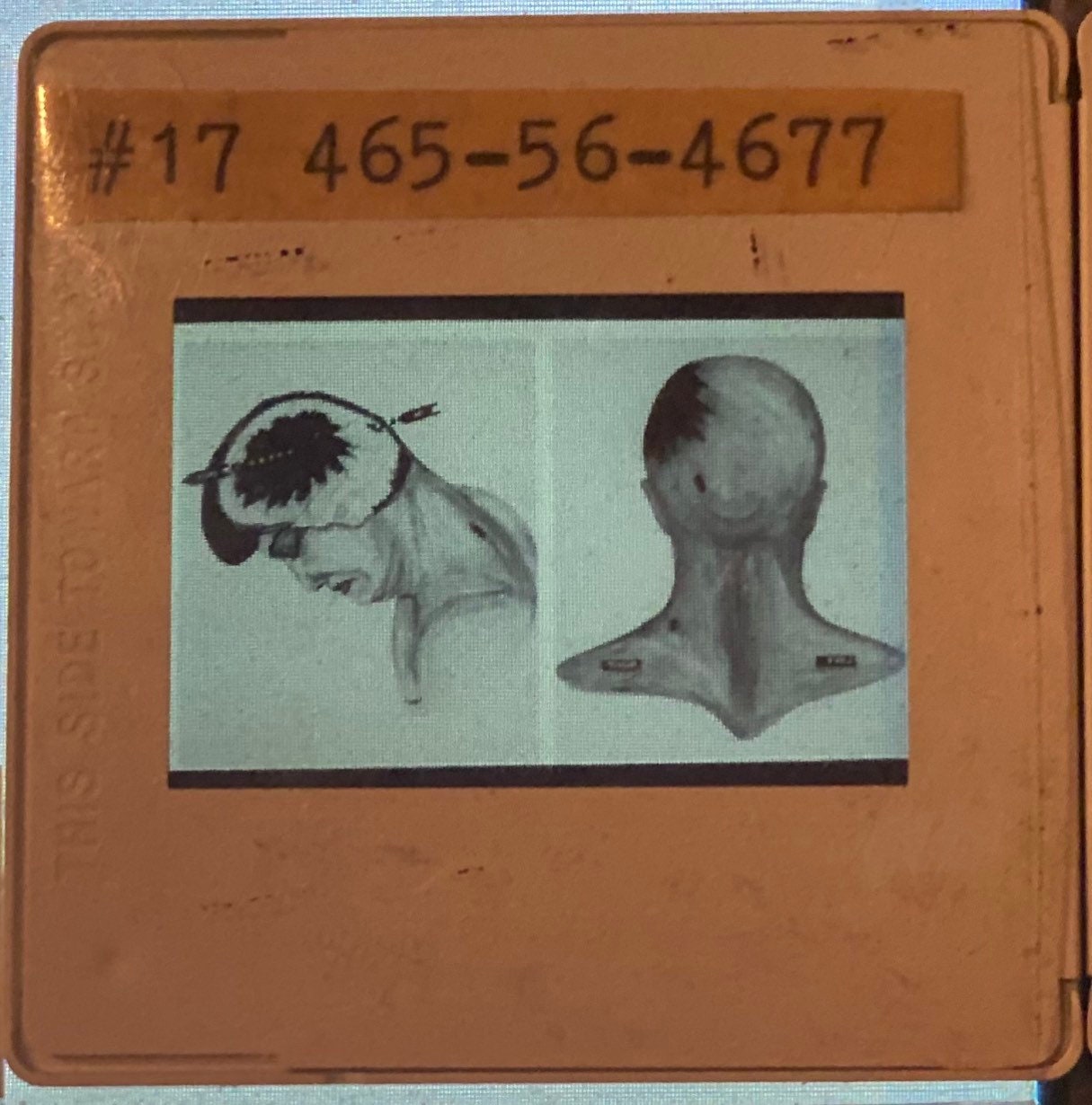
In the context of 2026 digital integrity, it is essential to distinguish between official records and non-official reconstructions. Many images circulating on the internet are illustrative reconstructions, artistic renderings, or modified versions of the public-record sketches.
- Verify the source: Ensure all data is sourced from NARA or confirmed institutional repositories.
- Cross-reference: Use the HSCA (House Select Committee on Assassinations) volumes as the primary forensic reference point.
- Metadata checks: When reviewing documents, look for the official NARA provenance stamps to confirm the document has not been altered.
Addressing Common Inquiries
For those investigating the medical aspects of the assassination, several core questions arise regarding the validity and handling of the evidence.
Who maintains physical custody of the autopsy photos?
The National Archives and Records Administration (NARA) holds the materials in a secure facility under the specific terms of the 1966 deed of gift. They are not available for public inspection.
Are there any legally accessible digital scans?
No official digital scans of the autopsy photographs are currently authorized for public release by the National Archives. Any image claiming to be a "leaked" official photograph is considered non-authentic in the context of forensic evidence.
Why do some sources claim the photos show something different than the official reports?
Discrepancies in public discourse often stem from the interpretation of drawings and sketches produced during the HSCA, rather than the original photographs. Scientific analysis in 2026 focuses on the distinction between contemporary forensic interpretation and historical documentation.
How can a researcher access relevant medical documents?
Researchers should utilize the NARA Online Public Access (OPA) system, which houses the JFK Assassination Records Collection. This collection contains the vast majority of medical reports, witness testimonies, and expert evaluations surrounding the case.
Is the status of these records expected to change in 2026?
There are no current legislative mandates or court orders in 2026 that change the privacy provisions established in the original deed of gift between the Kennedy family and the United States government.
Professional Recommendations for Historical Inquiry
For individuals conducting serious research, the most productive path forward involves focusing on the published medical testimony and the official forensic reports available within the National Archives. Relying on speculative or unverified media leads to analytical errors.
If you are a student or professional researcher, utilize the official records found within the federal archives to build your evidentiary framework. By prioritizing primary documentation over secondary interpretation, you ensure your research remains aligned with established historical standards. Explore the comprehensive JFK Assassination Records Collection through the National Archives online portal to access the most accurate and verified data available to the public in 2026.
Image Gallery