A Comprehensive Guide to The Walking Dead: Daryl Dixon Spin-Off Series
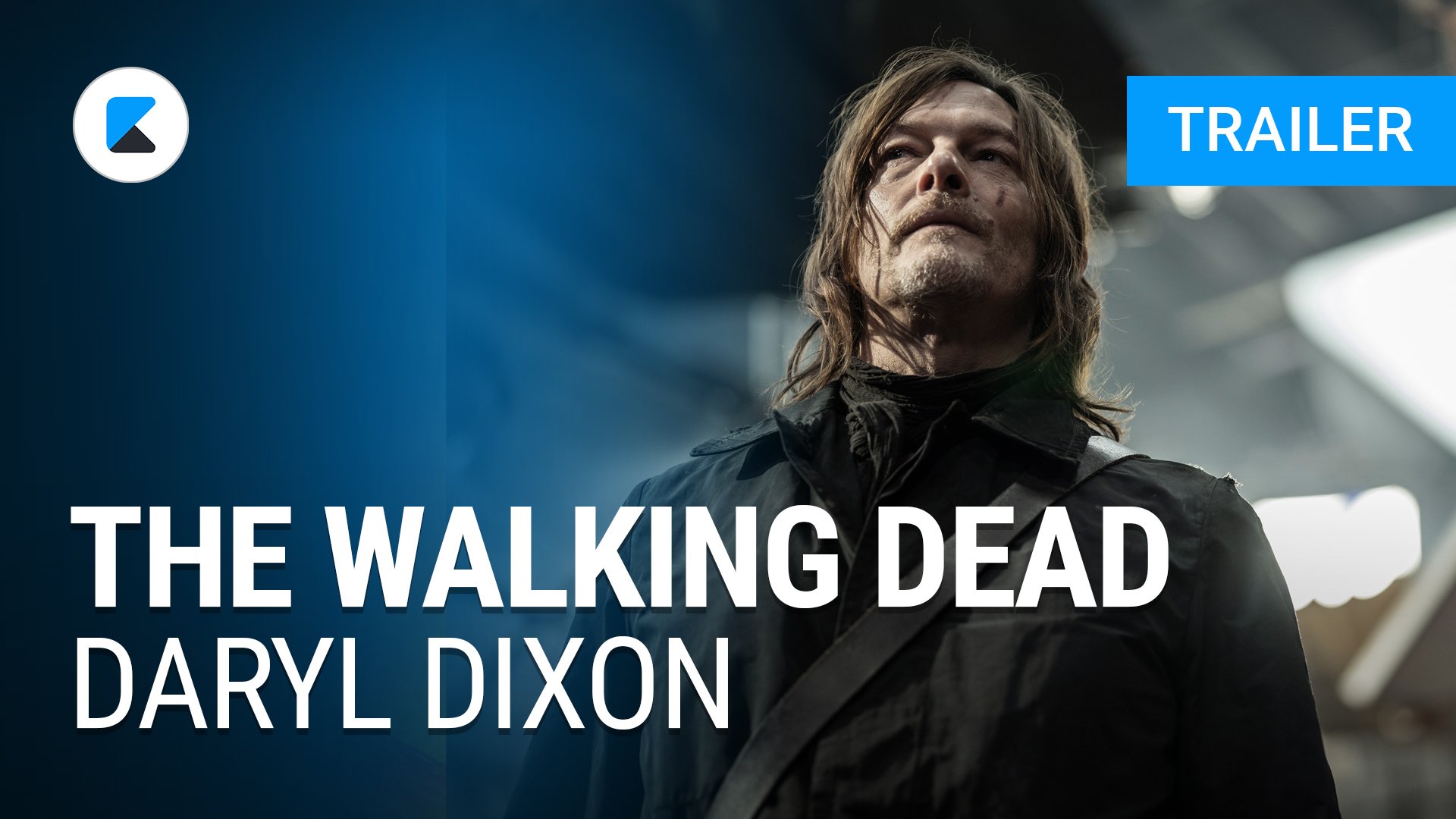
The Walking Dead: Daryl Dixon is a direct television spin-off within The Walking Dead franchise, following Daryl Dixon’s journey after he washes ashore in France. The series explores his quest to understand how he arrived in Europe and...
The Walking Dead: Daryl Dixon is a direct television spin-off within The Walking Dead franchise, following Daryl Dixon’s journey after he washes ashore in France. The series explores his quest to understand how he arrived in Europe and his eventual mission to protect a young boy believed to be central to humanity's survival, effectively expanding the franchise’s post-apocalyptic narrative into an international setting.
Contents
The Origins and Development of the Daryl Dixon Series
The Walking Dead: Daryl Dixon emerged as one of several critical expansion projects for AMC following the conclusion of the original flagship series. Announced initially as a project focusing on both Daryl and Carol Peletier, the creative trajectory shifted during pre-production to focus specifically on Daryl's solo journey through the European theater. This shift was motivated by the desire to examine how the global walker phenomenon, previously only viewed through the lens of the North American landscape, manifested in different cultural and geographic environments.
As a production, the series moved away from the agrarian and urban decay tropes of the American South, instead utilizing the distinct architecture, history, and rural terrain of France. This relocation serves as a narrative device to keep the character of Daryl Dixon—a survivalist who thrives in isolation—in an environment where he is fundamentally an outsider. The series is developed by showrunner David Zabel and remains a cornerstone of the post-2022 expansion of The Walking Dead Universe (TWDU).
Plot Overview and Narrative Arc
The series begins with the protagonist, Daryl Dixon, waking up on the coast of France. His arrival is shrouded in mystery, and he possesses no initial understanding of how he transitioned from the Commonwealth in the United States to the European continent. As he traverses the countryside, he encounters various factions, remnants of the French government, and a religious order known as the Union of Hope.
The core narrative conflict involves a young boy named Laurent. He is a member of the Union of Hope, and his caretakers believe he is the key to humanity's future salvation. This setup introduces a "protect the child" trope that contrasts sharply with the gritty, individualistic survivalism Daryl practiced during his time with Rick Grimes and the Alexandria community. Throughout his journey, Daryl must navigate the complex, fractured political landscape of post-outbreak France, where historical monuments and cathedrals have become the new fortifications against the undead.
Key Characters and Cast Dynamics
The strength of the series relies heavily on the performance of Norman Reedus, who continues his tenure as the titular character. However, the show introduces a robust supporting cast that shifts the power dynamics compared to the original series:
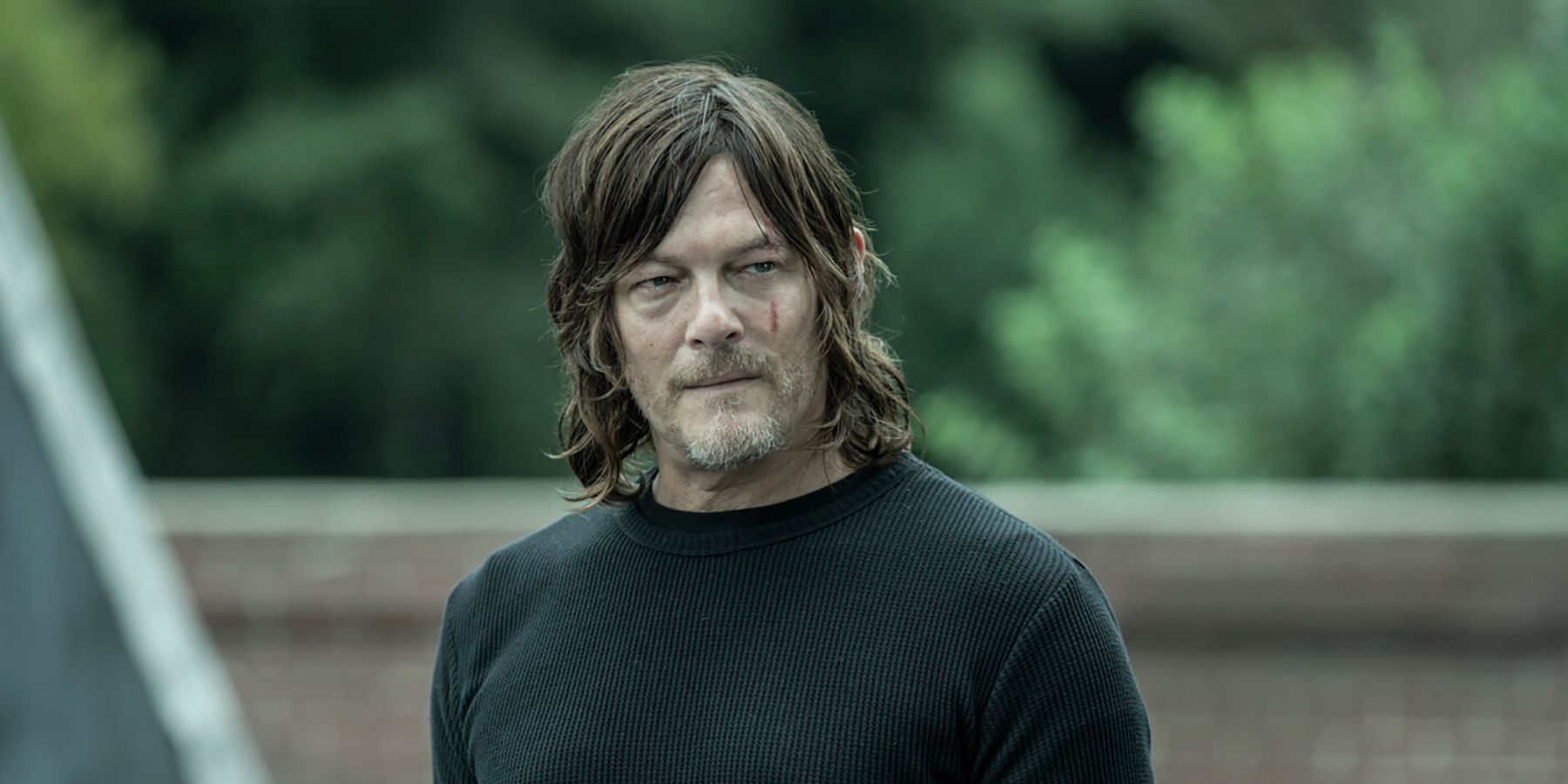
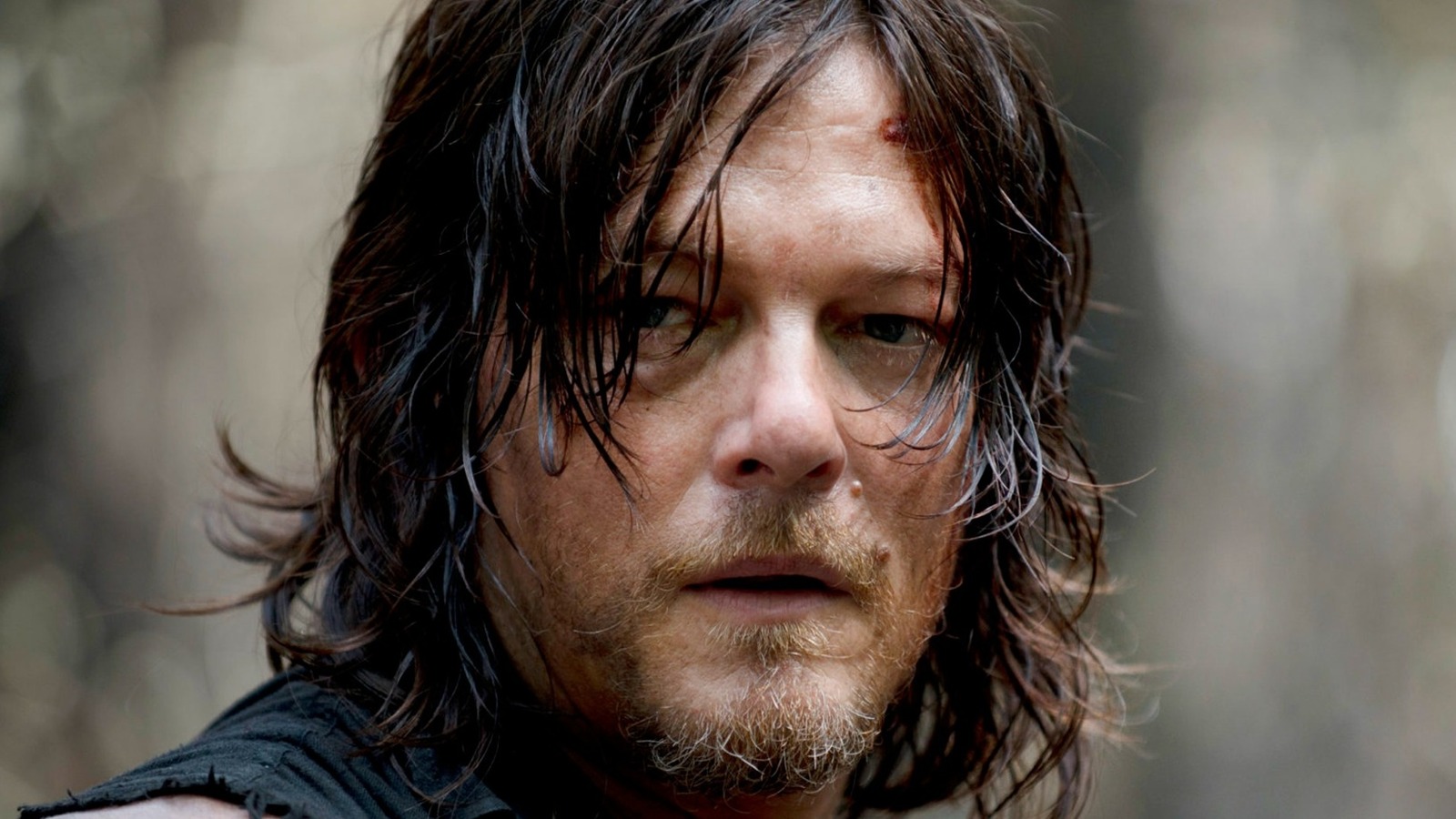
- Daryl Dixon (Norman Reedus): His character remains consistent with his established traits—stoic, resource-heavy, and fiercely loyal—yet he is forced to adapt to a language barrier and a lack of familiar allies.
- Isabelle Carriere (Clémence Poésy): A nun and member of the Union of Hope, she serves as a primary guide for Daryl, representing a bridge between the old world of faith and the brutal reality of the apocalypse.
- Laurent (Louis Puech Scigliuzzi): The young boy at the center of the series' central mystery. His sheltered upbringing makes him an idealist in a world that Daryl views only through a lens of cynicism.
- Marion Genet (Anne Charrier): The leader of the Pouvoir des Vivants, serving as a primary antagonist who seeks to harness the undead for the preservation of her own power structure.
Production Environment: Why France?
The decision to set the series in France provides a significant departure in terms of visual storytelling and tone. In the United States-based segments of the franchise, the terrain was largely defined by expansive forests, suburbs, and industrial complexes. France offers a contrast through its dense historical urban environments and distinctive rural landscapes.
From a technical production standpoint, the series uses the environment as a character. The prevalence of stone architecture, subterranean catacombs, and gothic structural elements allows for a different style of action sequences. Walkers, referred to in this series by different cultural terminologies, are handled by French survivors in ways that occasionally baffle Daryl, highlighting how regional knowledge of the undead varies.
Comparing Daryl Dixon to Other Franchise Entries
To understand where this series fits, it is helpful to compare it with other entries in the franchise. The following table outlines the key differences in setting and thematic focus.
| Series | Primary Setting | Thematic Focus | Character Trajectory |
|---|---|---|---|
| The Walking Dead | Georgia/Virginia | Group survival, community building | Ensemble evolution |
| Fear the Walking Dead | Various (U.S./Mexico) | Early outbreak, family dynamics | Societal collapse |
| Dead City | New York City | Revenge, power politics | Interpersonal conflict |
| Daryl Dixon | France | Mystery, faith, global impact | Isolated survival/Redemption |
Viewing and Access Requirements
As of 2026, the series is accessible via the AMC+ streaming service and the AMC television network. Viewers looking to engage with the series should note the following requirements and access details:
- Subscription Prerequisites: A valid subscription to AMC+ or a cable package that includes the AMC network is required to view the episodes.
- Order of Viewing: While the series functions as a standalone entry, understanding the character of Daryl Dixon is significantly enhanced by having watched the final seasons of the original The Walking Dead.
- Regional Availability: As the production is a collaborative effort between U.S. and European entities, regional licensing agreements may vary. Users outside of North America should verify local distribution rights, as the show may be carried by different regional broadcasters.
Common Questions Regarding the Spin-Off
1. Is it necessary to have watched every season of The Walking Dead to understand this series? While the series introduces a new setting, it picks up after the events of the flagship show. You do not need to know every nuance of the previous eleven seasons, but having a general understanding of Daryl’s character history will make his motivations more apparent.
2. Are there any connections to the other spin-offs? While the narrative is largely contained to Europe, the franchise is connected by the shared reality of the outbreak. Daryl Dixon focuses on his individual arc, but the global nature of the infection remains the connective tissue between all active series.
3. Does the series address the origin of the virus? The series explores the history of the outbreak as seen through the eyes of French researchers and survivors, providing deeper context than the original series provided during its early seasons.
4. How does the tone of Daryl Dixon differ from the original show? The tone is notably more atmospheric and European, focusing heavily on themes of faith, mysticism, and the weight of history, whereas the original series focused more heavily on the sociological aspects of rebuilding society in the American wilderness.
5. Will there be more seasons of this spin-off? As of 2026, the series continues to be an active part of AMC’s ongoing programming slate, with production timelines aligned with the network’s current development strategy for the franchise.
Strategic Considerations for Viewers
For those interested in fully engaging with the series, the most effective approach is to focus on the character-driven elements of the storytelling. The show succeeds not just as an action-horror vehicle, but as a study of a man forced to reconsider his role in a world that has expanded beyond his previous boundaries.
When beginning the series, pay attention to the environmental storytelling. The contrast between the ruins of the Old World—evident in the French architecture—and the encroaching nature of the undead, serves as a poignant reminder of the series' themes. If you find the pacing differs from the original series, it is intentional; the show leans into a more contemplative, road-trip-style narrative structure. Ensure your streaming equipment is updated to the latest version of the AMC+ app to ensure full playback stability, especially when viewing the high-contrast sequences common in the show's dimly lit, atmospheric scenes.
Image Gallery