The Best Streaming Music Documentaries for Music Lovers in 2026
The best streaming music documentaries offer an immersive look into the creative minds, cultural movements, and technical innovations that shape the industry. In 2026, premier titles like The Beatles: Get Back on Disney+, Summer of Sou...
The best streaming music documentaries offer an immersive look into the creative minds, cultural movements, and technical innovations that shape the industry. In 2026, premier titles like The Beatles: Get Back on Disney+, Summer of Soul on Hulu, and Moonage Daydream on Max remain essential viewing for their restored footage and deep historical insights.
Contents
Music documentaries have evolved from simple "behind-the-scenes" promotional tools into sophisticated cinematic achievements. For the modern music lover, these films provide more than just nostalgia; they offer a masterclass in composition, a window into the social pressures of fame, and a front-row seat to the technical breakthroughs of legendary recording sessions. Whether you are interested in the meticulous archival restoration of 1960s film or the raw, handheld intimacy of modern pop stardom, the current streaming landscape provides unprecedented access to the archives of music history.
The Evolution of Music Storytelling on Streaming Platforms
The transition from physical media to streaming has fundamentally changed how music documentaries are produced and consumed. In the past, fans were limited to occasional television broadcasts or expensive DVD box sets. In 2026, streaming giants like Netflix, Disney+, and Max have become the primary financiers of high-budget musical retrospectives.
This shift has allowed filmmakers to explore much longer runtimes. The "limited series" documentary format—exemplified by Peter Jackson’s work—allows for a level of granular detail that a two-hour theatrical release could never accommodate. Audiences no longer just watch a performance; they witness the 10-hour evolution of a single song. This depth is particularly valuable for music lovers who want to understand the "how" and "why" behind their favorite records rather than just the "when."
Essential Documentaries on Disney+
Disney+ has carved out a niche as the home for high-fidelity archival restorations, largely thanks to its partnership with world-class filmmakers who use cutting-edge technology to polish aging film and audio.
The Beatles: Get Back
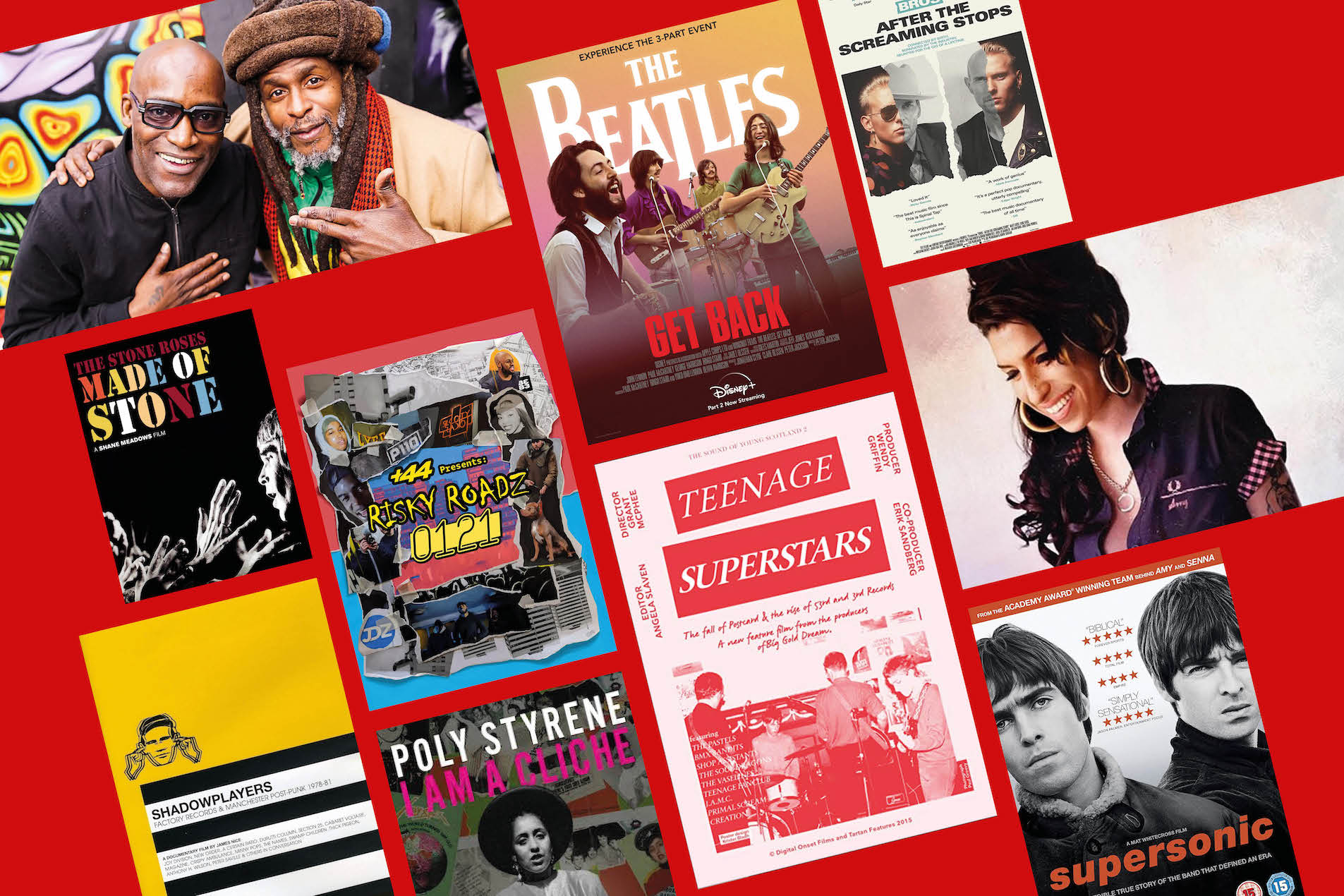
Directed by Peter Jackson, this three-part docuseries remains the gold standard for music documentaries. It chronicles the January 1969 rehearsal sessions for the album Let It Be. What makes this essential for music lovers in 2026 is the Machine Audio Learning (MAL) technology used to de-mix mono recordings. This allowed Jackson to separate the sounds of guitars, vocals, and drums, even when they were recorded on a single track. For the viewer, this means hearing the Beatles’ conversations and musical interplay with a clarity that was previously impossible. It dismantles the long-standing myth that the band hated each other during these sessions, showing instead a group of master craftsmen still capable of profound joy and collaboration.
Taylor Swift: Folklore: The Long Pond Studio Sessions
For those interested in the intimacy of the songwriting process, this documentary provides a stripped-back look at the creation of Swift’s folklore album. Filmed at the Long Pond Studio in upstate New York, it focuses on the collaboration between Swift, Aaron Dessner, and Jack Antonoff. The film is valuable for its technical discussions on "remote production" during a period of global isolation, highlighting how digital workstations and file-sharing have replaced the traditional large-scale studio environment.
The Cultural Impact of Netflix Music Documentaries
Netflix has focused its music catalog on the intersection of celebrity, social justice, and the evolution of genres. Their documentaries often feel more like cultural studies than mere artist profiles.
Hip-Hop Evolution
This multi-season series is a prerequisite for anyone wanting to understand the technical and social roots of hip-hop. Starting from the Bronx in the 1970s and moving through to the modern era, it interviews the actual innovators—DJ Kool Herc, Grandmaster Flash, and Afrika Bambaataa. The documentary is particularly strong in explaining the evolution of the breakbeat and how early DJs utilized dual turntables to extend the most danceable parts of a record. In 2026, it remains the most comprehensive visual encyclopedia of the genre.
Rolling Thunder Revue: A Bob Dylan Story by Martin Scorsese
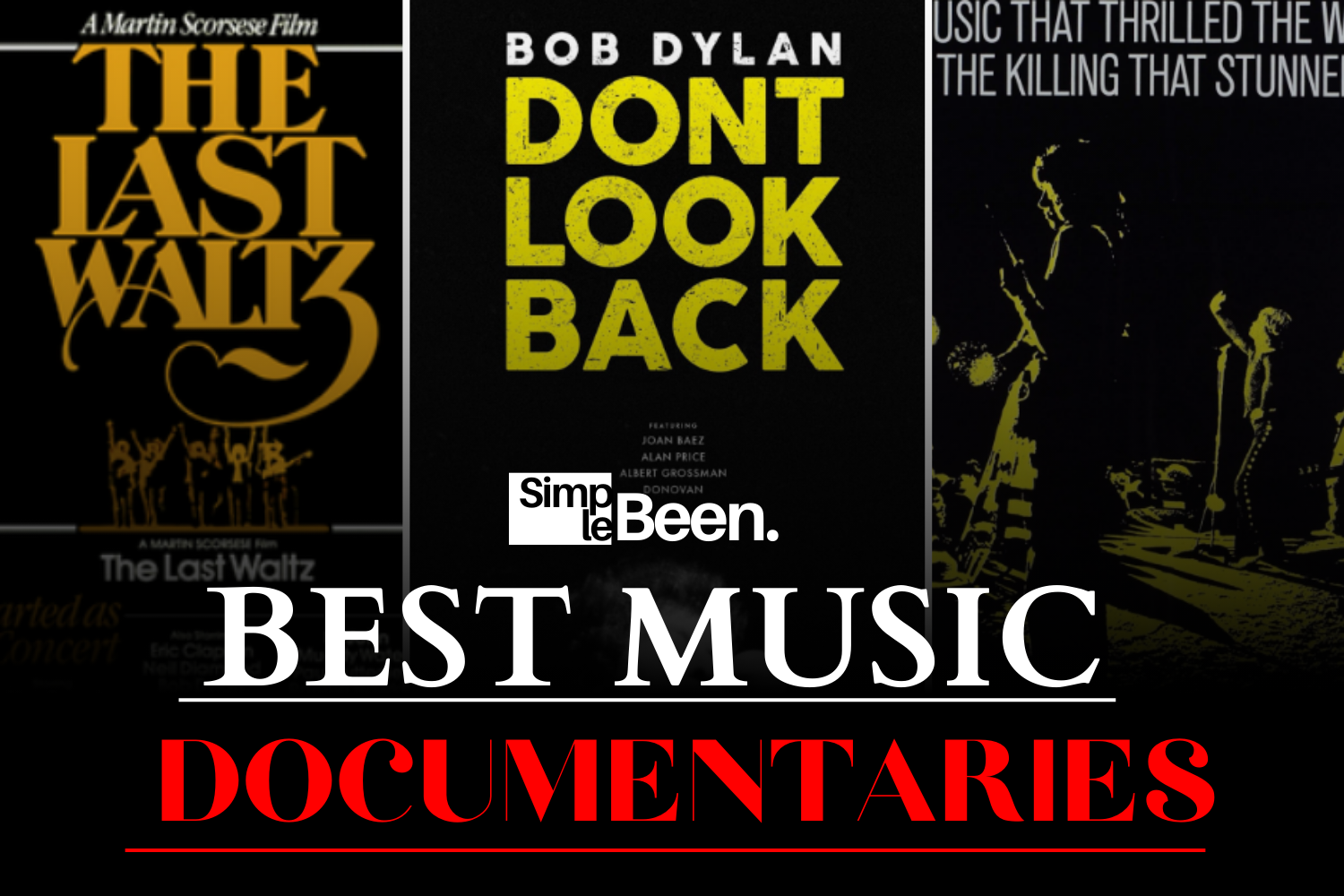
Scorsese blends fact and fiction in this look at Bob Dylan’s 1975 tour. For music lovers, this film is a masterclass in how to capture the energy of a live performance. It uses restored 16mm footage that feels remarkably contemporary. The film explores the concept of the "persona" in music, showing how Dylan used masks and theatricality to distance himself from his folk-hero image. It is an essential watch for those who appreciate the avant-garde and the experimental side of concert touring.
Cinematic Masterpieces on Max and Criterion
If you are looking for high-art cinema that uses music as its primary language, Max (formerly HBO Max) and The Criterion Channel offer titles that focus on the sensory experience of sound.
Moonage Daydream
Directed by Brett Morgen, this is not a traditional biography of David Bowie. Instead, it is an "audiovisual odyssey." In 2026, it stands out for its use of the Dolby Atmos sound mix, which creates a 360-degree soundscape of Bowie’s catalog. The film uses never-before-seen footage from Bowie’s personal archives, focusing on his philosophy of "permanent transition." It is a vital resource for artists and musicians looking for inspiration on how to maintain creative relevance over several decades.
Stop Making Sense
While technically a concert film, the 2023 4K restoration (often available on Max or via A24’s digital wings) is a mandatory watch. Directed by Jonathan Demme, it captures Talking Heads at the height of their powers. The film is celebrated for its minimalist beginning—David Byrne walking onto an empty stage with a boombox—and its gradual build-up into a complex, multi-instrumental funk powerhouse. It provides a blueprint for stage design and the visual presentation of live music.
Hulu and the Preservation of Lost History
Hulu’s partnership with Searchlight Pictures has resulted in some of the most emotionally resonant music documentaries of the decade, focusing on reclaiming histories that were nearly forgotten.
Summer of Soul (...Or, When the Revolution Could Not Be Televised)
Directed by Ahmir "Questlove" Thompson, this documentary covers the 1969 Harlem Cultural Festival. The footage sat in a basement for 50 years before being unearthed and restored. For music lovers, this film is a revelation of performances by Stevie Wonder, Nina Simone, and Sly and the Family Stone. It provides critical context on how music serves as a tool for political mobilization and community healing. The technical restoration of the outdoor concert audio is particularly impressive, considering the era's recording limitations.
Comparison of Top Streaming Music Documentaries
To help you decide which documentary fits your specific interests, the following table compares key titles based on their primary focus and technical highlights.
| Documentary Title | Primary Platform | Main Subject/Genre | Technical/Educational Highlight |
|---|---|---|---|
| The Beatles: Get Back | Disney+ | Rock / Songwriting | AI-driven audio de-mixing (MAL technology) |
| Summer of Soul | Hulu | R&B / Soul / History | Restoration of 50-year-old outdoor concert film |
| Moonage Daydream | Max | Glam Rock / Art | Dolby Atmos immersive sound design |
| Hip-Hop Evolution | Netflix | Hip-Hop / Genre History | Technical origins of sampling and breakbeats |
| The Last Waltz | Various/Criterion | Classic Rock / Live | Multi-camera cinematography by Martin Scorsese |
| Miss Americana | Netflix | Pop / Modern Industry | Insight into high-pressure stadium tour logistics |
Why These Documentaries Matter for Musicians
For those who play instruments or produce music, these films serve as a form of secondary education. Observing the signal chain in The Beatles: Get Back or the vocal layering techniques in The Long Pond Studio Sessions provides practical knowledge that books often fail to convey.
- Workflow Analysis: You see how legends handle creative blocks. The "Get Back" sessions show Paul McCartney literally "summoning" the song "Get Back" out of thin air while Ringo Starr and George Harrison look on.
- Equipment Evolution: Documentaries often feature vintage gear—Tube Tech compressors, Moog synthesizers, and Neve consoles. Seeing these in their original context helps modern producers understand the "analog warmth" they often try to replicate digitally.
- Collaborative Dynamics: Understanding the friction and synergy between band members and producers (like George Martin or Quincy Jones) is vital for anyone working in a collective creative environment.
Frequently Asked Questions
Which streaming service has the best selection of music documentaries?
In 2026, Disney+ is arguably the leader for high-budget archival projects, while Netflix offers the most variety in terms of genre-specific series and modern pop-star profiles. For independent or avant-garde music, The Criterion Channel remains the best source for high-art concert films.
Are music documentaries on streaming platforms available in 4K?
Most major documentaries released or restored after 2020, such as Moonage Daydream and The Beatles: Get Back, are available in 4K Ultra HD with HDR (High Dynamic Range). This is particularly beneficial for archival footage, as HDR brings out details in old film stock that were previously obscured by shadows or overexposure.
Can I watch these documentaries to learn about music production?
Yes. Titles like Classic Albums (available on various platforms) and The Defiant Ones (Max/HBO) focus heavily on the role of the producer and the technicalities of the recording studio. They often break down "master tapes," allowing viewers to hear individual tracks (vocals, bass, etc.) isolated from the rest of the mix.
What is the difference between a concert film and a music documentary?
A concert film, like Stop Making Sense, focuses primarily on a single live performance with minimal outside context. A music documentary, like Summer of Soul, uses performance footage as a starting point but incorporates interviews, historical archives, and narrative storytelling to provide a broader view of the artist or the era.
Is "The Beatles: Get Back" too long for a casual fan?
While the eight-hour runtime is daunting, it is structured into three distinct parts. For a music lover, the length is the point—it allows you to experience the "real-time" grind of a recording session, which is often more educational than a fast-paced, edited summary.
Final Recommendation for Your Next Watch
If you are looking for a definitive starting point, The Beatles: Get Back on Disney+ is the most technically significant and emotionally rewarding music documentary of the modern era. Its use of AI for audio restoration set a new industry standard that continues to influence how historical music archives are handled in 2026. For those seeking a deeper connection to the social power of music, Summer of Soul on Hulu provides a peerless look at how performance can define a generation. To get the most out of these experiences, ensure you are using a high-quality pair of headphones or a calibrated soundbar to appreciate the sophisticated sound engineering involved in these productions.
Image Gallery