Hydro Jetting Explained: How High-Pressure Water Clears Pipes Effectively
Hydro jetting is a non-invasive plumbing method that utilizes high-pressure water streams—typically ranging from 3,000 to 4,000 PSI—to remove heavy debris, grease, and mineral buildup from sewer lines. Unlike traditional drain snaking,...
Hydro jetting is a non-invasive plumbing method that utilizes high-pressure water streams—typically ranging from 3,000 to 4,000 PSI—to remove heavy debris, grease, and mineral buildup from sewer lines. Unlike traditional drain snaking, which only creates a small path through a clog, hydro jetting scours the entire internal circumference of the pipe to restore full flow capacity.
Contents
Understanding the Mechanics of Hydro Jetting
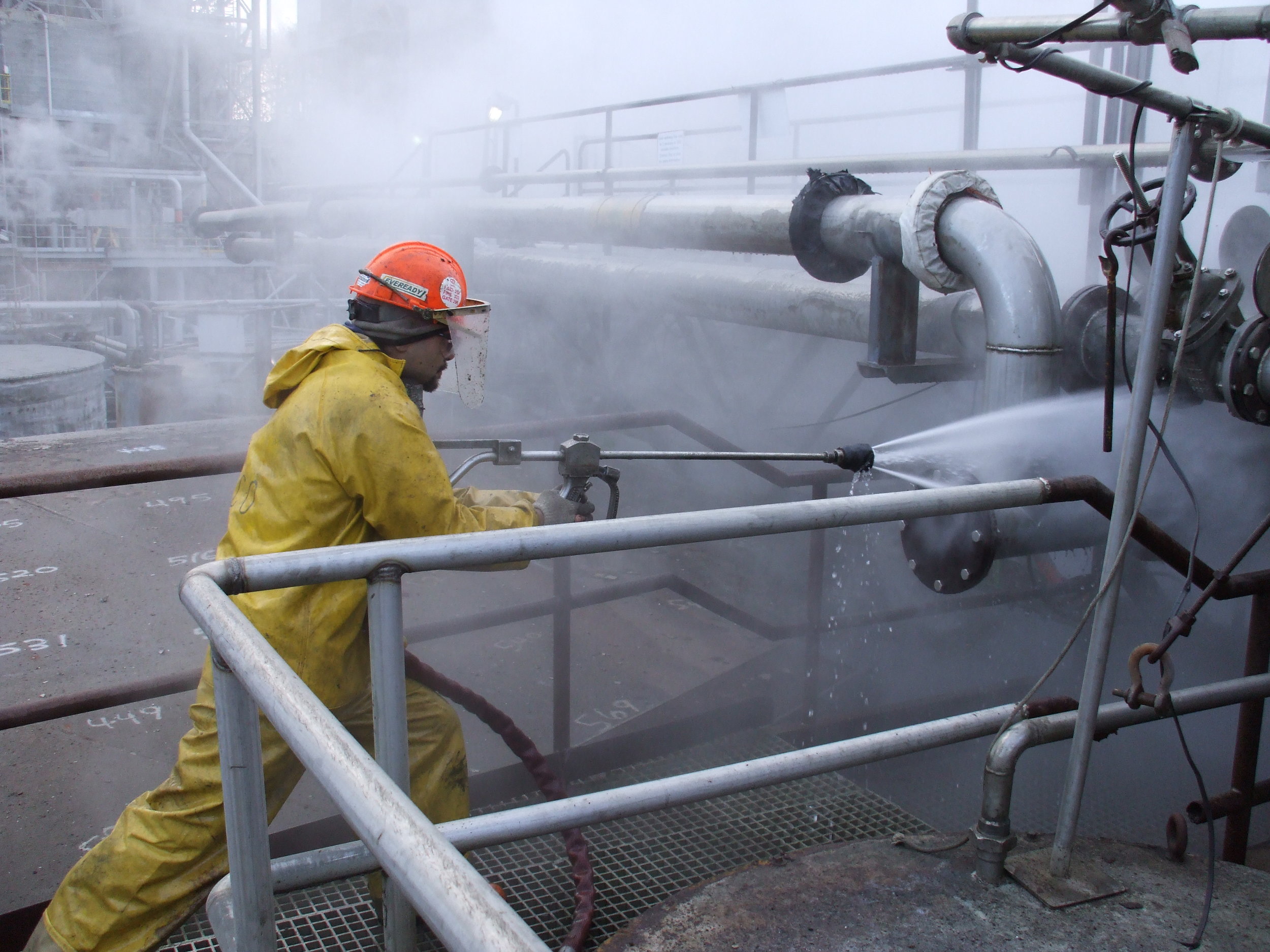
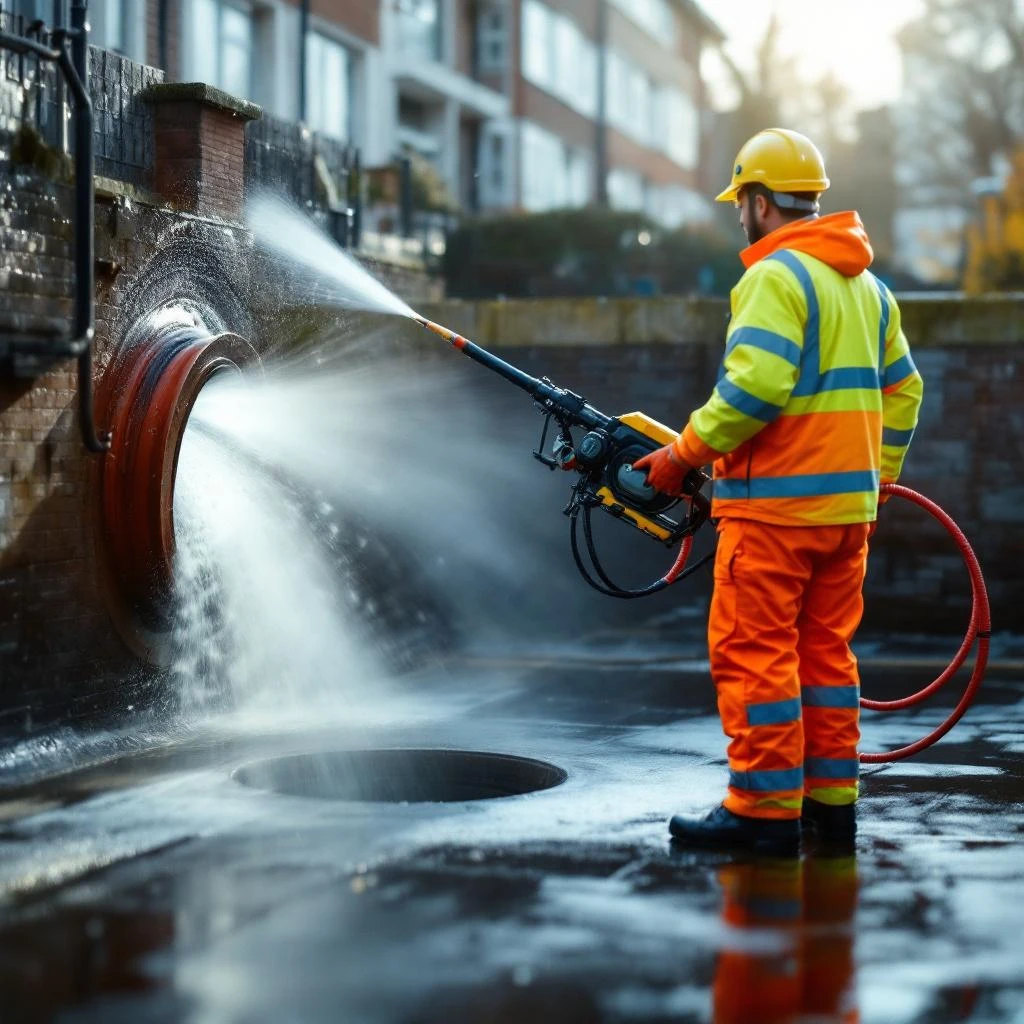
To understand why hydro jetting is the preferred solution for stubborn blockages in 2026, one must first look at the physics of high-pressure water. The process relies on a specialized machine consisting of a large water tank, a high-pressure hose, a nozzle, and a pressurizing pump. When the technician activates the system, water is forced through the nozzle at extreme velocities.
The nozzles used in hydro jetting are engineered with multiple jets. Typically, one jet faces forward to break up the initial obstruction, while several rear-facing jets provide the propulsion needed to move the hose deeper into the plumbing system. As these rear jets fire, they create a "scouring" action against the pipe walls. This action is powerful enough to emulsify grease, pulverize hardened mineral scale, and even shear off invasive tree roots that have entered through pipe joints.
The effectiveness of this method is not just about the pressure (measured in pounds per square inch, or PSI) but also the flow rate (measured in gallons per minute, or GPM). While high PSI breaks up solids, high GPM is required to flush the dislodged debris out of the system and into the main municipal sewer line. Without sufficient flow, the broken-up debris would simply settle elsewhere in the pipe, leading to a secondary blockage.
The Essential Role of Video Pipe Inspection
Before a professional plumber initiates hydro jetting, a video pipe inspection is a non-negotiable prerequisite. Inserting a high-definition camera into the line allows the technician to identify the exact location and nature of the blockage. This step is critical for two primary reasons: identifying the material of the pipe and assessing its structural integrity.
In 2026, many older residential areas still utilize cast iron or clay pipes. If these pipes are cracked, thinned by corrosion, or collapsed, the intense pressure of hydro jetting could cause catastrophic failure, leading to expensive excavation repairs. By using a camera first, the plumber can determine if the pipe is strong enough to withstand the cleaning or if a different repair method, such as pipe relining or traditional replacement, is necessary. Furthermore, the camera helps confirm that the blockage is actually organic debris or scale rather than a structural collapse that water pressure cannot fix.
Hydro Jetting vs. Traditional Snaking: A Technical Comparison
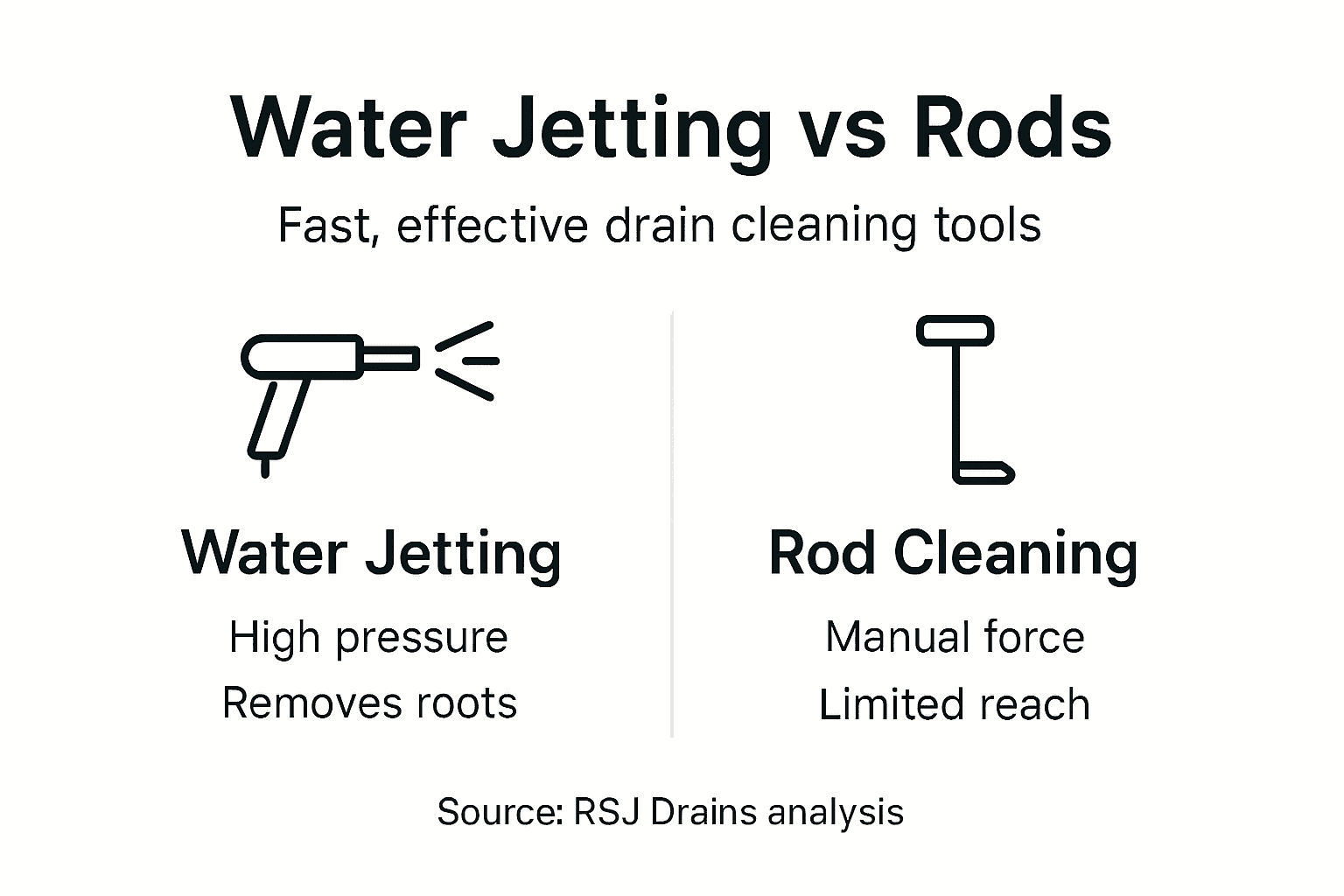
Homeowners often confuse hydro jetting with "rooting" or snaking. While both serve to clear drains, their methodologies and long-term results differ significantly. A drain snake involves a flexible metal cable with a cutting head that rotates through the pipe. It is highly effective for localized clogs, such as a clump of hair or a small paper blockage, but it lacks the capability to "clean" the pipe.
| Feature | Drain Snaking (Rooting) | Hydro Jetting |
|---|---|---|
| Primary Mechanism | Mechanical Augur / Cutting Head | High-Pressure Water Scouring |
| Best For | Minor, localized clogs (hair, paper) | Heavy grease, scale, and tree roots |
| Cleaning Scope | Punches a hole through the clog | Cleans 360 degrees of the pipe wall |
| Risk Factor | Low risk for older, fragile pipes | High risk for compromised or thin pipes |
| Residue Removal | Leaves grease and scale behind | Removes almost all soft and hard buildup |
| Prevention Level | Short-term fix | Long-term preventative maintenance |
As shown in the table, hydro jetting is a comprehensive cleaning solution, whereas snaking is a temporary clearance tool. Because hydro jetting removes the "biofilm" and grease that usually act as an adhesive for future clogs, the interval between required cleanings is significantly longer than when using a snake.
Common Problems Solved by Hydro Jetting
The versatility of high-pressure water makes it suitable for a wide range of residential and commercial plumbing issues. In 2026, urban infrastructure faces increasing strain, and hydro jetting remains the primary defense against several common failures.
Fatbergs and Grease Accumulation
In commercial kitchens and even residential neighborhoods, FOG (Fats, Oils, and Grease) is a leading cause of sewer backups. When grease is poured down a drain, it eventually cools and solidifies, adhering to the pipe walls. Over time, it traps other debris, forming "fatbergs." Hydro jetting emulsifies these fats, turning them back into a liquid slurry that can be safely flushed away.
Mineral Scale and Calcium Buildup
In regions with hard water, calcium and magnesium deposits can form a rock-hard crust inside pipes. This narrows the internal diameter of the pipe, slowing drainage and increasing the likelihood of solids getting stuck. The sheer force of hydro jetting "blasts" this scale off the walls without the need for harsh chemical descalers that can damage the environment and the pipes themselves.
Invasive Tree Roots
Tree roots are naturally drawn to the moisture and nutrients found inside sewer lines. They can enter through microscopic cracks or loose joints. Once inside, they grow rapidly, creating a dense "mat" that catches waste. While a snake can cut through some of these roots, hydro jetting can often clear them more effectively, leaving the pipe walls smooth and discouraging immediate regrowth.
Is Hydro Jetting Safe for Your Plumbing?
A common concern is whether 4,000 PSI of water will burst a pipe. When performed by a trained professional following a camera inspection, hydro jetting is safe for most modern plumbing materials, including PVC, ABS, and sound cast iron. However, there are specific scenarios where it is contraindicated.
If a home was built before the 1970s and still uses Orangeburg pipes (made of bituminized fiber), hydro jetting is generally prohibited. These pipes are essentially tar-paper and lack the structural rigidity to handle high-pressure water. Similarly, if the video inspection reveals "bellies" (sagging sections) or significant corrosion in galvanized steel lines, the pressure may be adjusted downward or the service may be declined to prevent a blowout.
For safety, professionals always monitor the "back-pressure." If the water does not have a clear path to exit, the pressure can build up inside the house, potentially blowing out seals in toilets or sinks. This is why hydro jetting is always performed from an outdoor cleanout whenever possible.
The Cost and Value Proposition in 2026
As of 2026, the cost for a standard residential hydro jetting service typically ranges from $350 to $700, depending on the accessibility of the cleanout and the severity of the blockage. Commercial services, which often involve longer runs and larger diameter pipes, can exceed $1,000.
While this is more expensive than a $150 snaking service, the value lies in the frequency of service. A pipe cleared with a snake may clog again within six months because the grease and scale remain. A pipe that has been hydro jetted is restored to a "like-new" internal state, often remaining clear for several years with proper maintenance. For commercial properties, particularly restaurants, quarterly or bi-annual hydro jetting is often a regulatory or insurance requirement to prevent catastrophic backups and health code violations.
Frequently Asked Questions
Can I rent a hydro jetter and do it myself? While some equipment rental yards offer smaller electric pressure washers marketed as "jetters," they rarely produce the PSI and GPM necessary to clear a main sewer line effectively. Furthermore, without a sewer camera, a DIY user risks destroying their pipes or causing a massive sewage backup into their home. This is strictly a professional-level task.
How long does the hydro jetting process take? For a standard residential sewer line of 50 to 100 feet, the process usually takes between 1.5 to 3 hours. This includes the initial camera inspection, the actual jetting passes, and a final "verification" camera run to ensure all debris has been removed.
Does hydro jetting use chemicals? No, true hydro jetting uses only pressurized water. This makes it an environmentally friendly option compared to chemical drain cleaners, which are often toxic and can cause heat-induced damage to PVC pipes. In some cases of extreme root intrusion, a professional might follow up with an EPA-approved foaming root inhibitor, but the cleaning itself is purely mechanical.
Will hydro jetting fix a collapsed pipe? No. Hydro jetting is a cleaning service, not a structural repair. If a pipe has collapsed or shifted (offset joints), the water will simply flow into the surrounding soil. The video inspection performed before the service will identify these structural failures, allowing you to pivot to a repair solution instead of wasting money on cleaning.
Summary and Next Actions
Hydro jetting is the most effective method available in 2026 for restoring the full functionality of a drainage system. By utilizing the kinetic energy of high-pressure water, it removes the root causes of clogs rather than just treating the symptoms.
If you are experiencing recurring clogs, gurgling sounds from your drains, or slow drainage throughout your home, the first step is to schedule a professional video pipe inspection. This will determine if your pipes are candidates for hydro jetting. Once cleared, you can maintain the system by avoiding the disposal of FOG (fats, oils, and grease) down the sink and scheduling a preventative jetting every few years to ensure your plumbing remains in peak condition.
Image Gallery