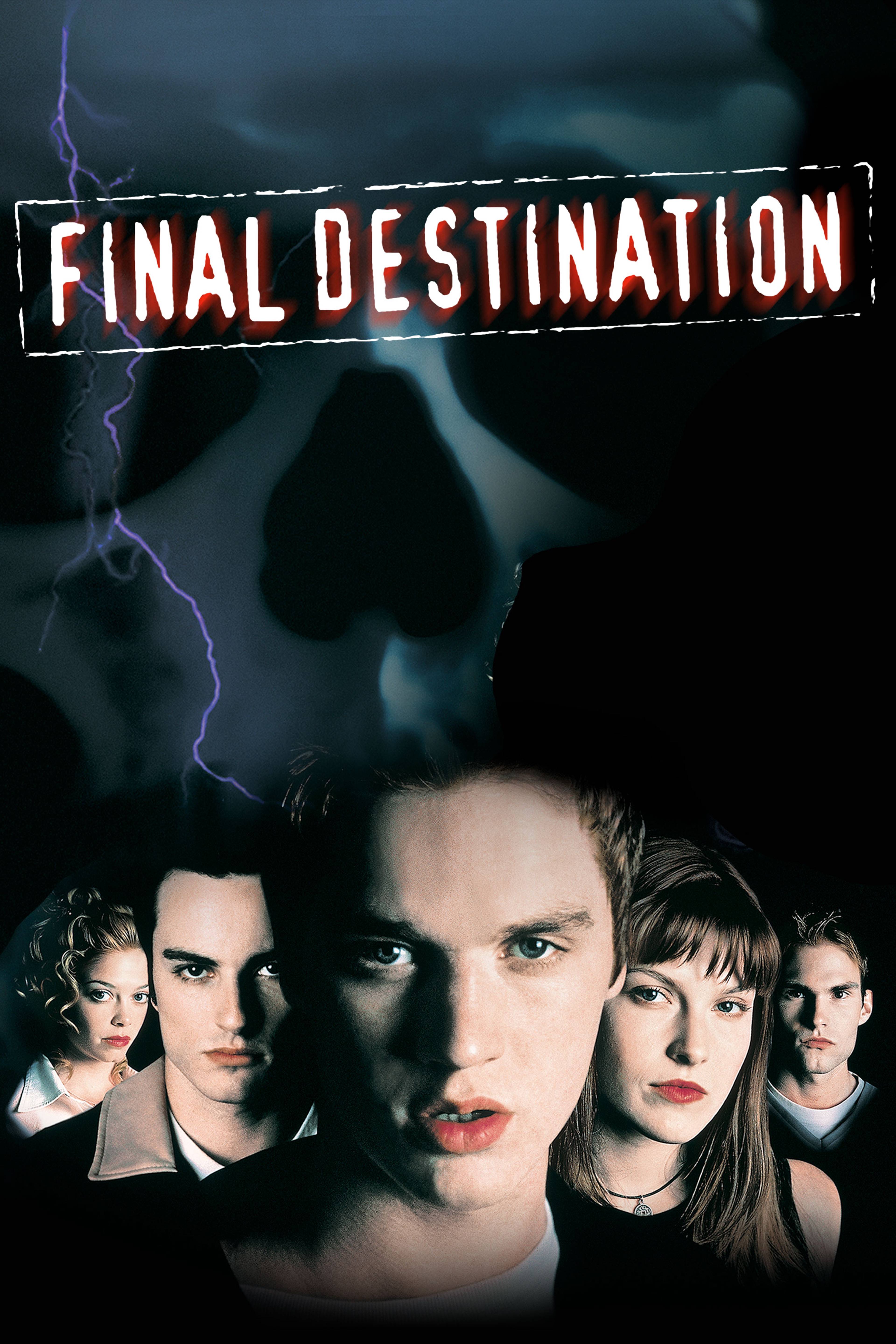
Navigating the Cinema Scene: Uncovering "The Final Destination" Movie Theater Locations and Sequences
The iconic sequence from The Final Destination (2009)—where a catastrophic structural collapse kills moviegoers inside a state-of-the-art cinema—was filmed primarily at a real multiplex in Mobile, Alabama, utilizing a mixture of live p...
The iconic sequence from The Final Destination (2009)—where a catastrophic structural collapse kills moviegoers inside a state-of-the-art cinema—was filmed primarily at a real multiplex in Mobile, Alabama, utilizing a mixture of live practical sets and computer-generated imagery to simulate a massive theater disaster.
Contents
Introduction and Subject Disambiguation
When movie fans and horror enthusiasts search for "the final destination movie theater," they are usually tracking down two distinct pieces of information: the real-world filming location of the famous 3D catastrophe sequence from the fourth installment of the Final Destination franchise, or the specific layout of the fictional McKinley McKinley Speedway and cinema complex depicted in the film. Released in 2009 as the first film in the series shot in 3D, The Final Destination remains a cult favorite for its elaborate, physics-defying death sequences.
Resolving the geography of this cinematic landmark requires separating Hollywood fiction from real-world architecture. While the characters meet their demises in a grand, hyper-modern cinema, the reality of movie theater safety, construction standards, and actual shooting locations tells a much more grounded story. This guide breaks down where the scenes were filmed, how the production achieved its terrifying visual effects, and what safety standards govern real-world cinemas to ensure moviegoing remains entirely secure.
Real-World Filming Locations of the 2009 Cinema Sequence
The production of The Final Destination (directed by David R. Ellis) took place primarily in Mobile, Alabama, utilizing local infrastructure to capture both the racing stadium events and the subsequent indoor sequences.
The Mobile, Alabama Production Hub
Principal photography for the fourth installment relied heavily on the Mobile metropolitan area. While the racetrack scenes were shot at the Mobile International Speedway (often referred to locally as the Mobile Speedway) in Irvington, Alabama, interior theater scenes required a blend of location scouting and massive soundstage construction.
- Practical Sets vs. Location Shooting: The interior of the movie theater—where protagonist Nick O'Bannon has a premonition of a racecar crashing through the wall, followed by a fire, explosions, and a ceiling collapse—was constructed largely on a controlled soundstage. This allowed filmmakers to safely rig breakaway infrastructure, pyrotechnics, and 3D camera rigs.
- Exterior Facade Integration: For exterior shots leading up to the cinema, production teams utilized existing commercial developments in and around Mobile, dressing them up with fictional signage, promotional posters for the movie-within-the-movie ("Wyatt's Swamp"), and marquee layouts characteristic of late-2000s megaplexes.
- The 3D Rigging Advantage: Because the film was produced during the digital 3D boom of the late 2000s, the physical dimensions of the theater set had to accommodate specialized Fusion Camera Systems, which paired two high-definition cameras side-by-side to mimic human depth perception. This technical constraint heavily influenced how wide the aisles and seating rows were built on the soundstage.
Cinematic Anatomy of a Disaster: Breaking Down the Scene
The cinema sequence in The Final Destination is structured around a classic horror trope: escaping a near-death catastrophe only to realize the vision is coming true in real life. Understanding the sequence requires analyzing its narrative beats and practical cinematic execution.
| Narrative Beat | Visual & Technical Execution | Safety/Practical Reality |
|---|---|---|
| The Premonition | Sudden flashes of fire, flying metal debris, and structural failure viewed through Nick's perspective. | Accomplished via rapid-fire editing, green screens, and pre-visualization storyboards. |
| The Panic & Exit Block | Crowds rushing toward locked or jammed exit doors, simulating a human stampede. | Stunt coordinators managed crowd movements; breakaway doors used soft plastics and balsa wood. |
| The Ceiling Collapse | Concrete blocks, rebar, and HVAC systems crashing down onto stadium-style seating. | Lightweight foam props, pneumatic lifts, and controlled stunt rigging protected actors while maintaining visual weight. |
| The Final Explosion | High-pressure gas line rupture igniting the remaining audience members. | Controlled pyrotechnics managed by licensed special effects supervisors under strict fire department oversight. |
Technical Challenges of 3D Horror Production
Shooting a disaster scene inside a confined dark space while using early digital 3D technology presented unique hurdles for the crew. Unlike traditional 2D filmmaking, where depth can be artificially compressed or expanded in post-production, 3D rigs require precise focal measurements. The fictional theater set had to be built with exaggerated depths to enhance projectiles flying toward the audience—such as stray wrenches, 3D glasses, and sharp metallic fragments.
Real-World Movie Theater Safety and Architecture
It is natural for viewers watching The Final Destination to wonder whether a real cinema could suffer the kind of catastrophic structural failure depicted on screen. Modern commercial architecture incorporates stringent engineering standards that make such an event virtually impossible under normal operating conditions.
Building Codes and Structural Integrity
Commercial movie theaters are classified under strict public assembly building codes (such as the International Building Code or regional equivalents). These regulations dictate:
- Load-Bearing Capacities: Roofs and tiered flooring systems must support loads far exceeding the weight of maximum-capacity audiences and heavy digital projection equipment.
- Redundant Exits: Theaters are engineered with multiple, widely separated emergency egress routes that must remain unlocked, unblocked, and illuminated by backup battery systems at all times.
- Fire Suppression Systems: Modern cinemas are equipped with commercial-grade sprinkler systems, smoke evacuation vents, and fire-resistant drywall barriers designed to contain localized incidents long before structural compromise can occur.
Frequently Asked Questions
Where was the movie theater scene in The Final Destination filmed?
The interior theater scenes were shot primarily on custom-built soundstages in Mobile, Alabama, augmented by special effects and digital set extensions to create the scale of a massive multiplex.
Is the movie theater from The Final Destination based on a real building?
No. The cinema depicted in the film is a fictional establishment. While exterior establishing shots used real commercial properties in Alabama, the collapsing auditorium was entirely fabricated by the production design team.
Why is The Final Destination (2009) sometimes referred to as Final Destination 4?
During its theatrical marketing campaign, New Line Cinema promoted the film as The Final Destination with a prominent "4" integrated into the 3D branding, though official home media releases generally revert to the primary title without the numeral.
Are movie theater seats really arranged like the ones in the movie?
Yes, stadium-style seating—where rows are elevated on tiered risers to provide unobstructed views of the screen—is a standard architectural feature in modern multiplexes worldwide.
How did filmmakers make the 3D effects look so immersive in the theater scenes?
The production used specialized dual-camera stereoscopic rigs and carefully planned the trajectories of flying objects to exploit the depth planes of digital 3D screens, enhancing the sensation that debris was entering the auditorium space.
Practical Guidance and Next Actions
For fans seeking to visit the actual production footprints of The Final Destination, traveling to Mobile, Alabama, offers a chance to explore the region where the franchise's highest-grossing entry was brought to life. While the temporary soundstages and specific set builds no longer exist, travelers can tour the surrounding Gulf Coast area and visit the Mobile International Speedway where the opening raceway disaster sequence was staged.
When visiting commercial cinemas today, rest assured that modern life-safety codes, rigorous engineering inspections, and automated fire suppression systems ensure that your local theater remains one of the safest public environments you can enter—far removed from the cinematic chaos of Hollywood's imagination.
Image Gallery