Navigating the Best Contacts Brand for American Users: A Comprehensive Guide
There is no single "best" contact lens brand for all American users because contact lens fitting is a medical process based on individual ocular anatomy, tear chemistry, and refractive requirements. The most effective approach for any...
There is no single "best" contact lens brand for all American users because contact lens fitting is a medical process based on individual ocular anatomy, tear chemistry, and refractive requirements. The most effective approach for any patient is to prioritize lenses approved by the U.S. Food and Drug Administration (FDA) that are prescribed by a licensed eye care professional (ECP) after a comprehensive examination.
Contents
The Role of FDA Approval in Contact Lens Safety
In the United States, contact lenses are classified as medical devices by the FDA. This classification is critical because it mandates rigorous pre-market review and ongoing surveillance of safety and efficacy. When searching for the "best" brand, the baseline requirement for any American consumer is verifying that the product has been cleared or approved for sale within the U.S. market.
Unlike some international markets where contact lenses may be sold over the counter, American regulations require a valid, non-expired prescription written by an optometrist or ophthalmologist. This prescription includes not only the refractive power required for vision correction but also specific base curves and diameters—the physical dimensions of the lens that ensure it fits the unique curvature of the cornea. Using a "brand" that is not approved by the FDA or failing to adhere to a specific prescription can lead to serious ocular complications, including microbial keratitis, corneal ulcers, and permanent vision loss.
Understanding Lens Modalities and Materials
The "best" brand for you is often determined by the modality—how frequently you replace the lenses—and the material composition. As of 2026, the American market is dominated by several major manufacturers, each focusing on specific material technologies.
Silicone Hydrogel
This is currently the industry standard for most daily, bi-weekly, and monthly disposables. Silicone hydrogel allows significantly more oxygen to reach the cornea compared to traditional hydrogel lenses. Increased oxygen permeability is essential for maintaining corneal health, particularly for users who wear lenses for long hours. If you suffer from dry eyes or work in environments with varying humidity, brands prioritizing high Dk/t (oxygen transmissibility) values are often recommended by ECPs.
Daily Disposables
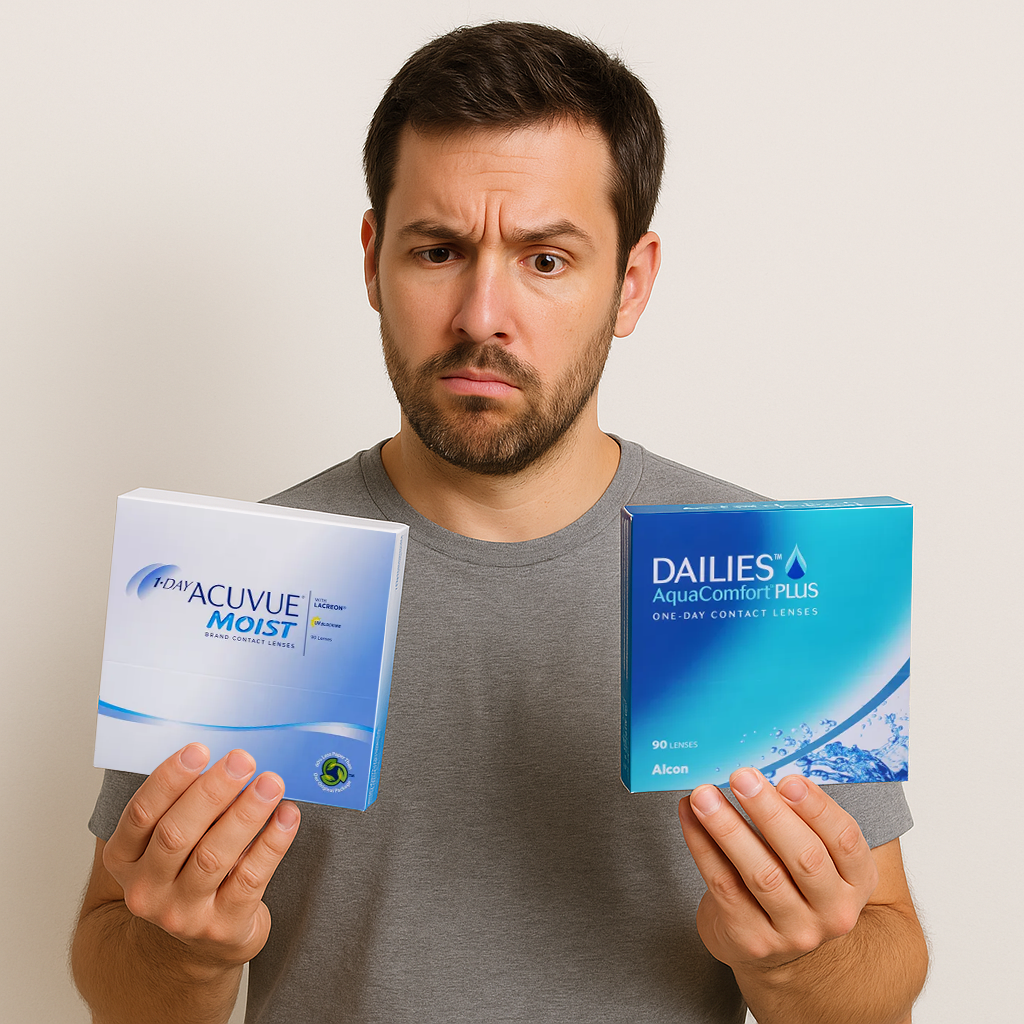
Daily disposable lenses have gained significant traction among American users due to their convenience and hygiene profile. Because the lenses are discarded at the end of each day, there is no need for cleaning solutions, and the risk of protein or lipid buildup—which can occur with multi-use lenses—is eliminated. For individuals with sensitive eyes or allergies, the "best" brand is often one that utilizes advanced surface moisture technologies, such as those found in the Acuvue Oasys 1-Day (Johnson & Johnson) or Dailies Total1 (Alcon) series.
Monthly and Bi-Weekly Replacements
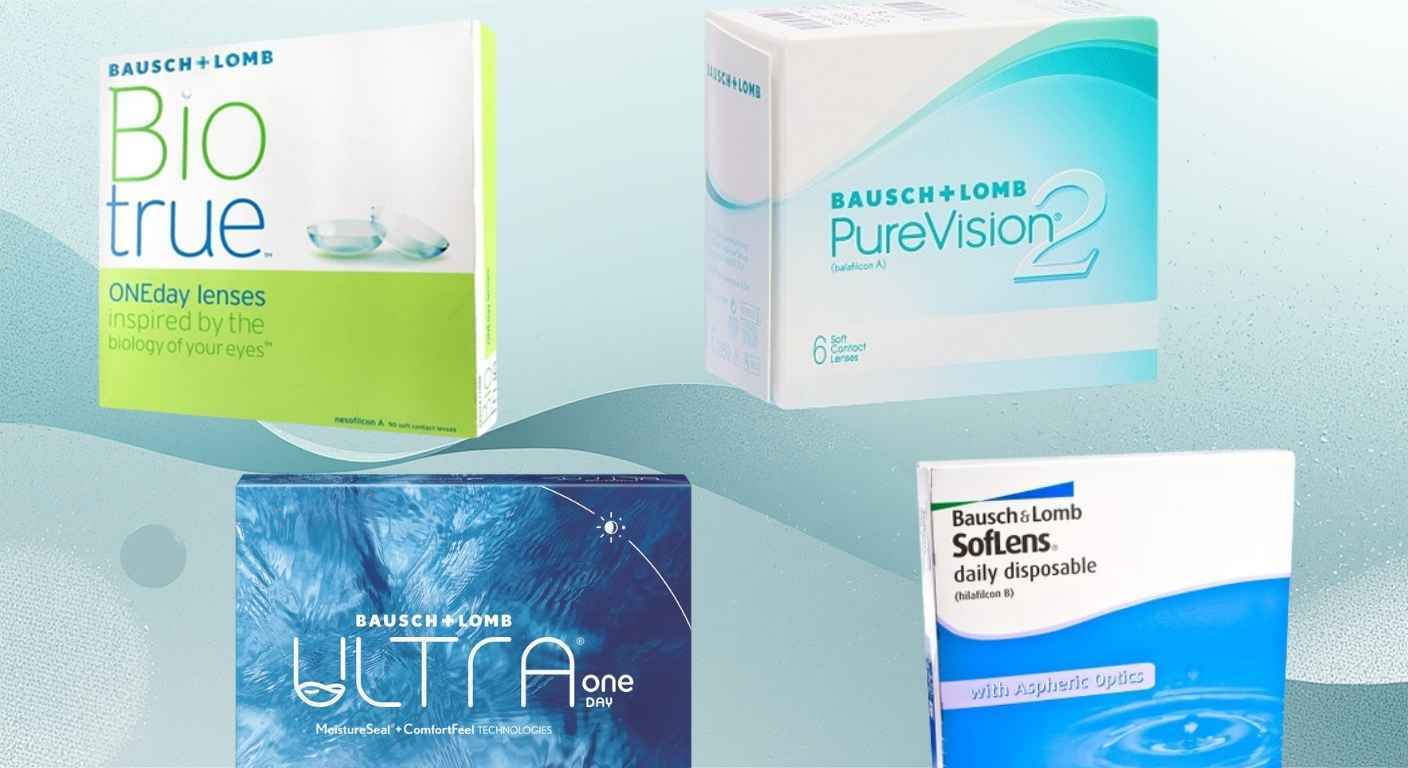
These modalities are often chosen for cost-effectiveness or to address specific high-correction needs (such as high astigmatism or presbyopia) that may be more widely available in specific non-daily lines. Brands like Biofinity (CooperVision) are frequently cited in clinical settings for their material balance between comfort and lens handling.
Key Factors in Selecting Your Brand
When discussing options with your eye doctor, consider the following metrics to determine which brand best fits your lifestyle:
- Oxygen Permeability (Dk/t): How much oxygen passes through the lens to your eye. Higher numbers are generally better for long-term health.
- Water Content: While higher water content can feel comfortable initially, lenses with lower water content made of silicone hydrogel often result in less dryness over the course of an 8- to 12-hour day.
- Surface Lubricity: Advanced manufacturing processes, such as water-gradient technology, create a "cushion" of moisture on the lens surface, reducing friction between the eyelid and the lens.
- UV Protection: Many modern lenses include Class 1 or Class 2 UV-blocking capabilities. While this does not replace sunglasses, it provides an additional layer of protection against solar radiation.
Comparison of Popular Contact Lens Categories
The following table outlines the general characteristics of the primary contact lens categories available to American users through licensed retailers and clinical offices.
| Lens Category | Replacement Schedule | Best For | Typical Maintenance |
|---|---|---|---|
| Daily Disposable | Every day | Allergies, busy lifestyles, travel | None (discard daily) |
| Bi-Weekly | Every 2 weeks | Standard vision correction | Solution cleaning required |
| Monthly | Every 30 days | Cost efficiency, specific scripts | Daily cleaning/storage |
| Gas Permeable | 6–12 months | Irregular corneas, high astigmatism | Specialized cleaning |
Addressing Common Misconceptions
A common error among consumers is assuming that if one brand works for a friend or family member, it will work for them. Contact lenses interact with your specific tear film composition. A lens that feels "invisible" to one person might feel dry or uncomfortable to another due to subtle differences in lipid levels in the eye.
Furthermore, brand loyalty is secondary to clinical fit. You cannot simply switch between brands without a new fitting, as different brands use different polymer formulations and edge designs. A lens that fits slightly too tight or too loose can restrict the flow of tears beneath the lens, potentially causing hypoxia (lack of oxygen) or mechanical irritation to the corneal epithelium.
Navigating Costs and Insurance
In the U.S., vision insurance plans often provide allowances for contact lenses. It is important to distinguish between your vision insurance and your medical insurance. If you have an underlying eye condition—such as keratoconus—your contact lenses might be covered under your medical insurance plan rather than a standard vision plan. Always verify your coverage details before purchasing, as many insurance portals require you to buy through specific in-network providers or affiliated online retailers to maximize your benefits.
Frequently Asked Questions
Can I buy contact lenses online without a prescription? No. Under the Fairness to Contact Lens Consumers Act, retailers are legally required to verify your prescription with your ECP before releasing your order. Attempting to circumvent this process is both illegal and dangerous.
What is the difference between "private label" and "name brand" lenses? Many retailers sell "private label" lenses that are manufactured by the same major labs that produce famous name brands. These are often identical to name-brand lenses but rebranded for specific chains. If your doctor prescribes a specific brand, always confirm if a store brand is a direct clinical equivalent.
How often should I replace my contact lens case? If you use multi-use lenses that require a case, you should replace the case every three months to prevent the buildup of bacteria and biofilm. Never reuse old solution in the case; always use fresh, sterile multipurpose solution.
Are colored contact lenses considered "best" if they are purely cosmetic? Even if the lens has no refractive power (plano), it is still a medical device. "Fashion" lenses sold at beauty supply stores or online without a prescription are not FDA-cleared and carry a significantly higher risk of serious eye infection. Always purchase color contacts through a licensed eye care professional.
What should I do if my lenses feel uncomfortable? Remove the lenses immediately and switch to glasses. Persistent discomfort is a sign that the lens may be damaged, the prescription is incorrect, or the material is not compatible with your eyes. Consult your optometrist to determine the root cause.
Professional Recommendation for New Users
If you are a new contact lens wearer, request a trial fitting from your eye doctor. Most practices have access to "trial sets" from various major manufacturers. This allows you to experience the comfort and vision quality of different brands under professional supervision for a few hours or days. Once you identify the brand that provides the best comfort and visual acuity, your doctor will finalize the prescription. This clinical trial period is the only reliable way to determine the "best" brand for your specific physiology.
Image Gallery