The Comprehensive Guide to the Cost to Move and Set Up a Mobile Home
Relocating a mobile home, often referred to as a manufactured home, involves significant logistics that typically cost between $5,000 and $15,000 for local moves, while long-distance relocations can exceed $20,000. These figures includ...
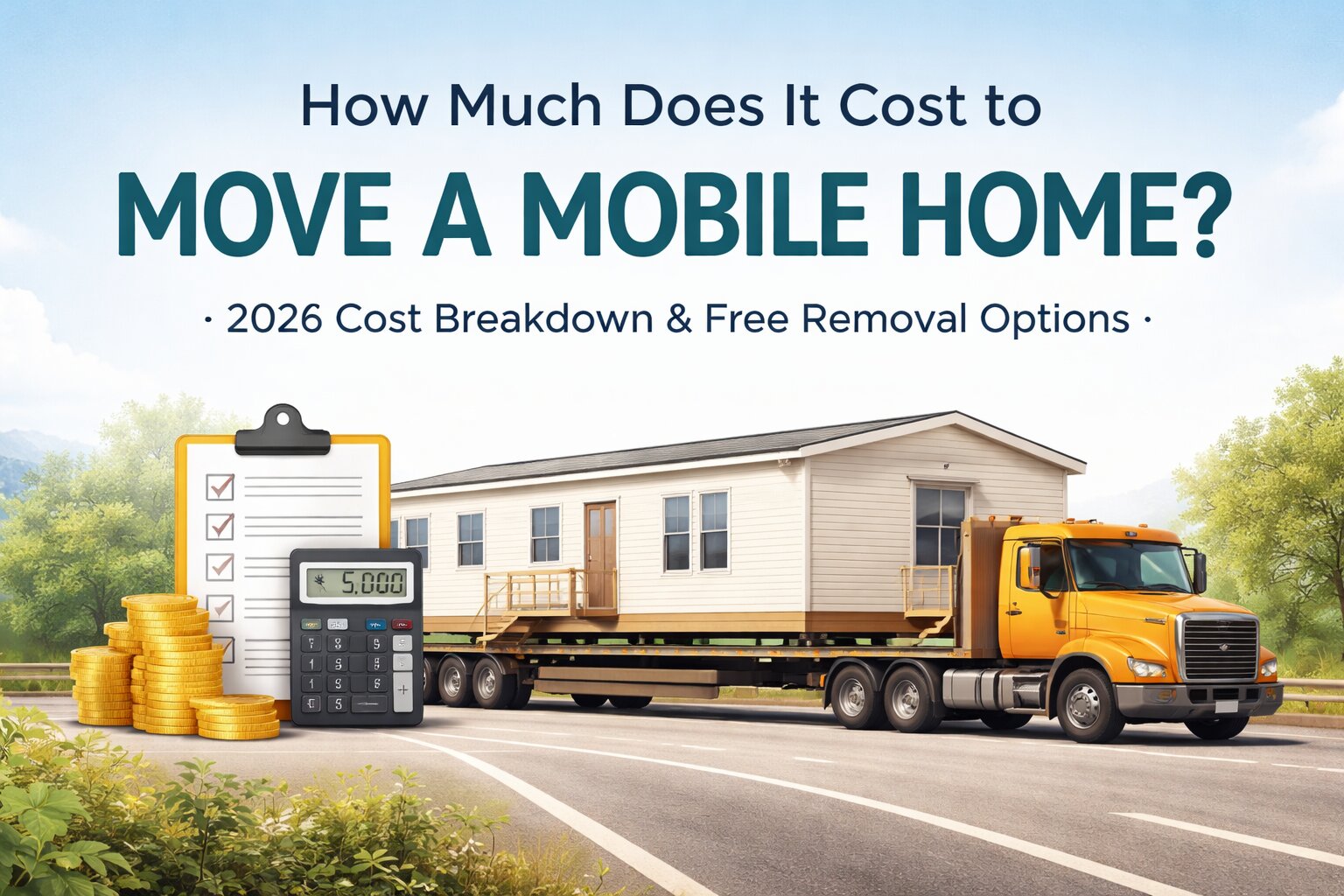
Relocating a mobile home, often referred to as a manufactured home, involves significant logistics that typically cost between $5,000 and $15,000 for local moves, while long-distance relocations can exceed $20,000. These figures include professional disassembly, transport, re-leveling, and utility reconnection. Because each home’s dimensions, age, and destination requirements vary, homeowners must account for site preparation and permitting fees that often fall outside standard moving quotes.
Contents
Moving a mobile home is a specialized task that requires professional expertise to ensure the structural integrity of the unit remains intact. Unlike traditional site-built homes, manufactured homes are designed for transport from the factory to a home site but are not intended to be moved frequently. Once a home has been placed in its initial location, the wear and tear of movement can compromise the frame, siding, and interior finishings. Consequently, the "cost to move and set up a mobile home" is not merely a transportation fee; it is a complex budget involving specialized labor, heavy equipment, and regulatory compliance.
Factors Influencing the Total Cost
The variance in pricing for moving a manufactured home is driven by four primary variables: distance, size, structural condition, and site requirements.
Distance and Transportation Logistics
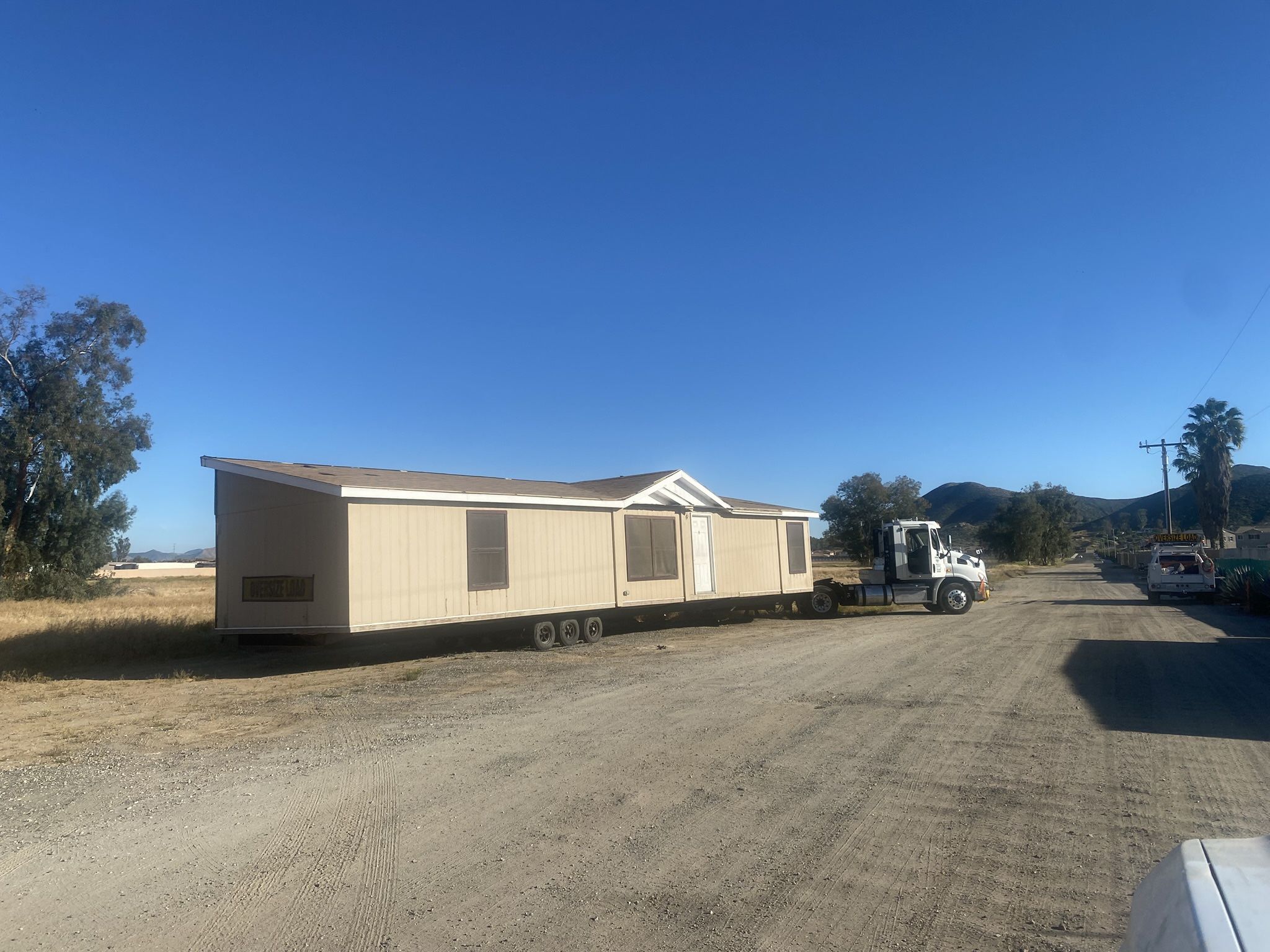
The most significant factor is the distance between the origin and the destination. Most moving companies charge a base fee for the first 50 to 100 miles, plus a per-mile rate thereafter. Beyond the fuel and labor costs, longer moves increase the likelihood of needing multiple permits from state and local authorities, as the home must traverse various jurisdictions, each with its own set of rules for oversized loads.
Size and Configuration
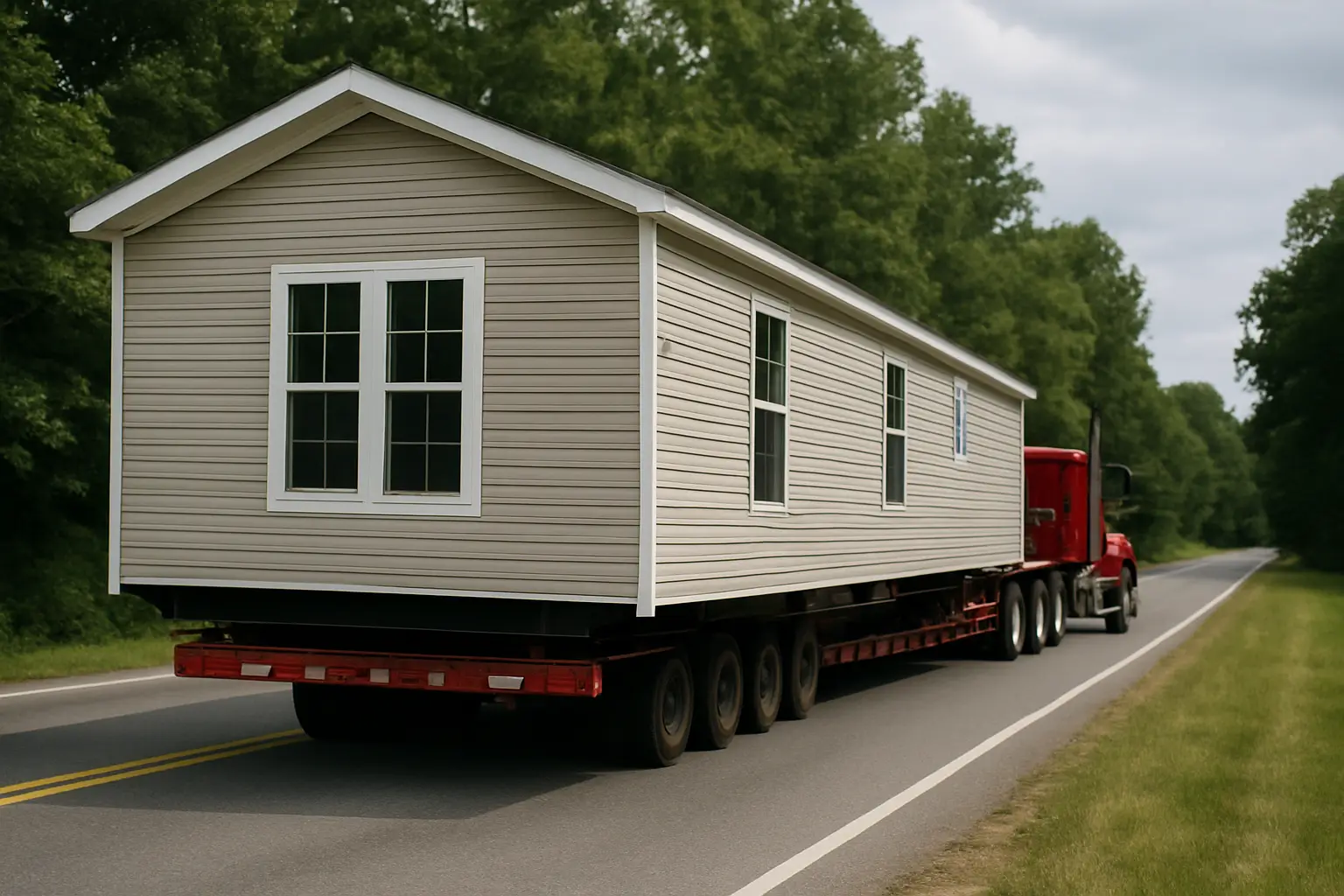
Mobile homes come in single-wide, double-wide, and sometimes triple-wide configurations. A single-wide is relatively straightforward to move, but double-wide homes require the unit to be separated into two distinct sections. This doubling of the load effectively doubles the transport costs, as each section must be moved on its own trailer, requiring two pilot cars and two transport vehicles.
Structural Integrity and Age
Older mobile homes, particularly those manufactured before the 1976 HUD (Department of Housing and Urban Development) Code, often require significant reinforcement before transport. If the frame is rusted or the floor joists have degraded, professional movers may refuse to transport the unit until structural repairs are completed. Furthermore, if a home has been through multiple moves, the integrity of the marriage line (the area where the sections of a double-wide join) may be compromised, leading to higher labor costs during the re-installation phase.
Breakdown of Typical Costs
When budgeting for a move, it is helpful to categorize expenses into transport-related fees and set-up expenses.
| Service Category | Estimated Cost Range | Description |
|---|---|---|
| Permits and Escorts | $500 – $2,500 | Includes transport permits and required lead/chase pilot vehicles. |
| Disassembly/Tear Down | $2,000 – $5,000 | Removing skirting, decks, utilities, and separation of sections. |
| Transportation | $3,000 – $10,000 | Calculated per mile based on the number of sections and distance. |
| Site Preparation | $1,500 – $6,000 | Leveling the ground, installing a concrete pad, or pier setup. |
| Re-setup/Anchoring | $2,000 – $5,000 | Re-leveling, anchoring to code, and connecting utilities. |
Note: These estimates are based on 2026 market averages and do not include costs for de-anchoring existing foundations or extensive landscape remediation at the origin site.
The Technical Requirements of Set-Up
Once the home arrives at the new site, the process of setting it up is just as critical as the transport itself. A poorly leveled home will result in doors that do not close properly, cracked drywall, and compromised structural stability over time.
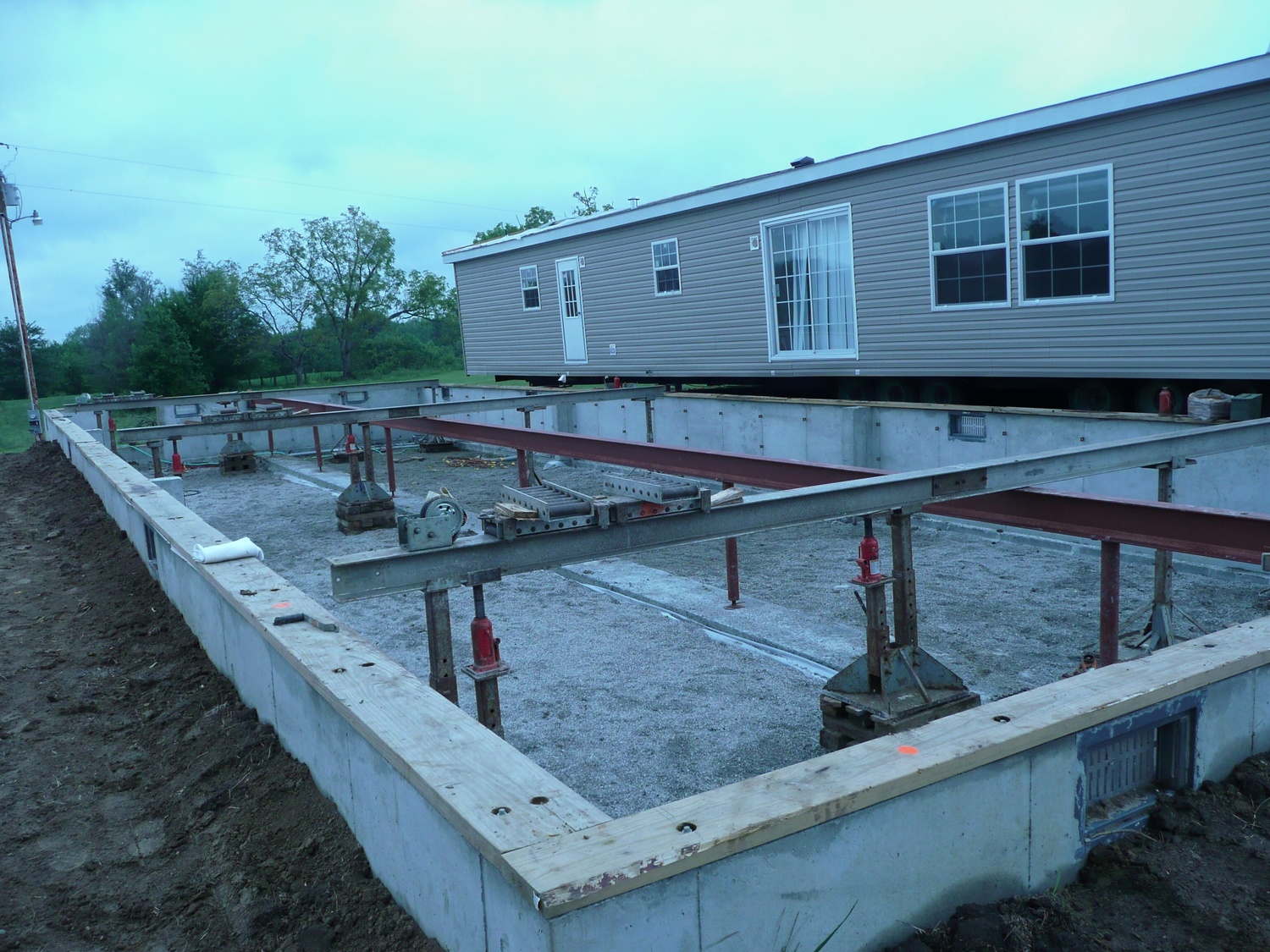
- Leveling: The home must be positioned on a series of piers or a foundation system. Professionals use water levels or laser levels to ensure the home is perfectly horizontal.
- Anchoring: Modern building codes require mobile homes to be secured with tie-downs or anchors to prevent wind damage. These systems vary by climate; high-wind or hurricane-prone areas have much stricter anchoring requirements, which increases the cost of materials and labor.
- Utility Reconnection: This phase involves hooking up the home to municipal water, sewage, electricity, and gas. Because this involves plumbing and electrical systems, it often requires a licensed contractor or master plumber/electrician to certify that the installation meets local building codes.
Legal and Permitting Considerations
Before any wheels turn, you must verify the legal status of the move. Most states require a specialized license for manufactured home transport companies. You should request proof of this license and verify the company’s liability insurance coverage before signing a contract.
Furthermore, you must check the zoning laws at your destination. Many municipalities have ordinances regarding the age of the mobile home being moved into the area. Some jurisdictions prohibit the relocation of older mobile homes regardless of their condition. Failure to verify these ordinances before paying for the transport can result in the home being stranded without a legal place to be set up.
Common Pitfalls and Troubleshooting
A common mistake homeowners make is assuming the moving company handles everything. Often, the movers are only responsible for the transportation and the physical leveling. They rarely handle the connection of municipal utilities or the installation of permanent skirting. You should clarify exactly what is included in the "set-up" portion of your quote.
If you encounter issues during the set-up—such as the home not being level or the marriage line not aligning—do not attempt to force the components together. Rely on the installer’s expertise. Forcing the frame can lead to permanent structural distortion. If the site is soft or not properly prepared, you may need to invest in additional support piers to distribute the weight of the home properly.
Frequently Asked Questions
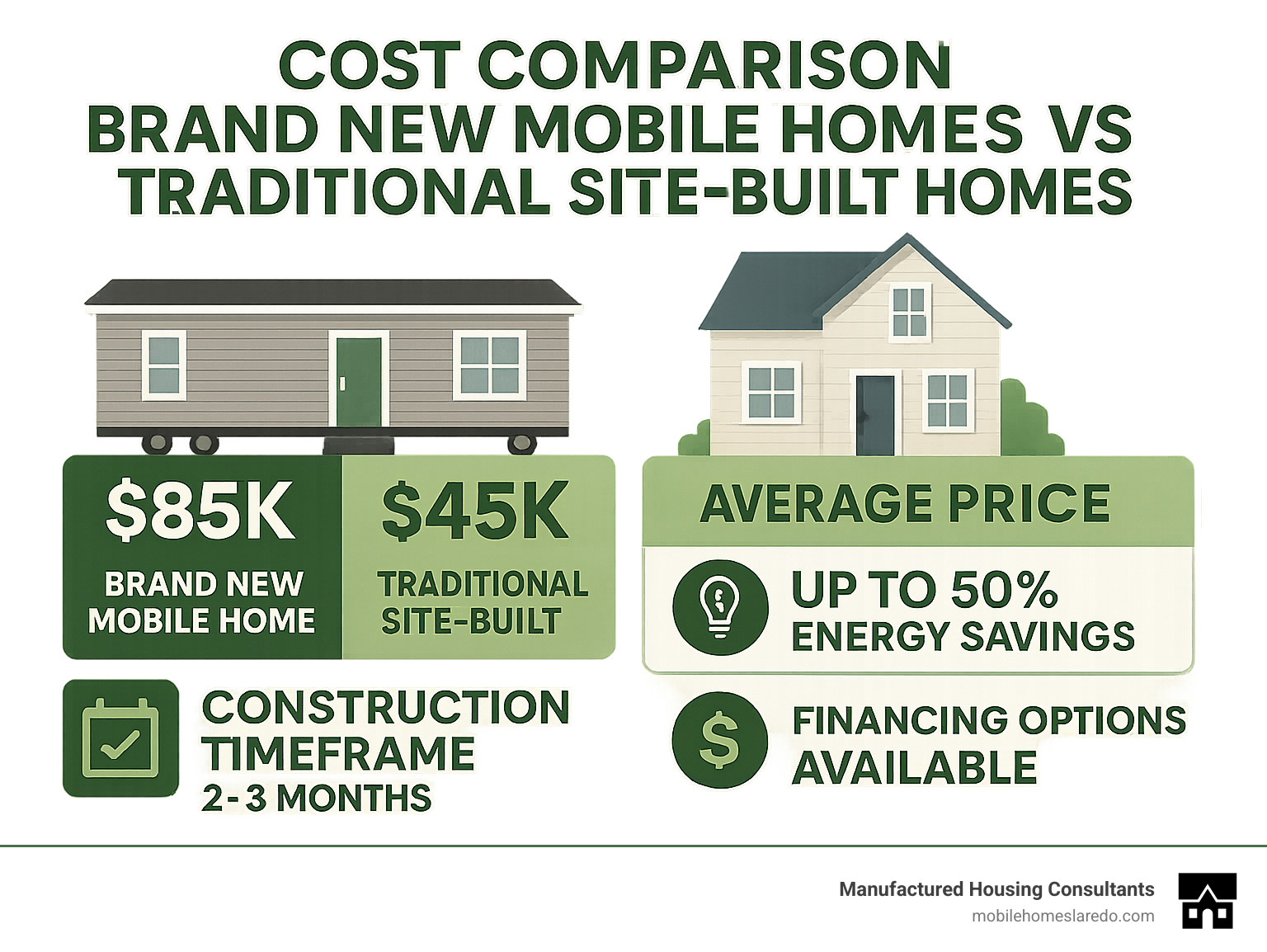
Is it cheaper to move a mobile home or buy a new one? In many cases, the cost of moving an older mobile home, combined with the cost of site preparation and setting up, can approach 50–70% of the cost of buying a new, smaller unit. Always compare the total cost of relocation against the depreciated value of your current home to determine if the move is a sound financial investment.
Do I need a foundation for a mobile home move? While many mobile homes are set up on piers, local zoning often mandates a permanent foundation or at least a reinforced concrete pad. You must consult your local planning department to understand the specific foundation requirements for your destination site.
How long does the entire moving process take? The physical move itself is often a one-day operation once permits are cleared, but the entire process—including scheduling, permitting, disconnecting, moving, and re-connecting—can take several weeks, particularly if you are waiting on utility inspections.
Can I move the mobile home myself? Moving a mobile home is a strictly regulated commercial activity. It is illegal in almost all jurisdictions to move a manufactured home without a commercial transport license, specialized heavy-duty towing equipment, and professional escorts for oversized loads.
What happens if the mobile home is damaged during the move? Ensure your contract explicitly details the mover’s liability. Standard cargo insurance may cover the home while it is on the truck, but it may not cover damage occurring during the teardown or set-up phases. Consider purchasing supplemental insurance for the duration of the relocation.
Final Recommendation
The most effective way to manage the cost to move and set up a mobile home is to secure at least three detailed, itemized bids from licensed, bonded, and insured transport companies. Before finalizing your decision, request a site inspection from the lead installer to identify potential challenges at your destination. Always prioritize the experience and reputation of the transport company over the lowest price, as the specialized nature of the equipment and the risk of structural damage make quality the most critical factor in a successful move.
Image Gallery