Celebrating a Young DRO Birthday in Corporate Culture
Celebrating a birthday for a young DRO (Disaster Recovery Officer or, in specific administrative contexts, a designated records officer) within a corporate environment requires a delicate balance between professional decorum and team c...
Celebrating a birthday for a young DRO (Disaster Recovery Officer or, in specific administrative contexts, a designated records officer) within a corporate environment requires a delicate balance between professional decorum and team cohesion. Navigating this milestone involves understanding workplace boundaries, respecting individual privacy, and ensuring that recognition aligns with broader organizational cultural values while maintaining the high-stakes focus typically associated with technical or compliance-heavy roles.
Contents
Understanding the Role and Organizational Context
The "DRO" title often denotes a specialized function, such as a Disaster Recovery Officer, whose primary responsibility involves business continuity, risk mitigation, and systemic resilience. Because these roles are frequently high-pressure, the culture surrounding them tends to prioritize efficiency and reliability. Recognizing a young professional in this capacity is not merely a social gesture; it is an exercise in retention and morale-building.
In 2026, corporate environments have largely shifted toward "intentional inclusivity." This means that celebratory efforts are no longer one-size-fits-all. When a team leader or peer group decides to acknowledge a birthday, the focus must shift from performative displays—which can be intrusive—to meaningful, role-appropriate recognition that respects the individual’s contributions to organizational security and operational stability.
Establishing Professional Boundaries
Before organizing any form of recognition, it is essential to establish clear boundaries. Corporate culture often mistakes proximity for familiarity, which can lead to uncomfortable situations for younger employees who are still establishing their professional identities.
- Opt-in Participation: Ensure that the birthday celebrant has explicitly or implicitly consented to being recognized. Some employees prefer to keep personal milestones strictly private, and this preference should be protected, regardless of team norms.
- Inclusive Sensitivity: Consider the diverse cultural and personal backgrounds within the office. Avoid celebrations that may exclude team members based on dietary restrictions, religious beliefs, or personal comfort levels with public attention.
- Managerial Oversight: While the initiative often comes from peers, managers should ensure that the method of celebration adheres to the company’s code of conduct. This prevents scenarios where gift-giving becomes a source of financial pressure on junior staff or where the celebration disrupts critical business continuity tasks.
Methods of Appropriate Recognition
Effective celebration in a professional setting should be low-friction and high-impact. The goal is to provide a sense of belonging without compromising the gravitas of the DRO role.
- Public Recognition via Official Channels: Utilize approved internal communication platforms (such as Slack, Microsoft Teams, or internal newsletters) to share a brief, professional acknowledgment. This validates the individual’s presence without requiring a physical gathering.
- Skill-Based Professional Development: For a young DRO, providing a small budget for a specialized course, a certification exam voucher, or access to a professional seminar is often perceived as more valuable than traditional workplace gifts. This aligns the celebration with the employee’s career growth.
- Low-Key Team Integration: If a physical event is warranted, limit it to a designated "coffee break" or a brief period during a scheduled team meeting. This ensures that the event is bounded by time and does not interfere with the demanding nature of disaster recovery monitoring or administrative duty cycles.
Comparative Approaches to Workplace Milestones
| Approach | Intent | Suitability for DRO Role |
|---|---|---|
| Public Social Event | Community Building | Low (May cause disruption) |
| Professional Stipend | Career Investment | High (Aligns with skill growth) |
| Digital Shout-out | Recognition | Moderate (Good for distributed teams) |
| No-Action Policy | Respecting Privacy | High (Valid for many corporate cultures) |
Integrating Cultural Values into Milestones
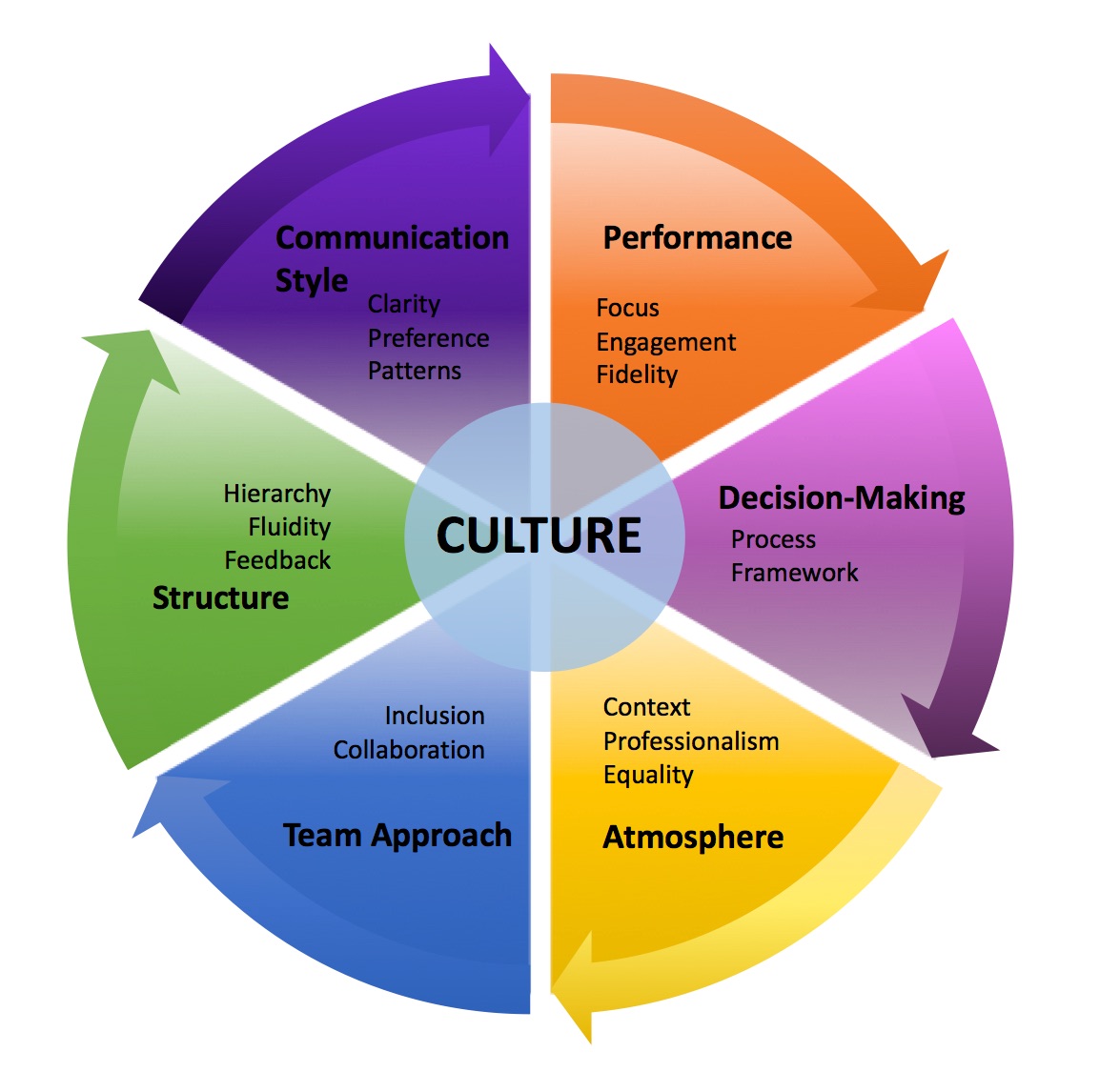
Corporate culture is defined by how an organization rewards its people. When a young DRO reaches a birthday, the organization has a subtle opportunity to reinforce its commitment to the employee’s long-term success. If the company values "Resilience and Preparedness," acknowledge the birthday by noting the employee’s recent contributions to the team’s reliability metrics. This elevates the occasion from a simple social milestone to a moment of professional validation.
Avoid "mandatory fun" at all costs. In technical fields like Disaster Recovery, the expectation of being on-call or maintaining 99.999% uptime is exhausting. Forcing a celebration can inadvertently create a "second shift" of emotional labor for the employee. Instead, provide the recognition and then grant the employee the autonomy to choose how they wish to proceed with the rest of their day.
Navigating Potential Pitfalls
Several common mistakes can turn a positive intent into a negative outcome:
- Financial Disparity: If the team decides to collect money for a gift, it can create a power imbalance. Junior employees may feel compelled to contribute more than they can afford to appease senior team members. Keep gift-giving optional and strictly anonymous, or eliminate it in favor of company-sponsored recognition.
- Tone Deafness: A joke about a "disaster" occurring on their birthday, while potentially meant in good fun, can come across as unprofessional or even insensitive given the gravity of the DRO’s actual job responsibilities. Maintain a tone of professional respect.
- Physical Visibility: Avoid surprises or desk decorations. In a 2026 corporate environment, many employees value their workspace as a private, controlled environment. Unexpected intrusions can trigger stress rather than appreciation.
FAQ: Best Practices for Workplace Birthdays
Q: Should the manager be the one to initiate the birthday recognition? A: Ideally, recognition should be peer-led, but managers should facilitate an environment where it is safe to do so. If the team culture is very formal, a simple, non-performative acknowledgment from the direct supervisor is the safest and most professional path.
Q: Is it appropriate to give a young DRO a gift related to their role? A: While it may seem thoughtful to give a gift related to their job, it can often feel like an extension of labor. Opt for gifts that support their general wellbeing or professional interests outside of their immediate daily grind.
Q: What if the employee works remotely? A: Digital recognition is excellent for remote teams. A brief mention in a team meeting or a card sent to their home is sufficient. Do not require them to attend a mandatory "virtual party" if they are off the clock.
Q: How do we handle birthdays during high-pressure cycles? A: If the team is currently in the middle of a major project, system migration, or recovery incident, postpone or cancel the celebration entirely. The most respectful gift you can give a stressed employee is the time and space to focus on their work.
Q: What is the best way to determine an employee’s preference? A: Use a standard "team preferences" survey during onboarding. This document should ask employees how they prefer to be recognized for milestones, or if they prefer no recognition at all.
Recommendations for Leadership
If you are responsible for leading a team that includes a young DRO, your primary directive is to model professional behavior. If you choose to acknowledge their birthday, keep it short, authentic, and focused on their contributions. If the organizational culture leans toward minimalism, do not feel pressured to invent traditions. A brief, sincere message of appreciation for their dedication to the team’s stability is often the highest form of recognition in a high-performance corporate environment. By focusing on respect and autonomy rather than forced socialization, you ensure the employee feels valued as a professional, which is the most effective way to foster long-term loyalty and job satisfaction.
Image Gallery