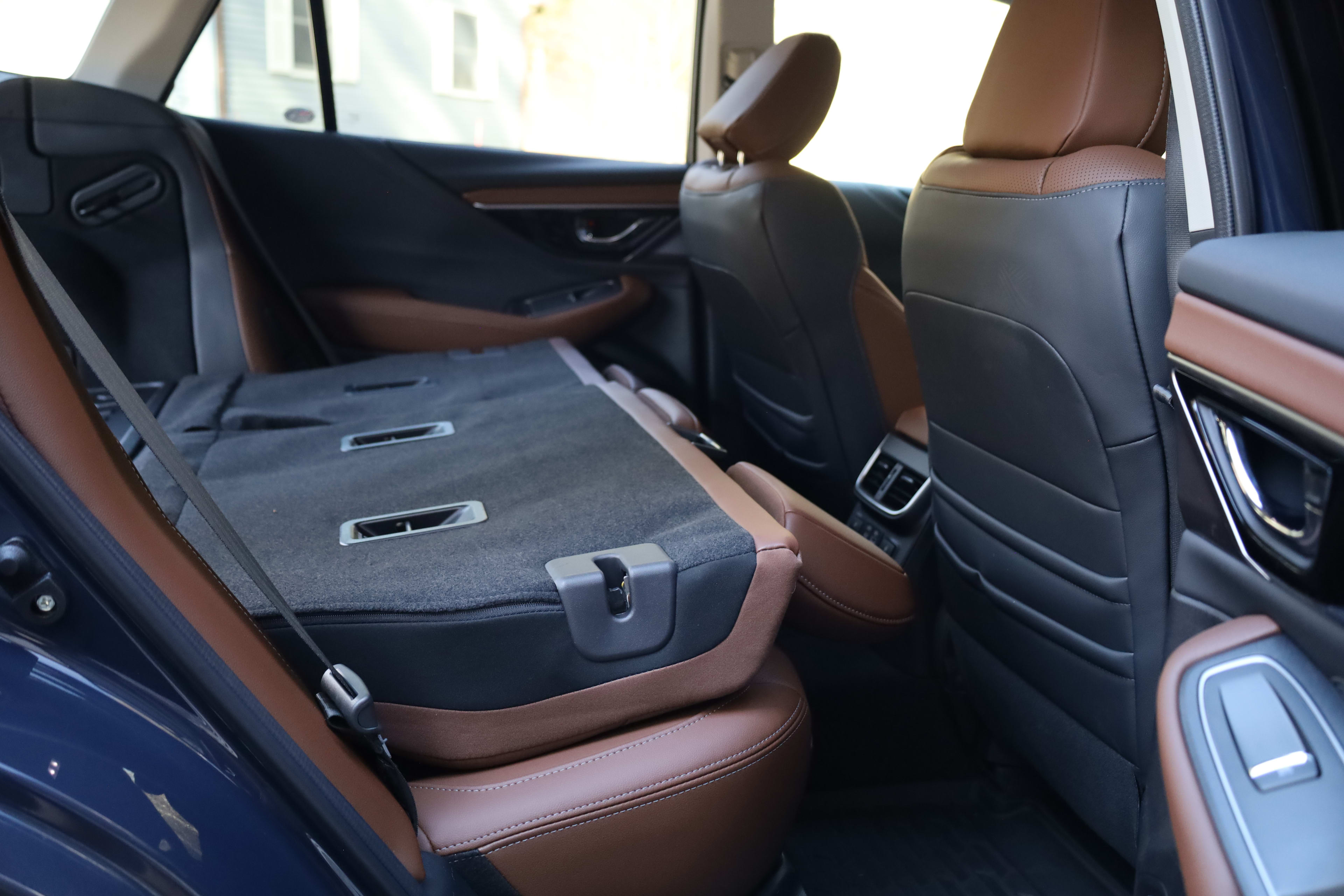
Understanding Why Subaru Outback Ventilated Seats Matter for Your Driving Experience
Ventilated seats in the Subaru Outback serve as a critical feature for climate control and long-term comfort, utilizing built-in fans to draw air away from or circulate air across the surface of the seat upholstery. This technology act...
Ventilated seats in the Subaru Outback serve as a critical feature for climate control and long-term comfort, utilizing built-in fans to draw air away from or circulate air across the surface of the seat upholstery. This technology actively reduces perspiration, prevents overheating during extended travel, and preserves the longevity of high-end seating materials by managing moisture exposure.
Contents
For drivers who frequent warmer climates or spend significant time behind the wheel for commutes or road trips, the integration of seat ventilation is more than a luxury—it is a functional necessity for maintaining physical comfort and alertness. Unlike passive heating, which relies on electrical coils to increase temperature, ventilation systems manage thermal regulation through air movement, offering a distinct advantage in maintaining a comfortable cabin environment throughout the year.
The Mechanism Behind Seat Ventilation
At its core, a ventilated seat functions through a series of small, integrated fans housed within the seat cushion and backrest. When activated, these fans create a low-pressure zone that pulls air through the perforations in the leather or synthetic material. This process is distinct from air conditioning; rather than simply blowing cold air, it promotes the evaporation of moisture from the driver’s body.
As moisture evaporates, it carries heat away from the skin, a process known as evaporative cooling. This is particularly effective in vehicles like the Subaru Outback, which are often used in varied environments, including high-altitude sun exposure or humid coastal conditions. By preventing the "sticky" sensation often experienced with leather or synthetic upholstery in hot weather, the ventilation system allows the driver to remain focused on the road rather than shifting to find a comfortable position.
Benefits Beyond Immediate Comfort
While initial comfort is the most obvious benefit, the practical application of ventilated seats extends to both vehicle maintenance and safety.
- Material Preservation: Moisture trapped between a passenger and the seat can lead to the degradation of premium materials over time. By facilitating airflow, the system reduces the accumulation of sweat and oils on the upholstery surface, helping to maintain the integrity and appearance of the seat material for longer periods.
- Driver Fatigue Reduction: Physical discomfort is a major contributor to driver fatigue. Excessive heat in the cabin can lead to lethargy and decreased alertness. By maintaining a neutral body temperature through the seat surface, the driver is less likely to become restless, which is a significant factor in long-distance safety.
- Climate Control Optimization: Ventilated seats work in synergy with the vehicle’s HVAC system. Instead of relying solely on the blower motor to cool the entire cabin to extreme temperatures, a driver can maintain a moderate ambient temperature while utilizing the ventilated seats to achieve localized cooling, potentially improving energy efficiency for the vehicle’s electrical system.
Comparative Performance: Heated vs. Ventilated Seats
Understanding how these two features interact is essential for maximizing the utility of your Outback’s interior climate controls.
| Feature | Primary Function | Operational Method | Ideal Use Case |
|---|---|---|---|
| Heated Seats | Increase surface temp | Electrical resistance coils | Cold weather/Winter driving |
| Ventilated Seats | Reduce surface moisture | Integrated internal fans | Hot weather/Summer driving |
| Combined Use | Climate moderation | Integrated airflow/heating | Rapid cabin temperature adjustment |
It is a common misconception that ventilated seats are only for the summer. In many instances, using the ventilation system on a low setting during milder weather can prevent the accumulation of body heat, ensuring that the driver remains comfortable without needing to adjust the primary vehicle climate control settings frequently.
Prerequisites and Usage Considerations
To get the most out of your ventilated seats, there are several operational factors to consider. First, the efficacy of the system is directly dependent on the upholstery. The perforations in the leather are specifically engineered to allow for maximum airflow without compromising the structural strength of the seat. Using thick seat covers or aftermarket cushions can obstruct these perforations, rendering the ventilation system significantly less effective.
Second, the maintenance of these systems is relatively straightforward but requires attention. Because the fans pull air from within the seat and the cabin, they can accumulate dust or debris over time. It is recommended to use a vacuum with a soft brush attachment to clear the seat perforations periodically. This ensures that the airflow path remains unobstructed, preventing the fans from working harder than necessary, which preserves the motor life of the system.
Common Misconceptions
There is often confusion regarding "cooled" seats versus "ventilated" seats. While the terms are sometimes used interchangeably in marketing, true ventilated seats—like those found in the Subaru Outback—do not necessarily feature a refrigerated element. Instead, they rely on the ambient air within the cabin. If your cabin is extremely hot, the initial air pulled through the seat will be warm. However, as the cabin cools via the standard air conditioning, the seat ventilation becomes exponentially more effective at pulling that cooled air toward the passenger.
Additionally, some users worry about the noise produced by the internal fans. In the Subaru Outback, these systems are designed to operate at a decibel level that is barely audible over the natural ambient road noise of the vehicle. If you notice a high-pitched whine or loud vibration, it is typically a sign of a blockage or a mechanical issue that should be inspected by a certified technician.
Integration with Modern Outback Technology
In the 2026 model year, the integration of these systems into the vehicle’s central interface is more refined than ever. Drivers can often manage these settings through the primary infotainment touchscreen or dedicated physical switches, depending on the specific trim level of the Outback. This level of control allows for precise adjustments, enabling the driver to set the intensity of the ventilation based on current conditions.
Furthermore, some advanced trim configurations may link seat settings to the driver’s profile. If your vehicle features memory settings for seat positions, there is a strong likelihood that your preferred ventilation intensity can be saved alongside your seating position, ensuring a consistent experience every time you enter the vehicle.
Troubleshooting Potential Issues
If you find that your ventilated seats are not providing the expected cooling relief, follow this systematic approach to verify the system's status:
- Check Power Supply: Ensure the system is engaged. Sometimes, the setting may have been toggled off during a previous trip.
- Inspect for Obstructions: Ensure no items (such as heavy clothing, thick seat covers, or debris) are blocking the intake vents beneath or behind the seat.
- Acoustic Check: Listen for the sound of the fans while the vehicle is stationary and the engine is running. If there is no sound at all, a fuse may be blown.
- Air Conditioning Status: Remember that ventilated seats perform best when the cabin air is already being actively cooled. If the HVAC system is set to heat, the ventilation will pull warm air, which may be counter-intuitive to your goal of cooling down.
If these steps do not resolve the issue, consult your owner's manual for the specific fuse box location or contact a service department to verify if there is an underlying electrical fault.
Making the Most of Your Investment
When selecting a trim level for the Subaru Outback, the inclusion of ventilated seats is often tied to higher-tier packages. If you are debating the necessity of this feature, consider your primary usage. For those living in regions with significant temperature fluctuations, the ability to rapidly regulate body temperature is a substantial quality-of-life improvement.
For most drivers, the investment in a trim level that includes ventilated seating pays dividends in comfort during long drives, reducing the physical toll of travel and allowing for a more relaxed and focused experience. To ensure the longevity of this feature, make it a habit to check the cleanliness of the seat perforations during your routine vehicle cleaning sessions. By keeping the intake pathways clear, you ensure that the system performs as designed for the life of the vehicle.
Frequently Asked Questions
Are Subaru Outback ventilated seats the same as air-conditioned seats? No. Ventilated seats use fans to move ambient air, while air-conditioned seats involve a heat exchanger or refrigerated element. Subaru’s system is highly effective at moving cabin air to reduce moisture and heat, but it does not technically "refrigerate" the seat surface.
Can I add ventilated seats to a base model Outback that doesn't have them? While aftermarket kits exist, they generally lack the integration with the vehicle’s electrical system, warranty, and seat upholstery. It is recommended to choose a trim level that includes this feature from the factory for the best performance and safety results.
Will using ventilated seats drain my battery faster? The power draw of the ventilation fans is negligible compared to the overall electrical load of the vehicle. When the engine is running and the alternator is providing power, the impact on battery life is non-existent.
How often should I clean the ventilated seat perforations? Depending on how much debris your clothing introduces, a light vacuuming of the seats every few months is usually sufficient to keep the air pathways clear.
Do ventilated seats work if the cabin is hot? Yes, but with a caveat. They work best once the cabin's primary air conditioning system has lowered the ambient temperature. In a very hot cabin, they help circulate the cooler air coming from your HVAC system, accelerating the cooling process for the passenger.
For those considering the purchase or use of a Subaru Outback in 2026, prioritizing comfort features like seat ventilation is an excellent strategy for ensuring long-term satisfaction with your vehicle. Take the time to test the ventilation intensity during a test drive to ensure it meets your personal requirements for comfort and climate control.
Image Gallery